


Stress Eczema on Hands: Relief Tips
Stress eczema on hands? Learn causes, triggers, fast relief, daily skin-care, stress management, and when to see a doctor. Trusted tips and resources.

Introduction
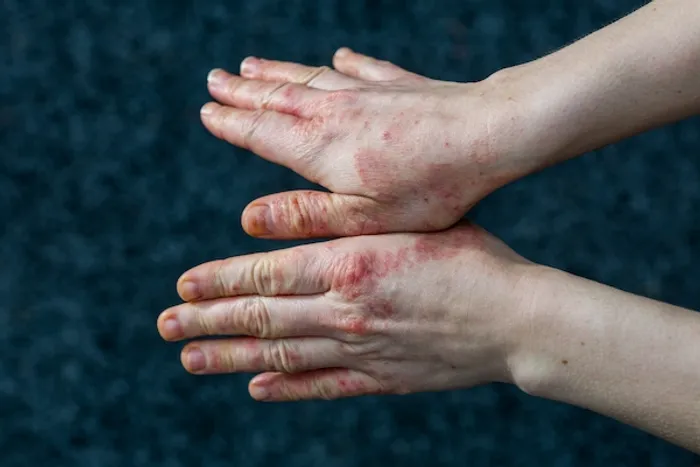
Stress can make many skin conditions worse, and hand eczema is one of the most commonly affected. When life becomes hectic, it’s not unusual for people with sensitive or eczema-prone skin to notice sudden dryness, itching, and irritation on their hands. While “stress eczema” isn’t an official diagnosis, the relationship between stress and hand eczema is well established. The combination of physical triggers, emotional strain, and daily habits can create the perfect environment for a flare. The encouraging news is that with thoughtful skin care, good routines, and simple stress-management skills, most flares can be soothed and often prevented.
This in-depth guide helps you understand why stress plays such a big role, what hand eczema looks like during a flare, how to relieve symptoms quickly, and which everyday habits protect your skin barrier. You will also learn when to seek medical advice, which treatments may help, and how to separate myths from facts so you can care for your hands confidently.
Consult a Top General Practitioner for Personalised Advice
What Is Stress Eczema on Hands?
“Stress eczema” is a commonly used phrase for eczema that becomes worse during emotional or physical stress. Stress alone doesn’t create eczema, but it can aggravate underlying conditions that already make the skin more reactive.
The hands are especially vulnerable because they experience frequent washing, friction, and contact with irritants.
Types of eczema that can affect the hands include:
- Atopic dermatitis: linked with a weaker skin barrier and an overactive immune response.
- Irritant contact dermatitis: typically caused by repeated exposure to soaps, detergents, or sanitising products.
- Allergic contact dermatitis: triggered by allergy to substances such as fragrances, preservatives, nickel, or rubber chemicals.
- Dyshidrotic eczema: small, extremely itchy blisters on the palms, fingers, or sides of the hands.
How Stress Can Trigger Hand Eczema Flares?
Stress affects the skin through several pathways, and each of them can contribute to flares, especially during busy or emotionally intense periods.
How Stress Impacts the Skin Barrier?
- Stress hormones can interfere with the skin’s ability to retain moisture, leading to dryness and increased sensitivity.
- A weakened barrier makes it easier for irritants to penetrate and cause inflammation.
Influence on Immune Activity?
- Stress may heighten inflammatory responses, making patches of eczema redder, itchier, and slower to heal.
- The immune system may also become more reactive, worsening symptoms in people with atopic tendencies.
The Itch–Scratch Cycle
- Stress increases itch perception, and lack of sleep often makes itching feel more intense.
- Scratching breaks the skin, which triggers more itching, creating a cycle that intensifies the flare.
(H3) Changes to Daily Habits
- During stressful periods, people may wash hands more often, moisturise less, sleep less, or skip self-care routines.
- These small changes can accumulate and lead to worsening hand eczema.
Stress Eczema Flare-Ups: Signs and Symptoms
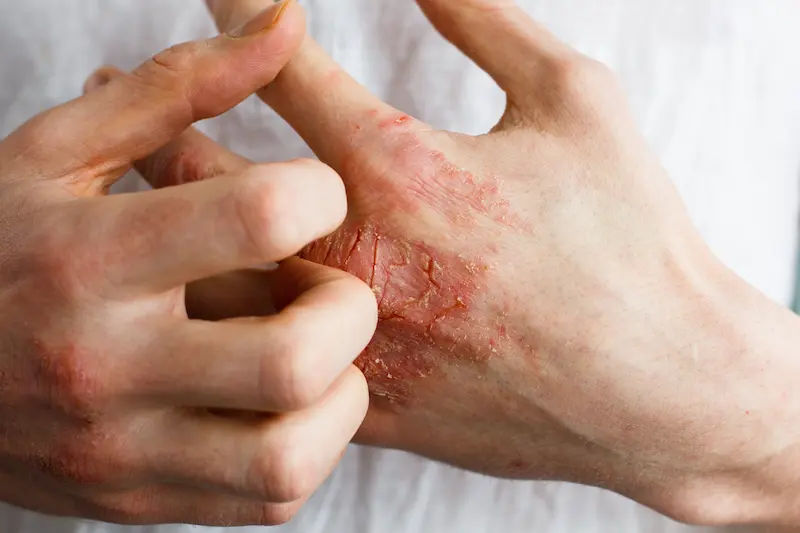
Hand eczema can vary greatly from person to person, and even from day to day. Common symptoms include:
- Rough, dry, scaly, or thickened skin
- Severe itching or burning sensations
- Redness or darker patches depending on skin tone
- Cracks or fissures that sting or bleed
- Small, deep blisters associated with dyshidrotic eczema
- Pain, oozing, crusting, or pus, which may signal infection
Recognising early symptoms helps you act quickly and prevent more severe irritation.
Quick Relief Tips When Your Hands Flare
During a flare, prompt and gentle care is crucial. These steps help calm the skin and reduce the urge to scratch.
Soothe the Itch and Calm the Skin
- Use cool compresses for 5–10 minutes to reduce itching.
- Apply a thick, fragrance-free cream or ointment immediately after removing the compress.
- Avoid heat and rough materials; use lukewarm water for washing, and pat dry gently.
- Keep fingernails short to minimise damage from accidental scratching.
Use Topical Medicines Correctly
- Mild flares may improve with 1% hydrocortisone used short-term.
- Moderate to severe flares often require prescription topical steroids, sometimes mid- to high-strength for hands due to thicker skin.
- Non-steroid options such as calcineurin inhibitors or other newer treatments may help maintain control.
- Sedating antihistamines can support sleep during intense itching, but aren’t direct eczema treatments; always ask your clinician for personalised advice.
Try Wet-Wrap Therapy for Stubborn Dryness
- After washing, apply your prescribed treatment to the inflamed areas and a thick moisturiser elsewhere.
- Cover with damp cotton gloves or gauze for 10–20 minutes, then add a dry layer on top.
- This method hydrates deeply and boosts absorption of topical medicines, especially helpful during severe flares.
A Daily Hand-Care Routine That Prevents Flares
Consistency is one of the most effective ways to keep hand eczema under control. Building a simple, repeatable routine helps protect your skin barrier.
Wash Smart
- Use gentle, fragrance-free cleansers instead of harsh soaps.
- Wash with lukewarm water to avoid irritation.
- Pat dry rather than rubbing.
- Moisturise within a few minutes of washing.
- If hand sanitiser is necessary, choose fragrance-free options and moisturise afterwards.
Moisturise Like a Pro
- Ointments and thick creams work better than lotions for locking in moisture.
- Look for ingredients such as petrolatum, glycerin, ceramides, hyaluronic acid, and shea butter.
- Carry a small moisturiser to reapply throughout the day, particularly after washing.
- Apply a generous layer before going to bed.
Protect Your Hands at Work and Home
- Wear gloves for tasks involving water, cleaning agents, or irritants.
- Use cotton glove liners under waterproof gloves to prevent sweating.
- Replace damp gloves promptly to avoid irritation.
- Avoid known triggers such as fragrances, harsh chemicals, or rough fabrics.
- Ask your clinician about patch testing if flares persist despite careful care.
Night-Time Barrier Repair
- Apply a rich layer of ointment at night to help repair the skin barrier.
- Cotton gloves can help seal moisture in and prevent scratching while asleep.
Stress Management That Helps Your Skin
Managing stress can reduce the frequency and intensity of eczema flares, as the skin and nervous system are closely linked.
Simple Daily Resets
- Incorporate short sessions of gentle movement, such as 10–20 minutes of walking.
- Practise calming breathing, such as the 4-4-6 pattern.
- Protect your sleep routine by limiting screens late in the evening and keeping your bedroom cool and dark.
Break the Itch–Scratch Habit
- A scratch diary can help identify patterns or triggers.
- Replace scratching with pressing, patting, or using a cool compress.
- Cognitive behavioural therapy or mindfulness techniques may be beneficial for breaking habitual scratching.
Seek Support
- Talk to a clinician if stress or anxiety is persistent.
- Support groups, whether in person or online, can provide encouragement and shared experiences.
When to See a Clinician?
Seek medical support if:
- Your hands are painful, bleeding, or affecting daily life.
- You notice signs of infection such as oozing, crusting, pus, warmth, or spreading redness.
- Over-the-counter treatments fail after one to two weeks.
- You think you may be reacting to a product or material.
- Flares keep recurring despite a consistent routine.
What Your Clinician May Offer?
The clinician can suggest:
- Stronger topical treatments or updated care plans.
- Patch testing to diagnose allergic contact dermatitis.
- Phototherapy for stubborn or widespread eczema.
- Systemic treatments such as biologics for moderate to severe cases when topicals are not enough.
Myths and Facts
The myths and facts include:
- Myth: Stress causes eczema.
Fact: Stress doesn’t cause eczema, but it can trigger or worsen it in those who already have it. - Myth: You shouldn’t wash your hands during a flare.
Fact: Hand hygiene is important; use gentle cleansers and moisturise immediately afterwards. - Myth: Natural products are always safe.
Fact: Natural doesn’t mean hypoallergenic; essential oils and plant extracts can cause allergic reactions.
Conclusion
Hand eczema linked with stress improves when you support both your skin barrier and your overall wellbeing. A combination of gentle washing, regular moisturising, protective habits, and simple stress-relief techniques often makes a noticeable difference. When stress eczema becomes painful or persistent, professional guidance can provide tailored solutions and stronger treatments. With the right plan, most people see meaningful improvement and regain comfort in their daily routines.
Consult a Top General Practitioner for Personalised Advice
Consult a Top General Practitioner for Personalised Advice

Dr. Rajib Ghose
General Physician/ Internal Medicine Specialist
25 Years • MBBS
East Midnapore
VIVEKANANDA SEBA SADAN, East Midnapore

Dr. Rashmi Wadhwa
General Practitioner
35 Years • MBBS
South Delhi
RASHMI WADHWA'S CLINIC, South Delhi

(75+ Patients)

Dr. Imtiyaz Khan
General Practitioner
6 Years • MD (Physician), Fellowship in Critical Care,AFIH
Bengaluru
Apollo Clinic, Sarjapur Road, Bengaluru

Dr. Remya Rajan
General Physician/ Internal Medicine Specialist
7 Years • MBBS, MD
Bengaluru
Apollo Clinic, Sarjapur Road, Bengaluru

Dr. Pinaki Mukhopadhyay
General Practitioner
33 Years • MBBS
Kolkata
MCR SUPER SPECIALITY POLY CLINIC & PATHOLOGY, Kolkata
(25+ Patients)
Consult a Top General Practitioner for Personalised Advice
Dr. Rajib Ghose
General Physician/ Internal Medicine Specialist
25 Years • MBBS
East Midnapore
VIVEKANANDA SEBA SADAN, East Midnapore
Dr. Rashmi Wadhwa
General Practitioner
35 Years • MBBS
South Delhi
RASHMI WADHWA'S CLINIC, South Delhi
(75+ Patients)
Dr. Imtiyaz Khan
General Practitioner
6 Years • MD (Physician), Fellowship in Critical Care,AFIH
Bengaluru
Apollo Clinic, Sarjapur Road, Bengaluru
Dr. Remya Rajan
General Physician/ Internal Medicine Specialist
7 Years • MBBS, MD
Bengaluru
Apollo Clinic, Sarjapur Road, Bengaluru
Dr. Pinaki Mukhopadhyay
General Practitioner
33 Years • MBBS
Kolkata
MCR SUPER SPECIALITY POLY CLINIC & PATHOLOGY, Kolkata
(25+ Patients)
More articles from Eczema

Frequently Asked Questions
Is “stress eczema” a real condition?
It’s a common phrase people use for eczema flares brought on or worsened by stress. The medical conditions behind it are usually atopic dermatitis or types of hand dermatitis. Stress is a trigger, not the root cause.
What’s the fastest way to calm a hand flare?
Use a cool compress, apply a prescribed steroid or other topical medicine as directed, and seal with a thick, fragrance-free moisturiser. Avoid hot water and friction. Wet-wrap therapy can provide extra relief during severe flares.
Which moisturiser works best for hand eczema?
Thick, fragrance-free ointments and creams tend to work better than lotions. Look for petrolatum, glycerin, ceramides, or hyaluronic acid. Reapply after every hand wash and before bed.
Can antihistamines stop eczema itch?
Non-sedating antihistamines don’t usually help eczema itch. Sedating types may help you sleep and reduce nighttime scratching. Ask your clinician which option fits your situation.
When should I worry about infection?
Call a clinician if you notice yellow crusts, oozing, pus, warmth, spreading redness, or fever. Painful cracks that don’t heal or rapidly worsening symptoms also need medical attention.