



Medical Emergency Planning: How to Plan and Prepare
Practical medical emergency planning guide: what to pack, who to call, and how to act fast. Simple steps to keep you and your family safe.

Written by Dr. Rohinipriyanka Pondugula
Reviewed by Dr. Shaik Abdul Kalam MD (Physician)
Last updated on 14th Jan, 2026
Introduction
When a loved one becomes suddenly unwell or injured, every second matters. A clear, well-thought-out medical emergency plan helps reduce panic, streamline decision-making, and ensure faster, safer care. By preparing in advance, you can provide critical information, begin appropriate first aid, and communicate clearly with emergency responders. This guide explains practical steps to prepare your household for unexpected medical situations. A little organisation today can make a life-saving difference tomorrow.
Why this matters: Medical emergencies can arise anywhere at home, at work, on holiday, or during severe weather.
Having a detailed plan ensures you recognise danger signs quickly, know who to contact, and have essential supplies
within reach.
Consult a Top General Practitioner for Personalised Advice
What Is A Medical Emergency And Why Planning Matters?
A medical emergency is any sudden illness or injury that could be life-threatening or requires immediate treatment.
Common examples include chest pain, severe bleeding, stroke symptoms, difficulty breathing, severe allergic reactions,
seizures, unconsciousness, poisoning, severe burns, or any situation in which someone is unresponsive or breathing
abnormally.
Planning helps you:
- Recognise urgent symptoms without hesitation.
- Call the correct emergency number promptly.
- Provide responders with crucial health information.
- Offer safe, appropriate first aid while waiting for help.
- Prevent delays caused by missing supplies, low phone batteries, or confusion about your location.
Step-by-Step Planning Checklist
The step-by-step procedure includes:
Build A Personal Health Profile
Create a single-page health summary for every household member and keep copies both digitally and on paper. This
makes it easier to share information under pressure.
- Full name, date of birth, and preferred language
- Medical conditions such as asthma, diabetes, or heart disease
- Medications and exact doses, including supplements
- Allergies and reactions, with emphasis on drug and food allergies
- Contact details for your GP and specialists
- Health insurance details and policy numbers
- Emergency contacts, ideally two, including someone nearby
- Implants, devices, mobility aids, or special equipment
- Advance directives or DNR orders, along with where the originals are kept
Storing this information in your phone’s Medical ID or health app ensures responders can access it from your lock
screen.
Create an Emergency Contact and Communication Plan
During an emergency, clear communication prevents confusion and saves time.
- Call your local emergency number immediately if life is at risk
- Choose a family communication lead to keep everyone informed
- Save important numbers under ICE (In Case of Emergency)
- Post your home address and nearest cross streets in visible locations
- Agree on a backup communication method, such as texting, if networks are overloaded
- Identify nearby friends or neighbours who can help with childcare, older adults, or pets
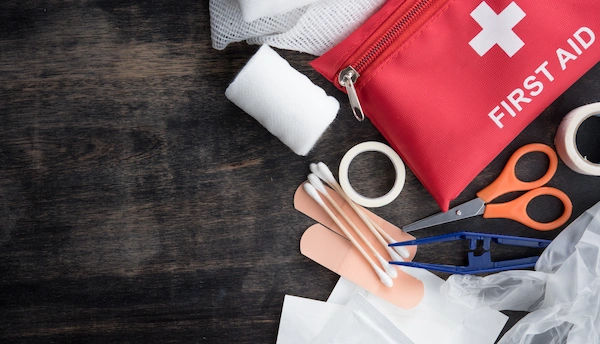
Pack A Ready-to-Go Medical Kit
A well-stocked kit is essential both at home and in your car. Customise your kit for the needs of your household and
check it at least twice a year.
Core supplies
- Medications: 3–7 days of essential prescriptions, copies of prescriptions, and a medication list
- Medical tools: thermometer, digital blood pressure cuff, glucose meter and supplies, spare glasses or contact lenses,
hearing aid batteries - First aid essentials: assorted plasters, sterile gauze, medical tape, antiseptic wipes, antibiotic cream, elastic bandage,
tweezers, scissors, non-latex gloves, cold packs, triangular bandage, burn dressing, oral rehydration salts - Protection and hygiene: medical masks, hand sanitiser, tissues, alcohol wipes
- Emergency basics: torch or headlamp, spare batteries, portable phone charger, whistle, notepad, pen, small amount of
cash - Documents: health profiles, identification, insurance cards, and directives stored in a waterproof pouch
If prescribed, include rescue medicines such as epinephrine auto-injectors or quick-relief inhalers. Store medications safely and consult a pharmacist if you require guidance on rotation or temperature control.
Make a Home Safety and Evacuation Plan
A safer home improves response times during emergencies.
- Ensure house numbers are clearly visible from the road
- Test smoke and carbon monoxide alarms monthly
- Keep hallways and exits free from clutter
- Practise fast exit routes with your household
- Identify the nearest emergency department and urgent care facility
- Learn the quickest driving routes to each location
- Store at least three days’ worth of water and non-perishable food
- Prepare backup power for medical devices where necessary
- Register electricity-dependent medical equipment with your utility company if such programmes are offered
Learn Key First Aid and CPR Skills
Confidence in first aid allows you to act decisively.
- Complete a certified first aid and CPR course
- Learn hands-only CPR if you prefer a shorter training option
- Familiarise yourself with AED use where available
- Practise using the tools in your emergency kit
Recognise Time-sensitive Emergencies
Being able to identify dangerous symptoms quickly is vital.
Stroke: Remember F.A.S.T.
- Face drooping
- Arm weakness
- Speech difficulty
- Time to call emergency services immediately
Heart Attack Symptoms
- Chest discomfort or pressure
- Pain spreading to the arm, back, neck, or jaw
- Shortness of breath, sweating, nausea, or light-headedness
Severe Allergic Reaction (Anaphylaxis)
- Difficulty breathing
- Swelling of the lips or tongue
- Widespread hives
- Dizziness or faintness
Breathing Difficulty or an Asthma Attack
- Lack of improvement with a rescue inhaler
- Severe shortness of breath
Severe Bleeding
- Apply firm, direct pressure
- Do not remove soaked bandages; place more on top
UnResponsiveness
- If unresponsive and not breathing normally, call emergency services and begin CPR if trained
Special Considerations During Planning
Households often include people with varied needs, and your emergency planning should reflect this.
Children
- Include weight-based dosing charts
- Pack child-appropriate medications
- Provide comfort items
- Share medical plans with schools and caregivers
Older Adults
- Keep an updated list of medications and doses
- Use pill organisers to manage schedules
- Prepare large-print health summaries
- Account for mobility aids and extra support
Chronic Conditions
- Include condition-specific action plans
- Pack spare batteries, device supplies, and backup equipment
Pregnancy
- Keep prenatal records readily accessible
- Know when to call your obstetric provider or go to the hospital
Disabilities And Access Needs
- Document communication preferences and mobility requirements
- Prepare a power backup plan for essential devices
Pets
- Prepare a pet emergency kit
- Identify someone who can care for pets during an urgent situation
What To Do During A Medical Emergency?
Remaining calm and organised helps you manage the situation more effectively.
- Ensure the area is safe for you and the affected person
- Call emergency services immediately for life-threatening symptoms
- Put your phone on speaker so the dispatcher can give instructions
- Ask bystanders to bring an AED or your medical kit if available
- Give first aid within your level of training and follow guidance from the dispatcher
- Do not drive someone with severe or unstable symptoms
- Bring key health documents, identification, and insurance details when attending the hospital
Post-Emergency Plan Update
Once the immediate danger has passed:
- Attend all follow-up appointments
- Request a clear plan to prevent or manage future incidents
- Review what went well and what could be improved
- Replace used supplies and recharge electronic equipment
- Seek support if you experience anxiety or stress afterwards
Keep Your Plan Current
Current plan update should include:
- Review your plan and kit every 6–12 months
- Update after new diagnoses, medication changes, a house move, or family changes
- Practise short emergency drills to build confidence
What To Include In A Basic Medical Emergency Kit?
Include the following things in the medical emergency kit:
- Health information: personal health summaries, copies of identification and insurance cards
- Medications: 3–7 days of essential prescriptions, dosage lists, copies of prescriptions
- First aid supplies: plasters, gauze, tape, antiseptic wipes, antibiotic cream, gloves, scissors, tweezers, elastic bandage,
cold packs, burn dressing - Tools: thermometer, torch or headlamp, spare batteries, power bank, notepad, pen
- Hygiene and protection: masks, hand sanitiser, tissues
- Extras: epinephrine auto-injector, inhaler, glucose testing supplies, hearing aid batteries, spare glasses
Conclusion
Preparing for medical emergencies is one of the most valuable steps you can take to protect your household. A clear
plan, a stocked kit, and basic first aid knowledge help you act swiftly and confidently when seconds count. By updating your plan regularly, you stay ready for unexpected situations and reduce avoidable stress. Begin with simple steps, like creating a health summary and gathering essentials. With consistent practice, you will build the skills and confidence needed to respond effectively. Preparation truly empowers you in moments when it matters most.
Consult a Top General Practitioner for Personalised Advice
Consult a Top General Practitioner for Personalised Advice

Dr Darshana R
General Physician/ Internal Medicine Specialist
15 Years • MBBS, MD, DNB (Internal Medicine), Diploma in Allergy, Asthma and Immunology , Fellowship in Diabetes
Bengaluru
Apollo Clinic, JP nagar, Bengaluru

(125+ Patients)

Dr. Akanksha Sharma
General Practitioner
10 Years • MBBS
Hyderabad
Apollo 247 Virtual Clinic, Hyderabad

Dr. Ritesh Motghare
General Practitioner
18 Years • MBBS PGCDM
Nagpur
HEALTH CENTRE VNIT NAGPUR, Nagpur

Dr. Sathish .n
General Practitioner
6 Years • MBBS
Enathur
Meenakshi Medical College Hospital and Research Institute, Enathur

Dr. Pankaj Tripathi
General Practitioner
20 Years • MBBS, MD Pathology
Lucknow
Best Diabetologist Clinic, Lucknow
Consult a Top General Practitioner for Personalised Advice
Dr Darshana R
General Physician/ Internal Medicine Specialist
15 Years • MBBS, MD, DNB (Internal Medicine), Diploma in Allergy, Asthma and Immunology , Fellowship in Diabetes
Bengaluru
Apollo Clinic, JP nagar, Bengaluru
(125+ Patients)
Dr. Akanksha Sharma
General Practitioner
10 Years • MBBS
Hyderabad
Apollo 247 Virtual Clinic, Hyderabad
Dr. Ritesh Motghare
General Practitioner
18 Years • MBBS PGCDM
Nagpur
HEALTH CENTRE VNIT NAGPUR, Nagpur
Dr. Sathish .n
General Practitioner
6 Years • MBBS
Enathur
Meenakshi Medical College Hospital and Research Institute, Enathur
Dr. Pankaj Tripathi
General Practitioner
20 Years • MBBS, MD Pathology
Lucknow
Best Diabetologist Clinic, Lucknow
More articles from Emergency Care

Frequently Asked Questions
Q1: What Should Be In A Medical Emergency Kit?
A medical emergency kit should contain a one-page health profile for each household member, copies of identification and insurance cards, and 3–7 days of essential prescription medicines. Include first aid supplies such as plasters, sterile gauze, tape, antiseptic wipes, antibiotic cream, gloves, scissors, and cold packs. Add a thermometer, torch, spare batteries, phone power bank, masks, hand sanitiser, and tissues.
Q2: How Often Should I Update My Plan And Supplies?
Update your emergency plan and kit every 6–12 months. You should also review it after any major change, including new diagnoses, medication updates, a house move, or a new family member. Rotate medicines before they expire, ensure electronic devices are charged, and test tools such as thermometers and torches. Practising emergency drills helps keep everyone confident and prepared.
Q3: Should I Drive To The Emergency Department Or Call An Ambulance?
Call your local emergency number if someone has life-threatening symptoms such as severe chest pain, difficulty breathing, stroke signs, heavy bleeding, or unresponsiveness. Ambulances provide immediate medical care and can alert the hospital before arrival, which often saves precious time.
Q4: How Can I Learn CPR And First Aid?
You can learn CPR and first aid by taking certified training through community organisations, workplaces, or schools. Courses often include CPR, use of automated external defibrillators, and practical first aid techniques. Even hands-only CPR training can equip you to act while help is on the way. Many training centres offer both in-person and online options.
Q5: How Much Water And Food Should I Store For Emergencies?
Aim to keep at least a three-day supply of emergency provisions. A common recommendation is a minimum of one gallon of water per person per day for drinking and basic hygiene. Stock non-perishable food items that are easy to prepare, along with a manual can opener. Adjust amounts for children, older adults, pets, and any specific medical requirements. Refresh supplies periodically.