How Long To Recover From A Robotic Hysterectomy?
Discover how long it takes to recover from a robotic hysterectomy, what to expect during each stage of healing, and tips for a smoother, faster recovery.

Written by Dr. Rohinipriyanka Pondugula
Reviewed by Dr. J T Hema Pratima MBBS, Fellowship in Diabetes Mellitus
Last updated on 13th Jan, 2026
Introduction
If you or a loved one is scheduled for a robotic hysterectomy, you might be wondering about the recovery process. A hysterectomy is a major surgery, but the robotic-assisted approach is minimally invasive, which means faster healing and less discomfort compared to traditional open surgery. In this article, we’ll discuss what a robotic hysterectomy is, expected recovery timeline, tips for a smooth healing process and when to seek medical help.
What Is a Robotic Hysterectomy?
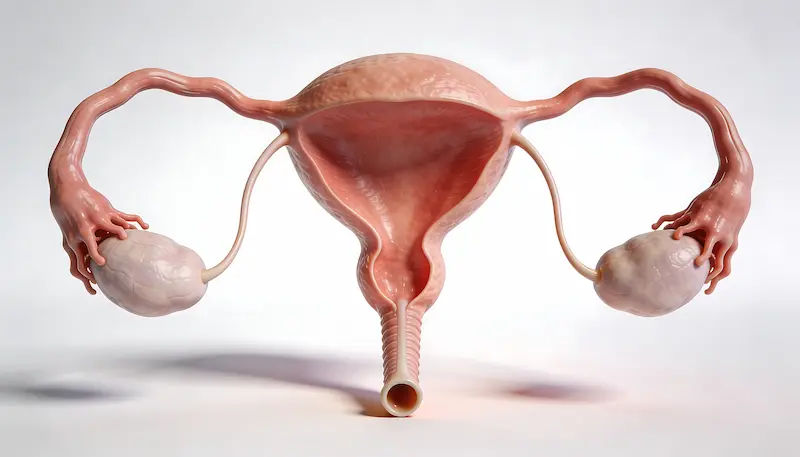
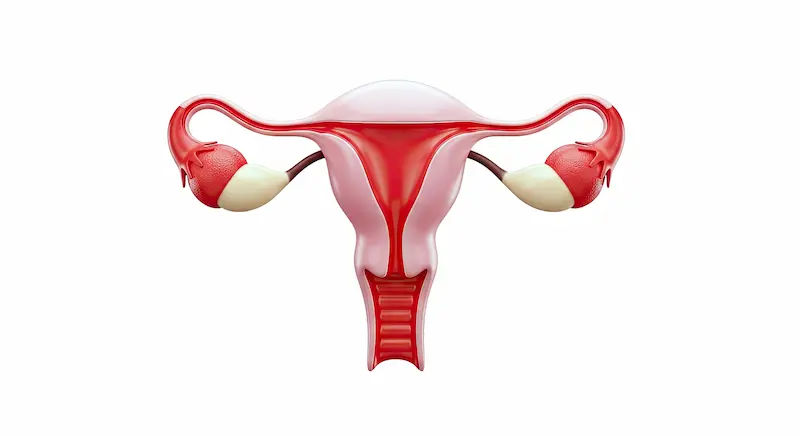
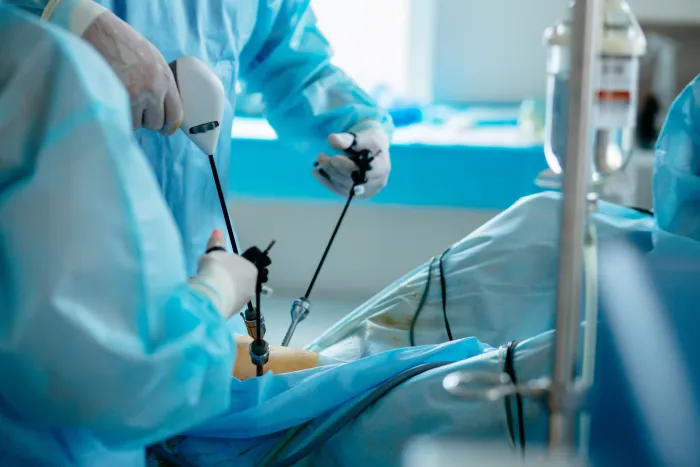
A robotic hysterectomy is a surgical procedure where the uterus (and sometimes the cervix, ovaries, or fallopian tubes) is removed using robot-assisted technology. The surgeon controls robotic arms with high precision, allowing for smaller incisions, less blood loss, and quicker recovery than traditional open surgery.
Why Is It Done?
Common reasons include:
Uterine fibroids (non-cancerous growths)
Endometriosis (tissue growing outside the uterus)
Heavy or painful periods
Uterine prolapse (when the uterus slips into the vaginal canal)
Gynaecologic cancers (in some cases)
Recovery Timeline After Robotic Hysterectomy
Recovery varies from person to person, but here’s a general timeline:
1. First 24-48 Hours (Hospital Stay)
You’ll likely stay in the hospital for 1-2 days.
You may experience mild pain, gas, or shoulder discomfort (from the gas used during surgery).
Walking short distances is encouraged to prevent blood clots.
2. First Week After Surgery
Pain & Discomfort: Managed with prescribed medications.
Rest: Avoid heavy lifting (nothing over 5-10 lbs).
Walking: Gentle movement helps recovery.
Work: Most people take 1-2 weeks off (depending on job demands).
3. 2-4 Weeks After Surgery
Gradual improvement in energy levels.
Light activities (like short walks) are fine.
No strenuous exercise, sex, or heavy lifting yet.
4. 4-6 Weeks After Surgery
Most women feel significantly better.
Doctor may clear you for normal activities, including exercise and sex.
Some may still feel mild fatigue. Listen to your body.
5. Full Recovery (6-8 Weeks or More)
Complete internal healing may take up to 3 months.
Follow-up with your doctor to ensure everything is healing well.
Consult Top Specialists for Personalised Tips
Tips for a Smooth Recovery
Some of the tips for smooth recovery are:
1. Follow Your Doctor’s Instructions
Take prescribed medications.
Avoid lifting heavy objects.
Keep the incision area clean and dry.
2. Eat a Healthy Diet
High-fibre foods (fruits, veggies, whole grains) to prevent constipation.
Drink plenty of water.
Avoid processed foods.
3. Move Gently but Stay Active
Short walks help prevent blood clots and improve circulation.
Avoid intense workouts until cleared by your doctor.
4. Get Enough Rest
Your body heals during sleep. Aim for 7-8 hours.
Take short naps if needed.
5. Watch for Warning Signs
Contact your doctor if you experience:
Fever (over 100.4°F)
Heavy bleeding (soaking a pad in an hour)
Severe pain not relieved by medication
Redness, swelling, or pus at the incision site
Difficulty breathing or chest pain
When Can You Return to Work?
Timelines for returning to specific types of work are:
Desk job: 1-2 weeks.
Physically demanding job: 4-6 weeks (or longer).
A hysterectomy can bring mixed emotions. Some women feel relief, while others may feel sadness. Talk to a counsellor or support group if needed.
Conclusion
Recovery from a robotic hysterectomy is generally faster and easier than traditional surgery, but it still requires patience and self-care. Most women feel much better within 4-6 weeks, but full recovery may take up to 3 months.
Consult Top Obstetrics and Gynaecology Surgeon
Consult Top Specialists for Personalised Tips

Dr. Bidisha Roy Choudhury
Obstetrician and Gynaecologist
17 Years • MBBS , DNB(Obstetrics & Gynaecology)
Bansdroni
Siddhita Healthcare., Bansdroni

Dr Chanda Chowdhury
Obstetrician and Gynaecologist
23 Years • MBBS, DNB (Obstetrics & Gynaecology)
Kolkata
Apollo Multispeciality Hospitals , Kolkata, Kolkata

(200+ Patients)

Dr. Srinka Mukherjee
Obstetrician and Gynaecologist
7 Years • MBBS, MS Obstetrics & Gynaecology
Kolkata
VDC Clinic, Kolkata

Dr. Srinka Mukherjee
Obstetrician and Gynaecologist
7 Years • Obstetrics & Gynaecology
Bansdroni
Siddhita Healthcare., Bansdroni

Dr. Sanjan Das
Obstetrician and Gynaecologist
15 Years • MBBS,MS
Bengaluru
Apollo Clinic, Sarjapur Road, Bengaluru
Consult Top Obstetrics and Gynaecology Surgeon
Dr. Bidisha Roy Choudhury
Obstetrician and Gynaecologist
17 Years • MBBS , DNB(Obstetrics & Gynaecology)
Bansdroni
Siddhita Healthcare., Bansdroni
Dr Chanda Chowdhury
Obstetrician and Gynaecologist
23 Years • MBBS, DNB (Obstetrics & Gynaecology)
Kolkata
Apollo Multispeciality Hospitals , Kolkata, Kolkata
(200+ Patients)
Dr. Srinka Mukherjee
Obstetrician and Gynaecologist
7 Years • MBBS, MS Obstetrics & Gynaecology
Kolkata
VDC Clinic, Kolkata
Dr. Srinka Mukherjee
Obstetrician and Gynaecologist
7 Years • Obstetrics & Gynaecology
Bansdroni
Siddhita Healthcare., Bansdroni
Dr. Sanjan Das
Obstetrician and Gynaecologist
15 Years • MBBS,MS
Bengaluru
Apollo Clinic, Sarjapur Road, Bengaluru