Is G Spot Removed During Hysterectomy?
Many wonder if the G-spot is removed during a hysterectomy. Learn about the anatomy involved in the surgery and how a hysterectomy typically affects—or doesn’t affect—sensation in the G-spot area.

Written by Dr. Mohammed Kamran
Reviewed by Dr. Rohinipriyanka Pondugula MBBS
Last updated on 3rd Mar, 2026

Introduction
If you're scheduled for a hysterectomy or have had one, you might have concerns about how it affects your sexual health—particularly regarding the G-spot. Let’s break this down in simple terms to help you understand what happens during the procedure and how it may (or may not) impact your intimate life.
Understanding the G-Spot
First, what exactly is the G-spot? The G-spot (Gräfenberg spot) is a sensitive area located inside the vagina, about 2-3 inches up the front wall. When stimulated, it can lead to intense pleasure and even female ejaculation in some women. However, its existence and exact location are still debated among researchers.
What Happens During a Hysterectomy?
A hysterectomy is a surgical procedure to remove the uterus (womb). Depending on the reason for surgery, different types may be performed:
Total Hysterectomy: Removal of the uterus and cervix.
Partial (Supracervical) Hysterectomy: Only the upper part of the uterus is removed, leaving the cervix.
Radical Hysterectomy: Removal of the uterus, cervix, part of the vagina, and surrounding tissues.
In some cases, the ovaries and fallopian tubes may also be removed (oophorectomy/salpingectomy).
Does a Hysterectomy Remove the G-Spot?
The short answer is no, the G-spot is not removed during a hysterectomy. Here’s why:
The G-spot is part of the vaginal wall, not the uterus.
Unless the surgery involves removing part of the vagina (as in radical hysterectomy for cancer), the G-spot remains intact.
Even if the cervix is removed (as in a total hysterectomy), the vaginal canal and its sensitive areas stay in place.
To Know More Consult Top Gynaecologists
Can a Hysterectomy Affect Sexual Pleasure?
While the G-spot itself isn’t removed, some women report changes in sexual function after a hysterectomy. Possible reasons include:
1. Hormonal Changes: If ovaries are removed, estrogen levels drop, which may affect vaginal lubrication and sensitivity.
2. Nerve Damage: Rarely, surgery may affect nerves that contribute to arousal.
3. Emotional Factors: Anxiety, depression, or body image concerns post-surgery can impact libido.
4. Physical Changes: Some women feel a difference in sensation due to the absence of the uterus during orgasm.
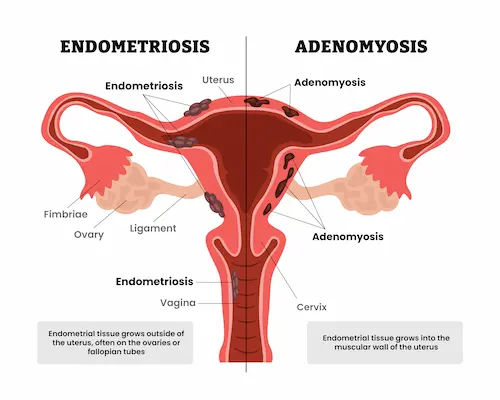
However, many women experience no change or even improved sexual satisfaction after recovery, especially if they had painful conditions (like fibroids or endometriosis) before surgery.
Tips for Maintaining Sexual Health After Hysterectomy
If you're concerned about intimacy after surgery, here are some ways to support your sexual well-being:
Communicate with Your Partner: Open discussions about fears and desires can reduce anxiety.
Use Lubrication: If dryness is an issue, water-based lubricants can help.
Pelvic Floor Exercises: Kegel exercises strengthen vaginal muscles, improving sensation.
Hormone Therapy (if needed): If ovaries were removed, discuss estrogen options with your doctor.
Take Time to Heal: Wait until fully recovered (usually 6-8 weeks) before resuming intercourse.
Explore Different Stimulation: If sensation changes, experiment with new ways to experience pleasure.
When to Seek Help?
Consult a gynecologist or sexual health specialist if you notice:
Persistent pain during sex
Loss of sensation that doesn’t improve
Emotional distress affecting intimacy
They can help identify the cause and suggest solutions.
Conclusion
A hysterectomy does not remove the G-spot, but it’s natural to have concerns about how surgery might affect your body. Most women adjust well with time, and many find relief from previous health issues. If you have specific worries, don’t hesitate to discuss them with your doctor.
If you're considering a hysterectomy or need post-surgery advice, Apollo 24|7 offers expert consultations. You can book an appointment easily online for personalised guidance.
Consult Top Gynaecologists
To Know More Consult Top Gynaecologists

Dr. Vidya Konduri
Obstetrician and Gynaecologist
14 Years • MS
Chinagadila
Apollo Hospitals Health City Unit, Chinagadila

(50+ Patients)

Dr. Asawari Kesari Kapoor
Obstetrician and Gynaecologist
23 Years • M.B.B.S, D.G.O(Mumbai) ,D.G.O (C.P.S), D.N.B (OBGY)
Delhi
Apollo Hospitals Indraprastha, Delhi
(25+ Patients)

Dr Shravya Manohar
Obstetrician and Gynaecologist
9 Years • MB,MS OBGYN ,MRCOG (Lon),FMAS
Chennai
Apollo Women Hospitals Thousand Lights, Chennai
(50+ Patients)

Dr Lekha K L
Obstetrician and Gynaecologist
15 Years • MBBS,DGO & DNB in Obstetrics and Gynecology
Angamaly
Apollo Hospitals Karukutty, Angamaly

Dr. Vishnu Vandana
Obstetrician and Gynaecologist
20 Years • DNB (OBGYN)
Chennai
Apollo Women Hospitals Thousand Lights, Chennai
(150+ Patients)
Consult Top Gynaecologists
Dr. Vidya Konduri
Obstetrician and Gynaecologist
14 Years • MS
Chinagadila
Apollo Hospitals Health City Unit, Chinagadila
(50+ Patients)
Dr. Asawari Kesari Kapoor
Obstetrician and Gynaecologist
23 Years • M.B.B.S, D.G.O(Mumbai) ,D.G.O (C.P.S), D.N.B (OBGY)
Delhi
Apollo Hospitals Indraprastha, Delhi
(25+ Patients)
Dr Shravya Manohar
Obstetrician and Gynaecologist
9 Years • MB,MS OBGYN ,MRCOG (Lon),FMAS
Chennai
Apollo Women Hospitals Thousand Lights, Chennai
(50+ Patients)
Dr Lekha K L
Obstetrician and Gynaecologist
15 Years • MBBS,DGO & DNB in Obstetrics and Gynecology
Angamaly
Apollo Hospitals Karukutty, Angamaly
Dr. Vishnu Vandana
Obstetrician and Gynaecologist
20 Years • DNB (OBGYN)
Chennai
Apollo Women Hospitals Thousand Lights, Chennai
(150+ Patients)