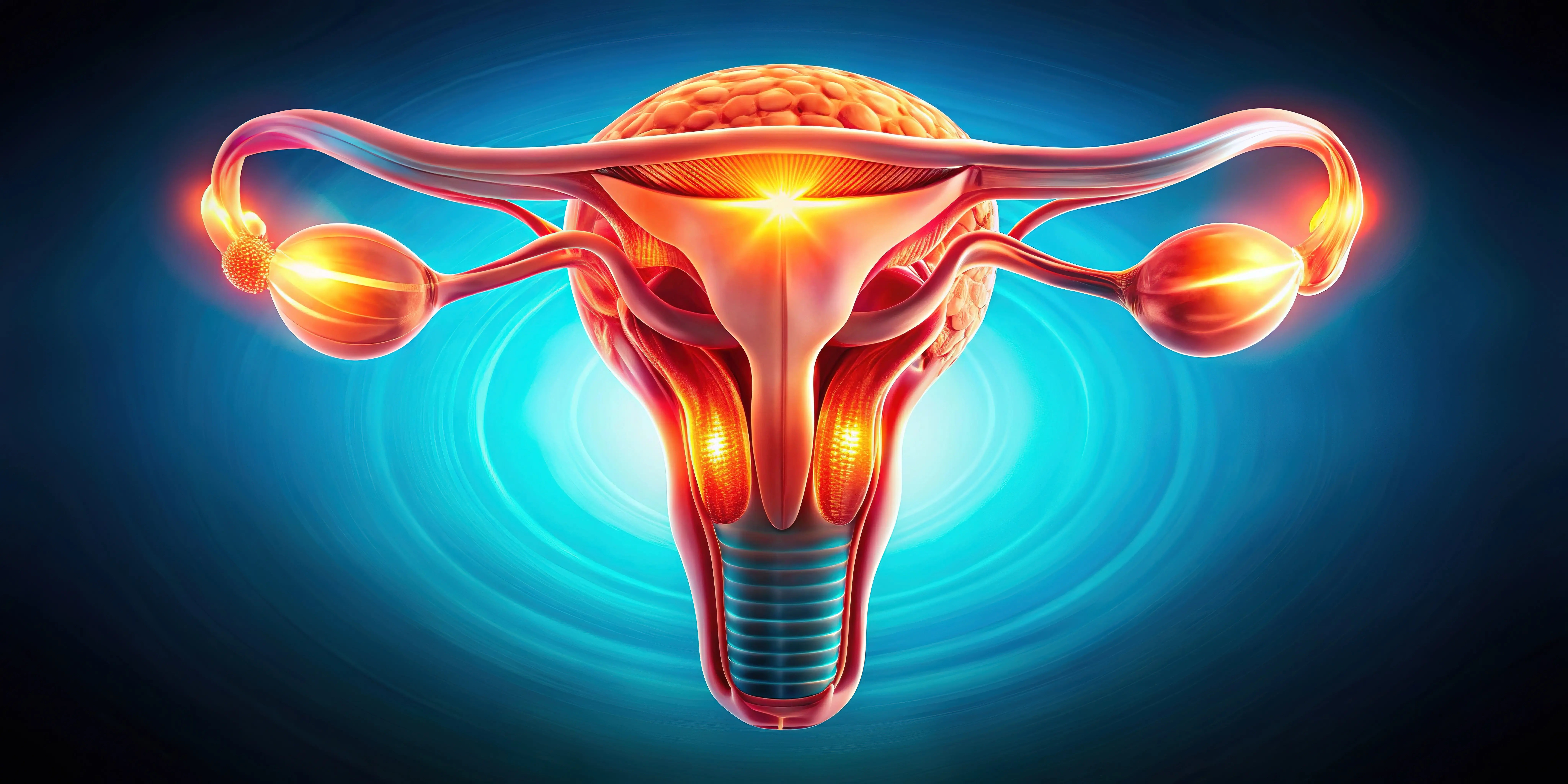
Treatment For Bladder Prolapse After Hysterectomy
Explore treatment options for bladder prolapse after a hysterectomy, including lifestyle changes, pelvic floor therapy, and surgical procedures.


Introduction
If you’ve recently had a hysterectomy (surgery to remove the uterus) and are experiencing discomfort, pressure, or a feeling of something "falling out" in your pelvic area, you might be dealing with bladder prolapse. This condition, also known as cystocele, occurs when the bladder drops into the vaginal space due to weakened pelvic floor muscles.
While it can be concerning, the good news is that bladder prolapse is treatable. Let’s explore what causes it, how to recognise the symptoms, and the best ways to manage or treat it.
What is Bladder Prolapse?
After a hysterectomy, the support structures that hold your pelvic organs in place may weaken over time. The bladder, which sits just above the vagina, can bulge downward into the vaginal wall, leading to a bladder prolapse (cystocele).
This condition is more common in women who:
Have had multiple vaginal deliveries
Are postmenopausal (due to lower estrogen levels weakening tissues)
Have a history of chronic coughing, heavy lifting, or obesity
Have had a hysterectomy (since the uterus no longer provides structural support)
Symptoms of Bladder Prolapse
Not all women with bladder prolapse experience symptoms, but when they do, they may notice:
A bulge or pressure in the vagina, especially when standing or straining
Difficulty emptying the bladder completely
Frequent urinary tract infections (UTIs)
Leakage of urine (stress incontinence) when coughing, sneezing, or laughing
Discomfort or pain during intercourse
A feeling of heaviness or pulling in the pelvis
If you experience any of these symptoms, it’s important to consult a doctor for proper evaluation.
Get Your Symptoms Checked
Treatment Options for Bladder Prolapse
The right treatment depends on the severity of your prolapse and how much it affects your daily life. Here are the most common approaches:
1. Non-Surgical Treatments (For Mild to Moderate Cases)
Pelvic Floor Exercises (Kegels)
Strengthening your pelvic floor muscles can help support the bladder and prevent further prolapse.
How to do Kegels: Tighten the muscles you use to stop urinating, hold for 5 seconds, then relax. Repeat 10-15 times, 3 times a day.
Pessary Use
A pessary is a small, removable device inserted into the vagina to support the bladder. It’s a good option for women who want to avoid surgery. Your doctor will fit the right size and teach you how to care for it.
Lifestyle Changes
Avoid heavy lifting (or use proper techniques if necessary).
Manage constipation (straining worsens prolapse). Eat fibre-rich foods and stay hydrated.
Maintain a healthy weight to reduce pressure on pelvic muscles.
Quit smoking (chronic coughing weakens pelvic muscles).
Hormone Therapy (For Postmenopausal Women)
Low estrogen can weaken vaginal tissues. Topical estrogen creams may help improve tissue strength.
2. Surgical Treatments (For Severe Cases)
If symptoms are severe and affect your quality of life, surgery may be recommended. Common procedures include:
Anterior Repair (Colporrhaphy)
The surgeon lifts and tightens the vaginal wall to support the bladder.
Often combined with other pelvic floor repairs if needed.
Mesh or Sling Procedures
A synthetic or biological mesh may be used to reinforce weakened tissues.
Discuss risks and benefits with your doctor.
Minimally Invasive (Laparoscopic or Robotic) Surgery
Smaller incisions, faster recovery.
Your doctor will help decide the best option based on your age, overall health, and severity of prolapse.
Can Bladder Prolapse Be Prevented?
While not all cases can be prevented, you can reduce your risk by:
Doing Kegel exercises regularly (even before symptoms appear).
Maintaining a healthy weight to avoid extra pelvic pressure.
Avoiding heavy lifting or straining.
Treating chronic coughs or constipation promptly.
When to See a Doctor?
If you notice:
A visible bulge in the vagina
Persistent discomfort or pain
Difficulty urinating or frequent UTIs
Worsening symptoms despite lifestyle changes
Apollo 24|7 offers expert consultations and diagnostic tests for pelvic health issues. You can easily book an appointment online for personalised care.
Conclusion
Bladder prolapse after hysterectomy can be uncomfortable, but with the right treatment—whether through pelvic exercises, pessaries, or surgery—you can regain comfort and confidence. The key is early detection and proactive management.
If you suspect you have bladder prolapse, don’t hesitate to seek medical advice. Your health and well-being matter!
Consult Top Gynecologists
Get Your Symptoms Checked

Dr. Bidisha Roy Choudhury
Obstetrician and Gynaecologist
17 Years • MBBS , DNB(Obstetrics & Gynaecology)
Bansdroni
Siddhita Healthcare., Bansdroni

Dr Chanda Chowdhury
Obstetrician and Gynaecologist
23 Years • MBBS, DNB (Obstetrics & Gynaecology)
Kolkata
Apollo Multispeciality Hospitals , Kolkata, Kolkata

(200+ Patients)

Dr. Srinka Mukherjee
Obstetrician and Gynaecologist
7 Years • Obstetrics & Gynaecology
Bansdroni
Siddhita Healthcare., Bansdroni

Dr. Sanjan Das
Obstetrician and Gynaecologist
15 Years • MBBS,MS
Bengaluru
Apollo Clinic, Sarjapur Road, Bengaluru

Dr. Saheli Kapat
Obstetrician and Gynaecologist
11 Years • MBBS, DNB Obstetrics & Gynaecology,FMAS(Fellowship in Minimal access surgery)
Kolkata
MCR SUPER SPECIALITY POLY CLINIC & PATHOLOGY, Kolkata
Consult Top Gynecologists
Dr. Bidisha Roy Choudhury
Obstetrician and Gynaecologist
17 Years • MBBS , DNB(Obstetrics & Gynaecology)
Bansdroni
Siddhita Healthcare., Bansdroni
Dr Chanda Chowdhury
Obstetrician and Gynaecologist
23 Years • MBBS, DNB (Obstetrics & Gynaecology)
Kolkata
Apollo Multispeciality Hospitals , Kolkata, Kolkata
(200+ Patients)
Dr. Srinka Mukherjee
Obstetrician and Gynaecologist
7 Years • Obstetrics & Gynaecology
Bansdroni
Siddhita Healthcare., Bansdroni
Dr. Sanjan Das
Obstetrician and Gynaecologist
15 Years • MBBS,MS
Bengaluru
Apollo Clinic, Sarjapur Road, Bengaluru
Dr. Saheli Kapat
Obstetrician and Gynaecologist
11 Years • MBBS, DNB Obstetrics & Gynaecology,FMAS(Fellowship in Minimal access surgery)
Kolkata
MCR SUPER SPECIALITY POLY CLINIC & PATHOLOGY, Kolkata