


10 Best Bedtime Foods & Drinks
Struggling to sleep? Discover 10 best bedtime foods for sleep, easy snack ideas, what to avoid, FAQs, and trusted medical sources to guide you.

Written by Dr. Md Yusuf Shareef
Reviewed by Dr. Shaik Abdul Kalam MD (Physician)
Last updated on 17th Feb, 2026

Introduction
If you have ever wondered what to eat before bed, you are not alone. Many people look for simple, natural bedtime foods for sleep that help them unwind and drift off comfortably. While no food can cure insomnia or replace medical care for sleep disorders, certain evening choices can support your body’s natural rhythms. The right snack can gently nudge your system towards rest by providing calming nutrients, steady energy, and a soothing wind-down ritual.
Bedtime eating is not about restricting yourself but choosing foods that work with your sleep cycle rather than against it. Some foods contain nutrients linked with melatonin and serotonin production, while others help relax muscles or stabilise blood sugar levels overnight. This guide explores the most effective bedtime foods for sleep, how they may work, when to eat them, what to avoid, and practical tips for building a relaxing evening routine.
Consult a Top Nutritionist for Personalised Advice
Why Bedtime Foods for Sleep Can Help?
Bedtime foods for sleep can help as:
- Certain foods contain nutrients connected to sleep regulation, such as tryptophan, magnesium, calcium, and vitamin D.
- A small, calming snack can signal to your body that it is time to slow down.
- Light, balanced snacks support steadier blood sugar levels through the night.
Good to Know
Good to know information includes:
- Keep your evening snack light and eat it within 1–2 hours before bed.
- Choose a balanced snack that includes complex carbohydrates and a small amount of protein or healthy fat.
- Reduce foods and drinks that disrupt sleep, such as caffeine, alcohol, and large, spicy meals.
The 10 Best Bedtime Foods and Drinks
The 10 best bedtime foods and drinks include:
1) Kiwi
Kiwi is naturally rich in antioxidants, including vitamin C, and contains serotonin, a chemical involved in sleep regulation. Early studies suggest kiwi may help improve sleep quality and reduce the time it takes to fall asleep. Its refreshing taste and light texture make it an easy bedtime option for many people.
How to Try It?
- Eat 1–2 ripe kiwis around an hour before bed.
- Pair kiwi with a few spoonfuls of yoghurt for a soothing, creamy snack.
Note: People with oral allergy syndrome or latex allergies should consult a clinician before eating kiwi.
2) Tart Cherry Juice (Unsweetened)
Tart cherries naturally contain melatonin, the hormone that signals sleepiness to the brain. Research exploring tart
cherry juice shows potential benefits for adults, including those experiencing mild insomnia, although findings vary.
How to Try It?
- Drink 4–8 oz of unsweetened tart cherry juice 1–2 hours before bed.
- If you monitor your blood sugar, consider a smaller serving or mix with water.
Note: Choose unsweetened juice to avoid excessive sugar close to bedtime.
3) Warm Milk
Warm milk is often associated with comfort and relaxation. It contains tryptophan and calcium, both connected to
melatonin production. The warmth itself can be soothing and may help signal your body to prepare for sleep.
How to Try It?
- Warm 1 cup of milk or fortified soy milk and add a pinch of cinnamon.
- If you are sensitive to dairy, choose lactose-free varieties or fortified soy milk.
Note: Avoid chocolate milk at night, as cocoa contains caffeine.
4) Yoghurt or Cottage Cheese with Fruit
Dairy foods provide calcium and protein, helping you feel nourished but not overly full. Adding fruit such as a banana
or berries creates a balanced snack that supplies carbs, natural sweetness, and additional sleep-supportive nutrients.
How to Try It?
- Enjoy half a cup of plain yoghurt or cottage cheese with sliced fruit.
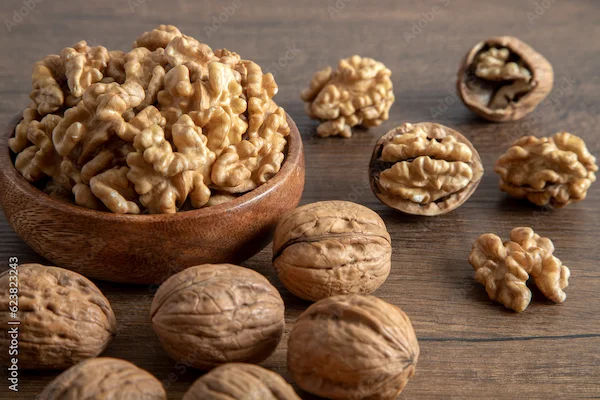
- Add a sprinkle of oats or chopped walnuts for additional texture.
Note: Choose low-sugar or unsweetened versions to avoid unnecessary sugar.
5) Almonds
Almonds contain magnesium, a mineral linked to muscle relaxation and healthy sleep patterns. They also provide
healthy fats, fibre, and protein, which can help maintain steady energy levels overnight.
How to Try It?
- Eat a small handful of unsalted almonds.
- Sprinkle almonds onto oatmeal or yoghurt for a calming evening bowl.
Note: Nuts are calorie-dense, so keep portions moderate.
6) Pistachios
Pistachios naturally contain melatonin, along with healthy fats, plant compounds, and essential nutrients. They offer a
satisfying crunch and pair well with other bedtime foods.
How to Try It?
- Enjoy a small handful of shelled pistachios.
- Combine pistachios with dried tart cherries for a simple sleep-friendly trail mix.
Note: Choose unsalted varieties to avoid nighttime thirst.
7) Oatmeal
Oats contain complex carbohydrates, which help transport tryptophan into the brain. A warm bowl of oatmeal can feel
naturally comforting, especially when paired with calming ingredients.
How to Try It?
- Prepare half a cup of cooked oats with warm milk, cinnamon, and banana slices.
- Add a small spoonful of nut butter for protein and richness.
Note: Avoid large portions or sugary toppings, which may disrupt sleep.
8) Bananas
Bananas offer magnesium, potassium, and carbohydrates, all of which help relax muscles and support stable energy. Their natural sweetness also makes them an appealing late-night snack.
How to Try It?
- Eat one small banana with a teaspoon of peanut butter.
- Add banana slices to warm milk or oatmeal.
Note: People managing diabetes should pair bananas with protein or fat and watch portion size.
9) Chamomile Tea (Caffeine-Free)
Chamomile tea has a long tradition of use for calming and relaxation. Some research indicates it may modestly
improve sleep quality for certain individuals. Sipping a warm, caffeine-free beverage can also help create a peaceful
evening routine.
How to Try It?
- Drink a cup of chamomile tea 30–60 minutes before bed.
- Add a small amount of honey if you prefer a touch of sweetness.
Note: Chamomile may interact with blood-thinning medications and can trigger allergies in those sensitive to ragweed.
10) Whole-Grain Toast with Peanut Butter
This snack combines complex carbohydrates and healthy fats, offering gentle satisfaction without heaviness. It is quick
to prepare and can help prevent waking from hunger.
How to Try It?
- Spread one teaspoon of nut butter on a small slice of whole-grain toast.
- Add banana slices or cinnamon for extra flavour.
Note: People with reflux should avoid lying down immediately after eating.
How to Use Bedtime Foods for Sleep
How to use these foods:
Time It Right
- Have your snack 1–2 hours before bed to avoid indigestion or discomfort.
Keep It Small
- Aim for a snack of roughly 150–250 calories.
Build a Soothing Ritual
- Dim the lights, reduce screen use, and combine your snack with calming activities such as reading or listening to soft
music.
Personalise Your Routine
- Keep a sleep diary to track how different foods affect your sleep quality and comfort.
What to Limit or Avoid Before Bed?
Foods to limit include:
Caffeine
- Coffee, tea, chocolate, and energy drinks can interfere with sleep for several hours.
Alcohol
- Alcohol may make you feel sleepy initially, but disrupts deep sleep later in the night.
Large, Spicy, or High-Fat Meals
- These can cause indigestion or reflux close to bedtime.
Excess Fluids
- Drinking too much can lead to nighttime bathroom trips.
Nicotine
- Nicotine stimulates the nervous system and can reduce overall sleep quality.
Simple Bedtime Snack Ideas
Bedtime snack ideas are:
- Kiwi with a small serving of plain yoghurt
- Warm oatmeal with milk, cinnamon, and banana slices
- Whole-grain toast with peanut butter
- A handful of pistachios or almonds with a few dried cherries
- Tart cherry juice with a small oat cracker
Safety and When to See a Clinician
Safety tips include:
Ongoing Sleep Trouble
- If you experience frequent insomnia, snoring, gasping during sleep, or daytime sleepiness, consult a healthcare provider.
Medications and Conditions
- People taking sedatives, blood thinners, or managing conditions such as diabetes, reflux, kidney disease, or during
pregnancy should discuss snack choices with a clinician.
Supplements
- Food should be the first step. If you are considering melatonin or magnesium supplements, ask your clinician about safety and dosing.
Key Takeaways
- Bedtime foods work best when paired with healthy sleep habits.
- Choose small, calming snacks rich in magnesium, calcium, or complex carbohydrates.
- Avoid caffeine, alcohol, and heavy meals close to bedtime.
- Seek medical guidance if sleep problems persist.
Consult a Top Nutritionist for Personalised Advice
Consult a Top Nutritionist for Personalised Advice

Dr Sumanth R
General Physician
2 Years • MBBS
Bengaluru
PRESTIGE SHANTHINIKETAN - SOCIETY CLINIC, Bengaluru

Dr. Ramalinga Reddy
General Physician
5 Years • MBBS MD General medicine
Bengaluru
PRESTIGE SHANTHINIKETAN - SOCIETY CLINIC, Bengaluru

Dt. Ila Sharma
Clinical Nutritionist
18 Years • Master in food & Nutrition
Gurugram
VIPUL GREENS - SOCIETY CLINIC, Gurugram

Ms. Bhavana Shetty
Dietician
7 Years • DDHN & Masters in Clinical Nutrition & Dietetics
Bangalore
Apollo Sugar Clinic, Seetha circle bangalore, Bangalore
Ms. Lakshmi Tejasvi
Clinical Nutritionist
14 Years • M.Sc - Clinical Nutrition
Hyderabad
Vibgyor Nutri, Hyderabad
Consult a Top Nutritionist for Personalised Advice
Dr Sumanth R
General Physician
2 Years • MBBS
Bengaluru
PRESTIGE SHANTHINIKETAN - SOCIETY CLINIC, Bengaluru
Dr. Ramalinga Reddy
General Physician
5 Years • MBBS MD General medicine
Bengaluru
PRESTIGE SHANTHINIKETAN - SOCIETY CLINIC, Bengaluru
Dt. Ila Sharma
Clinical Nutritionist
18 Years • Master in food & Nutrition
Gurugram
VIPUL GREENS - SOCIETY CLINIC, Gurugram
Ms. Bhavana Shetty
Dietician
7 Years • DDHN & Masters in Clinical Nutrition & Dietetics
Bangalore
Apollo Sugar Clinic, Seetha circle bangalore, Bangalore
Ms. Lakshmi Tejasvi
Clinical Nutritionist
14 Years • M.Sc - Clinical Nutrition
Hyderabad
Vibgyor Nutri, Hyderabad
More articles from General Medical Consultation


Frequently Asked Questions
1) What is the best time to eat before bed?
Most people sleep best when they have a light snack about one to two hours before bedtime. Eating too close to lying down may cause discomfort, whereas going to bed hungry can disrupt sleep. A gentle balance helps support a calmer night.
2) Do I need special sleep foods, or will any small snack work?
You do not need specialised sleep products, as many simple whole foods can support rest. Snacks that mix complex carbohydrates with a little protein or healthy fat work well for most people. Certain foods, such as kiwi or tart cherry juice, have more research behind them.
3) Is chamomile tea safe to drink every night?
Chamomile tea is generally safe for most adults and can be a soothing addition to a bedtime routine. People with ragweed allergies or those taking blood thinners should check with their clinician first. It is otherwise a gentle, calming choice.
4) Will eating at night make me gain weight?
Small, nutrient-dense snacks usually fit comfortably within a balanced diet. Weight gain is more strongly influenced by overall daily intake rather than a single evening snack. Choosing whole foods and mindful portions helps maintain balance.
5) What else, besides food, helps improve sleep?
Good sleep habits play an essential role, including maintaining a regular sleep schedule and reducing evening screen time. Creating a peaceful environment with dim lighting and a cool room also supports rest. Limiting caffeine and alcohol makes a noticeable difference.