How to Maintain a Healthy Heart
Know how to maintain a healthy heart, why it matters, key steps for a good heart, which tells you the reason and more.

Written by Dr. Vasanthasree Nair
Reviewed by Dr. D Bhanu Prakash MBBS, AFIH, Advanced certificate in critical care medicine, Fellowship in critical care medicine
Last updated on 13th Jan, 2026

Introduction
Your heart is one of the most vital organs in your body, tirelessly pumping blood to keep you alive and active. Taking care of your heart is essential for a long, healthy, and fulfilling life. The good news? Simple lifestyle changes can significantly improve heart health and reduce the risk of heart disease.
In this article, we’ll explore practical ways to keep your heart strong and healthy, along with tips on diet, exercise, and stress management.
Why Heart Health Matters?
Heart disease is a leading cause of death worldwide, but many cases are preventable. A healthy heart ensures proper blood circulation, supplying oxygen and nutrients to every part of your body. Poor heart health can lead to conditions like:
High blood pressure (hypertension)
Coronary artery disease (blocked arteries)
Heart attack
Stroke
The good news is that small, consistent changes in your daily routine can make a big difference in preventing these problems.
Consult a cardiologist for the best advice
Key Steps to a Healthy Heart
1. Eat a Heart-Healthy Diet
What you eat directly impacts your heart. Here’s how to make better food choices:
Load Up on Fruits & Vegetables – They are rich in fibre, vitamins, and antioxidants that protect your heart.
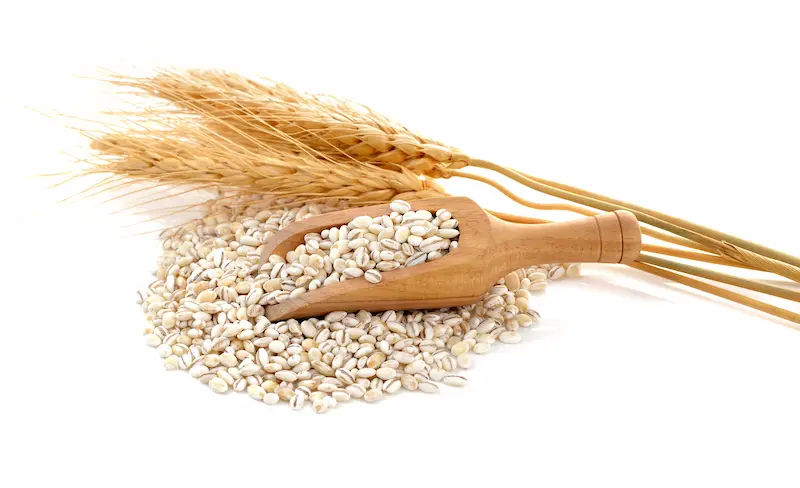
Choose Whole Grains – Opt for brown rice, whole wheat, oats, and quinoa instead of refined grains.
Include Healthy Fats – Unsaturated fats (found in nuts, seeds, olive oil, and fatty fish like salmon) help lower bad cholesterol (LDL).
Reduce Salt & Sugar – Excess salt raises blood pressure, while too much sugar contributes to weight gain and diabetes.
Limit Processed & Fried Foods – These often contain unhealthy trans fats that clog arteries.
2. Stay Active & Exercise Regularly
Physical activity strengthens your heart, improves circulation, and helps maintain a healthy weight. Aim for:
At least 150 minutes of moderate exercise per week (like brisk walking, cycling, or swimming).
Strength training twice a week to improve muscle and metabolism.
Simple daily movements – Take the stairs, walk instead of driving short distances, or do household chores.
3. Maintain a Healthy Weight
Being overweight increases the risk of high blood pressure, diabetes, and heart disease. If you need to lose weight, focus on:
Balanced meals (portion control + nutritious foods).
Regular exercise (even 30 minutes a day helps).
Avoiding crash diets – Slow, steady weight loss is more sustainable.
4. Quit Smoking & Limit Alcohol
Smoking and alcohol should be avoided or limited because:
Smoking damages blood vessels, raises blood pressure, and increases heart attack risk. Quitting smoking is one of the best things you can do for your heart.
Excessive alcohol weakens the heart muscle and raises blood pressure. If you drink, limit it to one drink per day for women and two for men.
5. Manage Stress & Sleep Well
Chronic stress and poor sleep harm your heart by increasing blood pressure and inflammation. Try these tips:
Practice relaxation techniques (deep breathing, meditation, yoga).
Get 7-8 hours of quality sleep nightly.
Stay socially connected – Talking to friends and family reduces stress.
6. Monitor Your Health Regularly
Regular check-ups help detect heart risks early. Keep track of:
Blood pressure (should be below 120/80 mmHg).
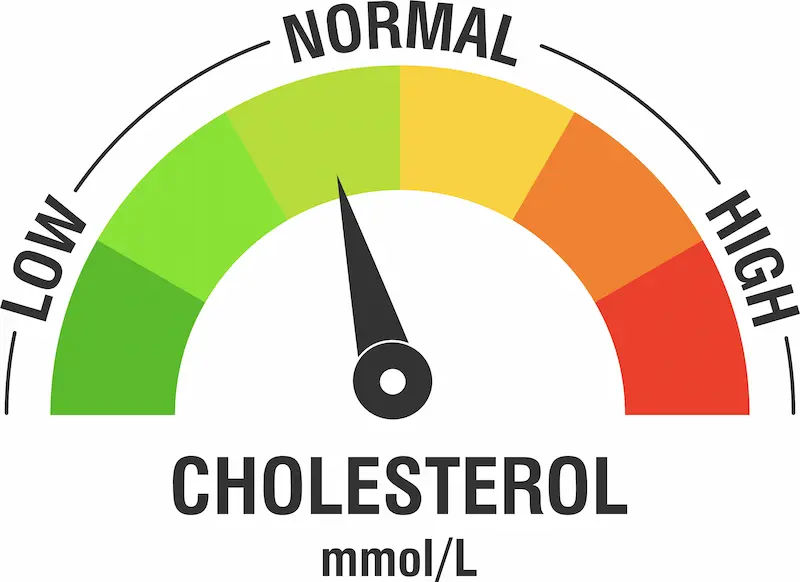
Cholesterol levels (high LDL cholesterol is harmful).
Blood sugar levels (to prevent diabetes-related heart issues).
If you have a family history of heart disease or existing conditions like diabetes, regular screenings are crucial.
When to See a Doctor?
Consult a doctor if you experience:
Chest pain or discomfort
Shortness of breath
Dizziness or fainting
Irregular heartbeat
Severe fatigue
Early detection and treatment can prevent serious complications.
Final Thoughts
A healthy heart is within your reach with the right habits. Small, consistent changes in diet, exercise, and lifestyle can significantly reduce heart disease risks. Start today, your heart will thank you!
Consult a cardiologist for the best advice
Consult a cardiologist for the best advice

Dr. Jayesh Prajapati
Cardiologist
19 Years • MBBS, MD(MED), DM(Cardio)
Ahmedabad
Apollo Hospitals Gandhinagar, Ahmedabad

(50+ Patients)

Dr Ravi Kanth T
Cardiologist
7 Years • MD, DM, PDF
Visakhapatnam
Apollo Hospitals Ramnagar Vizag, Visakhapatnam

Dr. Lal Daga
Cardiologist
20 Years • MBBS, DNB [MED], DNB [CARDIO], FESC [INT], MNAMS
Ahmedabad
Apollo Hospitals Gandhinagar, Ahmedabad

Dr. Pramod Kumar K P
Cardiologist
29 Years • MBBS, MD, DM (Cardio)
Chennai
Apollo Hospitals Greams Road, Chennai
(175+ Patients)

Dr Sundaram C
Cardiologist and Electrophysiologist
10 Years • M.B.B.S, M.D (General Medicine) D.M (Cardiology)
Tiruchirappalli
Apollo Speciality Hospitals Old Palpannai, Tiruchirappalli