


Vacha (Sweet Flag): Ayurveda Benefits, Uses & Effects
Learn Vacha benefits of the sweet flag herb: Ayurveda for memory, uses, safety, side effects, and evidence. Get clear, trusted guidance before you try.

Written by Dr. J T Hema Pratima
Reviewed by Dr. Dhankecha Mayank Dineshbhai MBBS
Last updated on 14th Jan, 2026
Introduction
Herbal remedies are getting a lot of attention, especially for brain health and digestion. One traditional plant that often comes up is Vacha, also known as sweet flag (Acorus calamus). In Ayurveda, Vacha has long been valued for sharpening the mind and supporting speech and digestion, so you may see it recommended as Ayurveda for memory. But what do we really know about Vacha benefits, how to use the sweet flag herb safely, and what the science says?
This guide gives you a clear, evidence-aware overview. You’ll learn what Vacha is, how it’s traditionally used, what current research and safety data show, who should avoid it, and practical, science-backed ways to support your memory and overall wellbeing.
What Is Vacha (Sweet Flag)?
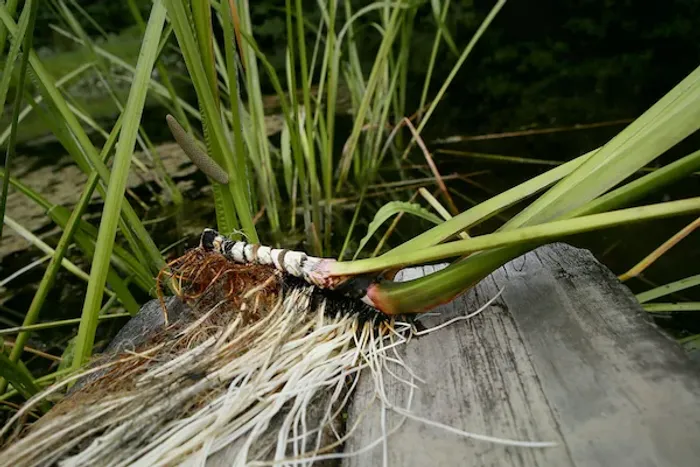
Vacha is the Sanskrit name for Acorus calamus, a wetland plant with sword-shaped leaves and a fragrant rhizome (underground stem). It’s commonly called sweet flag due to its pleasant aroma. In Ayurveda and other traditional systems, the dried rhizome has been used for centuries.
Important background about sweet flag herb:
- Plant parts used: Primarily the rhizome (sometimes called calamus root).
- Traditional actions: Described as warming, aromatic, and supportive for digestion and respiratory congestion in many herbal traditions. In Ayurveda, it’s classically associated with clarity of mind and speech.
- Different varieties exist: Some plant populations contain high levels of a natural compound called betaasarone, while others contain very little to none. This matters for safety.
Vacha In Ayurveda: Traditional Uses
In Ayurvedic practice, Vacha is traditionally used:
- For cognition and clarity (sometimes referenced in the context of memory and speech)
- As a digestive support (aromatic “carminative” traditions)
- For respiratory congestion (as an aromatic herb in some formulations)
It’s essential to distinguish traditional use from modern clinical evidence. While historical use is valuable context, it does not prove effectiveness for specific medical conditions.
What Does Research Say About Vacha Benefits?
When you see claims online about Vacha benefits, especially for memory, remember that human research is limited. Here’s what reputable reviews and monographs emphasise:
- Evidence quality: Modern, high-quality clinical trials in humans are scarce. Most information comes from traditional use, laboratory studies, or animal research. This means we cannot confidently claim proven benefits for memory, digestion, or other conditions in people at this time.
- Safety drives recommendations: Because certain varieties of Acorus calamus contain betaasarone (linked to cancer in animal studies), regulators emphasize safety considerations for internal use.
Consult a Top General Physician
Ayurveda For Memory: What Does Science Say?
Exploring the scientific evidence supporting Ayurvedic practices for enhancing memory and cognitive function:
- Traditional texts link Vacha with mental clarity, but well-designed human studies confirming memory enhancement are lacking.
- Large health organizations emphasize that many “brainboosting” supplements do not have strong human evidence and that lifestyle factors remain the most reliable ways to protect memory.
Digestive And Other Uses
- Historically used as an aromatic digestive aid, but modern clinical confirmation is limited.
- External or topical uses (e.g., in oils) exist in traditional practice, but these should not be confused with evidence-based medical treatment.
Bottom line: The sweet flag herb has a long tradition of use, including in Ayurveda for memory, but robust human evidence is limited, and safety issues require special caution.
How do People Use The Sweet Flag Herb?
People primarily use sweet flag (Acorus calamus) for its historical medicinal properties, particularly in traditional systems for aiding digestion and calming the nerves.
Forms You Might See
- Dried rhizome powder or cut pieces for teas or pastes
- Tinctures or extracts (alcohol or water-based)
- Essential oil (highly concentrated; not for internal use)
Key Considerations
- Internal use is restricted or discouraged in some regions because of betaasarone concerns. In the United States, calamus and its oil are not permitted as food additives.
- If you consider any internal preparation, consult a qualified clinician. Ask specifically about b
- taasarone content and quality testing. Products derived from plant varieties with little to no betaasarone may be considered safer, but professional guidance is still important.
- Essential oils should not be ingested. Concentrated oils can carry a greater risk and may irritate skin; use only as directed by a qualified professional.
Safety, Side Effects, And Interactions
Safety is the most important topic when discussing Vacha.
What Regulators And Monographs Highlight?
- Betaasarone: Some Acorus calamus varieties contain betaasarone, a compound that has caused cancer in animal studies at certain exposures. Due to these findings, the U.S. Food and Drug
- Administration (FDA) prohibits calamus and its derivatives as food additives. Safety concerns are also reflected in international herbal monographs.
- Not all plants are the same: Certain plant types contain little to no betaasarone, while others contain higher amounts. Most over-the-counter products do not clearly disclose plant type or betaasarone levels unless they are specifically tested and labeled.
Possible Side Effects
- Gastrointestinal upset (nausea, vomiting) has been reported with some preparations.
- Essential oil and strong extracts may cause skin irritation if applied topically.
- Because of possible effects on the central nervous system, combining Vacha with sedatives or other CNS-active medications could pose risks. Data are limited, so medical guidance is essential.
Who Should Avoid Vacha?
- Pregnancy and breastfeeding: Avoid. Safety is not established, and potential risks outweigh uncertain benefits.
- Children: Avoid due to limited safety data.
- People with chronic conditions or on multiple medications: Talk to your healthcare professional first. This includes those with neurological conditions, liver disease, or anyone taking medications that affect the brain or are metabolized by the liver.
Quality And Sourcing Tips
- Look for products that disclose botanical identity (Acorus calamus), plant part (rhizome), and testing for betaasarone content.
- Prefer brands with independent, third-party testing for purity and contaminants.
- Avoid ingesting essential oils and avoid any product that does not clearly state safety testing.
Practical Advice: Safer, Evidence-based Ways To Support Memory
While the tradition of Vacha in Ayurveda for memory is interesting, leading medical organizations emphasize proven lifestyle strategies to support brain health:
- Move your body regularly: Aerobic and strength activities support brain blood flow and cognitive function.
- Protect your sleep: 7–9 hours of quality sleep helps memory consolidation.
- Eat for your brain: Mediterranean-style and plant-forward dietary patterns are linked with better cognitive outcomes.
- Manage cardiovascular risks: Control blood pressure, diabetes, and cholesterol, what’s good for your heart is good for your brain.
- Stay mentally and socially active: Learning, problem-solving, and meaningful social connections support cognitive resilience.
- Don’t smoke; limit alcohol: Both can harm brain health over time.
These steps have stronger evidence than most supplements and come with broad health benefits.
How To Talk With Your Clinician Or Ayurvedic Practitioner?
If you’re considering Vacha:
- Share your goals (e.g., focus, memory, digestion) and your full medication/supplement list.
- Ask about risks, betaasarone content, and safer alternatives with better evidence.
- Discuss a plan to monitor for side effects.
- If you’re pregnant, breastfeeding, managing chronic illness, or caring for a child, ask for safer, evidence-based options instead of Vacha.
Consult a Top General Physician
Consult a Top General Physician

Dr. Meenakshi N
Family Physician
28 Years • MBBS DNB family medicine MPH FIMSA MNAMS
Noida
Apollo Hospitals Sector 26, Noida

Dr. Zulkarnain
General Physician/ Internal Medicine Specialist
8 Years • MBBS, Fellowship in Family Medicine
Bengaluru
Apollo Clinic, Indiranagar, Bengaluru

(25+ Patients)

Dr. Zulkarnain
General Physician
2 Years • MBBS, PGDM, FFM
Bengaluru
PRESTIGE SHANTHINIKETAN - SOCIETY CLINIC, Bengaluru

Dr. Sudhashree R
General Physician/ Internal Medicine Specialist
13 Years • MBBS, MRCEM
Bengaluru
Apollo Clinic, JP nagar, Bengaluru

Dr. Divyashree K
General Physician/ Internal Medicine Specialist
5 Years • MBBS
Bengaluru
Apollo Clinic, JP nagar, Bengaluru
Consult a Top General Physician
Dr. Meenakshi N
Family Physician
28 Years • MBBS DNB family medicine MPH FIMSA MNAMS
Noida
Apollo Hospitals Sector 26, Noida
Dr. Zulkarnain
General Physician/ Internal Medicine Specialist
8 Years • MBBS, Fellowship in Family Medicine
Bengaluru
Apollo Clinic, Indiranagar, Bengaluru
(25+ Patients)
Dr. Zulkarnain
General Physician
2 Years • MBBS, PGDM, FFM
Bengaluru
PRESTIGE SHANTHINIKETAN - SOCIETY CLINIC, Bengaluru
Dr. Sudhashree R
General Physician/ Internal Medicine Specialist
13 Years • MBBS, MRCEM
Bengaluru
Apollo Clinic, JP nagar, Bengaluru
Dr. Divyashree K
General Physician/ Internal Medicine Specialist
5 Years • MBBS
Bengaluru
Apollo Clinic, JP nagar, Bengaluru
More articles from General Medical Consultation


_0.webp)
Frequently Asked Questions
What is Vacha and what is it used for?
Vacha (Acorus calamus), also called sweet flag, is a wetland plant whose rhizome is used in traditional systems like Ayurveda. Traditionally, it’s been used for mental clarity, speech, digestion, and respiratory congestion. Modern human evidence for specific benefits is limited, and safety needs careful attention.
Does Vacha improve memory?
Ayurvedic tradition associates Vacha with mental clarity and memory, but high-quality human studies are lacking. Major medical organizations caution that most “memory supplements” have limited evidence. Lifestyle measures, exercise, sleep, healthy diet, and risk factor control, are better supported by research.
Is sweet flag safe to take by mouth?
Safety depends on plant type, preparation, and dose. Some varieties contain betaasarone, linked to cancer in animal studies. The U.S. FDA bans calamus and its derivatives as food additives. Do not ingest essential oil. If you’re considering any internal use, consult a qualified clinician and choose products tested to be low or free of betaasarone.
Who should avoid Vacha?
Avoid pregnancy and breastfeeding, and avoid giving it to children. People with chronic conditions or those taking CNS-active medications should seek medical advice before use. Given safety uncertainties, many people may be better served by proven, lower-risk approaches.
How do I choose a Vacha product if I still want to try it?
Acorus calamus (rhizome) must be tested by a third party for documented beta-asarone content. Avoid essential oils for internal use. Work with a licensed healthcare professional and monitor for side effects.