



Ajwain Benefits: Uses, Dosage & Side Effects Guide
Discover ajwain benefits for digestive health. Learn uses, dosage, and side effects of carom seeds. Evidence-based tips, safety advice, and FAQs.

Written by Dr. Siri Nallapu
Reviewed by Dr. D Bhanu Prakash MBBS, AFIH, Advanced certificate in critical care medicine, Fellowship in critical care medicine
Last updated on 18th Feb, 2026
Introduction
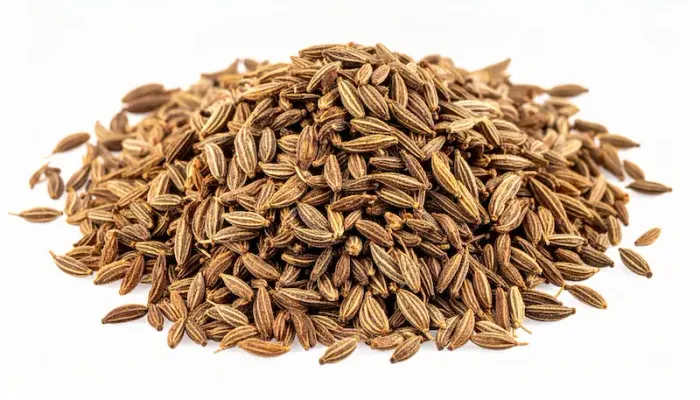
If you’ve ever been told to chew a pinch of ajwain after a heavy meal, you’re not alone. Ajwain (also called carom seeds) has been used in home kitchens and traditional medicine for centuries to ease common stomach complaints. But what does the science say? In this simple, trustworthy guide, you’ll learn about potential ajwain benefits, how to use it for digestive health, safe amounts to try, and possible side effects—so you can decide whether it fits your routine.
Consult a Top Nutritionist for Personalised Advice
What is Ajwain (Carom Seeds)?
The basics of ajwain are:
- Botanical name: Trachyspermum ammi
- Family: Apiaceae (same family as cumin, coriander, dill, fennel)
- Flavour: Warm, pungent, and thyme-like because it naturally contains thymol, an aromatic compound also found in thyme
- Forms: Whole seeds, crushed seeds, ajwain tea/water, and essential oil (the oil is highly concentrated and not the same
as culinary seeds)
Ajwain benefits for digestive health
Many people use ajwain for everyday digestive troubles. While modern human research is limited, traditional use and
culinary experience suggest it may help with:
- Gas and bloating: Ajwain is commonly used as a carminative spice, meaning it can help relieve gas after meals. Adding a small pinch to lentils, beans, or cruciferous vegetables is a popular home practice.
- Indigestion and stomach discomfort: Warm ajwain tea or water is traditionally sipped after a heavy or greasy meal to promote comfort.
- Appetite and post-meal heaviness: The strong aroma and taste can stimulate your senses and may make rich dishes feel
easier to digest.
Important note on evidence: High-quality clinical trials on ajwain specifically are scarce. Most claims come from traditional use and small or preliminary studies. If you have ongoing digestive symptoms (like persistent pain, unintended weight loss, blood in stool, or nighttime symptoms), see a healthcare professional.
Other potential ajwain benefits (what we know so far)
- Antimicrobial properties: Ajwain’s thymol has antimicrobial activity in laboratory settings. In the kitchen, this translates
to a spice that’s aromatic and may help support overall food hygiene practices. This does not replace medical treatment
for infections. - Respiratory comfort: In traditional use, ajwain is included in home remedies for cough or nasal stuffiness, often as
steam inhalation or in spiced teas. Evidence is mostly anecdotal; it should not replace prescribed medications for
asthma or other lung conditions. - Blood sugar, cholesterol, and more: You may see claims that ajwain helps blood sugar or cholesterol. Current evidence
is preliminary and not strong enough to make firm recommendations. Focus on proven lifestyle strategies (balanced
diet, fibre, exercise) and follow medical advice.
How to Use Carom Seeds in Everyday Cooking?
Culinary uses are the easiest, safest way to try ajwain:
- Tempering (tadka): Bloom a pinch of ajwain in hot oil or ghee at the start of cooking dals, curries, or vegetable dishes.
- Flatbreads and snacks: Knead into dough for paratha or sprinkle in pakora batter.
- Legumes and crucifers: Add a pinch when cooking beans, chickpeas, lentils, cabbage, or cauliflower to make meals feel lighter.
- Seasoning blends: Combine with cumin, fennel, or coriander for digestive-friendly spice mixes.
Simple ajwain drinks
- Ajwain tea: Lightly crush 1/2 teaspoon of seeds, steep in hot water for 5–10 minutes, and sip warm after meals.
- Ajwain water: Simmer 1/2–1 teaspoon of seeds in 1 cup of water for 5–10 minutes; strain and sip warm.
Tip: Start small (a pinch or 1/4 teaspoon daily) and see how you feel. The taste is quite strong more isn’t always better.
Dosage: How Much Ajwain Is Safe to Try?
There’s no official medical dosage for ajwain.
Special Groups
- Pregnancy and breastfeeding: Culinary amounts (as a spice in food) are generally considered acceptable, but avoid
large or medicinal amounts due to limited safety data. Discuss any regular use with your obstetric provider. - Children: Culinary use in family meals is common. Avoid giving ajwain tea or concentrated preparations to infants and young children unless a paediatrician advises it.
Side Effects and Safety Considerations
Most adults tolerate small culinary amounts of carom seeds well. Still, be aware of:
- Digestive irritation: In some people, larger amounts may cause stomach burning or heartburn.
- Allergic reactions: Ajwain is in the parsley/celery family. If you’re allergic to plants like celery, coriander, cumin, dill,
or fennel, use caution. Stop using and seek care if you notice itching, hives, swelling, or breathing difficulty. - Mouth or throat irritation: The strong, pungent taste can irritate if used in large amounts.
- Skin sensitivity: Essential oils can irritate skin; always dilute before topical use and avoid contact with eyes and mucous
membranes. - Essential oil caution: Ajwain essential oil is highly concentrated and not the same as the culinary spice. Do not ingest
the oil. Keep out of reach of children and pets.
Who Should Be Cautious or Avoid Ajwain?
Avoid ajwain in the following scenarios:
- People with ulcers, active GERD, or reflux symptoms that worsen with spicy foods
- Individuals with known allergies to Apiaceae family plants
- Anyone on multiple medications, those scheduled for surgery, or with chronic conditions—check with your clinician
before using herbs in more-than-culinary amounts
Practical Tips to Get the Most From Ajwain
Practical tips include:
- Buy whole seeds and crush just before use for maximum aroma.
- Store in an airtight container away from light and heat; use within 6–12 months for best flavour.
- Pair with digestion-friendly habits: eat slowly, chew well, limit carbonated drinks, and include fibre and fluids
throughout the day. - Keep expectations realistic: ajwain can complement a healthy routine, but it isn’t a cure for persistent digestive problems.
When to Seek Medical Help?
See a healthcare professional promptly if you have:
- Severe or persistent abdominal pain, vomiting, or fever
- Unintended weight loss, difficulty swallowing, or blood in stool
- Nighttime heartburn, recurrent choking/cough with reflux, or symptoms that don’t improve with self-care
- Chronic digestive issues (such as suspected IBS, celiac disease, or inflammatory bowel disease).
Key takeaways
- Ajwain benefits are most notable in traditional use for digestive health, especially for gas and bloating, but strong
clinical evidence is limited. - Culinary use—small amounts in food or a mild tea—is the safest way to try carom seeds.
- Avoid large doses and essential oil use internally. Watch for allergies and digestive irritation.
- Ongoing or severe digestive symptoms need medical evaluation.
Consult a Top Nutritionist for Personalised Advice
Consult a Top Nutritionist for Personalised Advice

Dr. Ramalinga Reddy
General Physician
5 Years • MBBS MD General medicine
Bengaluru
PRESTIGE SHANTHINIKETAN - SOCIETY CLINIC, Bengaluru

Dr. Gurrala Kartheek Krishna
General Physician
3 Years • MBBS, MD
Bengaluru
PRESTIGE SHANTHINIKETAN - SOCIETY CLINIC, Bengaluru

Mrs Sneha P V
Nutritionist
10 Years • Master of science in Food and Nutrition
Bengaluru
Apollo Clinic, Sarjapur Road, Bengaluru

Adhishesh Kaul
General Physician
6 Years • MBBS
Bengaluru
PRESTIGE SHANTHINIKETAN - SOCIETY CLINIC, Bengaluru

Dt. Ila Sharma
Clinical Nutritionist
18 Years • Master in food & Nutrition
Gurugram
VIPUL GREENS - SOCIETY CLINIC, Gurugram
Consult a Top Nutritionist for Personalised Advice
Dr. Ramalinga Reddy
General Physician
5 Years • MBBS MD General medicine
Bengaluru
PRESTIGE SHANTHINIKETAN - SOCIETY CLINIC, Bengaluru
Dr. Gurrala Kartheek Krishna
General Physician
3 Years • MBBS, MD
Bengaluru
PRESTIGE SHANTHINIKETAN - SOCIETY CLINIC, Bengaluru
Mrs Sneha P V
Nutritionist
10 Years • Master of science in Food and Nutrition
Bengaluru
Apollo Clinic, Sarjapur Road, Bengaluru
Adhishesh Kaul
General Physician
6 Years • MBBS
Bengaluru
PRESTIGE SHANTHINIKETAN - SOCIETY CLINIC, Bengaluru
Dt. Ila Sharma
Clinical Nutritionist
18 Years • Master in food & Nutrition
Gurugram
VIPUL GREENS - SOCIETY CLINIC, Gurugram
More articles from General Medical Consultation




Frequently Asked Questions
1) Is ajwain the same as carom seeds?
Yes. Ajwain is commonly called carom seeds. You may also hear it called bishop’s weed. The botanical name is Trachyspermum ammi.
2) Can ajwain really help with gas and bloating?
Many people find small amounts helpful, and it’s widely used in traditional cooking for this purpose. Scientific evidence in humans is limited, so think of it as a gentle, culinary aid rather than a proven treatment. If gas is frequent or severe, see a clinician.
3) How do I make ajwain tea for digestive health?
Lightly crush about 1/2 teaspoon of ajwain seeds, steep in a cup of hot water for 5–10 minutes, then strain and sip warm after meals. Start small and see how you feel.
4) Is ajwain safe during pregnancy?
Culinary amounts used in food are generally considered acceptable. Avoid large or medicinal amounts because safety data are limited. Always discuss herbs and supplements with your obstetric provider.
5) Can I give ajwain water to my baby for colic?
Don’t give herbal teas or concentrated preparations to infants unless your pediatrician specifically recommends it. If your baby is fussy or colicky, ask your clinician for safe options.