


Palm Sugar in Ayurveda
Curious about palm sugar ayurveda? Learn how it fits in tradition, what science says, health risks, and safe-use tips.

Written by Dr. J T Hema Pratima
Reviewed by Dr. Dhankecha Mayank Dineshbhai MBBS
Last updated on 13th Jan, 2026
Introduction
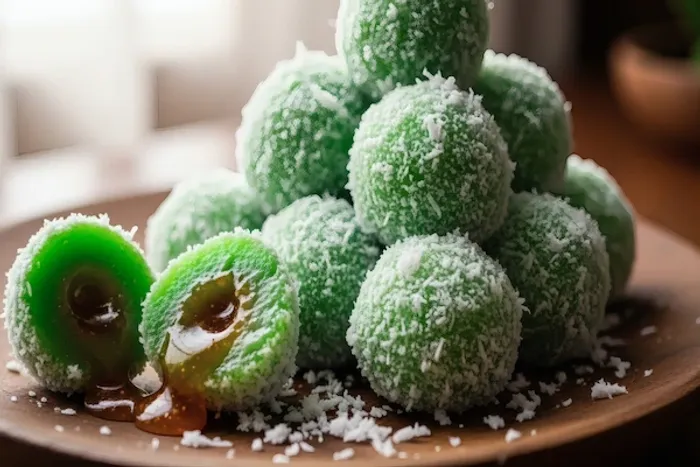
If you’ve ever searched for palm sugar ayurveda advice, you’re not alone. Many people want a natural sweetener that feels more in tune with traditional wellness. Palm sugar, often made from the sap of coconut, date, or other palm trees, shows up in many South Asian and Southeast Asian kitchens and in some traditional practices. But how does it compare with regular sugar for health? And how does Ayurveda view it?
This guide blends a traditional overview with current medical guidance from reputable sources. You’ll find practical tips on when and how to use palm sugar, what to watch for, and how to keep your overall sugar intake in a healthy range.



What Is Palm Sugar?
Palm sugar is an umbrella term for sweeteners made by boiling and dehydrating sap from palm trees. Common types include:
- Coconut palm sugar (from coconut tree sap)
- Date palm sugar (sometimes called palm jaggery)
- Arenga/palm sugar (often sold as gula melaka or gula aren)
How it’s Made:
- Sap is collected, heated to reduce water, and solidified into granules, blocks, or pastes.
- It is usually less refined than white sugar, so it may retain trace amounts of minerals and plant compounds. However, the amounts are tiny in typical serving sizes.
What it’s Made Of:
- Like other sweeteners, palm sugar is primarily sucrose (with some glucose and fructose), which the body breaks down into simple sugars.
- Some coconut sugar contains small amounts of inulin (a type of fibre). This may slightly affect how quickly sugars are absorbed but the effect is small, and coconut/palm sugars should still be treated as added sugars.
Bottom line: Despite being less processed and having trace nutrients, palm sugar is still added sugar.
Palm Sugar Ayurveda: The Traditional Perspective
In Ayurveda, the “sweet” taste (madhura rasa) is considered nourishing, grounding, and comforting when used appropriately. Traditional kitchens across India and neighbouring regions have long used palm-derived sweeteners in sweets, beverages, and some herbal preparations.
Key Ayurvedic Ideas Often Discussed:
- Balance and context: Sweet taste may be calming in moderation but can be aggravating in excess, especially for those with a tendency toward heaviness, congestion, or sluggish digestion.
- Seasonal and individual fit: Ayurveda emphasises tailoring foods to the person and season. Still, moderation remains the guiding principle for all sweeteners.
Important to Know:
- These traditional perspectives offer cultural and culinary context. Modern medical research has not shown that palm sugar provides a unique health advantage over other sugars.
- If you live with diabetes, prediabetes, or metabolic concerns, evidence-based medical guidance should lead your choices. Use palm sugar like any added sugar: sparingly and with professional advice.
How Palm Sugar Affects Nutrition and Blood Sugar?
The effect of palm sugar on nutrition, blood sugar, includes:
Why Moderation Matters for Any Sugar?
- Added sugars are linked with higher calorie intake, weight gain, and increased risk of heart disease and fatty liver over time.
- High sugar intake can worsen blood glucose control and insulin resistance.
- Sugary foods and drinks contribute to dental cavities.
About “Low GI” Claims?
- Some palm and coconut sugar products are marketed as having a lower glycemic index (GI) than table sugar. GI can vary by product, serving size, and what you eat alongside it.
- Even if GI is somewhat lower, palm sugar still raises blood glucose and contributes calories.
- Medical sources advise treating palm sugar like other added sugars, regardless of GI marketing.
Micronutrients in Palm Sugar:
- Palm sugar may contain tiny amounts of minerals (for example, potassium or iron) compared with white sugar.
- However, the amounts in typical servings are too small to provide meaningful nutritional benefits.
- It’s not a good source of vitamins or minerals.
Potential Benefits and Misconceptions
The potential benefits and misconceptions include:
Possible Positives:
- Flavour: Palm sugar has a caramel-like, rich taste that many people enjoy. You may find you can use a little less because of its stronger flavour.
- Less refined: It’s generally less processed than white sugar, which some prefer for culinary or cultural reasons.
Misconceptions To Avoid:
- “Natural means healthy.” Not necessarily. Palm sugar is still added sugar and contributes calories with minimal nutrients.
- “Good for diabetes.” No added sugar is “good” for diabetes. Portion control and total carbohydrate management matter most.
- “Nutrient-rich.” The trace minerals in palm sugar don’t turn it into a nutritious food. The amounts are too small to impact health at usual serving sizes.
Smart Ways to Use Palm Sugar
If you choose to include palm sugar:
Keep portions small:
- Start with the smallest amount that satisfies your taste.
- Track your daily total added sugar to stay within WHO/CDC guidance.
Pair it wisely:
- Combine with fibre, protein, and healthy fats (for example, sprinkle a small amount over plain yoghurt with nuts and berries) to help blunt blood sugar spikes.
Choose your moments:
- Use occasionally in traditional recipes you truly enjoy, rather than adding sugar to many foods.
Mind your beverages:
- Sugary drinks are a major source of added sugar. Try unsweetened tea/coffee or add a minimal amount of palm sugar only when needed.
Balance your plate:
- Focus meals on vegetables, whole grains, lean proteins, legumes, nuts, seeds, and healthy fats. Add sweetness as a garnish—not the main feature.
Read labels:
- Packaged foods with “natural” or “organic” palm sugar can still be high in added sugars. Check the nutrition facts.
If you have diabetes or prediabetes:
- Monitor your blood glucose response to any sweetener.
- Work with your healthcare professional or dietitian for a personalised plan.
Who Should Be Extra Cautious?
Consider stricter limits or avoidance if you have:
- Diabetes or prediabetes
- Heart disease risk factors or nonalcoholic fatty liver disease
- Weight management goals
- Dental concerns or a history of cavities
Buying and Storing Palm Sugar
Tips for buying and storing palm sugar are:
Shopping tips:
- Scan ingredients: Look for products that list only palm sugar (or coconut sugar/date palm sugar), without added syrups.
- Know your type: Flavour varies by palm source and region. Choose the one that suits your recipes.
- Texture matters: Granules are easier to measure; blocks can be grated or melted.
- Authenticity: Buy from reputable brands or local producers with clear labelling.
Storage:
- Keep in an airtight container in a cool, dry place.
- If it hardens, break into pieces or gently warm and stir into liquids.
Alternatives to Consider
If you’re trying to lower calories or reduce blood sugar impact:
- Non-nutritive sweeteners: Stevia and monk fruit provide sweetness without calories. Some people prefer these for blood sugar management.
- Sugar alcohols (e.g., erythritol, xylitol): Lower in calories but can cause digestive discomfort in some individuals.
- Spices for natural sweetness: Cinnamon, cardamom, vanilla, and nutmeg can enhance the perception of sweetness without adding sugar.
Note: Evidence on the long-term effects of sugar substitutes continues to evolve. Choose the option that fits your health goals and discuss with your clinician if you have concerns.
The Bottom Line
Palm sugar can fit into an Ayurvedic-inspired lifestyle the same way it fits into any balanced diet: in moderation. In many palm sugar ayurveda discussions, it’s framed as a traditional, flavorful sweetener. Medical guidance is clear that it remains an added sugar and should be limited to protect metabolic, heart, and dental health. Enjoy it occasionally, savour the taste, and focus most of your plate on nutrient-rich foods.
More articles from General Medical Consultation




Frequently Asked Questions
Is palm sugar better than white sugar?
Palm sugar is less refined and has a rich flavour, but from a health standpoint, it’s still added sugar. Reputable medical sources advise limiting all added sugars, regardless of type.
Can people with diabetes use palm sugar?
Use with great caution and in small amounts, if at all. Monitor your blood glucose and follow your clinician’s advice. Palm sugar is not a diabetes treatment and does raise blood sugar.
Does palm sugar have vitamins and minerals?
It has trace amounts, but not enough to make a meaningful difference at typical serving sizes. Don’t rely on palm sugar for nutrients.
What about the glycemic index (GI) of palm sugar?
Some products claim a lower GI, but GI varies by brand, recipe, and what you eat with it. Medical guidance still treats palm sugar as an added sugar to be limited.
How does palm sugar fit into Ayurveda?
Ayurveda sees the sweet taste as nourishing in moderation. Still, excess sweetness can be imbalancing. A practical, modern approach is to use small amounts mindfully and prioritise whole, minimally processed foods.