


Top Ayurvedic Herbs to Boost Immunity Naturally
Explore top Ayurvedic herbs as a natural immune booster. Evidence-informed tips to boost immunity safely with diet, sleep, and smart supplement choices.

Written by Dr. Vasanthasree Nair
Reviewed by Dr. Dhankecha Mayank Dineshbhai MBBS
Last updated on 13th Jan, 2026
Introduction
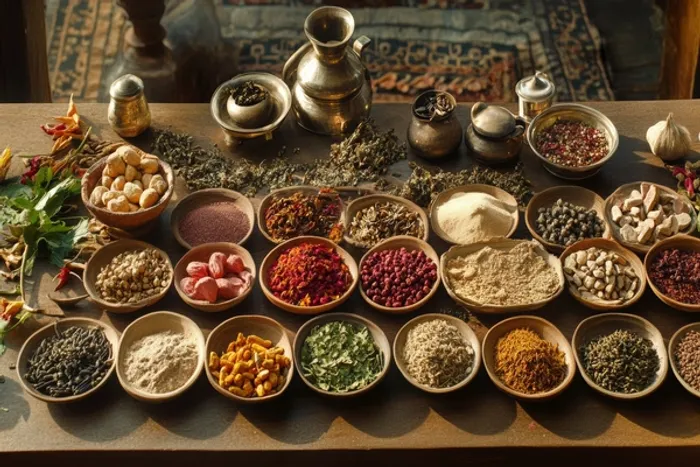
A strong immune system helps your body respond to everyday germs and recover faster when you do get sick. While the most proven ways to support immunity include vaccines, good sleep, a balanced diet, physical activity, and stress control, many people also look to Ayurvedic herbs as a natural immune booster. Used for centuries in traditional Indian medicine, these plants may offer gentle support for resilience and overall wellness when used safely and alongside healthy habits. This guide highlights what the research suggests, what’s still uncertain, and how to use these options wisely to genuinely boost immunity.
What Does “Immunity” Really Mean?
Immunity is your body’s complex defense system. It includes:
- Physical barriers (skin, mucous membranes)
- Innate immune cells (first responders)
- Adaptive immunity (antibodies and memory cells from prior exposure or vaccines)
Because immunity is multifaceted, no single herb can “switch it on.” Instead, aim for well-rounded support: evidence-based lifestyle foundations plus thoughtfully chosen supplements when appropriate.
How Ayurvedic Herbs May Help?
Many Ayurvedic herbs have antioxidant and anti-inflammatory compounds. Early research, including lab studies and some small human trials, suggests they may:
- Help regulate the stress response (stress can weaken immune defenses)
- Support a healthy inflammation balance
- Provide antioxidants that protect cells
- Maintain a healthy gut environment (important for immune function)
Evidence for herbs varies. Some have better data than others, and results can differ between brands and people. Use them as complements, not replacements, for proven medical care and prevention.
Consult a Top General Physician
Top Ayurvedic Herbs To Boost Immunity Naturally
Ashwagandha (Withania Somnifera)
What it is:
- An adaptogenic root traditionally used to support stress resilience, energy, and sleep quality, factors closely tied to immune health.
What research suggests:
- Early human studies and reviews indicate ashwagandha may help reduce perceived stress, support sleep, and influence certain immune markers. Better sleep and lower stress can, in turn, support your body’s defenses.
How people use it:
- Common forms include capsules, powders mixed into warm milk or smoothies, and standardized extracts. Many people take it in the evening if they find it calming.
Safety notes:
- May interact with thyroid medications, sedatives, or immune-modulating drugs.
- Avoid during pregnancy unless your clinician approves.
- If you have autoimmune disease or hyperthyroidism, consult your doctor first.
Tulsi/Holy Basil (Ocimum Sanctum)
What it is:
- A fragrant leaf used in teas and cooking, often called “the queen of herbs” in Ayurveda.
What research suggests:
- Preclinical and small clinical studies suggest tulsi may have antioxidant and calming properties and may support respiratory comfort. Its stress-balance effects may indirectly help immune health
How people use it:
- Tulsi tea is a popular daily ritual. Fresh leaves or dried tea bags are both used.
Safety notes:
- Can affect blood sugar; monitor if you take diabetes medications.
- Stop before surgery unless your clinician says otherwise.
Turmeric And Curcumin (Curcuma Longa)
What it is:
- A golden spice rich in curcumin, known for its anti-inflammatory and antioxidant actions.
What research suggests:
- Numerous studies explore curcumin for healthy inflammatory balance and general wellness. While not a cure for illness, maintaining balanced inflammation supports immune function. Curcumin is poorly absorbed on its own; black pepper (piperine) can improve absorption.
How people use it:
- Add turmeric to curries, soups, eggs, and golden milk.
- Curcumin supplements are common; many include piperine or use enhanced-absorption formulas.
Safety notes:
- Can interact with blood thinners and certain medications.
- High doses may upset the stomach or gallbladder; avoid it if you have gallstones unless cleared by your doctor.
Amla/Indian Gooseberry (Emblica Officinalis)
What it is:
- A tart fruit used in juices, powders, chutneys, and the classic Ayurvedic formula “Triphala.”
What research suggests:
- Amla is rich in vitamin C and polyphenols. Antioxidants help protect cells from oxidative stress, which supports overall immune health.
How people use it:
- As a juice shot, in smoothies, or as part of Triphala. Culinary forms are a gentle place to start.
Safety notes:
- Vitamin C can increase iron absorption; if you have iron overload disorders, ask your clinician.
Ginger (Zingiber Officinale)
What it is:
- A warming root used for digestion and comfort during seasonal sniffles.
What research suggests:
- Ginger has antioxidant and anti-inflammatory properties and can soothe the stomach. Comforting warm ginger tea can be part of self-care when you’re under the weather, though it’s not a treatment for infections.
How people use it:
- Fresh ginger tea with lemon and honey, in stir-fries, soups, or smoothies.
Safety notes:
- May interact with blood thinners and affect blood sugar.
- Large amounts can cause heartburn in some people.
Guduchi/Giloy (Tinospora Cordifolia)
What it is:
- A climbing shrub used traditionally as an immune and vitality tonic.
What research suggests:
- Lab and limited clinical studies suggest immunomodulatory effects. However, there have been case reports of liver injury associated with giloy products. Quality varies widely.
How people use it:
- Traditionally as decoctions or standardized extracts. Because of safety concerns, use only under medical guidance and choose high-quality, tested products.
Safety notes:
- Avoid it if you have liver disease or take liver-stressing medications.
Stop and see a clinician if you notice signs of liver problems (fatigue, dark urine, jaundice, right upper abdominal pain).
Triphala (Amalaki, Bibhitaki, Haritaki)
What it is:
- A blend of three fruits. In Ayurveda, it’s used to support gentle digestion and regularity.
What research suggests:
- Early studies suggest antioxidant properties and potential gut microbiome benefits. Because much of the immune system is linked with the gut, supporting digestive health may indirectly support immune balance.
How people use it:
- As a powder mixed with warm water at bedtime or in capsules.
Safety notes:
- It can have a mild laxative effect. Start low, go slow.
Are Ayurvedic Herbs A Natural Immune Booster On Their Own?
Think of Ayurvedic herbs as supportive tools, not stand-alone solutions. They may help you feel your best and maintain balance, but they work best when paired with the basics:
- Keep up with recommended vaccinations and boosters.
- Sleep 7–9 hours nightly.
- Eat a colorful, plant-forward diet with enough protein and healthy fats.
- Move your body most days of the week.
- Manage stress (breathwork, yoga, time outdoors).
- Avoid smoking and limit alcohol.
- Practice hand hygiene and stay home when ill.
How To Choose And Use Herbs Safely?
Quality matters with herbal products. Here’s how to be smart and safe:
- Look for third-party testing: USP, NSF, or ConsumerLab seals indicate quality checks for ingredients and contaminants.
- Choose single-ingredient products at first, so you can tell how you respond.
- Start with food and tea forms before capsules, when possible.
- Avoid megadoses. More is not always better.
- Check for interactions: blood thinners, diabetes meds, thyroid meds, immunosuppressants, and blood pressure drugs commonly interact with herbs.
- Monitor how you feel: stop if you experience rash, itching, breathing difficulty, severe stomach pain, yellowing eyes/skin, or dark urine.
- Talk with your clinician if you’re pregnant, breastfeeding, have chronic conditions (especially liver, kidney, autoimmune), or are scheduled for surgery.
Sample Ways To Add These Herbs To Your Routine
- Morning: Warm water with a squeeze of lemon and a pinch of grated ginger.
- Midday: Colorful lunch with turmeric-spiced lentils or roasted vegetables.
- Afternoon: Tulsi tea for a calm, focused break.
- Evening: Golden milk (turmeric, black pepper, cinnamon) or, if appropriate for you, ashwagandha as directed by your clinician.
When To Seek Medical Help?
Herbs are not a substitute for medical care. Contact a healthcare professional if you have:
- High fever lasting more than 3 days
- Chest pain, shortness of breath, or severe dehydration
- Persistent or worsening symptoms
- A known medical condition that changes suddenly
Consult a Top General Physician
Consult a Top General Physician

Dr. Rajib Ghose
General Physician/ Internal Medicine Specialist
25 Years • MBBS
East Midnapore
VIVEKANANDA SEBA SADAN, East Midnapore

Dr. Anand Ravi
General Physician
2 Years • MBBS, FEM
Bengaluru
PRESTIGE SHANTHINIKETAN - SOCIETY CLINIC, Bengaluru

Dr. Sougata Kumar
General Practitioner
9 Years • MBBS
East Midnapore
VIVEKANANDA SEBA SADAN, East Midnapore

Dr. Arthi S
Family Physician
3 Years • MBBS
Bengaluru
PRESTIGE SHANTHINIKETAN - SOCIETY CLINIC, Bengaluru

Dr. Shamanth Y B
General Physician/ Internal Medicine Specialist
5 Years • MBBS
Bengaluru
Apollo Medical Center, Marathahalli, Bengaluru

(50+ Patients)
Consult a Top General Physician
Dr. Rajib Ghose
General Physician/ Internal Medicine Specialist
25 Years • MBBS
East Midnapore
VIVEKANANDA SEBA SADAN, East Midnapore
Dr. Anand Ravi
General Physician
2 Years • MBBS, FEM
Bengaluru
PRESTIGE SHANTHINIKETAN - SOCIETY CLINIC, Bengaluru
Dr. Sougata Kumar
General Practitioner
9 Years • MBBS
East Midnapore
VIVEKANANDA SEBA SADAN, East Midnapore
Dr. Arthi S
Family Physician
3 Years • MBBS
Bengaluru
PRESTIGE SHANTHINIKETAN - SOCIETY CLINIC, Bengaluru
Dr. Shamanth Y B
General Physician/ Internal Medicine Specialist
5 Years • MBBS
Bengaluru
Apollo Medical Center, Marathahalli, Bengaluru
(50+ Patients)
More articles from General Medical Consultation




Frequently Asked Questions
Can Ayurvedic herbs replace vaccines?
No. Vaccination is one of the most effective ways to prevent serious infectious diseases. Ayurvedic herbs can complement healthy habits but do not replace vaccines or medical treatments.
How long does it take to notice benefits?
It varies. Some people notice changes (like calmer mood or better sleep) within a few weeks, while other effects are subtler. Consistency and lifestyle are key.
Can I take multiple herbs together?
Possibly, but start low and introduce one at a time to gauge your response. Multi-herb blends can make it harder to spot what helps or causes side effects. Check with your clinician about interactions.
Are these herbs safe during pregnancy or breastfeeding?
Safety data are limited for many herbs in pregnancy and lactation. Avoid unless your obstetric clinician gives personalized guidance.
Who should be extra cautious?
- People with liver disease (particularly with giloy)
- Those on blood thinners, diabetes, thyroid, blood pressure, or immune-modulating medications
- People with autoimmune conditions
- Anyone scheduled for surgery
- Always review supplements with your healthcare professional.