


Aloe Vera: Uses, Benefits & Risks
Learn aloe vera benefits, uses, and risks. Evidence-based guidance for skin, burns, digestion, and safety. Practical tips, FAQs, and trusted sources.

Written by Dr. Dhankecha Mayank Dineshbhai
Reviewed by Dr. M L Ezhilarasan MBBS
Last updated on 13th Jan, 2026
Introduction
Aloe vera has been used for centuries as a soothing plant for skin and wellness. But what are the real aloe vera benefits backed by science, and what are the risks? This guide explains what aloe can and cannot do, how to use it safely, and who should avoid it, using clear, trustworthy information drawn strictly from the scope you provided. The aim is to help you understand when aloe can be a gentle, supportive option and when it may pose avoidable risks, especially for internal use.
Consult a Top Nutritionist for Personalised Advice
What Is Aloe Vera?
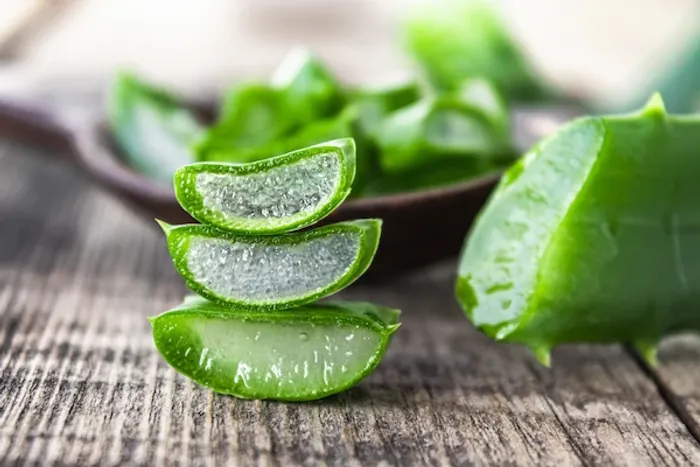
Aloe vera is a succulent plant known for its thick, fleshy leaves that store water and bioactive compounds. Two very different substances come from its leaves, and understanding this distinction is essential for safe use.
- Gel: The clear, jelly-like substance from the inner leaf. It is commonly used in skincare products for cooling, moisturising, and soothing properties.
- Latex: The yellow sap just under the leaf’s skin. It contains compounds called anthraquinones, such as aloin, which act as strong stimulant laxatives.
These two parts have very different effects and safety profiles. Most store-bought gels and creams contain the inner gel, while some drinks and supplements contain whole-leaf or decolourised whole-leaf extracts. Quality varies widely among products, and labelling is not always clear, which increases the importance of careful selection and informed use.
Aloe Vera Benefits at a Glance
What research suggests aloe may help with:
- Soothing minor burns and sunburn discomfort through cooling and hydration
- Relieving dry skin and minor skin irritation
- Supporting comfort in small mouth ulcers in some short-term studies
- What research does not clearly support or is mixed:
- Faster wound healing for all wound types, as results remain inconsistent
- Constipation relief using aloe latex, which may be effective but is not considered safe for routine use
- Managing blood sugar or cholesterol, where evidence remains insufficient and inconsistent
Bottom line: Some aloe vera benefits for external skin comfort are supported, but claims for internal health, such as digestion, diabetes, or heart health, are unproven or associated with significant safety concerns.
What Does the Research Say?
Let us see the research opinion:
Skin: Burns, Sunburn, and Minor Irritation
- Minor burns and sunburn: Aloe gel provides an immediate cooling sensation that may reduce pain, tightness, and redness. Some studies suggest it may support comfort in superficial burns, but evidence on whether it consistently speeds healing is mixed. It should never be used on severe burns or broken, infected skin.
- Wounds: Findings are inconsistent. While some research suggests improved healing in superficial burns, other studies indicate delayed healing in certain surgical wounds. For this reason, aloe should not be applied to deep, severe, or infected wounds unless advised by a clinician.
- Skin irritation and dryness: Aloe gel can moisturise and may calm mild irritation or sensitivity for many people. However, a small proportion of individuals may develop contact dermatitis, leading to itching, redness, or stinging.
Mouth Ulcers and Oral Health
- Canker sores: Some limited studies suggest aloe-based gels or patches may reduce pain or ulcer size, offering short-term comfort. While promising, the evidence is not strong enough to position aloe as a primary treatment.
- Dental plaque and gingivitis: Preliminary findings suggest aloe may support gum comfort when used in mouthwash formulations. However, it must not replace established oral care practices, including brushing, flossing, fluoride use, and routine dental check-ups.
Constipation and Digestion
- Aloe latex acts as a stimulant laxative, triggering bowel movements by irritating the intestinal lining. This can cause cramping, diarrhoea, and fluid loss. Long-term or high-dose use poses serious health risks.
- Aloe gel without latex does not have reliable evidence supporting its use for constipation relief.
- Safer constipation strategies include adequate fibre intake, sufficient fluids, regular physical activity, and clinician-recommended treatments where necessary.
Blood Sugar, Cholesterol, and Other Conditions
- Blood sugar: Some small studies suggest aloe may lower blood glucose, but results are inconsistent and not strong enough to recommend aloe for diabetes management. There is also a risk of dangerously low blood sugar when combined with prescribed diabetes medications.
- Cholesterol and other conditions: Current research is limited and inconclusive. Aloe should never replace proven treatments or medical advice for chronic conditions.
How to Use Aloe Vera Safely?
Safe use of aloe involves:
Choosing a Product
- For skin: Choose products designed for topical use that list Aloe barbadensis gel as a primary ingredient. Simple formulations are often better for sensitive skin types.
- For oral use: Always consult your healthcare provider before trying aloe internally. If used, select products labelled as decolourised and purified to reduce aloin content and ideally verified through third-party testing. Even then, safety and effectiveness cannot be guaranteed.
Tips for Topical Use
- Patch test first: Apply a small amount to the inner forearm and wait 24 hours to check for redness, itching, or irritation.
- Use on minor issues: Aloe gel may help soothe sunburn discomfort, mild dryness, or minor superficial irritation.
- Avoid serious wounds: Do not apply aloe to deep cuts, severe burns, surgical wounds, or infected skin unless a clinician advises it.
Oral Use: Why Caution Is Needed
- Aloe latex is not recommended: It can cause severe diarrhoea, dehydration, cramps, and dangerous electrolyte imbalances.
- Gel products may still carry risks: Residual latex may be present, and products can interact with medications.
- Do not use aloe as a daily wellness drink without direct medical supervision.
Risks, Side Effects, and Interactions
Risks, side effects and interactions information includes:
- Skin side effects: Burning, stinging, redness, or rash in sensitive individuals.
- Digestive side effects: Cramping, diarrhoea, dehydration, and low potassium, with rare reports of liver or kidney complications.
Medication interactions:
- Diabetes medications: Aloe may intensify blood sugar-lowering effects, raising hypoglycaemia risk.
- Diuretics and corticosteroids: Combined effects may worsen potassium loss.
- Digoxin: Low potassium levels may increase toxicity risk.
- Warfarin and other anticoagulants: Digestive changes may raise bleeding risk and affect absorption.
- Surgery: Oral aloe should be discontinued at least two weeks before surgery due to potential effects on blood sugar and bleeding.
Who Should Avoid Aloe Vera?
Avoid aloevera when:
- Pregnant or breastfeeding individuals: Avoid oral aloe due to possible uterine stimulation and infant digestive effects. Topical use on intact skin may be low risk, but should still be discussed with a clinician.
- Children: Oral aloe is not recommended as safety has not been established.
- People with kidney disease, heart rhythm issues, or electrolyte disorders: Oral aloe may worsen these conditions.
- Anyone with a known aloe allergy or severe skin sensitivity should avoid topical use.
- Those on interacting medicines such as diabetes drugs, diuretics, digoxin, or anticoagulants should not use oral aloe without medical supervision.
Practical Tips to Maximise Benefits and Minimise Risks
Practips to maximise the benefits and reduce risks include:
- Keep expectations realistic: Aloe is best suited for short-term skin soothing rather than treating medical conditions.
- Read labels carefully: Whole-leaf or unpurified products may contain higher latex levels.
- Store properly: Follow storage instructions, keep sealed and away from heat. Chilled gel may enhance soothing effects for sunburn.
- Use proven care first: Rely on evidence-based treatments for chronic health concerns and only use aloe as a supportive measure when safe.
When to Seek Medical Advice?
Seek medical advice when:
- Burns that blister extensively, cover large areas, or appear white or charred
- Deep wounds, bleeding heavily, or showing signs of infection
- Persistent stomach pain or severe diarrhoea after using aloe
- Symptoms of low blood sugar, such as shakiness or confusion
- New or worsening skin reactions
Key Takeaway
Aloe can be a helpful addition to your skincare routine for minor, short-term skin concerns. However, internal use offers uncertain benefits and carries genuine risks, particularly when latex-containing products are involved. Always prioritise safety, informed decision-making, and medical advice when considering aloe beyond basic topical care.
Consult a Top Nutritionist for Personalised Advice
Consult a Top Nutritionist for Personalised Advice

Ms. Sushma Jaiswal
Dietician
42 Years • M.Sc.(Food & Nutrition)
Bengaluru
Swasthya Nutrition, Bengaluru

Ms. Neelanjana J
Dietician
5 Years • Bsc., Msc. Nutrition and Dietetics specialised general weight management, PCOS/PCOD weight loss and Diabetes management. A clinical dietitian with 4+ year experience specializing in evidence-based, result-oriented nutrition therapy. I have extensive experience in weight loss, thyroid management, PCOD/PCOS, weight gain, and diabetes & prediabetes care. My approach is personalized, practical, and sustainable—focusing on helping individuals achieve long-term lifestyle change rather than quick fixes. I work closely with clients to understand their medical history, lifestyle, and goals, and then design customized diet plans that support hormonal balance, metabolic health, and overall wellbeing. My goal is to make nutrition simple, realistic, and effective—so you see measurable results and feel your healthiest self.Auther in Health benefits of jackfruit (Artocarpus heterophyllus Lam.) seeds: A review (2023) The Pharma Innovation Journal Co- Auther in Malnutrition in Women: A review (2023) The Pharma Innovation Journal. Highfield Level 3 in HACCP. Highfield Level 4 International Award in Food Safety Managment
Bengaluru
Apollo Clinic, JP nagar, Bengaluru

Ms. Soma Saha
clinical nutrition
17 Years • B.Sc. - Home Science (Food & Nutrition), M.Sc. - Home Science (Food & Nutrition)
Kolkata
Dr Utsa Basu Clinic, Kolkata

(50+ Patients)

Dr. Ramalinga Reddy
General Physician
5 Years • MBBS MD General medicine
Bengaluru
PRESTIGE SHANTHINIKETAN - SOCIETY CLINIC, Bengaluru

Ms. Suhita Sinha
Dietician
8 Years • MSC Food & Nutrition
Kolkata
Chikitsa Medicare Centre Pvt. Ltd.Sattelite Centre Behala Chowrasta, Kolkata
Consult a Top Nutritionist for Personalised Advice
Ms. Sushma Jaiswal
Dietician
42 Years • M.Sc.(Food & Nutrition)
Bengaluru
Swasthya Nutrition, Bengaluru
Ms. Neelanjana J
Dietician
5 Years • Bsc., Msc. Nutrition and Dietetics specialised general weight management, PCOS/PCOD weight loss and Diabetes management. A clinical dietitian with 4+ year experience specializing in evidence-based, result-oriented nutrition therapy. I have extensive experience in weight loss, thyroid management, PCOD/PCOS, weight gain, and diabetes & prediabetes care. My approach is personalized, practical, and sustainable—focusing on helping individuals achieve long-term lifestyle change rather than quick fixes. I work closely with clients to understand their medical history, lifestyle, and goals, and then design customized diet plans that support hormonal balance, metabolic health, and overall wellbeing. My goal is to make nutrition simple, realistic, and effective—so you see measurable results and feel your healthiest self.Auther in Health benefits of jackfruit (Artocarpus heterophyllus Lam.) seeds: A review (2023) The Pharma Innovation Journal Co- Auther in Malnutrition in Women: A review (2023) The Pharma Innovation Journal. Highfield Level 3 in HACCP. Highfield Level 4 International Award in Food Safety Managment
Bengaluru
Apollo Clinic, JP nagar, Bengaluru
Ms. Soma Saha
clinical nutrition
17 Years • B.Sc. - Home Science (Food & Nutrition), M.Sc. - Home Science (Food & Nutrition)
Kolkata
Dr Utsa Basu Clinic, Kolkata
(50+ Patients)
Dr. Ramalinga Reddy
General Physician
5 Years • MBBS MD General medicine
Bengaluru
PRESTIGE SHANTHINIKETAN - SOCIETY CLINIC, Bengaluru
Ms. Suhita Sinha
Dietician
8 Years • MSC Food & Nutrition
Kolkata
Chikitsa Medicare Centre Pvt. Ltd.Sattelite Centre Behala Chowrasta, Kolkata
More articles from General Medical Consultation





Frequently Asked Questions
What are the most reliable aloe vera benefits?
The most consistent benefits relate to topical use, particularly cooling and moisturising minor burns, sunburn, and mild irritation. There is limited evidence for easing discomfort from small mouth ulcers, while internal benefits remain poorly supported.
Is it safe to drink aloe vera juice every day?
Daily use is not recommended without medical advice. Variations in product quality and potential for side effects make routine consumption risky for many people.
Can aloe vera heal sunburns faster?
Aloe may help soothe pain and dryness, but whether it speeds healing is uncertain. Proper sun protection and hydration remain essential.
Is aloe good for constipation?
Aloe latex is effective but unsafe for routine use. Safer approaches include dietary fibre, fluids, and medical guidance.
Who should not use aloe?
Those who are pregnant, breastfeeding, children, or individuals with kidney or heart conditions, or those taking interacting medications, should avoid oral aloe. Individuals with known skin sensitivity should avoid topical use.