



Amla-Aloe Vera Juice: Ayurvedic Benefits, Uses And Side Effects
Learn how amla aloe vera juice may support digestion and hydration, plus safe use, side effects, and the truth about detox drinks.

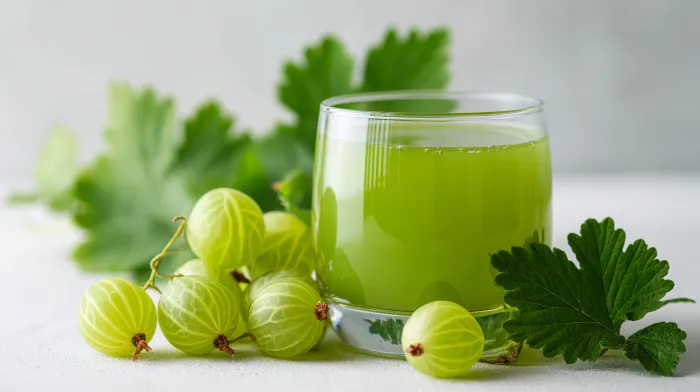
Introduction
If you’re curious about natural wellness, you’ve probably seen amla aloe vera juice marketed as an Ayurvedic super-blend or a “detox drink.” Amla (Indian gooseberry) is known for its tart flavour and vitamin C content, while aloe vera is popular for its soothing gel. Together, they make a trendy health beverage. But what does science say? And how can you use it safely?
This guide explains what amla aloe vera juice is, potential benefits and risks, how it fits into Ayurveda and modern research, and who should avoid it. You’ll also find practical tips, FAQs, and trusted references.
What Is Amla-Aloe Vera Juice?
Amla-aloe vera juice is typically a blended beverage made from:
- Amla (Emblica officinalis), also called Indian gooseberry
- Aloe vera gel (from the inner leaf of the aloe plant), sometimes diluted with water and flavoured
About amla (Indian gooseberry)
- Amla is a small, sour fruit valued in Ayurveda.
- It naturally contains vitamin C and plant antioxidants (polyphenols).
- In Ayurveda, amla is considered a rasayana (rejuvenating) food.
About aloe vera (gel vs. latex)
- Aloe vera inner leaf gel is the clear, mucilaginous part typically used for drinks and topical gels.
- Aloe latex is the yellowish sap just under the leaf skin that contains compounds (like aloin) with a strong laxative effect. The latex can cause cramping and diarrhoea and is not appropriate for casual or long-term use.
- Many commercial aloe drinks are “decolourised” or purified to remove most of the latex compounds, but quality varies by brand.
How it’s made
- Commercial products usually combine purified aloe gel juice with amla extract or juice, water, and sometimes flavourings.
Some blends include added sweeteners or other herbs. Check labels if you’re watching sugar intake or avoiding certain ingredients.
Ayurvedic Perspective and What Science Says
Let’s have a look at ayurvedic perspective:
Traditional Ayurvedic uses:
- Amla (amalaki) is described as cooling, sour, and rejuvenating, commonly used to support digestion and general vitality.
- Aloe vera (kumari) is traditionally used for digestion and skin health.
Note: Traditional uses reflect long-standing practices. Modern evidence varies and is still evolving.
What modern research suggests:
- Antioxidants and vitamin C: Amla provides vitamin C, which supports normal immune function and acts as an antioxidant. The exact vitamin C content can vary by product and processing.
- Digestion and regularity: Aloe latex is a stimulant laxative, which can cause bowel movements but also cramps and diarrhoea. Purified aloe gel products contain much less latex; effects may differ. Non-laxative approaches (fibre, fluids, activity) are generally preferred for routine regularity.
- Blood sugar and cholesterol: Small studies suggest amla or aloe may modestly influence blood sugar or lipid markers, but evidence is limited, study quality varies, and results are not consistent. They are not substitutes for prescribed treatment.
- Skin and hair: Eating or drinking these ingredients has not been proven to directly improve skin or hair health directly, though staying hydrated and getting adequate nutrients (like vitamin C) supports overall wellness.
Some components are promising (antioxidants, hydration), but claims are often stronger than the evidence. Use amla aloe vera juice as a supplement to a healthy lifestyle, not a cure-all.
Potential Benefits of Amla-Aloe Vera Juice
Here are the health benefits of amla-aloe vera juice:
Hydration: It’s mostly water, which helps daily hydration.
- Vitamin C source: Amla contributes vitamin C, supporting normal immune function and collagen formation for skin and connective tissue.
- Antioxidant intake: Amla provides plant antioxidants that help counter oxidative stress. This does not mean disease prevention or treatment without robust evidence.
- Gentle digestive support (with caution): Some people find aloe drinks soothing; however, products with aloe latex can act as a laxative and may cause GI upset. Choose purified aloe products and start small.
- A pleasant alternative to sugary beverages: Unsweetened or low-sugar blends can be a flavorful option compared with sodas or juices high in added sugar.
Who Might Consider It?
Here’s who should consider it:
- People who enjoy herbal beverages and want a tart, plant-forward drink with vitamin C.
- Those looking for variety in their hydration routine.
- Individuals exploring Ayurveda-inspired foods while maintaining realistic expectations and safety.
Who Should Avoid or Be Extra Cautious?
Some people should avoid or just be extra cautious towards amla-aloe vera juice. Here’s who:
- Pregnant or breastfeeding individuals: Avoid aloe latex; discuss any aloe product with your clinician first.
- Children: Avoid aloe latex. Only use aloe products for children if your paediatrician approves.
People with digestive disorders (IBS, IBD), kidney disease, or electrolyte imbalances: Aloe latex can worsen symptoms and affect electrolytes. - People on certain medications:
- Diabetes medications: Aloe may lower blood sugar and add to medication effects.
- Diuretics or drugs affected by potassium levels (e.g., certain heart medications such as digoxin): Aloe latex can cause potassium loss with diarrhoea.
- Anticoagulants/antiplatelets and others: Herbal products may interact—check with your clinician or pharmacist.
- People with a history of allergies to plants in aloe’s family or to amla.
Is Amla-Aloe Vera Juice a Detox Drink?
“Detox” is a popular buzzword, but your liver, kidneys, lungs, skin, and gut already do the job of removing waste and processing substances. There is no good evidence that amla aloe vera juice - or any specific beverage - removes “toxins.” At times, so-called detoxes can lead to side effects like diarrhoea, dehydration, or nutrient imbalances. If you’re considering a cleanse, talk with a healthcare professional first. A balanced diet, fibre, adequate sleep, regular activity, and limiting alcohol are evidence-based ways to support your body’s natural detox systems.
Consult Top Specialists Here
Possible Side Effects and Risks
Common side effects (more likely with aloe latex or high intakes) include:
- Abdominal cramping, diarrhoea, and nausea
- Dehydration and electrolyte imbalance (low potassium), which can cause weakness or heart rhythm issues in susceptible people
Less common but serious concerns include:
- Blood sugar drops when combined with diabetes medications
- Kidney strain with high-dose or long-term use of aloe latex
- Potential interactions with many medications due to diarrhoea-related absorption changes or electrolyte shifts
Rarely, people can be allergic to aloe or amla. Stop using and seek care if you develop hives, swelling, or breathing problems.
How to Choose and Use Amla-Aloe Vera Juice Safely?
Here’s how to use amla safely:
- Check the aloe source: Prefer products that use purified inner leaf gel and state that aloe latex/aloin is removed or minimised. Quality varies by brand.
- Look for quality assurance: Choose reputable companies that follow good manufacturing practices and provide third-party testing.
- Scan the label: Limit added sugar. Note serving size, additives, and herbal blends.
- Start low, go slow: Begin with a small serving (for example, 1–2 ounces/30–60 mL of the blend diluted in water) to test tolerance. There is no standard dose.
- Don’t rely on it for constipation: Prioritise fibre, fluids, physical activity, and medical guidance.
- If using aloe-containing products for constipation, do so short-term and with clinician input.
- Not a meal replacement: Use as part of a balanced diet.
- Stay hydrated: If you experience loose stools, stop and rehydrate. Seek care if symptoms persist.
Simple Serving Ideas
Here’s how you can serve amla-aloe vera juice:
- Dilute with water: Mix a small amount of amla-aloe vera juice with plenty of water and ice. Add a squeeze of lemon or a few mint leaves for flavour.
- Smoothie splash: Add a small splash to a smoothie with cucumber, ginger, and unsweetened yoguhrt.
- Tart spritzer: Combine with sparkling water; avoid sugary mixers.
Note: Avoid DIY aloe processing at home unless you are trained to safely remove aloe latex. Using store-bought, purified aloe gel juice is safer.
How It Fits into a Healthy Lifestyle?
Let’s have a look at how to fit this healthy juice into our lifestyle:
- Pair with whole foods: Enjoy alongside vegetables, fruits, whole grains, legumes, nuts, and lean proteins.
- Keep expectations realistic: Think of this beverage as a flavorful way to hydrate and add plant-based variety - not a shortcut to health.
- Monitor how you feel: If you notice GI issues, stop using it and discuss with a healthcare professional.
When to Talk to a Healthcare Professional?
- You take prescription medications, especially for diabetes, blood pressure/heart rhythm, or fluid balance.
- You’re pregnant, breastfeeding, or planning pregnancy.
- You have ongoing digestive symptoms, kidney disease, or a chronic health condition.
- You develop side effects like persistent diarrhoea, cramping, dizziness, or signs of dehydration.
- You’re considering it as part of a “detox” or weight-loss plan.
Consult Top Specialists Here
Consult Top Specialists Here


Ms. Mubaraka M P
Dietician
7 Years • B.sc (Nutrition and Dietetics )
Bangalore
Apollo 24|7 Virtual Clinic - Karnataka, Bangalore

Dr Haripriya S G
Family Physician
22 Years • MBBS, PGD (Family Medicine)
Bengaluru
Apollo Clinic, JP nagar, Bengaluru

Ms. Neelanjana J
Dietician
5 Years • Bsc., Msc. Nutrition and Dietetics specialised general weight management, PCOS/PCOD weight loss and Diabetes management. A clinical dietitian with 4+ year experience specializing in evidence-based, result-oriented nutrition therapy. I have extensive experience in weight loss, thyroid management, PCOD/PCOS, weight gain, and diabetes & prediabetes care. My approach is personalized, practical, and sustainable—focusing on helping individuals achieve long-term lifestyle change rather than quick fixes. I work closely with clients to understand their medical history, lifestyle, and goals, and then design customized diet plans that support hormonal balance, metabolic health, and overall wellbeing. My goal is to make nutrition simple, realistic, and effective—so you see measurable results and feel your healthiest self.Auther in Health benefits of jackfruit (Artocarpus heterophyllus Lam.) seeds: A review (2023) The Pharma Innovation Journal Co- Auther in Malnutrition in Women: A review (2023) The Pharma Innovation Journal. Highfield Level 3 in HACCP. Highfield Level 4 International Award in Food Safety Managment
Bengaluru
Apollo Clinic, JP nagar, Bengaluru

Ms. Preeti Lata Mohanty
Dietician
2 Years • Msc in Food science and Nutrition
Bengaluru
Apollo Medical Center, Marathahalli, Bengaluru

Ms. Poushali Ghosh
Dietician
9 Years • Msc in Applied Nutrition
Barasat
Diab-Eat-Ease, Barasat
Consult Top Specialists Here
Ms. Mubaraka M P
Dietician
7 Years • B.sc (Nutrition and Dietetics )
Bangalore
Apollo 24|7 Virtual Clinic - Karnataka, Bangalore
Dr Haripriya S G
Family Physician
22 Years • MBBS, PGD (Family Medicine)
Bengaluru
Apollo Clinic, JP nagar, Bengaluru
Ms. Neelanjana J
Dietician
5 Years • Bsc., Msc. Nutrition and Dietetics specialised general weight management, PCOS/PCOD weight loss and Diabetes management. A clinical dietitian with 4+ year experience specializing in evidence-based, result-oriented nutrition therapy. I have extensive experience in weight loss, thyroid management, PCOD/PCOS, weight gain, and diabetes & prediabetes care. My approach is personalized, practical, and sustainable—focusing on helping individuals achieve long-term lifestyle change rather than quick fixes. I work closely with clients to understand their medical history, lifestyle, and goals, and then design customized diet plans that support hormonal balance, metabolic health, and overall wellbeing. My goal is to make nutrition simple, realistic, and effective—so you see measurable results and feel your healthiest self.Auther in Health benefits of jackfruit (Artocarpus heterophyllus Lam.) seeds: A review (2023) The Pharma Innovation Journal Co- Auther in Malnutrition in Women: A review (2023) The Pharma Innovation Journal. Highfield Level 3 in HACCP. Highfield Level 4 International Award in Food Safety Managment
Bengaluru
Apollo Clinic, JP nagar, Bengaluru
Ms. Preeti Lata Mohanty
Dietician
2 Years • Msc in Food science and Nutrition
Bengaluru
Apollo Medical Center, Marathahalli, Bengaluru
Ms. Poushali Ghosh
Dietician
9 Years • Msc in Applied Nutrition
Barasat
Diab-Eat-Ease, Barasat
More articles from General Medical Consultation




Frequently Asked Questions
1) Is amla aloe vera juice safe to drink every day?
It depends on the product and your health status. Small amounts of a purified aloe gel and amla blend may be fine for many healthy adults. Avoid products containing aloe latex, especially for daily use. If you’re pregnant, breastfeeding, have a medical condition, or take medications, check with your clinician first.
2) Can it help with weight loss?
There is no strong evidence that this juice alone causes meaningful weight loss. Sustainable weight management comes from a balanced diet, adequate protein and fibre, physical activity, sleep, and stress management. Be cautious of products marketed as a detox drink for weight loss.
3) Will it improve my skin?
Staying hydrated and getting enough vitamin C supports normal skin structure, but drinking amla-aloe has not been proven to clear acne or dramatically change skin. For skin concerns, discuss proven options with a dermatologist.
4) How much should I drink?
There’s no standard dose. If you choose to try it, start with a small amount (for example, 1–2 ounces/30–60 mL diluted in water) and see how you feel. Avoid larger amounts, especially if the product is not clearly purified of aloe latex.
5) Can people with diabetes drink it?
Use caution. Aloe may lower blood sugar and can interact with diabetes medications. If you have diabetes or prediabetes, speak with your healthcare professional before using it and monitor your blood sugar closely.