


Anaemia Diet: Foods to Avoid
Learn anaemia foods to avoid and what to eat instead. Protect iron absorption, boost energy, and feel better with practical, doctor-backed tips.

Introduction
Feeling tired, short of breath, or lightheaded can be signs of anaemia, a condition where your body does not have enough healthy red blood cells to carry oxygen efficiently. Because what you eat affects how well your body absorbs nutrients such as iron, vitamin B12, and folate, knowing the key anaemia foods to avoid and when to eat them can make a genuine difference. This guide offers simple, practical and trustworthy advice to help you protect iron absorption, avoid common nutrition pitfalls, and build meals that support healthy blood and steady energy levels over time.
Anaemia often develops slowly, and symptoms may be subtle at first. You may simply feel more fatigued than usual or notice reduced stamina during daily activities. Over time, however, untreated anaemia can impact concentration, immunity, and overall well-being. While medical treatment is essential in many cases, especially when anaemia is moderate or severe, everyday dietary choices play a vital supporting role. Learning how to manage food timing and combinations is one of the most effective ways to assist your recovery and long-term health.
Consult a Top General Practitioner for Personalised Advice
What is Anaemia, and Why Does Diet Matter?
Let's look into the basics of anaemia and the influence of diet:
- Anaemia has many causes. The most common worldwide is iron-deficiency anaemia, often from low iron intake, poor absorption, or blood loss, such as heavy periods or gastrointestinal bleeding
Other types include vitamin B12 deficiency and folate deficiency anaemia, which come from inadequate intake, poor absorption, or certain medical conditions - Diet matters because specific foods and drinks can block iron absorption, while others actively enhance it and help your body use iron more efficiently
- The timing and pairing of foods is often more important than completely cutting items out, allowing you to eat a balanced and enjoyable diet while still improving iron status
- Consistent, thoughtful eating habits can support medical treatments and help prevent recurrence once iron levels are restored
Anaemia Foods to Avoid or Limit at Mealtime
Important note: For most people with iron-deficiency anaemia, the focus is not on banning foods forever. Instead, it is about avoiding certain items at the same time as iron-rich meals or iron supplements. This protects absorption and allows iron to enter your bloodstream more efficiently.
Coffee, tea, and cacao
- Why limit: Coffee and tea contain polyphenols such as tannins that significantly reduce non-heme iron absorption from plant foods. Cocoa and some herbal teas can have similar effects
- What to do: Avoid coffee and tea with iron-rich meals and for a short window before and after.
- Drink them between meals instead. Choose water, citrus-infused water, or a small glass of orange juice with meals to enhance iron uptake
- Extra tip: If eliminating tea or coffee feels difficult, try delaying it by at least one to two hours after your main meal
Calcium-rich foods and supplements
- Why limit: Calcium can temporarily block both heme and non-heme iron absorption when consumed at the same time
- What to do: Avoid taking calcium supplements or having large servings of milk with iron-rich meals or iron tablets. Space calcium and iron intake for several hours
- Balance approach: Enjoy dairy or fortified plant milks at separate meals or snacks when iron absorption is not the priority
High-phytate foods: whole grains, bran, legumes, and seeds
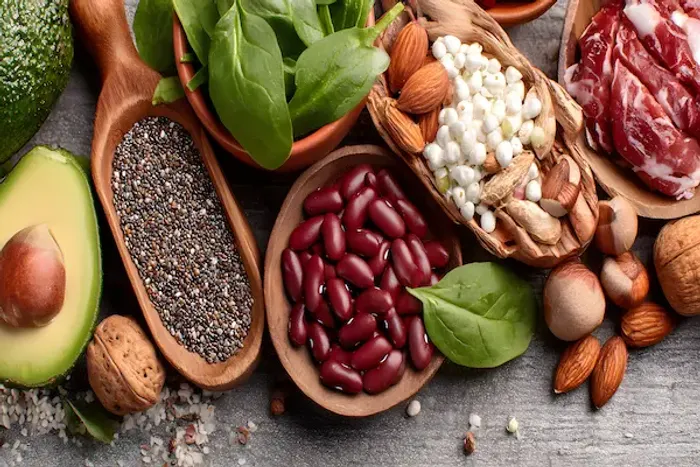
- Why limit: Phytates in bran cereals, whole grains, beans, lentils, nuts, and seeds bind iron in the gut and reduce absorption
- What to do: You do not need to avoid these healthy foods. Use preparation methods that lower phytates, such as soaking, sprouting, or fermenting
- Helpful pairing: Always combine these foods with vitamin C-rich items to offset the absorption-inhibiting effect
Soy foods
- Why limit: Soy protein can reduce non-heme iron absorption when eaten without enhancers
- What to do: If soy is a regular part of your diet, avoid pairing large soy-heavy meals with your highest-iron foods or include strong vitamin C sources
- Practical option: Fermented soy, such as tempeh, may be slightly easier to digest and can be balanced effectively with citrus or fresh vegetables
Oxalate-rich greens like spinach and beet greens
- Why limit: Spinach contains iron, but much of it is bound to oxalates, making it poorly absorbed
- What to do: Continue to enjoy leafy greens for their vitamins and fibre, but do not rely on spinach alone for iron
- Smarter pairing: Include other iron sources and add lemon juice, tomatoes, or peppers to increase absorption
Red wine and alcohol
- Why limit: Alcohol can irritate the gut lining and contribute to blood loss or poor nutrient absorption
- What to do: Drink in moderation if at all, and avoid alcohol close to iron supplement timing
- Health perspective: If you have anaemia, discuss alcohol intake with your clinician for personalised advice
Very high-fibre meals and the timing of iron
- Why limit: Large amounts of fibre taken with iron supplements can reduce absorption and increase gastrointestinal discomfort
- What to do: Take iron as prescribed, often on an empty stomach or with a light vitamin C-rich snack and away from high-fibre meals
Gluten, but only if you have coeliac disease or sensitivity
- Why limit: In coeliac disease, gluten damages the intestinal lining, impairing iron absorption
- What to do: Only eliminate gluten if you have a confirmed diagnosis or clear medical advice
Smart Food Pairing to Boost Iron Absorption
Small adjustments in how you combine foods can lead to significant improvements in iron uptake.
- Add vitamin C through citrus fruits, strawberries, kiwi, tomatoes, bell peppers, or a squeeze of lemon over meals
- Include small amounts of meat, fish, or poultry to naturally enhance non-heme iron absorption from plant foods
- Cook in cast iron when possible, especially with acidic or moist foods
- Space inhibitors, such as coffee, tea, and calcium, away from iron-rich meals
- Combine wisely by pairing beans with tomatoes, oats with berries, or lentils with citrus sides
These adjustments support a sustainable diet where enjoyment and nutrition work together without unnecessary restriction.
Top Iron-Rich Foods to Lean On
- Heme iron sources, which are more easily absorbed: beef, lamb, dark-meat poultry, turkey, chicken liver in moderation, sardines, tuna, clams, oysters
- Non-heme iron sources to pair with vitamin C: lentils, chickpeas, black beans, tofu, tempeh, pumpkin seeds, cashews, quinoa, fortified cereals, spinach, kale, and other leafy greens
Special Notes by Anaemia Type
Some special notes based on anaemia types are:
Iron-deficiency anaemia
- Focus on consistent intake of iron-rich foods and smart pairing strategies
- Protect absorption by avoiding inhibitors at mealtimes
- Follow clinical advice when taking iron supplements, as diet alone may not correct severe deficiency
Vitamin B12 deficiency anaemia
- B12 is naturally found in animal products and fortified foods
- Vegetarians and vegans may require regular supplementation
- Symptoms such as tingling, balance problems, or memory issues require medical evaluation
Folate deficiency anaemia
- Folate-rich foods include leafy greens, legumes, citrus fruits, and fortified grains
- Alcohol can reduce folate levels, so moderation is essential
- Supplements may be required under medical supervision
Meal Time Plan to Protect Iron Absorption
It includes:
- Morning: Iron-rich oats made with water, topped with strawberries and pumpkin seeds. Coffee mid-morning
- Lunch: Lentil and tomato salad with bell peppers and lemon dressing. Water with lemon
- Afternoon: Yoghurt or fortified plant milk snack
- Dinner: Chicken or tofu stir-fry with broccoli and quinoa. Citrus fruit for dessert
- Evening: Herbal tea after digestion rather than with meals
Common Mistakes to Avoid With Iron Supplements
Common mistakes to avoid include:
- Taking iron with tea, coffee, or milk
- Pairing supplements with very high-fibre meals
- Doubling doses after missing one
- Ignoring interactions with medications such as antacids or thyroid treatments]
When to See a Clinician?
See a clinician when you have:
- Persistent fatigue, dizziness, or breathlessness
- Symptoms not improving with dietary changes
- Heavy menstrual bleeding or signs of blood loss
- Digestive problems affecting absorption
- Pregnancy or chronic health conditions
Quick list: Anaemia Foods to Avoid
List of foods to avoid includes:
- Coffee, black or green tea, cocoa
- Large servings of dairy or calcium supplements
- High-phytate foods without vitamin C pairing
- Soy-heavy meals without absorption enhancers
- Excessive alcohol intake
Conclusion
Managing anaemia through diet is not about strict elimination but about informed and intentional choices. By understanding which foods block iron absorption and learning how to time meals wisely, you give your body the best chance to rebuild healthy blood. Combining iron-rich foods with absorption enhancers such as vitamin C creates a supportive eating pattern that is both realistic and effective. Alongside medical care when needed, consistent nutritional habits play a powerful role in restoring energy and preventing recurrence. With small, steady changes, you can protect your iron levels and support long-term vitality.
Consult a Top General Practitioner for Personalised Advice
Consult a Top General Practitioner for Personalised Advice

Dr. Rajib Ghose
General Physician/ Internal Medicine Specialist
25 Years • MBBS
East Midnapore
VIVEKANANDA SEBA SADAN, East Midnapore

Dr. Debdatta Pati
Psychiatrist
18 Years • MBBS, DPM, MD (PSYCHIATRY)
Kolkata
MCR SUPER SPECIALITY POLY CLINIC & PATHOLOGY, Kolkata

Dr. Sujay Jagatap
General Practitioner
5 Years • MBBS
Bangalore Rural
Ashwini Clinic., Bangalore Rural

Dr. K Vijaya Kumar
General Practitioner
5 Years • MBBS, Fellowship in Diabetes Mellitus
Mottur
PADMAVATHI CLINIC, Mottur

Dr. Abhirup Chakrabarti
General Practitioner
10 Years • MBBS
Chennai
Dr Abhirup Chakrabarti, Chennai
Consult a Top General Practitioner for Personalised Advice
Dr. Rajib Ghose
General Physician/ Internal Medicine Specialist
25 Years • MBBS
East Midnapore
VIVEKANANDA SEBA SADAN, East Midnapore
Dr. Debdatta Pati
Psychiatrist
18 Years • MBBS, DPM, MD (PSYCHIATRY)
Kolkata
MCR SUPER SPECIALITY POLY CLINIC & PATHOLOGY, Kolkata
Dr. Sujay Jagatap
General Practitioner
5 Years • MBBS
Bangalore Rural
Ashwini Clinic., Bangalore Rural
Dr. K Vijaya Kumar
General Practitioner
5 Years • MBBS, Fellowship in Diabetes Mellitus
Mottur
PADMAVATHI CLINIC, Mottur
Dr. Abhirup Chakrabarti
General Practitioner
10 Years • MBBS
Chennai
Dr Abhirup Chakrabarti, Chennai
More articles from General Medical Consultation



Frequently Asked Questions
What are the most important anaemia foods to avoid with meals?
Coffee, tea, large servings of dairy, and unpaired high-phytate foods should be kept away from iron-rich meals to protect absorption.
Can I drink coffee if I’m taking iron tablets?
Yes, but not at the same time. Enjoy coffee between meals to reduce interference.
Is spinach good or bad for anaemia?
Spinach is nutritious, but its iron is less absorbable. Pair with vitamin C and include additional iron sources.
Should I avoid dairy if I have iron-deficiency anaemia?
No. Simply separate large dairy servings from iron intake times.
How can I improve iron absorption from plant foods?
Add vitamin C, use cooking techniques that reduce phytates, and avoid inhibitors with meals.