



Are French Fries Healthy? A Detailed Nutrition Check
Curious about French fries' nutrition? Get fast food facts, health risks, and healthy alternatives you’ll actually enjoy.

Introduction
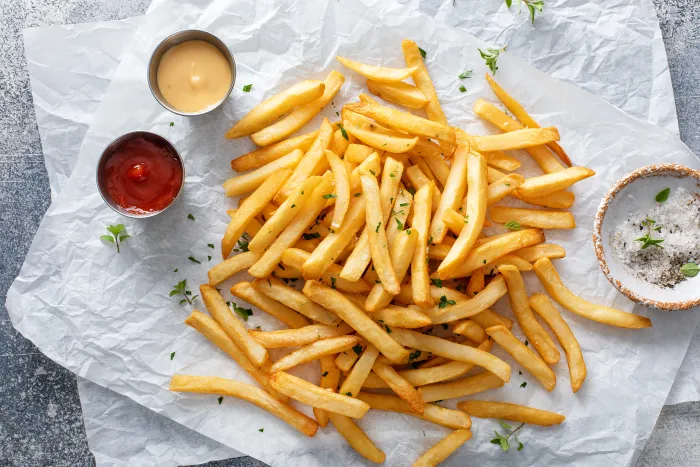
French fries are one of the world’s most beloved comfort foods, enjoyed in restaurants, fast-food chains, and home kitchens. Their irresistible combination of crispness, warmth, and salty flavour makes them an easy favourite. Yet understanding French fries' nutrition is essential for anyone aiming to balance enjoyment with health-conscious choices. This guide explores what’s really in a portion of fries, how frying changes the potato, and how fries affect your heart, weight, and long-term wellbeing. You’ll also find smart strategies for enjoying them mindfully and healthier alternatives that satisfy the same craving with far fewer drawbacks.
Consult a Top Nutritionist for Personalised Advice
Why This Topic Matters?
- Fries are often served in portions much larger than necessary, encouraging overeating.
- They are a significant contributor to excess sodium and added fat in many people’s diets.
- Understanding their nutritional profile allows you to make informed, balanced food decisions.
French Fries Nutrition
French fries begin as whole potatoes, which are naturally rich in carbohydrates, fibre, and potassium. Once peeled, cut,
deep-fried, and salted, the nutritional profile changes significantly. While the details vary by brand, cooking method,
and portion size, several general principles hold.
Typical Nutritional Considerations
- Calories: Frying causes potatoes to absorb oil, increasing overall calorie density.
- Fat: Fries contain substantial amounts of fat. Oils vary in quality, and some choices are more heart-friendly than others.
- Saturated fat: Higher intake is associated with increased heart disease risk, so keeping it low is recommended.
- Trans fat: Although gradually eliminated in many regions, checking ingredients for “partially hydrogenated oils”
remains wise. - Sodium: Most fries are salted heavily, and too much sodium contributes to raised blood pressure and higher cardiovascular risk.
- Carbohydrates: Fries provide mainly carbohydrates but tend to be less filling per calorie than whole-food alternatives.
- Fibre and micronutrients: Potatoes hold valuable nutrients, yet peeling and frying reduce their fibre and vitamin
content.
Key Point
Most health concerns stem not from potatoes themselves but from the combined effects of deep-frying, added salt, and
large portion sizes.
How Frying Changes a Potato?
Following are the changes seen while potato frying:
Oil Absorption
- Frying pushes oil into the potato, dramatically increasing its energy density compared to baking or boiling.
High-Heat By-Products
- Cooking at very high temperatures can produce acrylamide, a substance formed naturally in starchy foods exposed to
intense heat. While you cannot avoid it entirely, frying to a light golden colour helps minimise levels.
Palatability and Overconsumption
- The mix of crunch, salt, and fat creates an appealing flavour profile that can encourage larger servings and habitual
cravings.
Sodium and Your Heart
Dietary sodium intake is a key factor in blood pressure control. Many people consume far more than recommended,
and fries are among the most common high-sodium foods.
Why Does It Matter?
- Too much sodium contributes to hypertension, increasing risk of stroke and heart disease.
- Restaurant and fast-food meals contribute a large portion of daily sodium intake.
Practical Ways to Reduce Sodium
- Order small portions rather than large.
- Ask for fries without added salt, and season lightly with herbs or spices instead.
- Choose lower-sodium side options when available.
Fat Quality Matters as Much as Quantity
Not all fats have the same health impact. The type of fat used in frying plays a major role in how fries fit into your diet.
Healthier vs. Less Healthy Fats
- Liquid oils like canola and olive oil provide more unsaturated fats, which can be better for heart health.
- Solid fats and industrial trans fats are linked to increased cardiovascular risk.
- Homemade fries made with minimal oil and cooked through baking or air-frying allow better control of fat type and
quantity.
Fast Food Facts: Portion Size and Frequency Matter
Research suggests regular consumption of fried foods is associated with increased risk of heart disease and metabolic
conditions. This doesn’t mean fries must be eliminated—only that mindful enjoyment makes a meaningful difference.
Practical Approaches for Real Life
- Opt for smaller or children’s portions.
- Decline “value-sized” increases, which only add calories, sodium, and fat.
- Consider replacing one weekly portion of fries with a healthier side.
- Limit high-calorie dips; choose modest amounts or lighter alternatives instead.
Are There Any Benefits to Fries?
Although fries are not classified as a health food, they are not entirely without redeeming qualities.
Potential Advantages
- Potassium: Potatoes naturally contain potassium, which supports normal blood pressure, though levels decrease when
potatoes are processed and fried. - Satisfaction factor: Enjoying a small portion mindfully may help curb cravings and prevent overindulgence later.
Healthy Alternatives to French Fries
When cravings strike, several alternatives provide the same crunch and satisfaction while keeping fat, sodium, and
calories much lower.
At Home
- Oven-roasted potato wedges: Coat lightly with olive or canola oil and season with herbs and spices.
- Air-fryer fries: Use minimal oil and cook until golden rather than dark.
- Sweet potato wedges: Rich in vitamin A, especially when roasted rather than deep-fried.
- Vegetable “fries”: Roast carrot, parsnip, or courgette strips for a nutrient-dense alternative.
- Polenta or chickpea fries (baked): Crisp well in the oven and offer higher fibre.
When Eating Out
- Swap fries for salads, fruit, steamed vegetables, or a whole-grain option if available.
- Share an order of fries with a friend and add a vegetable-based side.
- Request no added salt and avoid toppings high in fat or sodium.
Smart Strategies When Eating Fries?
Even with healthier alternatives, sometimes only fries will satisfy. These strategies help you enjoy them without
sacrificing balance.
Mind the Portion
- Choose small sizes and avoid double servings.
Balance Your Meal
- Combine fries with lean protein and vegetables rather than other high-fat sides.
Rethink the Dips
- Use small servings of ketchup or try lighter options such as mustard, yoghurt-based dips, or salsa.
Better-at-Home Techniques
- Soak evenly cut potatoes before cooking to improve texture.
- Opt for baking or air-frying with small amounts of heart-healthy oil.
- Cook to a golden colour to help keep acrylamide levels lower.
- Season with herbs, spices, citrus zest, or vinegar instead of additional salt.
Who Should Be Especially Cautious?
Some people may need to pay closer attention to their fry intake due to health conditions.
Higher-Risk Groups
- People with high blood pressure or cardiovascular conditions benefit from limiting sodium and saturated fat.
- Individuals with diabetes or prediabetes should be mindful of energy-dense foods and pair small portions with protein
and vegetables. - Children can exceed sodium recommendations quickly, making healthier sides a preferable routine choice.
Bottom Line
French fries can certainly have a place in a balanced diet, but moderation is key. Enjoying them occasionally, choosing
smaller portions, and pairing them with nutrient-dense foods allows you to savour them without compromising your
health goals.
Conclusion
French fries are undeniably delicious, but enjoying them responsibly requires awareness and balance. By understanding
their nutritional profile, you can make mindful decisions that align with your long-term health. Choosing smaller portions, preparing them with healthier methods, and experimenting with nutritious alternatives all contribute to a wiser approach. It’s not about eliminating fries entirely but about enjoying them in ways that support your wellbeing. With thoughtful habits, you can satisfy cravings while still nourishing your body effectively.
Consult a Top Nutritionist for Personalised Advice
Consult a Top Nutritionist for Personalised Advice

Dr. Ramalinga Reddy
General Physician
5 Years • MBBS MD General medicine
Bengaluru
PRESTIGE SHANTHINIKETAN - SOCIETY CLINIC, Bengaluru

Dt. Prabhavathy
Clinical Nutritionist
8 Years • Msc Human Nutrition & Nutraceuticals
Madurai
Apollo Sugar Clinics, Madurai, Madurai

Dr Sumanth R
General Physician
2 Years • MBBS
Bengaluru
PRESTIGE SHANTHINIKETAN - SOCIETY CLINIC, Bengaluru

Ms. Bhavana Shetty
Dietician
7 Years • DDHN & Masters in Clinical Nutrition & Dietetics
Bangalore
Apollo Sugar Clinic, Seetha circle bangalore, Bangalore
Dt. Ila Sharma
Clinical Nutritionist
18 Years • Master in food & Nutrition
Gurugram
VIPUL GREENS - SOCIETY CLINIC, Gurugram
Consult a Top Nutritionist for Personalised Advice
Dr. Ramalinga Reddy
General Physician
5 Years • MBBS MD General medicine
Bengaluru
PRESTIGE SHANTHINIKETAN - SOCIETY CLINIC, Bengaluru
Dt. Prabhavathy
Clinical Nutritionist
8 Years • Msc Human Nutrition & Nutraceuticals
Madurai
Apollo Sugar Clinics, Madurai, Madurai
Dr Sumanth R
General Physician
2 Years • MBBS
Bengaluru
PRESTIGE SHANTHINIKETAN - SOCIETY CLINIC, Bengaluru
Ms. Bhavana Shetty
Dietician
7 Years • DDHN & Masters in Clinical Nutrition & Dietetics
Bangalore
Apollo Sugar Clinic, Seetha circle bangalore, Bangalore
Dt. Ila Sharma
Clinical Nutritionist
18 Years • Master in food & Nutrition
Gurugram
VIPUL GREENS - SOCIETY CLINIC, Gurugram
More articles from General Medical Consultation

Frequently Asked Questions
Q.Are French fries bad for you?
French fries aren’t inherently harmful, but their high sodium, fat, and calorie content can pose concerns when eaten frequently. Having a small portion occasionally fits more comfortably within balanced eating habits, especially when the rest of your diet is nutrient-rich and lower in processed foods.
Q.Are sweet potato fries healthier than regular fries?
Sweet potatoes provide more vitamin A, but once deep-fried and salted their nutritional advantages narrow considerably. Baked or air-fried sweet potato wedges are a genuinely healthier option compared with any deep-fried version, making them a better everyday choice.
Q.Do air fryers make fries healthy?
Air fryers significantly reduce the amount of oil needed, lowering both calories and fat. While they don’t transform fries into a health food, they offer a more balanced alternative to deep-frying. Keeping the seasoning light and avoiding excessive browning makes them even better.
Q.What is the best oil to use for homemade fries?
Oils rich in unsaturated fats, such as canola or olive oil, offer a more heart-conscious option for homemade fries. Using only a small amount supports better nutrition overall, and baking or air-frying with a thin coating is typically preferable to deep-frying.
Q.How often can I eat fries?
There is no universal rule, but the ideal frequency depends on your overall eating pattern and health goals. Limiting fried foods and choosing fries only occasionally keeps sodium and saturated fat intake under control. Opting for healthier sides most of the time helps maintain dietary balance.