



Ashwagandha: Ayurveda Benefits, Uses & Side Effects
Explore Ashwagandha benefits for stress relief, sleep, and energy. Evidence-based uses, side effects, dosage, and safety of this Ayurvedic adaptogen.

Written by Dr. M L Ezhilarasan
Reviewed by Dr. Shaik Abdul Kalam MD (Physician)
Last updated on 14th Jan, 2026
Introduction
Ashwagandha, also known as Withania somnifera, is one of the most widely used Ayurvedic adaptogens, valued for its potential to support stress relief, sleep quality and balanced energy. As interest in natural wellness grows, many people are exploring herbal supplements to help manage everyday demands. However, understanding what the research truly shows and how to use this herb safely is essential. This clear, evidence-based guide explains Ashwagandha benefits, common uses, side effects, safety considerations and how to choose a high-quality product without falling for exaggerations or unsupported claims. The goal is to empower you with reliable information so you can make informed decisions about your health.



What Is Ashwagandha?
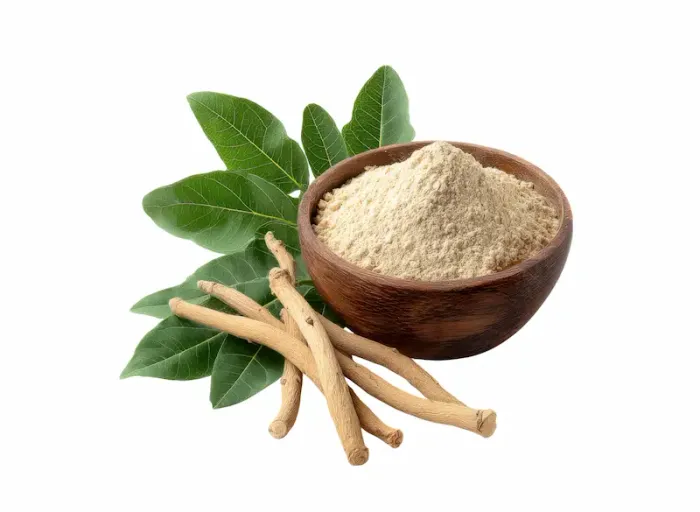
Ashwagandha has played a central role in Ayurveda for centuries, where it is traditionally used to support vitality, resilience and mental balance. It is commonly referred to as an adaptogen, a term used for herbs believed to help the body cope with physical and emotional stress. Modern supplements typically use root extracts that are standardised to contain specific levels of withanolides, the active compounds thought to contribute to many of the herb’s potential effects.
Key Features of Ashwagandha
Key features of ashwagandha are:
• A medicinal herb rooted in Ayurvedic tradition.
• Considered an adaptogen that may assist the body in managing stress.
• Usually prepared from the root, with modern extracts standardised to withanolide content.
Why This Topic Matters?
Interest in natural stress support has grown rapidly, and supplements are now more accessible than ever. While ashwagandha shows encouraging potential, it is important to understand what it can realistically offer, who may need to avoid it and how to use it safely. Evidence-based awareness helps prevent misuse, reduces risks and ensures people choose products that align with their health needs.
Evidence-Based Ashwagandha Benefits?
Research into ashwagandha is expanding, particularly in the areas of stress, sleep and anxiety. Many studies are small or moderate in size and typically run for eight to twelve weeks, so findings should be interpreted carefully. Nonetheless, several key benefits have been noted.
Stress Relief and Anxiety
• Multiple controlled trials suggest standardised ashwagandha extract may reduce perceived stress and mild anxiety when compared with a placebo.
• Some studies have shown modest reductions in cortisol, the hormone associated with stress.
• Improvements usually develop after four to eight weeks of consistent supplementation.
Sleep Quality
• Research involving adults with sleep difficulties suggests the herb may improve sleep quality and reduce the time needed to fall asleep.
• Changes tend to be modest but can build gradually with regular use.
Energy, Fatigue and Well-being
• Some participants in clinical trials report small improvements in energy, reduced fatigue and a greater sense of well-being, often linked to better sleep and stress management.
Cognitive Support
• Early evidence indicates potential benefits for memory, attention and processing speed in specific groups.
• Larger and longer trials are needed to confirm cognitive effects.
Physical Performance
• Small studies in active adults have reported possible gains in strength, VO2 max or post-exercise recovery.
• Results vary and should be considered preliminary.
Other Possible Benefits
• Blood sugar and lipids: Some studies show small improvements, though results are inconsistent and not strong enough to replace medical treatment.
• Male reproductive health: Limited research suggests potential improvements in certain semen parameters in some men.
• Thyroid function: A small study found improvements in subclinical hypothyroidism, but there are case reports of excessive thyroid hormone levels. This makes medical guidance essential for people with thyroid disorders.
Key Takeaway
Ashwagandha may be most effective for stress relief, mild anxiety and sleep quality. Other effects are possible but less certain, and responses differ from person to person.
Who Should Avoid or Use it With Caution: Ashwagandha?
While generally well-tolerated for short-term use, ashwagandha is not suitable for everyone. Some groups should avoid it altogether or use it only under medical supervision.
Groups That Should Avoid Or Use Caution
• Pregnant people: Not recommended due to potential risks, including pregnancy loss.
• Breastfeeding individuals: Safety remains uncertain and should only be used with a clinician's advice.
• Thyroid disorders: Possible effects on thyroid hormones mean that monitoring is crucial.
• Autoimmune conditions or immunosuppressive therapy: Potential immune activity may interfere with treatment.
• Liver disease: Rare cases of liver injury have been linked to ashwagandha.
• Surgery or anaesthesia: Stop at least two weeks before because of potential sedative effects.
• Children and adolescents: Safety data are limited and require guidance from a paediatric clinician.
Possible Side Effects
The possible side effects include:
Most people tolerate ashwagandha well for short periods, but some may experience side effects.
Common and Rare Side Effects
It includes:
• Gastrointestinal discomfort such as nausea, diarrhoea or stomach upset.
• Drowsiness or a calming, sedative effect.
• Headache or dizziness.
• Rare allergic skin reactions.
• Liver injury, also rare but serious, with symptoms such as jaundice, dark urine, abdominal pain and severe fatigue.
• Thyroid effects that may raise hormone levels in susceptible individuals.
Drug and Supplement Interactions
Ashwagandha may interact with several types of medication and supplements, so checking with a healthcare professional is important.
Potential Interactions
• Sedatives or anti-anxiety medicines due to increased drowsiness.
• Thyroid medicines, because ashwagandha may alter hormone levels.
• Blood pressure or blood sugar medicines due to possible additive effects.
• Immunosuppressants as the herb, may influence immune activity.
How To Choose a Quality Supplement?
Supplements vary widely in quality, so selecting a reliable product is essential.
Tips For Choosing A High-Quality Product
Tips include:
• Choose standardised extracts listing withanolide percentages, often 2.5 to 5 percent.
• Prefer root-only products, as many clinical trials used root extracts rather than leaf blends.
• Look for third-party testing from organisations such as USP, NSF or Informed Choice.
• Read labels carefully to avoid unnecessary additives or proprietary blends.
• Buy from reputable brands that provide transparent testing information.
Typical Dosing Used in Studies
Doses vary depending on extract strength and formulation. Many clinical trials have used standardised extracts, which offer more predictable potency.
Common Doses
• Traditional root powders may require larger gram-level doses but are less consistent.
• Start with a low dose to assess tolerance. Taking the supplement with food can reduce digestive discomfort. Some people prefer taking it in the evening due to its calming effects, while others use divided doses.
How Long Does It Take To Work?
For stress, sleep and general well-being, many studies report noticeable improvements within four to eight weeks. If no meaningful change occurs after eight to twelve weeks, or if side effects emerge, discuss adjusting or stopping with your healthcare provider.
Safety Tips For Best Results
Safety tips are given below. Using ashwagandha effectively means pairing it with good overall health habits.
Helpful Safety Practices
• Combine ashwagandha with healthy lifestyle practices such as regular exercise, balanced nutrition and good sleep routines.
• Tell your doctor about all supplements you take, especially before surgery or if you have chronic conditions.
• Watch for side effects such as liver or thyroid changes and seek medical care if concerning symptoms appear.
• Limit use to short periods, as long-term data are limited.
Are Ayurvedic Adaptogens Right For You?
Ayurvedic adaptogens like ashwagandha can support some people in managing everyday stress and improving restful sleep. They are not cures for medical conditions and should not replace treatments recommended by clinicians. When used thoughtfully, alongside healthy habits and proper guidance, ashwagandha can be a supportive addition to a well-rounded wellness plan.
Conclusion
Ashwagandha remains one of the most researched Ayurvedic herbs, offering potential benefits for stress management, sleep quality and general well-being. While many people find it helpful, its effects vary, and it is not suitable for everyone. Paying attention to quality, dosage, and possible interactions can make its use safer and more effective. Combining ashwagandha with healthy lifestyle habits strengthens its potential benefits. Before starting, it is always wise to speak with a healthcare professional who can help determine whether it fits your individual needs and health goals.
More articles from General Medical Consultation





Frequently Asked Questions
1) What are the top Ashwagandha benefits?
The best-supported benefits are stress relief, reduced mild anxiety, and better sleep quality over 4–8 weeks. Some people also report improved energy and well-being. Other potential effects (on exercise performance, blood sugar, fertility, or cognition) are less consistent and need more research.
2) Is ashwagandha safe to take daily?
Short-term use (up to about 3 months in studies) appears generally well tolerated for most healthy adults. Possible side effects include stomach upset and drowsiness; rare cases of liver injury have been reported. Long-term safety is not well established. Check with your clinician if you take medications or have health conditions.
3) Can ashwagandha help with stress relief if I already take anxiety medication?
It might increase sedation or interact with your medication. Do not add ashwagandha without speaking with your prescriber. Never stop or adjust prescribed medicines on your own.
4) Who should avoid ashwagandha?
Avoid if you are pregnant or breastfeeding, have active liver disease, or plan surgery soon. Use caution and medical guidance if you have thyroid disease, autoimmune conditions, diabetes, or take thyroid, blood pressure, blood sugar, sedative, or immunosuppressant medications.
5) What dose should I start with, and when should I take it?
Many studies used 300 mg of standardised root extract twice daily. A conservative approach is to start with a lower dose once daily to assess tolerance, then increase as needed and as directed on the label. If it makes you drowsy, take it in the evening. Always follow your product’s instructions and consult your healthcare provider.