


Cranberry Juice: Ayurveda Uses, Benefits & Effects
Evidence-based guide to cranberry juice benefits, UTI remedies, and Ayurveda drinks. Learn what works, what doesn’t, plus safety tips and smart ways to sip.

Introduction
Cranberry juice has a long-standing reputation for supporting urinary health. Many people look to cranberry juice benefits as a simple, natural step to help lower UTI risk, explore gentle UTI remedies alongside medical care, and even enjoy it as part of Ayurveda drinks for daily wellness. But what does science really say, and how can you use cranberries safely and effectively? This guide explains the evidence, the practical tips, and the cautions, clearly and simply.
What Is Cranberry Juice?
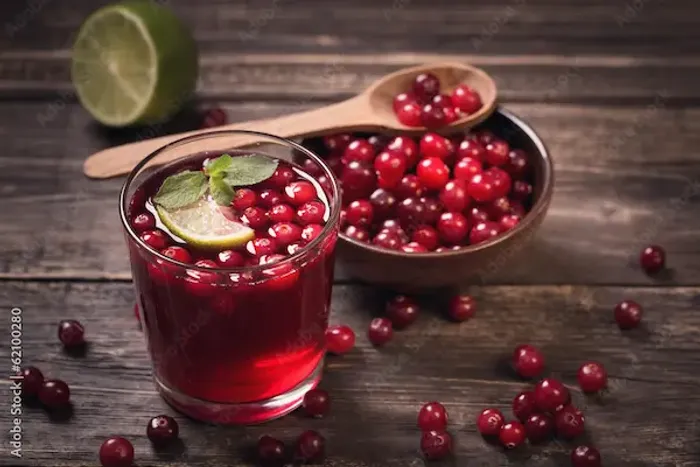
Cranberry juice comes from cranberries, a tart, deep-red berry rich in plant compounds called polyphenols (including proanthocyanidins, or PACs). These compounds are thought to help prevent certain bacteria from sticking to the urinary tract lining, which may lower the chance of a urinary tract infection (UTI) in some people. You’ll find cranberry as:
- 100% unsweetened cranberry juice (very tart)
- Cranberry juice cocktail (typically sweetened blends)
- Concentrates and powders
- Dietary supplements (capsules/tablets), sometimes standardized for PACs
Cranberry Juice Benefits At A Glance
The most studied potential benefits include:
- May help prevent recurrent UTIs in some groups: Evidence suggests cranberry products can reduce the risk of recurring
UTIs, especially in certain populations. This is prevention, not treatment. - A hydration helper: Diluted cranberry juice can contribute to fluid intake, and staying hydrated supports urinary health.
- Antioxidant polyphenols: Cranberries contain antioxidants that support overall wellness; however, specific disease-
prevention claims beyond UTIs are not firmly established.
Key Takeaways
- Cranberry is best viewed as a preventive strategy for some people prone to UTIs.
- It does not cure an active UTI. If you have symptoms, you need medical evaluation and appropriate treatment.
Cranberry Juice And Uti Remedies: What Science Says?
- Prevention vs. treatment: Research indicates cranberry products may lower the chance of UTIs coming back in some
people, likely by making it harder for bacteria (like E. coli) to adhere to the urinary tract walls. However, cranberry
does not treat an existing infection. For symptoms such as burning urination, urgency, fever, or back pain, see a
clinician, antibiotics may be needed. - Who seems to benefit most: Studies have found a preventive benefit particularly in women with recurrent UTIs and in
some children. Evidence is less consistent for older adults or people with certain bladder conditions. If you’re unsure,
ask your healthcare provider whether cranberry is a reasonable option for you. - Juice vs. supplements: Many studies used cranberry capsules or standardized extracts. Juices vary widely in cranberry
content and added sugar. Some supplements list a standardized amount of proanthocyanidins (PACs), which research
suggests are key to the anti-adhesion effect. Because products differ, there isn’t a single “official” dose, speak with your
clinician and choose reputable brands. - What to expect: Cranberry is a “helper,” not a guarantee. Combine it with other proven prevention steps (see “Day-to-
Day Prevention Tips,” below).
Consult a Top General Physician
Ayurveda Drinks With Cranberry: Tradition Meets Today
Cranberries are native to North America and are not a classical fruit in traditional Ayurvedic texts. Still, many modern
wellness routines inspired by Ayurveda incorporate cranberry for its tart, astringent taste and its potential urinary
support, pairing it with warming spices. These are culinary ideas to support hydration and enjoyment, not medical
treatments.
Simple Ayurveda-Inspired Cranberry Drink Ideas
- Cranberry-ginger spritzer: Mix 1–2 oz unsweetened cranberry juice with still or sparkling water, add a few slices of fresh
ginger, and a squeeze of lemon or a cinnamon stick. Sweeten lightly if needed with a small amount of honey (avoid
honey for children under 1). - Warm cranberry-spice infusion: Gently warm diluted unsweetened cranberry juice with a slice of fresh ginger and a
pinch of cinnamon; do not boil. Sip warm.
Note: These Ayurveda drink ideas are for flavor and hydration. They are not proven therapies and should not replace medical care for UTIs.
How To Choose Cranberry Products Wisely?
- Read the label: 100% cranberry juice is very tart and often diluted before drinking. “Cranberry juice cocktail” typically
contains added sugars, keep portions modest. - Go easy on sugar: High-sugar beverages are not ideal for overall health. Consider diluting unsweetened juice with
water, or choose low-sugar options. - Consider standardized supplements: If you prefer capsules, look for brands that indicate standardized PAC content and
have third-party quality testing. Discuss with your healthcare provider, especially if you have medical conditions or take
medications. - No set dosage: Research has used different forms and amounts. Because there’s no universal dose, use cranberry as part
of a broader prevention plan, and monitor how you feel. - Hydration matters: Adequate daily fluids help maintain urinary health, with or without cranberry.
Safety, Side Effects, And Interactions
Most people can safely enjoy cranberries in food and beverage amounts. Still, keep these cautions in mind:
- Warfarin interaction: Cranberry may interact with the blood thinner warfarin, potentially affecting bleeding risk. If you
take warfarin (or any blood thinner), speak with your clinician before using cranberry products. - Kidney stones: Cranberries contain oxalate. People with a history of calcium oxalate kidney stones should ask a
healthcare provider before using cranberries regularly. - Stomach upset: Large amounts can cause gastrointestinal discomfort or diarrhea in some individuals.
- Sugar and calories: Sweetened cranberry drinks add extra sugar. Favor unsweetened or lightly sweetened versions.
- Pregnancy and breastfeeding: Cranberry as a food or beverage is generally considered safe. For supplements, consult
your clinician first. - Children: Cranberries as part of a balanced diet are usually fine. Avoid high-sugar beverages.
When To See A Doctor For A Suspected UTI?
Seek medical care promptly if you have:
- Burning pain with urination, frequent urges to urinate, or cloudy/bloody urine
- Pelvic or back pain, fever, chills, nausea, or vomiting
- UTI symptoms during pregnancy
- Recurrent UTIs (two or more in six months, or three in a year)
- UTIs in children, men, or older adults with other health conditions
Remember: Cranberry can help prevent recurrence for some people, but it does not cure an active infection. Untreated UTIs can lead to complications.
Day-To-Day Prevention Tips Beyond Cranberry
Cranberries can be one tool among many. Evidence-based habits that may help reduce UTI risk include:
- Hydration: Drink enough fluids so your urine is pale yellow.
- Don’t delay: Urinate when you feel the urge; don’t “hold it” for long periods.
- After sex: Urinate soon after sexual activity.
- Wipe front to back to help prevent bacteria from reaching the urethra.
- Avoid spermicides if you get frequent UTIs; talk to your clinician about alternatives.
- For some postmenopausal women, topical vaginal estrogen (prescribed by a clinician) may help reduce recurrent UTIs.
- Follow your clinician’s plan if you have recurrent UTIs; ask where cranberries might fit.
How Cranberry Fits Into A Healthy Lifestyle?
- Think “add, don’t overdo”: Use a small amount of unsweetened cranberry juice diluted in water for flavor and variety.
- Focus on whole-diet patterns: A balanced diet rich in fruits, vegetables, whole grains, and lean proteins supports overall
health. - Combine strategies: If you’re prone to UTIs, cranberries may be an add-on to personalized prevention steps your
clinician recommends.
Consult a Top General Physician
Consult a Top General Physician

Dr. Samir Dasgupta
Internal Medicine Specialist Diabetologist
40 Years • M.B.B.S., M.D. (Internal Medicine)
Kolkata
Apollo Hospitals, Narendrapur, Kolkata, Kolkata


Dr. Syed Ismail Ali
General Practitioner
7 Years • MBBS
Hyderabad
Apollo 24|7 Clinic, Hyderabad

Dr. Harshendra Jaiswal
General Physician/ Internal Medicine Specialist
12 Years • MBBS , MD (General medicine)
Kolkata
108 DHANA DHANVANTARI Clinic, Kolkata

(25+ Patients)

Dr Syed Mateen Pasha
General Physician
2 Years • MBBS
Bengaluru
PRESTIGE SHANTHINIKETAN - SOCIETY CLINIC, Bengaluru

Dr. Anand Ravi
General Physician
2 Years • MBBS, FEM
Bengaluru
PRESTIGE SHANTHINIKETAN - SOCIETY CLINIC, Bengaluru
Consult a Top General Physician
Dr. Samir Dasgupta
Internal Medicine Specialist Diabetologist
40 Years • M.B.B.S., M.D. (Internal Medicine)
Kolkata
Apollo Hospitals, Narendrapur, Kolkata, Kolkata
Dr. Syed Ismail Ali
General Practitioner
7 Years • MBBS
Hyderabad
Apollo 24|7 Clinic, Hyderabad
Dr. Harshendra Jaiswal
General Physician/ Internal Medicine Specialist
12 Years • MBBS , MD (General medicine)
Kolkata
108 DHANA DHANVANTARI Clinic, Kolkata
(25+ Patients)
Dr Syed Mateen Pasha
General Physician
2 Years • MBBS
Bengaluru
PRESTIGE SHANTHINIKETAN - SOCIETY CLINIC, Bengaluru
Dr. Anand Ravi
General Physician
2 Years • MBBS, FEM
Bengaluru
PRESTIGE SHANTHINIKETAN - SOCIETY CLINIC, Bengaluru
More articles from General Medical Consultation



.jpeg)

Frequently Asked Questions
1. Does cranberry juice treat a UTI?
No. Cranberry does not treat an active UTI. If you have symptoms like burning urination, urgency, fever, or back pain, see a healthcare provider. Cranberries may help reduce the chance of future UTIs in some people, but antibiotics are often needed for treatment.
2. How much cranberry juice should I drink to prevent UTIs?
There is no single, proven “dose.” Studies vary in the type and amount of cranberry used. If you choose juice, favor unsweetened versions and dilute to reduce sugar. If you choose supplements, look for reputable brands and talk with your clinician, especially if you take medications or have kidney stone risk.
3. Which is better, cranberry juice or cranberry pills?
Both forms have been studied. Supplements can provide standardized amounts of key compounds (PACs), while juices vary widely in cranberry content and sugar. The “best” choice depends on your goals, preferences, tolerance for tartness, sugar intake, and medical profile. Ask your clinician for personalized guidance.
4. Are Ayurveda drinks with cranberry helpful for UTIs?
Modern Ayurveda-inspired drinks with cranberry can support hydration and may be a pleasant, tart option. However, they are not proven treatments for UTIs. Use them as part of a healthy routine, and seek medical care for UTI symptoms.
5. Is cranberry safe for everyone?
Cranberry as food or drink is safe for most. Be cautious if you take warfarin (or other blood thinners) or if you have a history of calcium oxalate kidney stones. Large amounts can upset the stomach. Pregnant or breastfeeding individuals and parents of young children should consult a clinician before using cranberry supplements.