


Watercress Health Benefits, Uses, and Side Effects
Discover watercress benefits, simple uses, and side effects. Learn how this crisp leafy green supports heart, bone, and immune health safely.

Written by Dr. Mohammed Kamran
Reviewed by Dr. Shaik Abdul Kalam MD (Physician)
Last updated on 13th Jan, 2026
Introduction: Why Watercress Matters
Watercress deserves a place in any vegetable lover’s kitchen. This crisp, peppery leafy green is among the most nutrient-dense vegetables available, searching for “watercress benefits” a popular one. Despite its light weight and low calorie content, watercress supplies a generous amount of vitamins, minerals, and protective plant compounds. In the following guide, you will learn what makes watercress unique, how to incorporate it into meals, and what to keep in mind so that you can enjoy it both safely and confidently. With its versatility and impressive nutrient profile, watercress is an easy way to elevate everyday dishes while supporting overall well-being.Consult a Top Nutritionist for Personalised Advice
What Is Watercress?
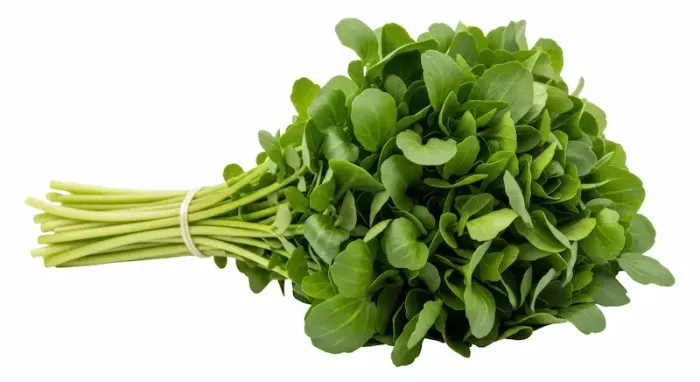
Watercress, scientifically known as Nasturtium officinale, is a cruciferous vegetable belonging to the same family as broccoli, kale, and rocket. It naturally thrives in cool, clear, flowing water and is typically sold in bunches or protective clamshell packs. The plant’s round, tender leaves and crunchy stems deliver a clean, peppery flavour that works well in salads, soups, sandwiches, and quick stir-fries. Its crisp texture and subtle heat add contrast and freshness to many dishes, making it a simple yet vibrant ingredient for both home cooks and chefs.
Top Watercress Benefits at a Glance
The benefits of watercress include:
• Nutrient-dense and rich in vitamins K, C, A (as carotenoids), folate, and calcium.
• Supports heart health due to natural nitrates and antioxidant compounds.
• Contributes to strong bones with vitamin K and calcium.
• Provides carotenoids and vitamin C for eye and skin support.
• Easy to use in salads, sandwiches, eggs, soups, and smoothies.
Evidence-Based Health Benefits
Some evidence-based health benefits include:
Heart Health and Circulation
What do We Know?
• Diets rich in leafy vegetables are associated with better cardiovascular outcomes.
• Greens like watercress contain natural dietary nitrates that the body converts to nitric oxide, which helps blood vessels relax.
• Nitrates from vegetables differ from those associated with processed meats and can support heart function when included as part of a balanced diet.
Why It Matters?
• Over time, including watercress and other leafy greens in meals may contribute to healthier blood pressure and improved circulation.
• Consistent vegetable intake helps provide a broad spectrum of compounds that support vascular health.
Bone Health
What do We Know?
• Watercress is an excellent source of vitamin K, a nutrient essential for normal blood clotting and for activating proteins involved in bone mineralisation.
• Calcium and folate in watercress also contribute to long-term bone strength and stability.
Why It Matters?
• Meeting vitamin K requirements through foods like watercress can support a bone-friendly lifestyle that includes balanced nutrition, adequate vitamin D, weight-bearing activity, and avoiding smoking.
Immune and Skin Support
What do We Know?
• Vitamin C supports immune function and collagen formation, which is essential for healthy skin structure.
• Carotenoids and antioxidants in watercress contribute to protection against oxidative stress, a natural process that can affect skin and immune health.
Why It Matters?
• Including a variety of colourful vegetables, such as watercress, helps build a broad antioxidant intake, creating a foundation for resilient skin and a responsive immune system.
Eye Health
What We Know
• Leafy greens supply lutein and zeaxanthin, carotenoids that are concentrated in the retina.
• Higher intake of these nutrients is linked with a lower likelihood of age-related macular degeneration.
Why It Matters?
• Adding watercress to regular meals, especially alongside other greens, provides a helpful boost of these vision-supporting nutrients.
Weight and Blood Sugar Support
What do We Know?
• Watercress is low in calories yet offers fibre and meal volume.
• Vegetables high in fibre and low in calories can support satiety and steady blood sugar levels when used to replace refined foods.
Why It Matters?
• Filling half the plate with vegetables, including greens like watercress, is a practical and sustainable approach to maintaining a healthy weight and supporting better metabolic health.
How to Use Watercress?
Tips for watercress use are:
Smart Shopping and Storage
• Choose leaves that are firm, deep green, and free of slimy or yellow patches.
• Store loosely wrapped in a paper towel inside a breathable container in the refrigerator.
• Rinse under cool running water before using, then dry using a clean towel or salad spinner.
• Trim thicker stems if you prefer a more delicate texture in salads.
Safe Handling Tips
• Wash watercress thoroughly before eating to reduce dirt or germ exposure.
• Avoid wild-harvested watercress, as it may carry parasites if grown in contaminated water.
• Buy from reliable sellers or grow it safely at home for peace of mind.
Easy Ways to Eat More Watercress
Easy ways to eat more watercress is:
• Toss into salads with lemon juice, olive oil, salt, and parmesan.
• Add to sandwiches such as egg, turkey, tuna, or cheese for a peppery crunch.
• Stir into soups or stir-fries in the final minutes of cooking for a fresh finish.
• Fold into omelettes or scrambled eggs for colour and texture.
• Blend with herbs, olive oil, and nuts to create a bright pesto or salsa verde.
• Add a small handful to smoothies for a nutrient boost without overpowering flavour.
Possible Side Effects and Precautions
Possible side effects and precautions include:
Vitamin K and Blood Thinners
• Watercress contains a significant amount of vitamin K, which affects clotting.
• If you take warfarin or related medicines, maintain a consistent intake of vitamin K-rich foods and speak with your healthcare team before making dietary changes.
Thyroid Considerations
• Cruciferous vegetables contain natural compounds that can interfere with iodine uptake when consumed in very large raw quantities.
• For individuals with adequate iodine intake, this is usually not a concern.
• Cooking helps reduce these compounds, and balanced intake is generally well tolerated.
• If you have a thyroid condition, ask your clinician about your overall consumption of cruciferous vegetables.
Food Safety and Pregnancy
Tips for food safety and pregnancy include:
• Wash watercress thoroughly before eating. During pregnancy, follow standard produce safety practices such as rinsing under running water and avoiding cross-contamination.
• Avoid wild watercress due to potential parasite exposure.
Allergies and Sensitivities
• Watercress allergies are rare but possible.
• Signs such as itching, swelling, or breathing difficulties require medical attention.
Digestive Comfort
• Watercress contains fibre, which can cause temporary bloating if introduced suddenly.
• Increase intake gradually and ensure good hydration to maintain comfort.
How Watercress Fits into a Healthy Eating Pattern?
Ways in which watercress fits into healthy eating patterns are:
Variety Is Key
• Eating a mix of vegetables throughout the week provides a wider range of nutrients and plant compounds.
Simple Plate Guidance
• Filling half your plate with vegetables and fruits helps meet daily recommendations for nutrient-rich foods.
Balance and Enjoyment
• Watercress adds flavour, colour, and crunch, making it easier to enjoy meals rich in vegetables.
Conclusion
Watercress may be small and delicate, but its nutrient density makes a noticeable contribution to a balanced diet. With vitamin K, vitamin C, folate, carotenoids, and calcium all packed into its peppery leaves, it offers a wide range of benefits for bones, skin, eyes, and overall wellness. Whether eaten raw in salads or lightly cooked in soups and stir-fries, watercress is simple to incorporate into daily meals. Just remember to wash it well, be cautious if you take blood thinners, and avoid wild-harvested varieties. When included as part of a diverse, plant-rich eating pattern, watercress becomes an easy and delicious way to enhance everyday nutrition.Consult a Top Nutritionist for Personalised Advice
Consult a Top Nutritionist for Personalised Advice

Dr. Ramalinga Reddy
General Physician
5 Years • MBBS MD General medicine
Bengaluru
PRESTIGE SHANTHINIKETAN - SOCIETY CLINIC, Bengaluru

Dt. Ila Sharma
Clinical Nutritionist
18 Years • Master in food & Nutrition
Gurugram
VIPUL GREENS - SOCIETY CLINIC, Gurugram

Dt. Prabhavathy
Clinical Nutritionist
8 Years • Msc Human Nutrition & Nutraceuticals
Madurai
Apollo Sugar Clinics, Madurai, Madurai

Ms. Bhavana Shetty
Dietician
7 Years • DDHN & Masters in Clinical Nutrition & Dietetics
Bangalore
Apollo Sugar Clinic, Seetha circle bangalore, Bangalore

Dr Sumanth R
General Physician
2 Years • MBBS
Bengaluru
PRESTIGE SHANTHINIKETAN - SOCIETY CLINIC, Bengaluru
Consult a Top Nutritionist for Personalised Advice
Dr. Ramalinga Reddy
General Physician
5 Years • MBBS MD General medicine
Bengaluru
PRESTIGE SHANTHINIKETAN - SOCIETY CLINIC, Bengaluru
Dt. Ila Sharma
Clinical Nutritionist
18 Years • Master in food & Nutrition
Gurugram
VIPUL GREENS - SOCIETY CLINIC, Gurugram
Dt. Prabhavathy
Clinical Nutritionist
8 Years • Msc Human Nutrition & Nutraceuticals
Madurai
Apollo Sugar Clinics, Madurai, Madurai
Ms. Bhavana Shetty
Dietician
7 Years • DDHN & Masters in Clinical Nutrition & Dietetics
Bangalore
Apollo Sugar Clinic, Seetha circle bangalore, Bangalore
Dr Sumanth R
General Physician
2 Years • MBBS
Bengaluru
PRESTIGE SHANTHINIKETAN - SOCIETY CLINIC, Bengaluru
More articles from General Medical Consultation





Frequently Asked Questions
Q.Is watercress healthier than kale or spinach?
Watercress, kale, and spinach are all nutrient-rich greens. Watercress has been ranked highly for nutrient density, but the best approach is to eat a variety of greens for a broad nutrient intake.
Q.Can I eat watercress raw every day?
Yes, provided it is washed properly and you tolerate it well. If you use blood thinners, keep your intake consistent and speak with your clinician.
Q.Does watercress prevent cancer?
No single food can prevent cancer. Cruciferous vegetables contain compounds that are being studied, but the evidence is not conclusive. Focus on an overall pattern rich in vegetables, fruits, whole grains, and legumes.
Q.How much watercress should I eat?
There is no specific required amount. Adding a handful several times per week contributes meaningfully to daily vegetable intake.
Q.Is wild watercress safe to eat?
It is best to avoid wild watercress due to potential contamination. Choose cultivated watercress from reliable sources and wash it well.