


The Gut-Health Connection: Link to Overall Well-Being
Explore the gut health connection to overall wellness with clear microbiome facts, food tips, and science-backed habits to support digestion, mood, and immunity.

Introduction
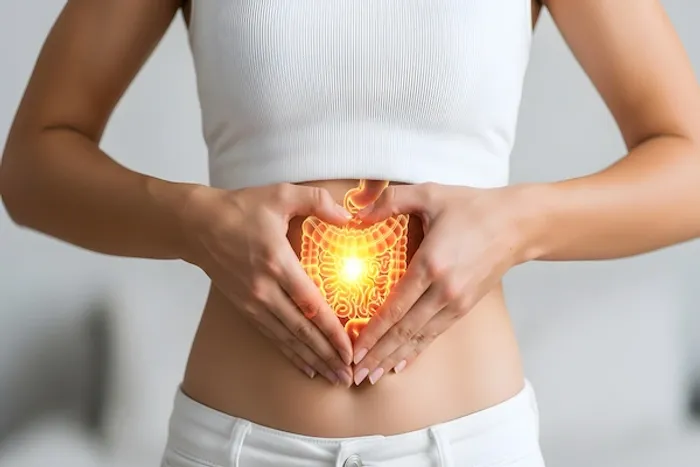
Your digestive tract is home to trillions of tiny organisms, mostly bacteria, that help you break down food, make certain vitamins, and train your immune system. This “gut microbiome” is central to how you feel day to day. Understanding the gut health connection can empower you to make simple choices that support digestion, energy, mood, and long-term health. In this guide, we’ll share easy, evidence-based steps and microbiome facts that support overall wellness.
What Is the Gut Microbiome?
- Your gut microbiome is the community of microbes that live in your intestines. These microbes:
- Help digest parts of food you can’t break down on your own (especially fiber)
- Produce short-chain fatty acids (SCFAs) that nourish the gut lining and help regulate inflammation
- Work alongside your immune system to defend against harmful germsInteract with your nervous
- and may influence how you feel and respond to stress
While everyone’s microbiome is unique, a diverse and balanced mix of microbes is generally linked with better digestive comfort and overall health.
Consult a Top Gastroenterologist
The Gut Health Connection to Overall Wellness
Your gut interacts with nearly every system in your body. Here’s how a healthy digestive ecosystem supports overall wellness:
- Immune function: A large portion of your body’s immune activity happens in the gut. A well-balanced microbiome helps your immune system recognise friends from foes and respond appropriately.
- Metabolism: Gut microbes help break down fibre into SCFAs that support a healthy gut barrier and metabolic health.
- Brain-gut communication: The gut and brain constantly “talk” through nerves, hormones, and immune signals. While research is ongoing, a stable gut environment may be linked with better mood and stress resilience.
- Protection from pathogens: Beneficial microbes crowd out harmful ones and produce substances that deter them.
Importantly, gut health is just one piece of the wellness picture. Diet, sleep, movement, stress, and medical care all work together.
Microbiome Facts You Can Trust
Here are some of the facts:
- A diet rich in plant foods (vegetables, fruits, legumes, whole grains, nuts, and seeds) supports a more diverse microbiome.
- Fermented foods (such as yoghurt with live cultures, kefir, kimchi, sauerkraut, miso, and tempeh) can add beneficial bacteria to your diet.
- Prebiotics are fibres that feed helpful gut microbes; probiotics are live microorganisms that may provide benefits in certain situations.
- Antibiotics can be lifesaving, but they also disrupt gut microbes, use them only when prescribed and necessary.
- There’s no single “perfect” microbiome. What matters most is overall balance, diversity, and how you feel.
Everyday Steps to Support Your Microbiome
Here are the steps to support your microbiome:
1. Build a Gut-Friendly Plate
- Focus on variety and fibre-rich foods. Over time, these habits support a healthier gut environment:
- Fill half your plate with vegetables and fruits: Aim for different colours across the week (think leafy greens, berries, carrots, and tomatoes).
- Choose whole grains: Oats, brown rice, quinoa, barley, and whole-wheat breads or pasta.
- Add legumes often: Beans, lentils, peas, and chickpeas are fibre powerhouses.
- Include nuts and seeds: Almonds, walnuts, chia, flax, and pumpkin seeds add fibre and healthy fats.
- Enjoy fermented foods: yoghurt with live and active cultures, kefir, kimchi, sauerkraut (unpasteurised/refrigerated), miso, and tempeh. Start small if these are new to you.
- Stay hydrated: Water helps fibre do its job and keeps digestion moving.
If you have a condition like irritable bowel syndrome (IBS), some high-fibre foods may trigger symptoms. A low-FODMAP eating plan can help some people with IBS, but it’s best done with guidance from a healthcare professional or a dietitian.
Prebiotics and Probiotics: What to Know
Here’s what you need to know about prebiotics and probiotics:
- Prebiotic foods feed beneficial microbes. Common examples: onions, garlic, leeks, asparagus, artichokes, bananas (especially slightly green), oats, and barley.
- Probiotics are live microbes found in foods and supplements. Some probiotic strains may help with specific issues like antibiotic-associated diarrhoea or certain IBS symptoms. Not all strains work for all people.
If you’re considering a probiotic supplement:
- Choose products that list the specific strains and colony-forming units (CFUs).
- Look for evidence of benefit for your specific concern.
- Talk with your clinician first if you are pregnant, have a serious illness, are immunocompromised, or are giving probiotics to an infant or child.
Lifestyle Habits That Help Your Gut
Here are some lifestyle habits that help your gut:
- Manage stress: Mind-body practices (deep breathing, meditation, yoga, and tai chi) and time in nature can ease stress-driven gut symptoms.
- Move your body: Regular physical activity supports digestion and overall health. Choose activities you enjoy and can do consistently.
- Prioritise sleep: Consistent, sufficient sleep helps regulate hormones, appetite, and stress, factors that can influence gut comfort.
- Limit ultra-processed foods and added sugars: A whole-foods pattern supports microbial diversity and long-term health.
Smart Use of Medications
Antibiotics treat bacterial infections but also decrease helpful gut bacteria. Use antibiotics only when needed and exactly as prescribed. If you need them, healthy eating and, in some cases, fermented foods or clinician-recommended probiotics may help your gut rebalance. Always discuss timing and safety with your healthcare provider.
Other medications (such as certain pain relievers or acid reducers) can affect the gut for some people. If you notice new symptoms after starting a medicine, ask your clinician whether an alternative or dose adjustment is appropriate.
Common Gut Symptoms: What’s Typical and What’s Not
It’s normal to have occasional bloating or changes in bowel habits after a big meal, travel, or stress. However, contact a healthcare professional if you notice:
- Blood in your stool or black, tarry stools
- Unintended weight loss
- Ongoing or worsening abdominal pain
- Persistent diarrhea or constipation
- Fever, dehydration, or fatigue along with gut symptoms
- Symptoms that interfere with daily life or sleep
Prompt care can identify problems early and offer relief.
Putting It All Together
You don’t need a perfect plan to support your microbiome. Start simple:
- Add one extra serving of vegetables or fruit each day.
- Swap in whole grains for refined grains when you can.
- Include a fermented food a few times a week.
- Build in short stress-management breaks (even 5 minutes counts).
- Keep active most days in ways you enjoy.
- Use antibiotics only when truly needed.
Over time, these small steps can strengthen the gut health connection and support overall wellness.
Consult a Top Gastroenterologist
Consult a Top Gastroenterologist

Dr. Bharani Immaneni
Gastroenterology/gi Medicine Specialist
12 Years • MD DM Gastroentrology
Secunderabad
Apollo Hospitals Secunderabad, Secunderabad

(75+ Patients)

Dr. Aakash Garg
Gastroenterology/gi Medicine Specialist
12 Years • MBBS, DNB (Medicine), DrNB (Gastroentrology).
Bilaspur
Apollo Hospitals Seepat Road, Bilaspur
(175+ Patients)

Dr Jayendra Shukla
Gastroenterology/gi Medicine Specialist
6 Years • DM (Gastroenterology) MRCP SCE (Hepatology)
Lucknow
Apollomedics Super Speciality Hospital, Lucknow
(75+ Patients)

Dr Pawanindra Lal
Minimal Access/Surgical Gastroenterology
35 Years • MBBS,MS(SURGERY),DNB(SURGERY)
Noida
Apollo Hospitals Sector 26, Noida

Dr Bhaskar Kante
Gastroenterology/gi Medicine Specialist
8 Years • MBBS(OSM)MD INTERNAL MEDICINE (PGIMER, CHANDIGARH)DM MEDICAL GASTROENTEROLOGY (AIIMS, NEW DELHI)FELLOWSHIP IN INFLAMMATORY BOWEL DISEASE (AIIMS, NEW DELHI)
Secunderabad
Apollo Hospitals Secunderabad, Secunderabad
Consult a Top Gastroenterologist
Dr. Bharani Immaneni
Gastroenterology/gi Medicine Specialist
12 Years • MD DM Gastroentrology
Secunderabad
Apollo Hospitals Secunderabad, Secunderabad
(75+ Patients)
Dr. Aakash Garg
Gastroenterology/gi Medicine Specialist
12 Years • MBBS, DNB (Medicine), DrNB (Gastroentrology).
Bilaspur
Apollo Hospitals Seepat Road, Bilaspur
(175+ Patients)
Dr Jayendra Shukla
Gastroenterology/gi Medicine Specialist
6 Years • DM (Gastroenterology) MRCP SCE (Hepatology)
Lucknow
Apollomedics Super Speciality Hospital, Lucknow
(75+ Patients)
Dr Pawanindra Lal
Minimal Access/Surgical Gastroenterology
35 Years • MBBS,MS(SURGERY),DNB(SURGERY)
Noida
Apollo Hospitals Sector 26, Noida
Dr Bhaskar Kante
Gastroenterology/gi Medicine Specialist
8 Years • MBBS(OSM)MD INTERNAL MEDICINE (PGIMER, CHANDIGARH)DM MEDICAL GASTROENTEROLOGY (AIIMS, NEW DELHI)FELLOWSHIP IN INFLAMMATORY BOWEL DISEASE (AIIMS, NEW DELHI)
Secunderabad
Apollo Hospitals Secunderabad, Secunderabad
More articles from General Medical Consultation




Frequently Asked Questions
What are the quickest ways to improve my gut health?
Add more fibre-rich plant foods and stay hydrated. Include fermented foods like yoghurt with live cultures or kefir. Move your body daily and manage stress. These steps support microbial diversity and digestion.
Do I need a probiotic supplement?
Not always. Many people can support gut health through diet and lifestyle. Some probiotic strains may help with specific issues (for example, antibiotic-associated diarrhoea or some IBS symptoms). Talk with your clinician about whether a targeted probiotic is appropriate for you.
Can antibiotics permanently damage my gut?
Antibiotics can disrupt beneficial microbes, but many people’s microbiomes recover over time. Use antibiotics only when necessary and as prescribed. Afterward, a fibre-rich diet and, when appropriate, fermented foods can help support balance. Ask your clinician for personalised advice.
Are bloating and gas always signs of a problem?
Not necessarily. Occasional bloating or gas can be normal and may relate to what you ate, how fast you ate, or stress. If symptoms are frequent, severe, or accompanied by red flags (like blood in stool, weight loss, or ongoing pain), seek medical care.
What foods should I avoid for better gut health?
There’s no one-size-fits-all list, but many people do better limiting ultra-processed foods, excess added sugars, and heavy alcohol intake. If certain foods consistently bother you, keep a simple food-and-symptom log and discuss patterns with a healthcare professional or dietitian.