


Hadjod In Ayurveda: Uses & Risks
Curious about hadjod benefits? Learn what science says about Ayurveda’s hadjod, how it’s used, safety risks, side effects, and smart tips for bone health.

Introduction
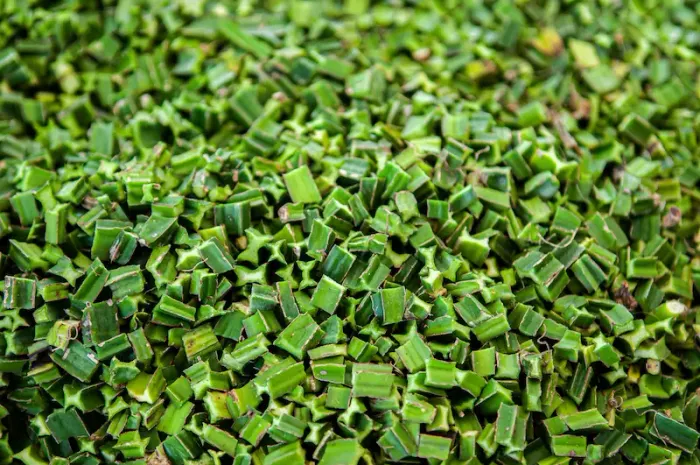
Hadjod (Cissus quadrangularis), also called asthisamharaka or “bone setter” in Ayurveda, has a long history of traditional use for bone and joint health. Interest in hadjod benefits has grown as people look for natural ways to support fracture healing, joint comfort, and overall wellness. But how much of the hype is supported by science? What are the risks and how do you use it safely? This guide gathers what’s known so far, in clear, practical terms.
What Is Hadjod?
Hadjod is a traditional medicinal plant, scientifically known as Cissus quadrangularis:
• Botanical name: Cissus quadrangularis
• Other names: Hadjod, Hadjora, Veld grape, Asthisamharaka
• Plant part used: Primarily the quadrangular stem
• Traditional system: Ayurveda and other traditional practices across parts of Asia and Africa
In Ayurveda, hadjod has been used to support bone healing, soothe joints, and promote overall tissue repair. Modern supplements usually come as capsules, powders, or extracts made from the stem.
What Are The Hadjod Benefits People Ask About?
There is a longstanding traditional use for bone health, and early research is exploring hadjod’s potential. Overall, human evidence is limited, studies are small, and results are not yet definitive. Here’s what current knowledge suggests:
Bone And Fracture Support (Most Common Traditional Use)
• What people hope for: Faster fracture healing, reduced pain and swelling, stronger bones.
• What research suggests: Some small human studies and animal research suggest hadjod may support aspects of bone repair and comfort. However, the quality and size of studies vary, and we don’t yet have strong, consistent clinical proof.
Bottom line: Promising but not conclusive. Hadjod is not a substitute for proper fracture care.
Joint Comfort And Mobility
• What people hope for: Less joint discomfort and stiffness.
• What research suggests: Limited early studies and traditional use point to possible anti-inflammatory and analgesic (pain-relieving) effects. Larger, high-quality trials are needed.
Bottom line: May help some people feel more comfortable, butthe evidence is not robust.Consult a Top General Physician
Metabolic Health And Weight Management
• What people hope for: Better weight control and metabolic markers.
• What research suggests: A few small studies, often with mixed herbal formulas, have explored potential effects on weight, lipids, or blood sugar. Findings are inconsistent and not conclusive.
Bottom line: Evidence is preliminary. Don’t rely on hadjod for weight management.
Key Takeaways On Hadjod Benefits
• Traditional use for bones is strong; scientific support is still emerging.
• Some small studies are encouraging, but more rigorous research is needed.
• Use hadjod, if at all, as a complementary approach, never as a replacement for medical care.
How is Hadjod used in Ayurveda?
Hadjod (Cissus quadrangularis) is an important herb in traditional Ayurvedic medicine, primarily valued for its remarkable properties related to bone and joint health:
• Forms: Powder (churna), capsules/extracts, decoctions/teas, and external oils/liniments.
• Pairing and lifestyle: In traditional practice, herbs like hadjod are often paired with nutrition, rest, and gentle movement to support healing.
• Modern supplements: Products vary widely in strength and purity. There’s no universally accepted “standard dose” backed by strong clinical evidence.
Important safety note: If you suspect a fracture, seek medical evaluation right away. Proper diagnosis, immobilisation, and follow-up are essential. Herbs cannot set bones.
Safety, Side Effects, And Who Should Avoid It?
Like many herbal supplements, hadjod appears generally well tolerated in short-term use for most healthy adults, but data are limited.
Possible Side Effects
• Digestive upset (gas, bloating, stomach discomfort)
• Headache
• Dry mouth
• Changes in appetite or sleep (infrequent)
Potential Interactions And Cautions
• Blood sugar: Some research suggests possible effects on blood sugar. If you take diabetes medications or have low blood sugar episodes, check with your clinician and monitor closely.
• Blood pressure and lipids: Early research hints at possible effects, so discuss with your clinician if you take medicines for these conditions.
• Surgery: As with many herbs, consider stopping 1–2 weeks before planned surgery unless your surgical team advises otherwise.
• Pregnancy and breastfeeding: Safety is not established. Avoid unless your obstetric provider approves.
• Children: Safety is not established for children.
• Liver/kidney issues: Because comprehensive safety data are limited, consult your clinician if you have liver or kidney disease.
Quality, Dosing, And Buying Tips
Herbal products vary widely. To reduce risk and improve consistency:
• Choose third-party tested brands: Look for USP, NSF, or ConsumerLab certifications where available.
• Know the ingredient: The label should list Cissus quadrangularis (stem) and the extract ratio or standardisation. Avoid vague “proprietary blends” that hide exact amounts.
• Avoid unrealistic claims: Be wary of products promising “miracle” bone healing or rapid weight loss.
• Start low, go slow: If your clinician agrees, start with a low dose to check your tolerance.
• Keep your care team informed: Share a complete list of supplements with your doctor and pharmacist to avoid interactions.
Smart Bone Health Habits That Work
Regardless of hadjod, these evidence-based steps support bones across your lifespan:
Nutrition Basics:
• Adequate calcium from food first (dairy, fortified alternatives, leafy greens, tofu with calcium, canned fish with bones).
• Vitamin D from safe sun exposure, foods (fatty fish, fortified dairy/plant milks), or supplements if needed.
• Enough protein for muscle and bone support.
Movement:
• Weight-bearing exercise (walking, jogging, dancing, stair climbing).
• Resistance training 2–3 times per week (bands, free weights, machines, bodyweight).
• Balance training (tai chi, yoga) to reduce fall risk.
Lifestyle:
• Don’t smoke.
• Limit alcohol.
• Get vision and hearing checked; review home safety to prevent falls.
Medical Care:
• Discuss bone density testing when appropriate.
• Follow prescribed treatments for osteoporosis or other conditions.
When To Talk With Your Clinician?
Understanding when to seek professional medical advice is key:
• You’re considering hadjod and taking medications for blood sugar, blood pressure, cholesterol, or blood thinning.
• You have chronic conditions, are pregnant/breastfeeding, or are planning surgery.
• You develop side effects after starting hadjod.
• You suspect a fracture or have sudden, severe bone/joint pain, seek care promptly.Consult a Top General Physician
Consult a Top General Physician

Dr. Rajib Ghose
General Physician/ Internal Medicine Specialist
25 Years • MBBS
East Midnapore
VIVEKANANDA SEBA SADAN, East Midnapore

Dr. Tanzeem Shajahan
General Physician/ Internal Medicine Specialist
7 Years • MBBS, MD (General Medicine)
Bengaluru
Medwin multispeciality clinic, Bengaluru

Dr. Sanjukta Das
General Physician
9 Years • MBBS
Kolkata
MCR SUPER SPECIALITY POLY CLINIC & PATHOLOGY, Kolkata

Dr. Ankitha
Internal Medicine Specialist Diabetologist
6 Years • MD INTERNAL MEDICINE
Bengaluru
Apollo Medical Center, Marathahalli, Bengaluru

(25+ Patients)

Dr. Mijanur Rahaman Mondal
General Practitioner
3 Years • MBBS
Kolkata
Dr Utsa Basu Clinic, Kolkata
(25+ Patients)
Consult a Top General Physician
Dr. Rajib Ghose
General Physician/ Internal Medicine Specialist
25 Years • MBBS
East Midnapore
VIVEKANANDA SEBA SADAN, East Midnapore
Dr. Tanzeem Shajahan
General Physician/ Internal Medicine Specialist
7 Years • MBBS, MD (General Medicine)
Bengaluru
Medwin multispeciality clinic, Bengaluru
Dr. Sanjukta Das
General Physician
9 Years • MBBS
Kolkata
MCR SUPER SPECIALITY POLY CLINIC & PATHOLOGY, Kolkata
Dr. Ankitha
Internal Medicine Specialist Diabetologist
6 Years • MD INTERNAL MEDICINE
Bengaluru
Apollo Medical Center, Marathahalli, Bengaluru
(25+ Patients)
Dr. Mijanur Rahaman Mondal
General Practitioner
3 Years • MBBS
Kolkata
Dr Utsa Basu Clinic, Kolkata
(25+ Patients)
More articles from General Medical Consultation

Frequently Asked Questions
1. What is hadjod and how does it work?
Hadjod (Cissus quadrangularis) is an Ayurvedic herb traditionally used for bone and joint support. It contains plant compounds with antioxidant and anti-inflammatory properties in lab studies. Human research is still limited, so its exact mechanisms in people aren’t fully defined.
2. Is there strong evidence that hadjod heals fractures faster?
Not yet. Some small studies suggest potential benefits for comfort and healing, but the overall evidence isn’t strong or consistent enough to confirm faster fracture healing. Use hadjod only as a complementary approach, and always follow your clinician’s treatment plan.
3. How do you take a hadjod?
Hadjod is available as capsules, powders, teas/decoctions, and external oils. There’s no universally accepted standard dose based on high-quality clinical trials. If you choose to try it, use a third-party tested product and ask your clinician for personalised advice.
4. Is hadjod safe? What are the side effects?
Short-term use appears generally well tolerated for most healthy adults, but comprehensive safety data are limited. Possible side effects include stomach upset, gas, headache, and dry mouth. Because it may affect blood sugar or blood pressure in some people, discuss it with your clinician if you take related medications.
5. Can I take half with calcium, vitamin D, or osteoporosis medicines?
Often, yes, but ask your clinician first. Calcium and vitamin D are foundational for bone health and can complement your prescribed plan. If you’re on osteoporosis medications, don’t stop or swap them for hadjod. Your doctor can help you use any supplement safely alongside your treatment.