


Balasana (Child’s Pose) Benefits, Alternatives and Procedure
Discover the benefits of stress relief, gentle back comfort, and flexibility. Learn how to practice Child’s Pose safely with easy tips and modifications.

Written by Dr. Mohammed Kamran
Reviewed by Dr. Shaik Abdul Kalam MD (Physician)
Last updated on 13th Jan, 2026
Introduction: Why Balasana (Child’s Pose) Matters
Many of us spend long hours seated, hunched over screens, or carrying emotional tension through the shoulders and neck. Over time, this leads to stiffness in the lower back, restricted breathing, and a sense of mental overwhelm. Balasana, commonly known as Child’s Pose, offers a gentle and deeply grounding way to counter these patterns. It is one of the most accessible yoga postures and requires no special strength, flexibility, or prior experience. By encouraging stillness, slow breathing, and a feeling of safety, Balasana allows the body to shift out of constant alertness and into a more restorative state.
While no single pose can address every physical or emotional concern, the consistent use of Child’s Pose within a broader routine can play a meaningful role in stress management and musculoskeletal comfort. It creates an intentional pause, reminding you to slow your pace, release muscular effort, and reconnect with steady breath. This guide explores balasana benefits, offers clear instructions for safe practice, highlights thoughtful modifications, and explains how this simple posture fits into an overall healthy routine, so you can experience its calming effects with confidence.
Note: This article is for general information and does not replace personalised medical advice. If you have an injury or medical condition, consult a healthcare professional before starting or changing your routine.
Consult a Top General Practitioner for Personalised Advice
What Is Balasana (Child’s Pose)?
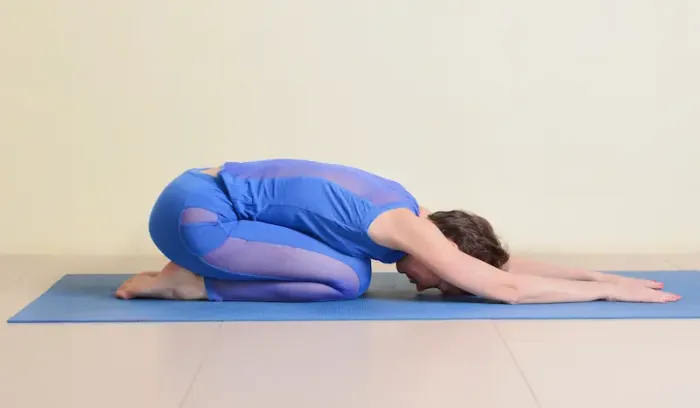
Balasana is a resting posture traditionally used in yoga to pause, restore energy, and regulate the breath. It is often practised between more demanding poses or used as a quiet moment of stillness at the beginning or end of a session. In its simplest expression, it resembles a gentle folding of the body over the thighs while kneeling, creating a protected, inward posture that many people find emotionally soothing as well as physically comforting.
Key features of the basic position include:
• You kneel, bring your big toes together, and sit back towards your heels.
• Knees may remain hip-width apart or widen to make space for the torso.
• The torso gently folds forward, resting between or over the thighs.
• The forehead is supported on the floor, pillow, yoga block, or folded hands.
• Arms can stretch forward in front of the body or rest alongside the legs with palms facing upwards.
• Breathing is slow and steady, allowing the ribcage to expand and soften with each cycle.
This pose is less about achieving a stretch and more about cultivating ease, patience, and a sense of internal quiet. Its simplicity is what makes it so powerful and widely incorporated into yoga practices of all levels.
Balasana Benefits at a Glance
Although research usually examines yoga as a holistic practice rather than isolating single postures, Child’s Pose supports many of the well-recognised aims of yoga, including relaxation, gentle mobility, and nervous system calming.
• Relaxation and stress relief: A supported, folded position combined with slow breathing can help shift the body into a calmer state and reduce feelings of mental overload.
• Gentle back comfort: Balasana encourages soft lengthening of the spine and surrounding muscles, which many people find eases lower back stiffness.
• Hips, thighs, and ankles: The kneeling and folding position offers light stretching to these areas, supporting joint mobility and circulation.
• Mindfulness and body awareness: The quiet nature of the pose allows greater focus on breath and bodily sensations, enhancing present-moment awareness.
• Transition and recovery: As a rest posture, it helps lower the heart rate and reset breathing between more active movements.
These balasana benefits reflect the wider advantages of yoga reported by health organisations, including better stress management, improved flexibility, enhanced balance, and potential relief for chronic musculoskeletal discomfort when practised regularly and thoughtfully.
How Balasana Supports Your Body?
Balasna offers support to your body in the following ways:
Back and Spine
• Child’s Pose gently rounds the spine, allowing tight back muscles to soften and release.
• Many practitioners notice a sense of decompression through the lumbar region when the torso is well supported.
• If discomfort or pinching occurs, widening the knees or placing a cushion between the thighs and torso can create a more spacious, supported feel.
Hips and Thighs
• The folded position provides a mild stretch for the hips, glutes, and inner thighs.
• Widening the knees often allows the muscles to relax more completely without feeling forced.
• Using bolsters or folded blankets beneath the torso reduces strain and encourages passive release rather than effort.
Shoulders and Neck
• When arms are extended forward, a gentle stretch may be felt across the shoulders and underarms.
• With arms resting by the sides, the shoulder blades can settle naturally down the back, creating a soothing release sensation.
• Supporting the forehead on a block, cushion, or stacked fists helps maintain a neutral neck position and prevents unnecessary tension.
Breathing and Relaxation
• Balasana encourages diaphragmatic breathing by allowing the belly to expand gently into the thighs or support beneath it.
• This pattern of breathing helps calm the nervous system and promotes a sense of safety and steadiness.
• Slow, rhythmic breaths reinforce the mind–body connection and support emotional regulation.
Step-by-Step: How to Do Balasana Safely
The step-by-step procedure involves:
Set up Your Base
• Kneel on a yoga mat or soft surface.
• Use a folded blanket under the knees if they feel sensitive.
• Bring big toes together and position knees hip-width apart or wider for comfort.
Fold and Support
• Slowly sit the hips back towards the heels.
• Hinge forward from the hips, lowering the chest between or over the thighs.
• Rest the forehead on the floor, cushion, yoga block, or hands.
Choose an Arm Position
• Arms extended forward with palms resting down.
• Arms relaxed alongside the legs with palms facing upwards.
Breathe Steadily
• Inhale gently through the nose and exhale slowly, keeping the breath even and unforced.
• Remain in the pose for 30 seconds to 3 minutes or longer if it feels nurturing and stable.
Come Out Mindfully
• Place hands beneath shoulders.
• Slowly press up to hands and knees.
• Lift the head gently as the body rises to avoid dizziness.
Smart Modifications to Make Balasana Work for You
Modification to suit you, include:
• For tight hips or a stiff back: Place a bolster or pillows under the torso for added lift and ease.
• For knee sensitivity: Use extra padding and a rolled towel behind the knees to reduce strain.
• For ankle discomfort: Rest a folded blanket under the fronts of the ankles or practise with toes tucked.
• For pregnancy or larger bellies: Widen the knees and support the torso with pillows to avoid pressure on the abdomen.
• For neck sensitivity: Elevate the forehead so the neck remains long and relaxed.
• Chair-supported option: Sit forward on a chair and rest the upper body on a table or stack of cushions.
How Often and How Long Should You Hold Child’s Pose?
The details of Balasna include:
• Frequency: Use it whenever your body signals the need for rest or reset.
• Duration: Begin with short holds and gradually increase as comfort grows.
• Breathing: Let steady breathing guide your time in the pose.
• Consistency: Regular, gentle practice is more beneficial than occasional long sessions.
Balasna For Mental Health and Stress Relief
Yoga, including Balasana, is widely recognised for its role in stress reduction and emotional well-being.
• Slow breathing in a folded position promotes relaxation responses.
• The posture supports mental clarity and emotional grounding.
• It complements practices focused on mindfulness and self-regulation.
Where Balasana Fits in a Healthy Routine?
It may be a part of a healthy routine in the following ways:
• Works as a restorative break during work or exercise.
• Enhances flexibility and balance within regular yoga practice.
• Supports relaxation before bedtime or after long periods of sitting.
Common Mistakes and Easy Fixes for Balasna
Common mistakes and fixes while practising include:
• Forcing hips to reach heels: Use support under the hips or thighs.
• Holding breath: Add props and slow the pace.
• Knee discomfort: Increase cushioning or choose supported options.
• Neck strain: Elevate the forehead to keep alignment safe.
• Tingling sensations: Exit the pose immediately and modify.
Who Should Be Careful With Child’s Pose?
Caution is required in Balsana in
• Individuals with joint or spinal injuries.
• Those experiencing dizziness in head-lowered positions.
• Pregnant individuals should use wide-kneed modifications.
• Anyone feeling pain should stop and reassess alignment.
Balasana Variations to Try
Some variations include:
• Extended Child’s Pose.
• Wide-knee variation.
• Supported Bolster Balasana.
• Side stretch version.
• Tabletop mini rest
Conclusion
Balasana stands as a simple yet deeply effective posture for modern life, where constant activity often leaves little room for pause. By encouraging gentle spinal release, calm breathing, and emotional grounding, it supports both physical comfort and mental clarity. Practised regularly and with thoughtful attention to alignment, it becomes a valuable tool for self-care rather than just a yoga position. With its adaptability and ease, Child’s Pose invites you to slow down, listen inward, and restore balance in a sustainable and nurturing way.
Consult a Top General Practitioner for Personalised Advice
Consult a Top General Practitioner for Personalised Advice


Dr. Siri Nallapu
General Practitioner
5 Years • MBBS
Hyderabad
Apollo 24|7 Clinic, Hyderabad

Dr. J T Hema Pratima
General Practitioner
9 Years • MBBS, Fellowship in Diabetes Mellitus
Chennai
Apollo 24|7 Clinic - Tamilnadu, Chennai

(425+ Patients)

Dr. Shesham Srinidhi
General Practitioner
5 Years • MD(physician)
Hyderabad
Apollo 24|7 Clinic, Hyderabad
(175+ Patients)

Dr. Vasanthasree Nair
General Practitioner
15 Years • MBBS
Angamaly
Apollo 24|7 Clinic - Kerala, Angamaly
(575+ Patients)

Dr. Rajib Ghose
General Physician/ Internal Medicine Specialist
25 Years • MBBS
East Midnapore
VIVEKANANDA SEBA SADAN, East Midnapore
Consult a Top General Practitioner for Personalised Advice
Dr. Siri Nallapu
General Practitioner
5 Years • MBBS
Hyderabad
Apollo 24|7 Clinic, Hyderabad
Dr. J T Hema Pratima
General Practitioner
9 Years • MBBS, Fellowship in Diabetes Mellitus
Chennai
Apollo 24|7 Clinic - Tamilnadu, Chennai
(425+ Patients)
Dr. Shesham Srinidhi
General Practitioner
5 Years • MD(physician)
Hyderabad
Apollo 24|7 Clinic, Hyderabad
(175+ Patients)
Dr. Vasanthasree Nair
General Practitioner
15 Years • MBBS
Angamaly
Apollo 24|7 Clinic - Kerala, Angamaly
(575+ Patients)
Dr. Rajib Ghose
General Physician/ Internal Medicine Specialist
25 Years • MBBS
East Midnapore
VIVEKANANDA SEBA SADAN, East Midnapore
More articles from General Medical Consultation

Frequently Asked Questions
Q1: Is Child’s Pose good for lower back pain?
Many people find gentle relief in Balasana because it helps back muscles relax and encourages slow breathing. If you have back pain, especially if it radiates into the leg or includes numbness or weakness, talk with a clinician or physical therapist for personalised guidance.
Q2: How long should I hold Balasana?
Start with 30–60 seconds and build up to a few minutes if it remains comfortable and your breathing is relaxed. Use props so you can rest without strain.
Q3: Can I do Child’s Pose during pregnancy?
Yes, with modifications. Widen your knees for space, and support your torso and head with pillows or a bolster. If you feel any pressure or discomfort, switch to a more upright, supported position and consult your prenatal care team.
Q4: My knees hurt in Child’s Pose—what can I do?
Add padding under your knees, place a rolled towel behind the knees, keep your hips lifted, or practice a chair-supported version. If pain persists, check with a healthcare professional.
Q5: How often should I practice Child’s Pose?
Use it as often as it feels helpful—daily as a short reset, during yoga flows, and after long periods of sitting. Little, frequent breaks are effective.