



Barley Guide Uses, Benefits, Dosage & Side Effects
Discover barley benefits in this whole grain guide, with uses, safe dosage, side effects, and whether barley water helps as a kidney stones remedy.

Written by Dr. M L Ezhilarasan
Reviewed by Dr. Shaik Abdul Kalam MD (Physician)
Last updated on 14th Jan, 2026
Introduction
Barley is one of the world’s oldest cultivated grains, valued for thousands of years for its resilience, nutritional profile, and culinary versatility. Today, it is experiencing a renewed rise in popularity as more people look for whole grains that support heart, digestive, and metabolic health. This comprehensive guide explains what barley is, how to use it in everyday meals, the evidence-based benefits for cholesterol, gut balance, blood sugar, and fullness, as well as safety considerations and who may need to avoid it. It also explores a common question: is barley water a genuine kidney stones remedy or simply a useful hydration option? The goal is to offer clear, reliable information that helps you use barley with confidence.Consult a Top General Practitioner for Personalised Advice
What Is Barley?
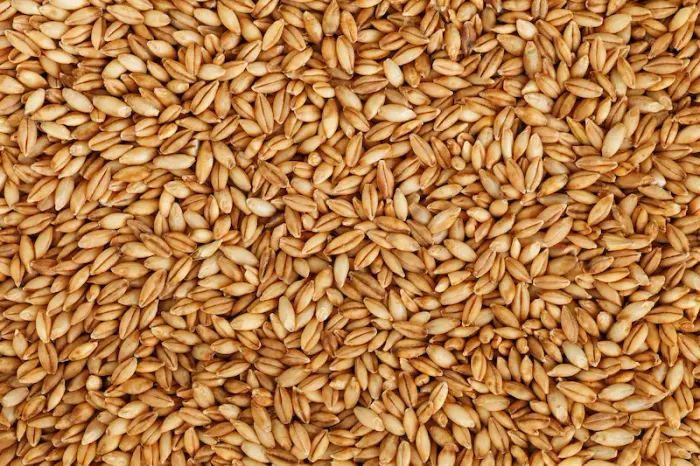
Barley (Hordeum vulgare) is a hardy cereal grain known for its chewy texture and mild, nutty flavour. Its nutritional profile makes it popular in soups, salads, beverages, and baked dishes. In shops, you’ll typically find two main types that differ in processing and nutrient retention.
Types Of Barley
• Hulled barley: Only the inedible hull is removed. It remains a whole grain and contains more fibre, B vitamins, and minerals.
• Pearled barley: Further polished to remove part or all of the bran layer. It cooks more quickly but contains less fibre than hulled barley.
Barley is naturally rich in beta-glucan, a soluble fibre well studied for its benefits to cholesterol and blood sugar balance. It also provides magnesium, selenium, and various phytonutrients that help support overall well-being.
Barley Benefits: What The Research Shows
Barley benefits include:
Heart Health And Cholesterol
Barley’s most researched benefit relates to heart health.
• Barley contains beta-glucan, which binds to bile acids in the digestive system, helping the body eliminate them and lowering LDL (bad) cholesterol.
• Many health authorities support consuming around 3 grams of beta-glucan per day from oats or barley to achieve meaningful reductions in LDL levels.
• Hulled barley, barley flakes, and labelled beta-glucan products typically contain higher concentrations, so checking packaging can help you estimate intake.
Regularly including barley as part of a balanced diet may help support cardiovascular health and reduce long-term risk factors for heart disease.
Blood Sugar Management
Barley’s fibre content and slow-digesting starches contribute to a lower glycaemic impact.
• Research suggests barley helps moderate post-meal glucose levels and improves insulin response.
• Because barley digests gradually, it leads to steadier energy and fewer blood sugar spikes compared with refined grains.
• People aiming to prevent or manage type 2 diabetes may find it helpful to replace white rice, white bread, or sugary cereals with barley in one or more meals per day.
Digestive Health and Gut Microbiome
Barley offers benefits for overall digestive comfort and gut microbial balance.
• Its fibre adds bulk to stools, supporting regular bowel movements.
• Beta-glucan feeds beneficial gut bacteria, encouraging the production of short-chain fatty acids that strengthen the gut lining.
• Over time, this may support improved digestive comfort and reduce constipation.
Weight Management and Fullness
Barley is naturally filling due to its high fibre and water-holding capacity.
• Foods rich in fibre slow down digestion, helping you feel satisfied with fewer calories.
• Swapping refined grains for barley may help support long-term weight management goals when combined with regular activity and balanced eating habits.
Blood Pressure and Cardiometabolic Health
Whole grains, including barley, are associated with a lower risk of cardiovascular disease and stroke.
• Studies suggest that regularly eating whole grains may contribute to modest reductions in blood pressure and inflammatory markers.
• Consistent intake of varied whole grains can help support a healthier metabolic profile overall.
Barley and Kidney Stones: Real Remedy or Hydration Helps?
Barley water is widely talked about as a kidney stones, but evidence from clinical research is limited.
• Proper hydration is essential in both preventing and managing kidney stones. Drinking enough fluids to produce around 2 to 2.5 litres of urine daily is a common medical recommendation. Barley water contributes to this hydration just as plain water does.
• There is no strong scientific proof that barley water dissolves kidney stones or prevents them more effectively than other fluids.
• It can be a pleasant, culturally popular drink that helps people increase their fluid intake, but it should not be viewed as a medical treatment.
General Prevention Tips
The prevention tips are:
• Drink enough fluids throughout the day.
• Limit sodium to reduce urinary calcium.
• Obtain calcium from food, unless otherwise advised.
• Moderate animal protein intake.
• Depending on the stone type, increase citrate intake and reduce high-oxalate foods.
Seek medical care immediately if you experience severe pain, fever, or blood in your urine.
Whole Grain Guide: How to Use Barley in Everyday Meals
Barley is affordable, adaptable, and pairs well with many flavours. It can be used in both savoury and sweet dishes.
Simple Ways to Cook With Barley
• Soups and stews: Add pearled barley for a comforting, hearty texture.
• Salads and grain bowls: Toss cooked hulled barley with vegetables, beans, herbs, lemon, and olive oil.
• Breakfast: Prepare barley flakes like porridge or add cooked barley to yoghurt with fruits and nuts.
• Side dishes: Use barley instead of rice or pasta and flavour with mushrooms, herbs, or roasted vegetables.
• Barley tea or water: Simmer barley grains in water, strain, and enjoy hot or chilled with lemon.
Dosage: How Much Barley or Beta-Glucan is Helpful?
Evidence-Informed Guidance
• For heart health: Around 3 grams of beta-glucan per day from oats or barley can contribute to lowering LDL. Hulled barley and labelled high beta-glucan products offer more concentrated sources.
• For general well-being: Aim to make at least half of your daily grains whole grains. Including half to one cup of cooked barley several times a week is a practical, achievable pattern.
• For blood sugar balance: Replacing refined grains with barley at one or more meals daily can help smooth post-meal glucose responses.
• Increase gradually: Higher fibre intake may initially cause gas or bloating, so introduce barley slowly and drink sufficient water.
Safety, Side Effects, and Caution for Barley
The key considerations for side effects, safety and caution include
Key Considerations
• Gluten content: Barley contains gluten and is unsuitable for people with coeliac disease or gluten sensitivity.
• Digestive symptoms: Rapid fibre increases may cause temporary discomfort; gradual introduction helps.
• Blood sugar medications: High-fibre foods can affect glucose levels, so monitor changes if you take diabetes medications.
• Allergies: Though uncommon, barley allergies can occur; seek immediate help for symptoms like swelling or breathing difficulty.
• Special diets: People with kidney disease or specific dietary restrictions should consult a clinician or dietitian before adding barley.
• Supplements: Barley as a whole food is generally safe, but barley grass powders or concentrated supplements vary; professional guidance is recommended.
Smart Shopping and Cooking Tips
Cooking & shopping tips are:
• Choose hulled barley for maximum fibre and nutrients; use pearled for quicker cooking.
• Rinse grains before cooking.
• Use a pressure cooker to reduce cooking times, especially for hulled barley.
• Batch cook for convenience and add cooked barley to meals throughout the week.
• Enjoy barley tea or water unsweetened or lightly flavoured with citrus or herbs.
Who Should Consider Barley?
You may have barley if you belong to below groups:
• People looking to reduce cholesterol naturally.
• Anyone wanting to increase fibre for digestive comfort.
• Individuals seeking a versatile, budget-friendly whole grain.
• Those aiming for a better blood sugar balance through dietary changes.
Who Should Avoid Barley?
Avoid barley if you are:
• People with coeliac disease or gluten sensitivity.
• Those with a diagnosed barley allergy.
• Individuals on low-fibre or grain-restricted diets are advised by clinicians.
When To Seek Medical Advice?
Seek professional advice if:
• Severe back or side pain suggestive of kidney stones.
• Ongoing digestive issues despite adjusting fibre intake.
• Major dietary changes in the context of chronic conditions like diabetes or kidney disease.
Quick Start: A Simple Barley Meal Plan Idea
A meal plan includes:
• Breakfast: Barley flakes with berries, walnuts, and cinnamon.
• Lunch: Barley and lentil salad with tomatoes, cucumber, olive oil, and lemon.
• Dinner: Mushroom barley risotto with roasted vegetables on the side.
• Hydration: Water as the main drink, with optional unsweetened barley tea
Conclusion
Barley is a nutrient-rich whole grain that offers meaningful benefits for heart health, digestive comfort, blood sugar balance, and overall well-being. Whether enjoyed in soups, salads, grain bowls, or as a simple tea, it is a versatile and affordable addition to meals. While barley water can support hydration, it is not a proven kidney stones remedy and should not replace clinical guidance. Being mindful of gluten content, fibre tolerance, and any underlying medical conditions ensures safe and effective use. With thoughtful preparation and regular inclusion, barley can become a valuable part of a balanced, nourishing diet.Consult a Top General Practitioner for Personalised Advice
Consult a Top General Practitioner for Personalised Advice

Dr. Anand Ravi
General Physician
2 Years • MBBS, FEM
Bengaluru
PRESTIGE SHANTHINIKETAN - SOCIETY CLINIC, Bengaluru

Dr. Vivek D
General Physician
4 Years • MBBS
Bengaluru
PRESTIGE SHANTHINIKETAN - SOCIETY CLINIC, Bengaluru

Dr Syed Mateen Pasha
General Physician
2 Years • MBBS
Bengaluru
PRESTIGE SHANTHINIKETAN - SOCIETY CLINIC, Bengaluru


Dr. Syed Ismail Ali
General Practitioner
7 Years • MBBS
Hyderabad
Apollo 24|7 Clinic, Hyderabad

Dr. Debajyoti Goswami
Obstetrician and Gynaecologist
10 Years • MBBS,D.G.O(DNB),Adv. Infertility Tech.(AIIMS, Delhi),Fellowship in Diabetes(U.K),Comprehensive Abortion Care(Govt. Of W.B), Certificate in Clinical Embryology(AIIMS, BHUBANESWAR)
Bankura
D.G Clinic, Bankura

(50+ Patients)
Consult a Top General Practitioner for Personalised Advice
Dr. Anand Ravi
General Physician
2 Years • MBBS, FEM
Bengaluru
PRESTIGE SHANTHINIKETAN - SOCIETY CLINIC, Bengaluru
Dr. Vivek D
General Physician
4 Years • MBBS
Bengaluru
PRESTIGE SHANTHINIKETAN - SOCIETY CLINIC, Bengaluru
Dr Syed Mateen Pasha
General Physician
2 Years • MBBS
Bengaluru
PRESTIGE SHANTHINIKETAN - SOCIETY CLINIC, Bengaluru
Dr. Syed Ismail Ali
General Practitioner
7 Years • MBBS
Hyderabad
Apollo 24|7 Clinic, Hyderabad
Dr. Debajyoti Goswami
Obstetrician and Gynaecologist
10 Years • MBBS,D.G.O(DNB),Adv. Infertility Tech.(AIIMS, Delhi),Fellowship in Diabetes(U.K),Comprehensive Abortion Care(Govt. Of W.B), Certificate in Clinical Embryology(AIIMS, BHUBANESWAR)
Bankura
D.G Clinic, Bankura
(50+ Patients)
More articles from General Medical Consultation





Frequently Asked Questions
1) Is barley gluten-free?
No. Barley contains gluten and is not safe for people with celiac disease or gluten sensitivity. Choose certified gluten-free grains like rice, quinoa, buckwheat, or certified gluten-free oats instead.
2) Is barley water effective kidney stones?
Barley water can help you stay hydrated, which is key for prevention, but it is not a proven treatment that dissolves stones. Focus on drinking enough fluid overall and follow your clinician’s advice on diet changes based on your stone type.
3) Which is healthier: hulled barley or pearled barley?
Hulled barley is a whole grain and typically higher in fiber, vitamins, and minerals than pearled barley. Pearled barley is still nutritious and cooks faster, making it a useful option for busy days.
4) How much barley should I eat for heart health?
There’s evidence that about 3 grams per day of beta-glucan from oats or barley can help lower LDL cholesterol. Include barley regularly as part of a varied, balanced diet and check product labels for beta-glucan content where available.
5) Is barley good for diabetes?
Barley’s fiber and beta-glucan can improve post-meal blood sugar responses when used to replace refined grains. If you take diabetes medications, monitor your glucose as you add higher-fiber foods and discuss changes with your care team.