Effective Solutions for PCOD Management
Discover effective solutions for PCOD management with lifestyle changes, diet tips, medical treatments, and hormonal balance strategies.

Written by Dr. Rohinipriyanka Pondugula
Reviewed by Dr. Shaik Abdul Kalam MD (Physician)
Last updated on 13th Jan, 2026
Introduction
Polycystic Ovarian Disorder (PCOD) is a common hormonal condition affecting many women, often leading to irregular periods, weight gain, acne, and fertility challenges. While it can feel overwhelming, the good news is that PCOD can be managed effectively with the right lifestyle changes, medical support, and self-care.
In this article, we’ll explore what PCOD is, its symptoms, causes, and most importantly—practical ways to manage it for better health and well-being.
Understanding PCOD
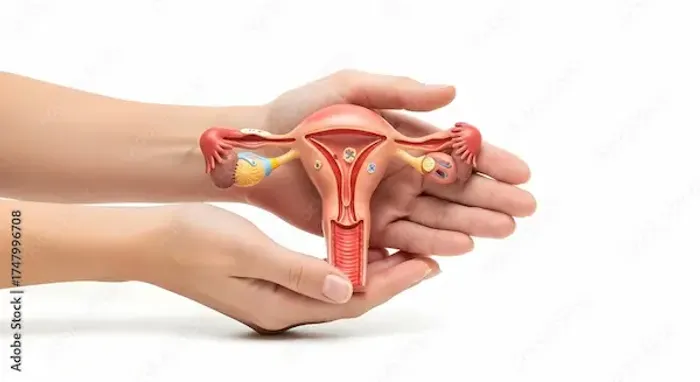
PCOD occurs when a woman’s ovaries produce higher-than-normal levels of male hormones (androgens), leading to small cysts (fluid-filled sacs) on the ovaries. This hormonal imbalance disrupts the menstrual cycle and can cause various health concerns.
Common Symptoms of PCOD
Irregular or missed periods
Heavy or painful periods
Weight gain (especially around the waist)
Acne or oily skin
Excessive facial or body hair (hirsutism)
Hair thinning or hair loss (on the scalp)
Mood swings, anxiety, or depression
Difficulty getting pregnant (infertility)
If you experience these symptoms, consulting a doctor can help confirm whether you have PCOD and guide you toward the right treatment.
What Causes PCOD?
The exact cause of PCOD is unknown, but several factors contribute to its development:
Insulin Resistance: Many women with PCOD have insulin resistance, meaning their bodies don’t use insulin effectively, leading to higher blood sugar and weight gain.
Hormonal Imbalance: Excess androgens (male hormones) interfere with ovulation and cause symptoms like acne and excess hair growth.
Genetics: PCOD often runs in families, so if your mother or sister has it, you may be at higher risk.
Lifestyle Factors: Poor diet, lack of exercise, and chronic stress can worsen PCOD symptoms.
Consult Top Specialists for Personalised Tips
Effective Ways to Manage PCOD
While there’s no cure for PCOD, the right approach can help control symptoms and improve quality of life. Here are some proven strategies:
1. Balanced Diet for PCOD
A healthy diet plays a crucial role in managing insulin resistance and hormone balance.
Eat More:
- Whole grains (oats, brown rice, quinoa)
- Lean proteins (chicken, fish, tofu, lentils)
- Fibere-rich foods (vegetables, fruits, nuts)
- Healthy fats (avocados, olive oil, nuts)
Avoid or Limit:
- Sugary foods and drinks
- Refined carbs (white bread, pastries)
- Processed and fried foods
- Excessive caffeine
2. Regular Exercise
Physical activity helps lower insulin resistance, manage weight, and reduce stress. Aim for:
30 minutes of moderate exercise (walking, cycling, yoga) at least 5 days a week.
Strength training (2-3 times a week) to improve metabolism.
3. Weight Management
Even a 5-10% weight loss can significantly improve PCOD symptoms by regulating hormones and menstrual cycles. Focus on gradual, sustainable weight loss rather than extreme diets.
4. Stress Management
Chronic stress worsens PCOD by increasing cortisol (stress hormone) levels. Try:
Meditation or deep breathing exercises
Yoga or tai chi
Adequate sleep (7-8 hours per night)
5. Medical Treatments
Depending on symptoms, doctors may recommend:
Birth control pills (to regulate periods and reduce acne)
Metformin (to improve insulin resistance)
Fertility treatments (if trying to conceive)
Anti-androgen medications (to reduce excess hair growth)
Always consult a doctor before starting any medication.
6. Natural Remedies
Some women find relief with:
Spearmint tea (may reduce excess hair growth)
Cinnamon (helps regulate blood sugar)
Omega-3 supplements (reduces inflammation)
When to See a Doctor?
If you experience irregular periods, severe acne, unexplained weight gain, or difficulty getting pregnant, it’s best to consult a gynaecologist or endocrinologist. Early diagnosis and management can prevent complications like diabetes, heart disease, and infertility.
If you suspect PCOD or need personalised guidance, you can book a consultation with an Apollo24|7 specialist for expert care and support.
Conclusion
Living with PCOD can be challenging, but with the right lifestyle changes, medical support, and self-care, you can manage symptoms effectively. Small, consistent steps—like eating well, staying active, and reducing stress—can make a big difference in your health.
Remember, you’re not alone—many women successfully manage PCOD and lead healthy, fulfilling lives. If you have concerns, don’t hesitate to seek professional help.
Consult Top General Physician
Consult Top Specialists for Personalised Tips

Dr. Amitava Ray
General Physician/ Internal Medicine Specialist
20 Years • MBBS, DNB (Family Med.), PGDHHM, FRSTM&H. Certificate in Geriatric medicine & Diabetes Management.
Kolkata
Apollo Multispeciality Hospitals , Kolkata, Kolkata

(650+ Patients)

Dr. Rajib Ghose
General Physician/ Internal Medicine Specialist
25 Years • MBBS
East Midnapore
VIVEKANANDA SEBA SADAN, East Midnapore

Dr. Impana G N
Physician/ Internal Medicine/ Covid Consult
11 Years • MBBS,DNB FAMILY MEDICINE, MNAMS ,CCEBDM
Mysuru
Apollo BGS Hospital Adichuchanagiri Road, Mysuru

Dr. Tanzeem Shajahan
General Physician/ Internal Medicine Specialist
7 Years • MBBS, MD (General Medicine)
Bengaluru
Medwin multispeciality clinic, Bengaluru

Dr. Khuda Baksh Nagur
General Physician/ Internal Medicine Specialist
11 Years • MBBS, MD (GENERAL MEDICINE), Certificate Programme clinicians in Diabetes Management
Bengaluru
Medwin multispeciality clinic, Bengaluru
(25+ Patients)
Consult Top General Physician
Dr. Amitava Ray
General Physician/ Internal Medicine Specialist
20 Years • MBBS, DNB (Family Med.), PGDHHM, FRSTM&H. Certificate in Geriatric medicine & Diabetes Management.
Kolkata
Apollo Multispeciality Hospitals , Kolkata, Kolkata
(650+ Patients)
Dr. Rajib Ghose
General Physician/ Internal Medicine Specialist
25 Years • MBBS
East Midnapore
VIVEKANANDA SEBA SADAN, East Midnapore
Dr. Impana G N
Physician/ Internal Medicine/ Covid Consult
11 Years • MBBS,DNB FAMILY MEDICINE, MNAMS ,CCEBDM
Mysuru
Apollo BGS Hospital Adichuchanagiri Road, Mysuru
Dr. Tanzeem Shajahan
General Physician/ Internal Medicine Specialist
7 Years • MBBS, MD (General Medicine)
Bengaluru
Medwin multispeciality clinic, Bengaluru
Dr. Khuda Baksh Nagur
General Physician/ Internal Medicine Specialist
11 Years • MBBS, MD (GENERAL MEDICINE), Certificate Programme clinicians in Diabetes Management
Bengaluru
Medwin multispeciality clinic, Bengaluru
(25+ Patients)