

Bhujangasana (Cobra Pose): Steps, Benefits, and Tips
Learn Bhujangasana (Cobra Pose) with clear steps, safety tips, and evidence-informed Bhujangasana benefits from trusted sources. A simple, beginner-friendly yoga pose.

Written by Dr. Dhankecha Mayank Dineshbhai
Reviewed by Dr. Vasanthasree Nair MBBS
Last updated on 13th Jan, 2026
Introduction
If you spend long hours sitting at a desk, looking down at your phone, or experiencing tightness in your chest and lower back, Bhujangasana—also known as Cobra Pose—can be a supportive addition to your routine. This gentle backbend helps counter the effects of slouching, improves spinal mobility, and strengthens the upper body. While simple and beginner-friendly, it offers meaningful benefits when practised consistently and with good technique.
This guide explains how to perform Bhujangasana safely, explores evidence-informed benefits, and shares practical modifications, alignment cues, and precautions. You’ll also learn how this traditional yoga posture compares to similar movements used in physiotherapy for back health. Whether you're new to yoga or looking to refine your technique, this comprehensive guide will help you use Bhujangasana confidently and comfortably.
What Is Bhujangasana (Cobra Pose)?
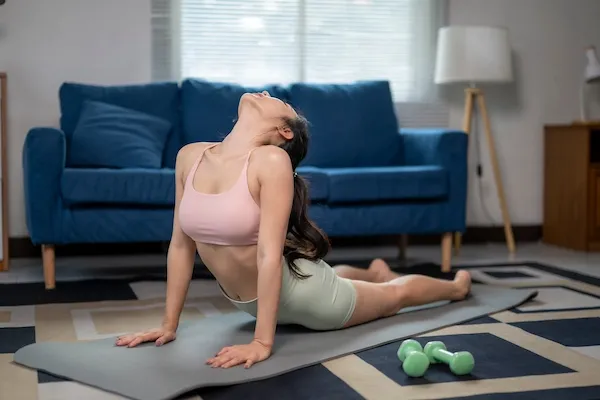
Bhujangasana is a classic yoga pose performed while lying on the stomach and lifting the chest with the help of the back muscles. It forms part of the Surya Namaskar (Sun Salutation) sequence and is widely used in yoga, fitness, and rehabilitation routines.
In physiotherapy, a similar movement is known as the prone press-up or spinal extension, used selectively for people whose back discomfort improves with gentle extension.
Consult a Top General Practitioner for Personalised Advice
Key Points
- A controlled backbend focused on lifting the chest and lengthening the spine
- Strengthens back muscles, shoulders, and the upper body
- Helps reverse the rounding caused by prolonged sitting
- Easily adaptable for beginners or those with limited mobility
Bhujangasana Benefits
Scientific research on Bhujangasana alone is limited, but several reputable sources highlight the benefits of yoga-based back exercises and extension movements.
May Support Certain Types of Lower Back Discomfort
It includes:
- Yoga programmes have been shown to reduce pain and improve function in some cases of chronic low back pain.
- Extension-based exercises, such as press-ups, may help people whose symptoms improve when bending backwards.
- Health organisations like Harvard Health, NCCIH, Cleveland Clinic, and Mayo Clinic acknowledge the value of structured movement for managing back discomfort.
However, not all back conditions respond well to extension. A clinician can help you determine whether the Cobra Pose is appropriate for your situation.
Builds Strength in the Back and Shoulders
It includes:
- Engages spinal extensors, which help support upright posture
- Strengthens the muscles between the shoulder blades
- Helps counteract muscle weakness from prolonged sitting
Consistent practice can contribute to better postural endurance throughout the day.
Improves Posture Awareness
It includes:
- Encourages opening across the chest
- Helps retrain the body to move out of habitual slouching
- Serves as a reminder to maintain spinal alignment in daily life
Enhances Flexibility and Mobility
It includes:
- Gently increases extension in the spine
- Helps open the chest and the front of the shoulders
- Supports mobility in the upper back, which often becomes stiff from desk work
May Help with Stress Reduction
Yoga as a holistic practice is linked to improvements in mood, stress reduction, and overall well-being. Bhujangasana is commonly included in calming sequences where controlled breathing enhances relaxation.
Supports Better Breathing Patterns
Opening the chest and lengthening the front of the body can encourage deeper, slower breaths. This can be especially beneficial for people who breathe shallowly due to stress or sedentary habits.
How to Do Bhujangasana (Cobra Pose)?
Starting with “Baby Cobra” is ideal for newcomers or anyone managing tightness in the lower back. The procedure includes:
1. Set Up
- Lie on your stomach with your legs extended and the tops of your feet resting on the floor.
- Position your hands beneath your shoulders with elbows close to your sides.
- Press the tops of your feet, thighs, and pubic bone lightly into the mat to anchor your foundation.
2. Inhale to Lift
- On a slow inhale, lengthen your spine by reaching the crown of your head forward.
- Begin lifting your chest by engaging your back muscles, not by pushing forcefully with your hands.
- Keep your lower ribs on the floor for Baby Cobra.
3. Use Your Hands for Light Support
- Press gently into your palms.
- Avoid collapsing into your shoulders; instead, draw your shoulder blades back and down.
- Your lift should feel broad and spacious, not compressed.
4. Align and Breathe
- Keep your gaze slightly forward and down to avoid straining the neck.
- Draw the lower belly in gently to support the lower back.
- Imagine the tailbone lengthening towards the heels.
- Hold for 3–5 breaths.
5. Release
- Exhale slowly as you lower your chest to the floor.
- Rest for a breath or two, then repeat if comfortable.
Progression
Once comfortable and pain-free:
- Straighten your arms a little more to deepen the backbend.
- Ensure your pelvis remains grounded.
- Only lift as high as you can without pinching or gripping in the lower back.
Alignment Tips for Comfort and Safety
Alignment and safety tips are:
- Lead with the chest, not the chin, to avoid neck strain.
- Keep your elbows slightly bent, even if lifting higher.
- Avoid clenching the glutes, which can cause lower back tension.
- Distribute the curve evenly through the spine.
- Maintain smooth breathing throughout the movement.
Helpful Modifications and Props
Some helpful modifications and props are:
Sphinx Pose
- Keep forearms on the floor.
- Useful for sensitive backs or wrists.
Baby Cobra
- Low lift with ribs on the mat.
- Ideal for beginners and warm-ups.
Blanket Under Pelvis
- Adds cushioning for comfort and stability.
Wider Leg Stance
- Reduces tension in the lower back.
Common Mistakes to Avoid
Common mistakes to avoid include:
- Forcing height over alignment
- Shrugging shoulders towards the ears
- Looking too far up and compressing the neck
- Lifting hands unnecessarily (can lead to strain)
- Holding the breath
Who Should Skip or Modify the Cobra Pose?
Consult a professional before practising if you have:
- Acute or worsening back pain
- Herniated disc or sciatica that worsens with extension
- Recent abdominal or spinal surgery
- Wrist or shoulder injuries
- Pregnancy beyond the first trimester
- Osteoporosis or conditions affecting spinal integrity
How Often Should You Practise?
The frequency of practice is:
- 3–5 repetitions, a few days per week
- Hold for 10–30 seconds or 3–5 breaths
- Pair with Child’s Pose or gentle twists for balance
Beginner-Friendly Mini Sequence
The beginner-friendly sequence includes:
- Cat–Cow
- Sphinx or Baby Cobra (2–4 rounds)
- Child’s Pose
- Low Lunge with chest opening
- Bridge Pose
- Relaxation with slow breathing
Breathing and Mindfulness Tips
Useful mindfulness and breathing tips are:
- Use a 4–6 breathing pattern to promote relaxation.
- Focus on sensation rather than depth.
- Stop immediately if you feel sharpness, tingling, or nerve-like discomfort.
Conclusion
Bhujangasana is a versatile, beginner-friendly posture that helps counteract the effects of daily slouching and prolonged sitting. With consistent practice, it can strengthen the back, improve posture, enhance breathing, and support a calmer state of mind. While it may help some types of lower back discomfort, it’s not suitable for every condition, so personalised guidance is important if you have pain. Practise slowly, stay mindful, and focus on proper alignment to enjoy the full benefits of this gentle, uplifting backbend.
Consult a Top General Practitioner for Personalised Advice
Consult a Top General Practitioner for Personalised Advice

Dr. Rajib Ghose
General Physician/ Internal Medicine Specialist
25 Years • MBBS
East Midnapore
VIVEKANANDA SEBA SADAN, East Midnapore

Dr. Ashita Kuruvilla
General Practitioner
7 Years • MBBS
Kolkata
KVC CLINIC, Kolkata

Dr. Jagannath Pal
General Practitioner
15 Years • MBBS
West Bengal
GD Hospital & Diabetes Institute, West Bengal
Dr. Mazhar Baig
General Practitioner
28 Years • MBBS
Bengaluru
Burhaan Clinic, Bengaluru
Dr. Sayeedur Rahman
General Practitioner
1 Years • MBBS
Kolkata
Wellness Health Point, Kolkata
Consult a Top General Practitioner for Personalised Advice
Dr. Rajib Ghose
General Physician/ Internal Medicine Specialist
25 Years • MBBS
East Midnapore
VIVEKANANDA SEBA SADAN, East Midnapore
Dr. Ashita Kuruvilla
General Practitioner
7 Years • MBBS
Kolkata
KVC CLINIC, Kolkata
Dr. Jagannath Pal
General Practitioner
15 Years • MBBS
West Bengal
GD Hospital & Diabetes Institute, West Bengal
Dr. Mazhar Baig
General Practitioner
28 Years • MBBS
Bengaluru
Burhaan Clinic, Bengaluru
Dr. Sayeedur Rahman
General Practitioner
1 Years • MBBS
Kolkata
Wellness Health Point, Kolkata
More articles from General Medical Consultation




Frequently Asked Questions
Is Cobra Pose safe for back pain?
It can be suitable for some conditions but may worsen others. Always seek professional guidance.
How long should I hold Bhujangasana?
Start with 10–20 seconds or 3–5 breaths.
Difference between Cobra Pose and Upward-Facing Dog?
The difference between them is:
- Cobra: pelvis stays on the floor, elbows may stay bent.
- Upward-Facing Dog: thighs lift off the ground, arms straighten fully.
Can beginners do this pose?
Yes—start with Baby Cobra or Sphinx.
Is the pose safe during pregnancy?
Avoid lying on the belly after the first trimester.