



Black Cohosh: Ayurveda Uses, Benefits & Side Effects
Black cohosh benefits for menopause relief: Ayurveda perspective, side effects, and safe use, clear, expert-backed tips.

Introduction
If you’re exploring Ayurvedic herbs and natural options for menopause relief, you’ve likely heard about black cohosh. This North American plant has been studied for hot flashes and other menopausal symptoms for decades. But what are the real black cohosh benefits, how does it fit (or not) within Ayurveda, and what side effects should you know about? This guide explains the evidence, safety tips, and smart next steps, using clear, trustworthy information from leading medical sources.
What Is Black Cohosh?
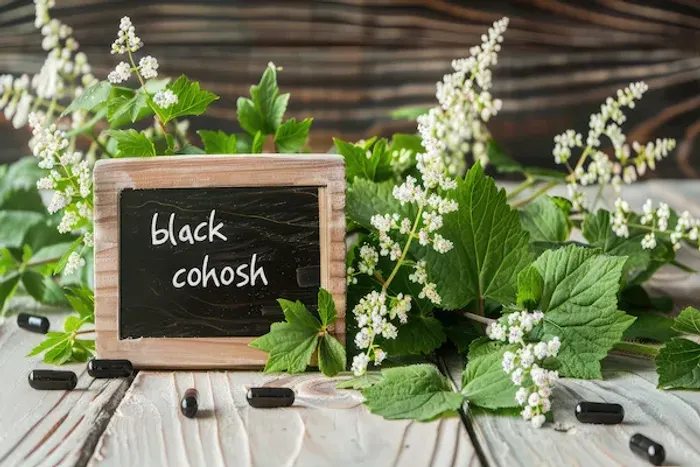
Black cohosh is a perennial herb primarily studied for its potential use in alleviating menopausal symptoms.
- Black cohosh (Actaea racemosa, previously Cimicifuga racemosa) is a flowering plant native to North America.
- The root/rhizome is used in supplements and extracts.
- It’s most commonly marketed for menopausal symptoms such as hot flashes, night sweats, mood changes, and sleep disturbances.
- Important safety note: Do not confuse black cohosh with blue cohosh (Caulophyllum thalictroides); they are different plants, and blue cohosh can be harmful.
Is Black Cohosh An Ayurvedic Herb?
- Traditional Ayurveda developed in India and is built around herbs native to South Asia (for example, ashwagandha and shatavari).
- Black cohosh is not a classical Ayurvedic herb and does not appear in historic Ayurvedic texts.
In modern integrative practice, some Ayurvedic practitioners may consider black cohosh within an individualized plan aimed at balancing symptoms of menopause, alongside lifestyle, diet, and other Ayurvedic herbs. If you’re pursuing an Ayurveda-inspired approach, work with a qualified practitioner and your healthcare provider.
Black Cohosh Benefits For Menopause Relief: What The Evidence Shows?
Black Cohosh: Unpacking the Evidence for Menopause Symptom Relief.
What Researchers Have Found?
- Mixed results overall: Some clinical trials report fewer hot flashes and improved menopause-related quality of life with black cohosh, while others find little to no benefit compared with placebo.
- Not clearly estrogenic: Current evidence suggests black cohosh does not act like estrogen in the body. That said, data are not definitive, so clinicians often recommend caution for people with hormone-sensitive conditions.
- Short-term use: Most studies have been short-term. Long-term effectiveness and safety remain less certain.
What Does This Mean For You?
- Black cohosh may help some individuals with hot flashes and related symptoms, but it doesn’t work for everyone.
- If symptoms significantly affect daily life, speak with your clinician. Evidence-based treatments (for example, menopausal hormone therapy) are the most reliable options for hot flashes and may be considered if appropriate for your health profile.
Other Potential Uses: What’s Known And Unknown?
- Premenstrual symptoms and menstrual irregularities: Evidence is limited and inconsistent.
- Bone health, mood, and cognition: No strong evidence supports benefits.
- line: The best-studied area is menopause symptoms, and even there, the findings are mixed. Use caution with claims that go beyond this.
Consult a Top General Physician
Safety And Side Effects Of Black Cohosh
Black cohosh is a popular herb, but concerns exist regarding its safety and potential side effects.
Most Commonly Reported Side Effects Are Mild
- Upset stomach, cramping
- Headache
- Rash
- Dizziness
- Breast tenderness (less common)
Liver Health Warnings
- Rare cases of liver injury, including serious liver damage, have been reported in people taking black cohosh. While a direct cause isn’t always clear, many experts advise avoiding black cohosh
- if you have liver disease or a history of liver problems.
- Stop use and seek medical care promptly if you develop signs of liver trouble (e.g., yellowing of the skin or eyes, dark urine, severe abdominal pain, unusual fatigue).
Who Should Avoid Black Cohosh?
- Pregnancy and breastfeeding: Not recommended due to limited safety data.
- Children and adolescents: Not typically advised.
- People with liver disease or a history of liver problems: Avoid unless your clinician specifically approves and monitors.
- Individuals with hormone-sensitive conditions (e.g., certain breast cancers): Because data are not definitive, discuss risks and benefits with your oncologist or specialist before considering use.
- If you are scheduled for surgery: Tell your surgical team about all supplements; they may advise stopping prior to surgery.
Medication And Supplement Interactions
Talk with your healthcare provider before combining black cohosh with:
- Other products that may affect the liver (including certain prescription medicines or herbal supplements), due to potential additive risk.
- Cancer therapies (such as tamoxifen or aromatase inhibitors): Always involve your oncology team.
- Hormone therapy for menopause: Your clinician can help decide whether combining therapies makes sense for you.
- Any long-term medications: A pharmacist or clinician can review for interactions.
How To Choose And Use Black Cohosh Safely?
Black cohosh is a popular herbal supplement often used to manage menopause symptoms, and knowing how to choose and use it safely is essential for maximizing benefits while minimizing risks:
- Consult first: Especially if you have medical conditions, take daily medications, or have a history of hormone-sensitive cancers or liver problems.
- Look for quality: Choose brands that use third-party testing or verification (for example, USP or NSF) to help ensure purity and accurate labeling.
- Read labels carefully: Products vary widely in plant part, extraction method, and strength.
- Start low and monitor: If your clinician agrees, start with the lowest practical dose on the product label. Track your symptoms and any side effects.
- Time frame: If you don’t notice a benefit after a reasonable trial (often a few weeks to a few months), discuss other options with your clinician. Long-term, open-ended use is generally not recommended without medical guidance.
- One change at a time: Avoid starting multiple new supplements at once; it makes side effects or interactions harder to identify.
An Ayurveda-Inspired Approach To Menopause
While black cohosh is not among classical Ayurvedic herbs, many people use an Ayurveda-informed lifestyle to support wellbeing during menopause:
- Routine and rest: Consistent sleep and gentle daily movement (e.g., walking, yoga) may help with stress and sleep quality.
- Cooling strategies: Light layers, fans, hydration, and mindfulness-based stress reduction can ease hot flashes for some.
- Nutrition focus: Whole foods, adequate protein, and plenty of fiber support energy, metabolism, and gut health.
- Complementary herbs: Ayurvedic herbs like shatavari or ashwagandha are sometimes used in individualized plans. Always review with your clinician, especially if you take medications or have medical conditions.
When To Seek Medical Care?
- You have frequent, intense hot flashes or night sweats that affect sleep or daily function.
- You experience new or unusual bleeding.
- You notice chest pain, shortness of breath, severe headaches, or neurologic symptoms.
- You develop signs of liver problems (yellowing skin/eyes, dark urine, severe abdominal pain, persistent nausea).
- You are considering starting, stopping, or changing therapy for menopause symptoms.
Consult a Top General Physician
Consult a Top General Physician

Dr. Hariprasath J
General Physician/ Internal Medicine Specialist
19 Years • MD (Gen Med), FCCP, Dip (Diabetology, UK)
Chennai
Apollo First Med Hospitals P H Road, Chennai

(250+ Patients)

Dr. Renu Saraogi
General Physician/ Internal Medicine Specialist
21 Years • MBBS, PGDFM
Bangalore
Apollo Clinic Bellandur, Bangalore
(275+ Patients)

Dr. Meghana B S
General Physician/ Internal Medicine Specialist
11 Years • MBBS, MD ( GENERAL MEDICINE) DNB ( GENERAL MEDICINE)
Bengaluru
Apollo Clinic, JP nagar, Bengaluru

Dr Aakash Andgi
General Physician/ Internal Medicine Specialist
9 Years • MBBS MD
Bengaluru
Apollo Clinic, JP nagar, Bengaluru

Dr. Harshendra Jaiswal
General Physician/ Internal Medicine Specialist
12 Years • MBBS , MD (General medicine)
Kolkata
108 DHANA DHANVANTARI Clinic, Kolkata
(25+ Patients)
Consult a Top General Physician
Dr. Hariprasath J
General Physician/ Internal Medicine Specialist
19 Years • MD (Gen Med), FCCP, Dip (Diabetology, UK)
Chennai
Apollo First Med Hospitals P H Road, Chennai
(250+ Patients)
Dr. Renu Saraogi
General Physician/ Internal Medicine Specialist
21 Years • MBBS, PGDFM
Bangalore
Apollo Clinic Bellandur, Bangalore
(275+ Patients)
Dr. Meghana B S
General Physician/ Internal Medicine Specialist
11 Years • MBBS, MD ( GENERAL MEDICINE) DNB ( GENERAL MEDICINE)
Bengaluru
Apollo Clinic, JP nagar, Bengaluru
Dr Aakash Andgi
General Physician/ Internal Medicine Specialist
9 Years • MBBS MD
Bengaluru
Apollo Clinic, JP nagar, Bengaluru
Dr. Harshendra Jaiswal
General Physician/ Internal Medicine Specialist
12 Years • MBBS , MD (General medicine)
Kolkata
108 DHANA DHANVANTARI Clinic, Kolkata
(25+ Patients)
More articles from General Medical Consultation
.webp)


Frequently Asked Questions
Does black cohosh really help with hot flashes?
Some people report fewer hot flashes, but studies show mixed results overall some benefit, some no better than placebo. If your symptoms are strong, talk with your clinician about proven options, including menopausal hormone therapy if it’s appropriate for you.
Is black cohosh safe?
Short-term use is generally well tolerated for many people, but rare cases of serious liver injury have been reported. Avoid it if you have liver disease, and stop use if you develop symptoms of liver trouble. It’s not recommended in pregnancy or while breastfeeding.
Is black cohosh an Ayurvedic herb?
No. Black cohosh is native to North America and isn’t part of classical Ayurvedic texts. Some integrative practitioners may include it within a broader Ayurveda-inspired plan, but that should be individualized and supervised.
Can I take black cohosh if I’ve had breast cancer?
Evidence suggests black cohosh does not act like estrogen, but data are not definitive. If you have a history of hormone-sensitive cancer or take medications like tamoxifen, discuss this with your oncology team before using black cohosh.
How long should I try black cohosh before deciding if it helps?
Discuss a time frame with your clinician. Many people reassess within a few weeks to a few months. If you don’t see meaningful improvement, consider other evidence-based options rather than continuing indefinitely.