


Butterfly Pea Flower Uses, Benefits, and Side Effects
Curious about blue tea? Learn butterfly pea benefits, how antioxidants may help, side effects, and safe use tips from trusted health sources.

Written by Dr. Md Yusuf Shareef
Reviewed by Dr. D Bhanu Prakash MBBS, AFIH, Advanced certificate in critical care medicine, Fellowship in critical care medicine
Last updated on 13th Jan, 2026
Introduction
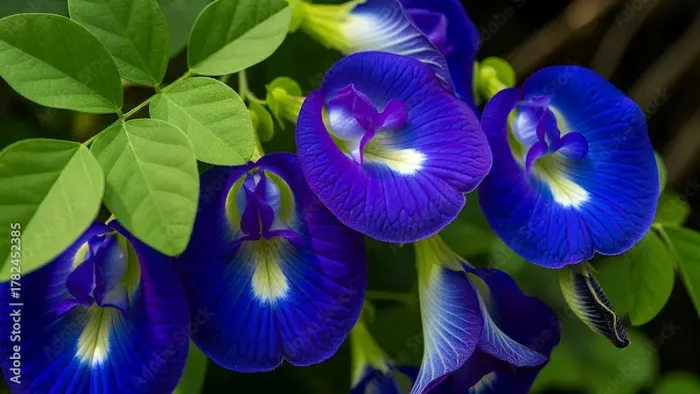
If you’ve seen a vivid sapphire drink called “blue tea” on your feed, you’ve likely met butterfly pea flower. This caffeine-free herbal tisane turns electric blue in water and purple with a splash of lemon. Beyond its stunning colour, many people ask about butterfly pea benefits and whether its natural antioxidants might support health. This guide explains what the science actually says, how to use it safely, potential side effects, and who should proceed with caution.
What is Butterfly Pea Flower?
Butterfly pea flower (Clitoria ternatea) is a vine native to Southeast Asia. Its petals are rich in natural pigments that create a deep blue infusion. It’s used as:
• An herbal tea (often called blue tea)
• A natural food and drink colourant
• An ingredient in lattes, mocktails, and desserts
• A colour-changing mix-in: adding acid (like lemon) turns it from blue to purple
Because it’s an herbal infusion (not made from the tea plant Camellia sinensis), it is naturally caffeine-free unless blended with true tea or added caffeine.
Potential Butterfly Pea Benefits: What We Know (and Don’t)
Here are the benefits of butterfly pea flower:
Important note: Most health claims come from lab and animal research, plus small, early human studies. Evidence in people is still limited. Think of butterfly pea flower as an enjoyable beverage with interesting plant compounds—not a cure or treatment.
Rich in Natural Antioxidants
Butterfly pea petals contain anthocyanins (the same family of pigments found in blueberries), which act as antioxidants in laboratory settings. Antioxidants can neutralise free radicals, helping protect cells from oxidative stress. However:
• In people, getting antioxidants from a varied, plant-rich diet is what’s consistently linked to better health, not any single superfood.
• Large clinical trials on antioxidant supplements have shown mixed results and are not a shortcut to disease prevention.
What this means for you: Blue tea can be part of a colourful, produce-forward eating pattern that naturally includes many antioxidants. It shouldn’t replace fruits, vegetables, legumes, whole grains, nuts, and seeds.
A Hydrating, Caffeine-Free Option
Choosing unsweetened blue tea is an easy way to:
• Add fluid for hydration
• Enjoy a flavorful, caffeine-free beverage (helpful if you’re sensitive to caffeine or cutting back)
• Swap sugary drinks for a no- or low-calorie alternative
Culinary Versatility and Mindful Moments
Butterfly pea flower brings fun and creativity to cooking and mindful routines:
• Colour-changing mocktails or iced teas for social occasions
• Vibrant rice, noodles, or desserts (using the infusion as a natural dye)
• A calming tea ritual in the evening (no caffeine)
What Does the Research Say So Far?
• Early, small human studies and laboratory research suggest butterfly pea flower extracts have antioxidant activity and may influence markers related to blood sugar response after meals. These findings are preliminary, use different preparations/doses, and need larger, high-quality trials.
• Animal and cell studies explore potential anti-inflammatory and neuroactive effects, but these do not prove benefits in humans.
Bottom line: Enjoy blue tea for its taste, hydration, and colour. Any health gains are likely modest and best seen as part of an overall healthy lifestyle.
How to Make Blue Tea?
Here’s how to make blue tea:
Simple Brewing Guide
Hot infusion
• Add 1–2 teaspoons (about 2–4 grams) dried butterfly pea flowers per 8 oz (240 mL) hot water.
• Steep 5–10 minutes. Strain. Adjust strength to taste.
• Add lemon or lime for a purple hue.
Iced blue tea
• Brew double strength (2–4 teaspoons per 8 oz), cool, then pour over ice.
• Sweeten lightly if desired; try a squeeze of citrus and mint.
Culinary uses
• Use the cooled infusion to colour rice, noodles, or baked goods.
• Freeze as ice cubes for colour-shifting drinks.
How Much Is Reasonable?
For most healthy adults, 1–2 cups per day of a standard-strength infusion is a conservative, food-like amount. Concentrated extracts, powders, or capsules may deliver much higher doses; safety data for concentrated products is limited. Start low, see how you feel, and avoid large amounts until you’ve discussed with a healthcare professional—especially if you have medical conditions or take medications.
Who Should Be Cautious or Avoid It?
Here’s who should be cautious:
• Pregnancy and breastfeeding: Safety data are lacking. Avoid, or use only with clinician guidance.
• People on medications: Especially diabetes medicines, blood thinners, blood pressure drugs, or diuretics—herbal products can interact or add effects.
• People with allergies: If you have known flower or legume allergies (butterfly pea is in the Fabaceae family), use caution.
• Before surgery: Stop herbal supplements at least 1–2 weeks before procedures unless your surgeon advises otherwise.
Possible Side Effects and Interactions
Most people tolerating small, food-like amounts report few issues. Potential concerns include:
• Digestive upset: Nausea, stomach discomfort, or loose stools can occur, especially with stronger brews or concentrated extracts.
• Allergic reactions: Rare but possible; stop use and seek care if you develop hives, swelling, or trouble breathing.
• Medication interactions: Herbal products can affect how drugs work. If you take prescription medications—particularly those affecting blood sugar, blood pressure, or bleeding/clotting—speak with your clinician first.
• Unknown long-term effects of high-dose extracts: Human research on long-term, high-dose use is lacking. Choose modest amounts and reputable products.
Buying and Storing Tips
Here’s how to store butterfly pea flower:
• Choose reputable brands: Look for clear labelling (species name Clitoria ternatea), lot numbers, and third-party testing when available.
• Minimal additives: Dried flowers or simple blends are preferable; avoid unnecessary fillers or excessive sweeteners in ready-to-drink products.
• Freshness and colour: Vibrant blue petals indicate better pigment retention. Store in a cool, dry, dark place in an airtight container.
• Start simple: Try plain dried flowers to learn your preferred strength before exploring extracts or blends.
How Butterfly Pea Flower Fits a Healthy Lifestyle?
Here’s how a butterfly pea flower fits a healthy lifestyle:
• Use it to replace sugary beverages—opt for unsweetened or lightly sweetened recipes.
• Pair it with a balanced diet rich in vegetables, fruits, whole grains, legumes, nuts, and seeds.
• Enjoy it as part of a calming ritual to support sleep hygiene (it’s naturally caffeine-free unless blended).
Remember: Real, proven health benefits come from overall patterns—nutritious eating, regular movement, adequate sleep, stress management, and appropriate medical care—not a single ingredient.
Consult Top Specialists

Ms. Sushma Jaiswal
Dietician
42 Years • M.Sc.(Food & Nutrition)
Bengaluru
Swasthya Nutrition, Bengaluru

Ms Malabika Datta
Dietician
19 Years • Bsc (Clinical Nutrition & Dietetics), Msc (Dietetics & Food Service Management)
Kolkata
Malabika’s Diet Clinic, Kolkata

Ms. Neelanjana J
Dietician
5 Years • Bsc., Msc. Nutrition and Dietetics specialised general weight management, PCOS/PCOD weight loss and Diabetes management. A clinical dietitian with 4+ year experience specializing in evidence-based, result-oriented nutrition therapy. I have extensive experience in weight loss, thyroid management, PCOD/PCOS, weight gain, and diabetes & prediabetes care. My approach is personalized, practical, and sustainable—focusing on helping individuals achieve long-term lifestyle change rather than quick fixes. I work closely with clients to understand their medical history, lifestyle, and goals, and then design customized diet plans that support hormonal balance, metabolic health, and overall wellbeing. My goal is to make nutrition simple, realistic, and effective—so you see measurable results and feel your healthiest self.Auther in Health benefits of jackfruit (Artocarpus heterophyllus Lam.) seeds: A review (2023) The Pharma Innovation Journal Co- Auther in Malnutrition in Women: A review (2023) The Pharma Innovation Journal. Highfield Level 3 in HACCP. Highfield Level 4 International Award in Food Safety Managment
Bengaluru
Apollo Clinic, JP nagar, Bengaluru

Ms Chetu Singhi
Dietician
20 Years • MSC Dietetics & Nutrition
Kolkata
RB Diagnostic - Dietician Diet2fit Chetu Singhi, Kolkata

Dr. Suresh G
General Physician/ Internal Medicine Specialist
25 Years • MBBS, MD
Bangalore
Apollo Clinic Bellandur, Bangalore

(250+ Patients)
Consult Top Specialists
Ms. Sushma Jaiswal
Dietician
42 Years • M.Sc.(Food & Nutrition)
Bengaluru
Swasthya Nutrition, Bengaluru
Ms Malabika Datta
Dietician
19 Years • Bsc (Clinical Nutrition & Dietetics), Msc (Dietetics & Food Service Management)
Kolkata
Malabika’s Diet Clinic, Kolkata
Ms. Neelanjana J
Dietician
5 Years • Bsc., Msc. Nutrition and Dietetics specialised general weight management, PCOS/PCOD weight loss and Diabetes management. A clinical dietitian with 4+ year experience specializing in evidence-based, result-oriented nutrition therapy. I have extensive experience in weight loss, thyroid management, PCOD/PCOS, weight gain, and diabetes & prediabetes care. My approach is personalized, practical, and sustainable—focusing on helping individuals achieve long-term lifestyle change rather than quick fixes. I work closely with clients to understand their medical history, lifestyle, and goals, and then design customized diet plans that support hormonal balance, metabolic health, and overall wellbeing. My goal is to make nutrition simple, realistic, and effective—so you see measurable results and feel your healthiest self.Auther in Health benefits of jackfruit (Artocarpus heterophyllus Lam.) seeds: A review (2023) The Pharma Innovation Journal Co- Auther in Malnutrition in Women: A review (2023) The Pharma Innovation Journal. Highfield Level 3 in HACCP. Highfield Level 4 International Award in Food Safety Managment
Bengaluru
Apollo Clinic, JP nagar, Bengaluru
Ms Chetu Singhi
Dietician
20 Years • MSC Dietetics & Nutrition
Kolkata
RB Diagnostic - Dietician Diet2fit Chetu Singhi, Kolkata
Dr. Suresh G
General Physician/ Internal Medicine Specialist
25 Years • MBBS, MD
Bangalore
Apollo Clinic Bellandur, Bangalore
(250+ Patients)
More articles from General Medical Consultation



Frequently Asked Questions
Q1: Is butterfly pea flower (blue tea) safe to drink every day?
For most healthy adults, 1–2 cups of a standard-strength infusion is reasonable. Avoid high-dose extracts unless your clinician approves. Stop use if you notice side effects.
Q2: Does blue tea have caffeine?
Butterfly pea flower itself is naturally caffeine-free. If your blend includes black, green, or oolong tea (from Camellia sinensis) or added caffeine, the drink will contain caffeine—check labels.
Q3: Can blue tea help with weight loss or blood sugar?
There’s no strong evidence that it causes weight loss. Early research explores effects on post-meal blood sugar, but results are preliminary. Focus on overall diet quality, fibre, movement, and clinician-guided care for blood sugar management.
Q4: Is it safe during pregnancy or breastfeeding?
There isn’t enough reliable safety data. It’s best to avoid or use only with the guidance of your obstetric provider.
Q5: Can I take butterfly pea flower with my medications?
Possibly, but check first. Herbal products can interact with medicines—especially those for diabetes, blood pressure, or blood thinning. If you take prescriptions, talk with your healthcare professional before using concentrated forms or drinking large amounts.