


Cocoa Powder Ayurveda Benefits, Uses & Side Effects
Curious about cocoa powder benefits? Explore Ayurveda cocoa insights, science-backed perks, safe uses, side effects, and tips to choose antioxidant foods.

Written by Dr. Mohammed Kamran
Reviewed by Dr. Rohinipriyanka Pondugula MBBS
Last updated on 13th Jan, 2026
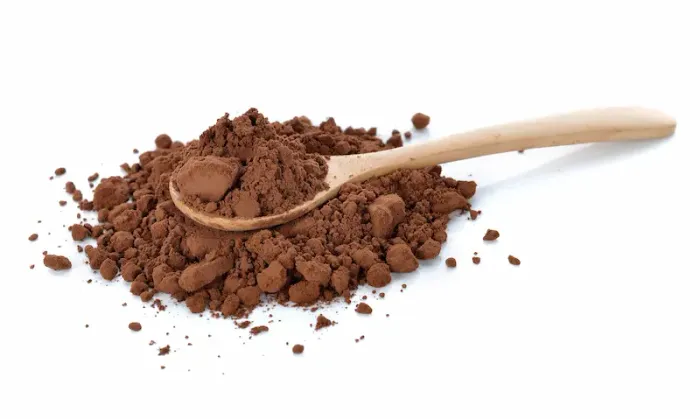
Introduction: Why Cocoa Powder Is Worth a Closer Look
Cocoa powder is a pantry favourite that can add rich flavour to smoothies, oatmeal, and baked goods, without the added sugar found in many chocolate bars. It’s also known for flavanols, plant compounds linked with heart and brain benefits, making it one of the most talked-about antioxidant foods. At the same time, people who follow traditional wellness systems are curious about how Ayurveda cocoa fits into daily routines.
This guide brings both views together. You’ll find evidence-based cocoa powder benefits, a balanced look at how Ayurveda might interpret cocoa’s qualities, smart ways to use it, and possible side effects to keep in mind.
What Is Cocoa Powder?
Cocoa powder is the processed form of the cocoa bean solids remaining after most of the fat (cocoa butter) has been extracted.
Cocoa powder comes from fermented, dried, roasted cocoa beans (Theobroma cacao). After most of the cocoa butter (fat) is pressed out, the remaining solids are ground into powder.
Two Main Types
The way the cocoa solids are processed affects their flavour and nutrient profile.
• Natural (Non-Alkalised) Cocoa: Tangy, slightly bitter, and typically higher in flavanols.
• Dutch-Processed (Alkalised) Cocoa: Treated to reduce acidity and mellow flavour; this process lowers flavanol content.
Cacao vs. Cocoa
It is useful to understand the subtle distinction often made between these two terms in the context of food processing.
• “Cacao” often refers to raw or minimally processed products (like cacao nibs), while “cocoa” typically refers to roasted and processed forms. Both provide flavanols, but levels vary widely by processing and brand.
Key Nutrients and Compounds
The beneficial compounds in cocoa are primarily the antioxidants and mild natural stimulants.
• Flavanols (such as epicatechin) that support blood vessel function
• Minerals like magnesium and iron in small amounts
• Methylxanthines (caffeine and theobromine), which are mild stimulants
Cocoa Powder Benefits: What Science Says?
The most compelling research into cocoa powder’s health benefits focuses on its positive impact on the circulatory system due to its flavanol content.
Cocoa’s best-studied benefits relate to heart and blood vessel health, thanks to its flavanols. These are the findings that major health organisations and academic sources emphasise:
- Vascular Function and Blood Pressure: Flavanols can help the inner lining of blood vessels (endothelium) relax and function better. Some studies show modest reductions in blood pressure with flavanol-rich cocoa, especially in the short term. This doesn’t mean cocoa replaces medications, but it may be a heart-friendly addition when used wisely.
- Heart Health Patterns: The greatest benefits come from overall dietary patterns rich in antioxidant foods, fruits, vegetables, whole grains, nuts, and legumes, rather than relying on one ingredient. Cocoa can be part of that pattern if you choose products without lots of added sugar and saturated fat.
- Metabolic Health: Research suggests cocoa flavanols may support insulin sensitivity. Effects vary by individual, product, and dose; they do not replace healthy eating, physical activity, or medical care.
- Brain Function: Some studies link flavanol-rich cocoa with short-term improvements in blood flow to the brain and small benefits in certain cognitive tasks in older adults. The evidence is promising but not definitive.
Important Perspective
- Cocoa powder benefits come from flavanols. Processing (like Dutching) and added sugars in chocolate products can reduce or offset these benefits.
- Focus on unsweetened, non-alkalised cocoa when you want the most flavanols for the fewest calories and added sugars.
Ayurveda Cocoa: How Traditional Practitioners May View It?
As cocoa is native to the Americas, it is not found in classical texts, but contemporary Ayurvedic practitioners apply traditional concepts to its properties.
Cocoa is not described in classical Ayurvedic texts, as cacao is native to the Americas. However, some modern Ayurveda practitioners interpret it using traditional frameworks. While this is not medical advice or a substitute for scientific evidence, here is how cocoa is often discussed in contemporary Ayurvedic practice:
• Likely Qualities: Bitter and astringent tastes; light and stimulating due to natural caffeine/theobromine.
• Dosha Considerations (Generalised, Practitioner-Dependent):
o Vata: Cocoa’s stimulating and drying qualities may aggravate Vata if taken in excess or on an empty stomach. Pairing with warm milk (dairy or plant) and spices like cardamom or cinnamon is commonly suggested to “ground” it.
o Pitta: Stimulating qualities may warm Pitta. Those prone to heat, heartburn, or irritability may prefer small amounts, ideally not late in the day.
o Kapha: Bitter/astringent flavours can feel lighter for Kapha in moderation, but added sugars and rich chocolate products can increase Kapha.
• Common Ayurveda-Inspired Uses (Culinary, Not Prescriptive):
o Warm cocoa with milk and calming spices
o Cocoa added to ghee-free or low-sugar recipes to avoid heaviness
o Pairing with fibre-rich foods (like oats or chia pudding)
Note: Ayurvedic guidance varies and is individualised. Discuss your unique constitution and health needs with a qualified practitioner. Scientific evidence on these traditional interpretations is limited.Consult a Top General Physician
How to Choose and Use Cocoa Powder for Health?
To maximise the health benefits of cocoa powder, careful selection of the product and its use in nutrient-rich recipes are key.
Make cocoa a smart part of an overall healthy diet with these tips:
Choose Wisely
• Pick unsweetened, non-alkalised (natural) cocoa for higher flavanol content.
• Check the ingredient list: it should read “cocoa” or “cocoa powder,” with no added sugars or oils.
• If sensitive to caffeine, start with small amounts and avoid it close to bedtime.
Use It In Nutrient-Dense Recipes
• Stir 1-2 teaspoons into oatmeal, yoghurt, or chia pudding
• Blend into smoothies with berries, banana, or leafy greens
• Whisk into warm milk or fortified plant milk with cinnamon and a touch of honey or date puree (if desired)
• Add to energy bites or no-bake bars with nut butter and oats
• Use in spice rubs for chilli or mole-inspired sauces
Keep Portions and Sugar in Check
• Cocoa is low in sugar; chocolate bars often are not. Balance taste with minimal added sweetener, or use fruit to sweeten naturally.
• Pair cocoa with whole foods (nuts, seeds, whole grains, fruit) to stay aligned with heart-healthy patterns.
Cocoa Powder and Antioxidant Foods: Where It Fits
While cocoa is a valuable source of antioxidants, it should be consumed alongside a wide variety of other antioxidant-rich whole foods.
Cocoa can contribute flavanols to your diet, but it should not crowd out other antioxidant foods. For the most benefit:
• Aim for a rainbow of fruits and vegetables daily
• Include nuts, seeds, beans, and whole grains
• Treat cocoa as a flavour and occasional functional add-in, not a cure-all
Side Effects and Who Should Be Careful
Although cocoa is safe for most in moderation, its stimulant content and other compounds mean some individuals need to monitor their intake closely.
Cocoa is generally safe for most people when used in small to moderate amounts as a food. Still, it isn’t for everyone. Consider the following:
- Caffeine and Theobromine: Cocoa naturally contains mild stimulants. If you’re sensitive, you may notice jitteriness, rapid heartbeat, anxiety, or sleep disruption. Avoid cocoa late in the day if it bothers your sleep.
- Heartburn and Reflux: Chocolate and cocoa can relax the lower oesophageal sphincter in some people and may worsen acid reflux symptoms. If you have GERD, watch your response and limit intake if symptoms flare.
- Migraines: Chocolate is a reported trigger for some people with migraines. If you suspect this, keep a headache diary and discuss patterns with your clinician.
- Kidney Stones (Oxalates): Cocoa is relatively high in oxalates, which may be a concern for people with a history of calcium oxalate kidney stones. Your healthcare professional or dietitian can help you personalise your diet.
- Allergies and Sensitivities: True cocoa allergy is uncommon, but possible. Chocolate products can also contain milk, nuts, soya, or other allergens. Cocoa and chocolate may contain nickel, a trigger for some with nickel sensitivity.
- Blood Sugar and Calories: Unsweetened cocoa is low in sugar and calories, but many chocolate products are not. If you have diabetes or are watching your weight, choose unsweetened cocoa and add a minimal sweetener.
- Medications and Conditions: If you are pregnant or breastfeeding, have heart rhythm issues, severe reflux, or are on medicines where caffeine is a concern, talk with your clinician before using cocoa regularly. People on blood thinners or with bleeding disorders should be cautious with high-dose cocoa supplements (not common foods) and consult their healthcare professional.
How Much Cocoa Powder Is Reasonable?
There are no strict guidelines for cocoa powder intake, so a practical, food-first approach is generally recommended.
There is no official “dose” for cocoa powder. Studies use a wide range of flavanol amounts that don’t translate neatly to home kitchens. Practical guidance:
• Food-First Approach: Add small amounts (for example, 1-2 teaspoons) to nutrient-dense meals and beverages.
• Monitor Your Body’s Response (sleep, reflux, headaches).
• Focus on Overall Diet Quality rather than hitting a specific cocoa target.
Best Practices for Buying and Storing Cocoa Powder
To maintain the quality and health benefits of cocoa powder, focus on the product type and proper storage conditions.
• Look for unsweetened, non-alkalised cocoa for higher flavanols.
• Choose reputable brands that clearly label ingredients and processing.
• Store in an airtight container in a cool, dark place to protect flavour and nutrients.
Quick Summary of Cocoa Powder Benefits, Uses & Side Effects
This final summary provides a concise overview of the key points regarding cocoa powder.
- Benefits: May support blood vessel function, modestly lower blood pressure, and contribute polyphenols as part of a healthy diet.
- Uses: Smoothies, oatmeal, yoghurt, warm drinks, and savoury dishes, prefer unsweetened, non-alkalised varieties.
- Side Effects: Possible sleep issues, reflux, migraine triggers, and oxalate concerns; monitor personal tolerance.
- Ayurveda Cocoa View: Modern practitioners often recommend small amounts, paired with warm milk and calming spices, tailored to individual constitution.
Consult a Top General Physician
Consult a Top General Physician

Dr. Rajib Ghose
General Physician/ Internal Medicine Specialist
25 Years • MBBS
East Midnapore
VIVEKANANDA SEBA SADAN, East Midnapore

Dr. Samir Dasgupta
Internal Medicine Specialist Diabetologist
40 Years • M.B.B.S., M.D. (Internal Medicine)
Kolkata
Apollo Hospitals, Narendrapur, Kolkata, Kolkata

Dr. Ajay K Sinha
General Physician/ Internal Medicine Specialist
30 Years • MD, Internal Medicine
Delhi
Apollo Hospitals Indraprastha, Delhi

(225+ Patients)

Dr. Impana G N
Physician/ Internal Medicine/ Covid Consult
11 Years • MBBS,DNB FAMILY MEDICINE, MNAMS ,CCEBDM
Mysuru
Apollo BGS Hospital Adichuchanagiri Road, Mysuru

Dr. Mijanur Rahaman Mondal
General Practitioner
3 Years • MBBS
Kolkata
Dr Utsa Basu Clinic, Kolkata
(25+ Patients)
Consult a Top General Physician
Dr. Rajib Ghose
General Physician/ Internal Medicine Specialist
25 Years • MBBS
East Midnapore
VIVEKANANDA SEBA SADAN, East Midnapore
Dr. Samir Dasgupta
Internal Medicine Specialist Diabetologist
40 Years • M.B.B.S., M.D. (Internal Medicine)
Kolkata
Apollo Hospitals, Narendrapur, Kolkata, Kolkata
Dr. Ajay K Sinha
General Physician/ Internal Medicine Specialist
30 Years • MD, Internal Medicine
Delhi
Apollo Hospitals Indraprastha, Delhi
(225+ Patients)
Dr. Impana G N
Physician/ Internal Medicine/ Covid Consult
11 Years • MBBS,DNB FAMILY MEDICINE, MNAMS ,CCEBDM
Mysuru
Apollo BGS Hospital Adichuchanagiri Road, Mysuru
Dr. Mijanur Rahaman Mondal
General Practitioner
3 Years • MBBS
Kolkata
Dr Utsa Basu Clinic, Kolkata
(25+ Patients)
More articles from General Medical Consultation





Frequently Asked Questions
1. Is unsweetened cocoa powder good for heart health?
Cocoa flavanols can support blood vessel function and may modestly lower blood pressure. Benefits are modest and depend on the product and portion. Use cocoa as part of an overall heart-healthy diet rich in fruits, vegetables, whole grains, nuts, and legumes.
2. What’s the difference between cacao and cocoa, and which is healthier?
“Cacao” usually refers to raw or minimally processed products; “cocoa” is typically roasted and processed. Natural (non-alkalized) cocoa tends to retain more flavanols than Dutch-processed cocoa. Choose unsweetened options for fewer added sugars.
3. How much cocoa powder can I have per day?
There’s no official daily allowance. Start with 1–2 teaspoons in foods or drinks and see how you feel, especially if you are sensitive to caffeine or have reflux. Focus on overall diet quality.
4. Can cocoa trigger migraines or heartburn?
It can for some people. Track your symptoms, and if cocoa seems to be a trigger, reduce or avoid it. People with GERD or migraines often benefit from individualised guidance from a clinician or dietitian.
5. How does cocoa fit into Ayurveda?
Cocoa isn’t in classical Ayurvedic texts, but many modern practitioners view it as bitter/astringent and stimulating. They often suggest small amounts, paired with warm milk and spices, and avoiding late-evening intake, especially for those prone to heat, irritability, or sleep issues. This is traditional guidance and not a substitute for medical advice.