


Common Monsoon Illnesses in India and How to Prevent Them
Stay healthy this rainy season : common monsoon diseases explained plus practical seasonal care, prevention tips, symptoms, and when to seek help.

Written by Dr. Dhankecha Mayank Dineshbhai
Reviewed by Dr. M L Ezhilarasan MBBS
Last updated on 13th Jan, 2026
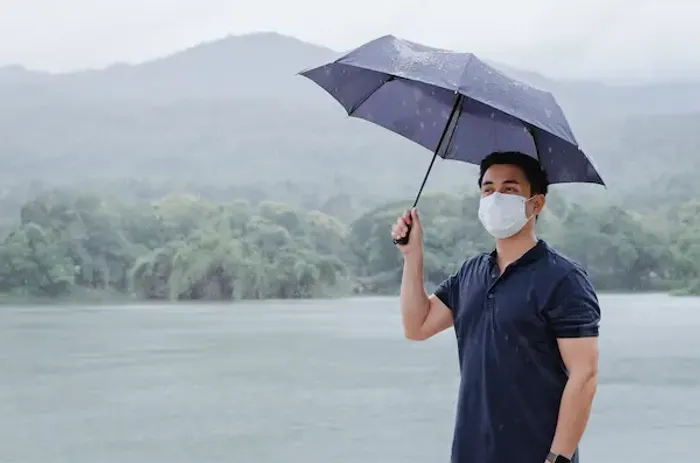
Introduction: Why This Matters During the Rains
Monsoon season brings refreshing breezes, cooler temperatures, and a break from scorching heat. Yet the very conditions that make the rains welcome also create ideal circumstances for a rise in illness. Pools of stagnant water turn into breeding sites for mosquitoes, floods contaminate drinking water supplies, and high humidity triggers mould growth indoors. These environmental changes allow infections to spread more easily, making seasonal awareness essential.
Understanding the most common monsoon diseases, knowing how they spread, and practising preventive habits can protect your family’s health and reduce the severity and frequency of illness during the rainy season.
Consult a Top General Practitioner for Personalised Advice
Monsoon Diseases: Why Illness Spikes During the Rains
Here are the reasons why monsoon diseases spike during rains:
- Stagnant water becomes a breeding environment for mosquitoes that transmit dengue, malaria, and chikungunya.
- Floodwater can contaminate drinking water and food, increasing the risk of diseases such as cholera, typhoid, and
leptospirosis. - High humidity encourages fungal skin infections and the growth of mould inside homes, which may worsen allergies and
respiratory symptoms. - People spending more time indoors in proximity increases the spread of respiratory viruses such as influenza.
Top Common Monsoon Diseases
Some of the most common monsoon diseases are:
Waterborne Infections: Diarrhoea, Cholera, Typhoid, Hepatitis A
What to Watch For?
- Sudden onset of watery diarrhoea, sometimes accompanied by vomiting. Cholera can cause dehydration rapidly if not
treated early. - Persistent fever, headache, abdominal discomfort, constipation or diarrhoea associated with typhoid.
- Fatigue, loss of appetite, nausea, yellowing of the skin and eyes, and dark urine in hepatitis A.
How They Spread?
- Drinking or eating food contaminated with unsafe water or ice.
- Poor hygiene practices, especially unwashed hands during food preparation or after using the toilet.
Prevention Essentials
- Drink safe water. Choose bottled water from reputable sources or boil household water for at least one minute. When
boiling is impractical, use a trustworthy water filter or an appropriate chemical disinfectant. - Follow strict food safety. Eat food that is freshly cooked and served hot. Wash fruits and vegetables with safe water and
peel where possible. Avoid raw salads from roadside vendors when hygiene is uncertain. Keep milk, dairy, and leftovers
refrigerated. - Maintain hand hygiene. Wash hands thoroughly with soap and safe water, especially before cooking, eating, or feeding a
child. Carry an alcohol-based sanitiser for occasions when water is not available. - Begin oral rehydration promptly. At the first sign of diarrhoea, start oral rehydration solution. For children, zinc may be
recommended to support recovery; consult a healthcare professional for proper dosing.
Vector-Borne Illnesses: Dengue, Malaria, Chikungunya
What to Watch For?
- Dengue: High fever, severe headache, pain behind the eyes, pronounced body aches, and a rash. Warning signs include
persistent vomiting, severe abdominal pain, unusual sleepiness, restlessness, bleeding gums, or difficulty breathing. - Malaria: Fever with chills, sweats, body aches, and profound fatigue. Fever patterns may be cyclical, though not always.
- Chikungunya: Sudden high fever coupled with intense joint pain that may linger for weeks or months.
How They Spread?
- Dengue and chikungunya: Spread by Aedes mosquitoes, which are active during the daytime.
- Malaria: Transmitted by Anopheles mosquitoes, more active in the evening and night.
Prevention Essentials
- Protect yourself from mosquito bites:
- Apply WHO and EPA-recommended repellents on exposed skin following usage guidelines. DEET, picaridin, IR3535, and oil of lemon eucalyptus are common choices. Use age-appropriate products for children and avoid applying near the hands and eyes.
- Wear long sleeves, long trousers, and socks. Choose loose-fitting, light-coloured clothing.
- Sleep under insecticide-treated bed nets, particularly in malaria-prone regions.
- Install window screens and keep doors closed at sunrise and sunset. Indoor residual spraying may be available in some
areas. - Remove mosquito breeding sites:
- Empty, scrub, or cover containers holding water, such as buckets, coolers, and plant trays.
- Change stored water regularly. Keep drains and gutters clean so that water does not stagnate.
Important Medication Tip for Fever
- Avoid aspirin and nonsteroidal anti-inflammatory medicines such as ibuprofen when dengue is suspected because they may increase bleeding risk. Paracetamol is typically recommended for fever management, but medical advice is essential.
Leptospirosis: A Flood-Related Risk
What to Watch For?
- Fever, chills, severe muscle aches, especially in the calves, headache, vomiting, and red eyes. Severe illness may involve
jaundice and organ complications.
How It Spreads?
- Bacteria present in the urine of infected animals, particularly rodents, contaminate floodwater or moist soil. Infection
occurs when contaminated water enters through cuts or mucous membranes.
Prevention Essentials
- Avoid wading through floodwater whenever possible. If unavoidable, wear protective boots and gloves.
- Clean exposed skin with soap and safe water after accidental contact with floodwater.
- Seek medical care if symptoms develop after exposure. In certain high-risk situations, local health authorities may
recommend preventive medication.
Respiratory Infections: Influenza and Viral Fevers
What to Watch For?
- Sudden fever, body aches, cough, sore throat, nasal congestion, fatigue, and headache
Prevention Essentials?
- Get the seasonal influenza vaccine if it is available in your area. In general, flu activity increases during the monsoon.
- Keep indoor spaces well ventilated when safe to do so.
- Practise proper cough etiquette and maintain frequent hand hygiene to limit the spread of respiratory viruses.
Skin and Eye Infections: Fungal Rashes and Conjunctivitis
What to Watch For?
- Fungal skin issues appear as red, itchy, scaly patches, often in moist skin folds or between the toes.
- Conjunctivitis causes red, watery, irritated eyes and a gritty feeling.
Prevention Essentials
- Keep skin dry, especially after getting wet in the rain. Change into clean, dry clothing quickly.
- Wear breathable footwear and socks that allow moisture to evaporate.
- Avoid sharing towels, cosmetics, or pillowcases. Wash your hands before touching your face or eyes.
- Seek guidance for appropriate antifungal creams if a rash develops. Severe or persistent infections require medical review.
Seasonal Care Checklist: Simple Steps That Prevent Monsoon Illnesses
The seasonal care checklist to prevent monsoon illnesses is:
Safe Water and Food at Home
- Boil drinking water or use a verified household water treatment method when water quality is uncertain.
- Clean water storage containers regularly and use ones that are narrow-mouthed and covered.
- Keep raw and cooked foods separate to prevent cross-contamination.
- Ensure food is cooked thoroughly and served hot.
- Avoid reheating the same food multiple times, as this increases bacterial growth.
- Wash your hands before handling food and after using the toilet.
Mosquito Protection Made Practical
- Combine repellent on exposed skin with clothing that covers arms and legs. Treated fabrics add extra protection when
available. - Remove stagnant water from all potential breeding spots, including coolers, plant trays, buckets, and tarps.
- Keep drains flowing and ensure that gutters are not blocked.
- Take part in community clean-ups to reduce shared mosquito breeding grounds.
Flood Safety and Wound Care
- Avoid walking through floodwater unless necessary.
- If exposed to floodwater, take a full bath with soap and safe water as soon as possible.
- Clean minor cuts immediately with safe water and antiseptic, and keep them dry and covered.
- Seek medical care for deeper or contaminated wounds or if redness spreads.
- Be especially careful with wounds exposed to potentially contaminated water, as these increase the risk of infection.
Healthier Indoor Air and Mould Control
- Keep rooms dry and ventilated to prevent mould growth.
- Run exhaust fans in bathrooms and kitchens to reduce indoor humidity.
- Dry wet belongings within one or two days to prevent mould.
- Discard porous items heavily damaged by water as they retain moisture and mould spores.
- Clean small areas of visible mould using soap or detergent and water while wearing gloves and a mask.
- Repair leaks promptly to prevent repeated moisture build-up.
Vaccines and Medicines: What to Discuss With Your Doctor
Vaccines and medicines for monsoon illnesses are:
Key Vaccinations to Consider
- Typhoid: Vaccination may be advised for individuals at heightened risk, especially those living in or travelling to areas
with recurrent outbreaks. - Hepatitis A: Recommended for people without natural immunity, as it spreads easily through contaminated food and water.
- Influenza: The monsoon season often aligns with influenza surges in many regions. Annual vaccination helps reduce
disease severity and spread. - Japanese Encephalitis: Recommended in selected endemic regions and for specific high-risk groups such as agricultural
workers. - Malaria: Preventive medication may be recommended for travellers to certain areas. Residents should focus on bite
prevention and prompt fever testing. - Dengue: Vaccination guidance varies by region. Eligibility depends on local public health recommendations and
individual health status.
Medicines to Keep on Hand
- Oral rehydration solution for early management of diarrhoea.
- Paracetamol for fever, with caution regarding dengue suspicion.
- Clinically recommended antimalarial medicines in high-risk areas, only when advised.
- Age-appropriate antihistamines or cough remedies for seasonal respiratory issues, depending on individual health needs.
Higher-Risk Groups Care
Essential care for higher-risk groups is:
Infants and Young Children
- Children dehydrate quickly during diarrhoeal illnesses, making early ORS use essential.
- Mosquito-borne diseases tend to be more severe in young children.
- Seek medical help promptly for fever, vomiting, lethargy, or poor feeding.
Pregnant Women
- Prioritise mosquito protection as dengue and malaria can cause complications during pregnancy.
- Follow safe food and water practices rigorously.
- Discuss which vaccines are appropriate during pregnancy with your healthcare professional.
Older Adults and People With Chronic Conditions
- Chronic conditions such as diabetes, heart disease, and kidney disease make individuals more vulnerable to
complications during monsoon illnesses. - Monitor fever, hydration, breathing difficulties, and changes in mental status carefully.
- Seek medical evaluation early to prevent severe outcomes.
When to Seek Medical Help Immediately?
Seek medical help if:
- Persistent high fever or any fever lasting more than two or three days.
- Signs of dehydration include reduced urination, excessive thirst, dizziness, or confusion.
- Severe abdominal pain or persistent vomiting.
- Blood in stool, vomit, or appearance of black tar-like stool.
- Breathlessness, chest pain, new disorientation, severe headache, or neck stiffness.
- Spontaneous bleeding from gums or nose, unexplained bruising, or profound weakness, which may indicate severe
dengue. - Jaundice or dark urine may signal hepatitis or leptospirosis.
- For infants, pregnant women, older adults, or anyone with chronic illness, it is advisable to seek early evaluation even if
symptoms seem mild.
A Handy Monsoon Health Kit
A handy monsoon health kit is composed of:
- Oral rehydration solution packets and access to safe water.
- A functioning thermometer for fever monitoring.
- Paracetamol for fever, avoiding ibuprofen and aspirin if dengue is suspected.
- Insect repellent, long-sleeved clothing, and mosquito nets.
- Soap, hand sanitiser with at least 60 percent alcohol, and clean bandages.
- Antiseptic solution for wound cleaning.
- Water purification tablets or drops for emergencies.
- A reusable water bottle with secure lids and clean storage containers.
- Emergency contact numbers and details of nearby clinics or hospitals.
Conclusion
The monsoon season brings a mix of relief and responsibility. While rainfall cools the air and replenishes water sources, it
also raises the risk of infections that spread through contaminated water, mosquitoes, and humid environments.
Practising safe water habits, staying vigilant with mosquito protection, and maintaining good indoor hygiene can prevent
many common monsoon illnesses. Recognising early warning signs and seeking timely care helps protect vulnerable
individuals and reduces complications. With thoughtful preparation, vaccination where appropriate, and everyday
health-conscious habits, you can enjoy the rainy season while keeping yourself and your family safe and well.
Consult a Top General Practitioner for Personalised Advice
Consult a Top General Practitioner for Personalised Advice

Dr. Rajib Ghose
General Physician/ Internal Medicine Specialist
25 Years • MBBS
East Midnapore
VIVEKANANDA SEBA SADAN, East Midnapore

Dr. Ashita Kuruvilla
General Practitioner
7 Years • MBBS
Kolkata
KVC CLINIC, Kolkata

Dr. Abhirup Chakrabarti
General Practitioner
10 Years • MBBS
Chennai
Dr Abhirup Chakrabarti, Chennai

Dr. Nirav Nitin Shah
General Practitioner
14 Years • Mbbs
Mumbai
Shreenath Clinic, Mumbai

Dr. Aakash Shah
General Practitioner
6 Years • MBBS, DNB Emergency Medicine
Delhi
AIIMS, Delhi
Consult a Top General Practitioner for Personalised Advice
Dr. Rajib Ghose
General Physician/ Internal Medicine Specialist
25 Years • MBBS
East Midnapore
VIVEKANANDA SEBA SADAN, East Midnapore
Dr. Ashita Kuruvilla
General Practitioner
7 Years • MBBS
Kolkata
KVC CLINIC, Kolkata
Dr. Abhirup Chakrabarti
General Practitioner
10 Years • MBBS
Chennai
Dr Abhirup Chakrabarti, Chennai
Dr. Nirav Nitin Shah
General Practitioner
14 Years • Mbbs
Mumbai
Shreenath Clinic, Mumbai
Dr. Aakash Shah
General Practitioner
6 Years • MBBS, DNB Emergency Medicine
Delhi
AIIMS, Delhi
More articles from General Medical Consultation



Frequently Asked Questions
1) What Are the Most Common Monsoon Diseases?
The most common monsoon diseases are:
- Waterborne diseases such as acute diarrhoeal illness, cholera, and typhoid.
- Vector-borne illnesses include dengue, malaria, and chikungunya.
- Leptospirosis, especially after flood exposure.
- Respiratory infections such as influenza.
- Fungal skin infections and conjunctivitis.
2) How Can I Tell Dengue From Malaria?
The differences between dengue and malaria include:
- Dengue often causes severe body aches, headaches, pain behind the eyes, and rash. Warning signs include bleeding and severe abdominal pain.
- Malaria may have cyclical fevers with chills and sweating, but can present irregularly.
- Because symptoms can overlap, diagnostic testing is critical to start the correct treatment quickly.
3) What Should I Drink if I Get Diarrhoea During the Monsoon?
Begin with oral rehydration solution immediately to prevent dehydration. Sip small amounts often rather than large quantities at once. If ORS is not available, drink boiled water or diluted soups. Seek medical attention promptly for children, frail adults, or if symptoms persist.
4) Which Mosquito Repellent Is Safe for Children?
Some mosquito repellants safe for children are:
- Repellents containing DEET, picaridin, IR3535, or oil of lemon eucalyptus are commonly recommended when used as directed.
- Apply repellent to an adult’s hands first, then gently apply to the child’s exposed skin.
- Avoid hands, eyes, and mouth.
- Dress children in long sleeves and trousers for added protection.
5) Can Vaccines Help Prevent Monsoon Illnesses?
Yes. Vaccines for typhoid, hepatitis A, and influenza are commonly recommended depending on age and risk. Japanese encephalitis vaccination may be appropriate in some areas However, your healthcare professional can guide you based on local recommendations.