


Dates Health Benefits, Recipes, and Types Explained
Discover dates' benefits, nutrition, and easy recipes. Learn how to use dates as a natural sweetener, types to try, tips for portions, and storage.

Written by Dr. Siri Nallapu
Reviewed by Dr. Shaik Abdul Kalam MD (Physician)
Last updated on 13th Jan, 2026
Introduction
Dates are among nature’s sweetest treats, offering far more than just a sugary bite. Many people enjoy them for quick energy, to curb cravings, or to replace refined sugar with a more wholesome option. Exploring dates' benefits helps you appreciate how this fruit provides fibre, minerals, antioxidants, and satisfying flavour in every soft, chewy mouthful. This guide explains what dates offer nutritionally, how they fit into everyday meals, the most popular varieties, storage tips, and how to enjoy them responsibly if you are mindful of blood sugar or reducing added sugars.Consult a Top Nutritionist for Personalised Advice
What Are Dates, and Why Do They Matter?
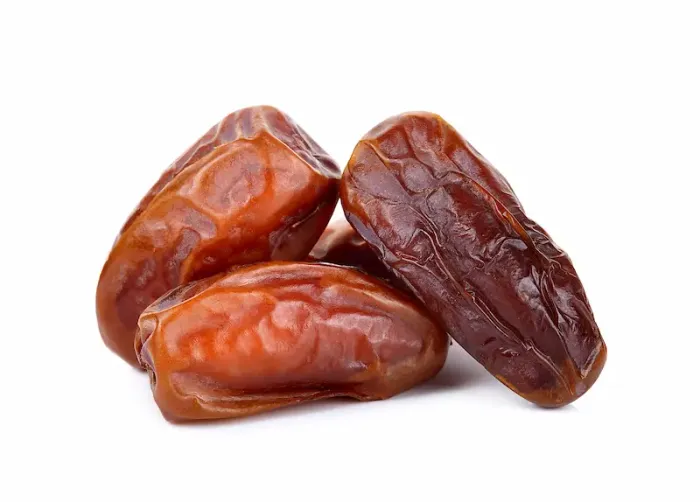
Dates grow on the date palm tree and have played a role in traditional diets for thousands of years across the Middle East, North Africa, and many surrounding regions. They can be enjoyed fresh when soft and golden brown, or dried, which concentrates their sweetness and makes them shelf-stable. Their versatility means they can be eaten alone, used as a natural sweetener in recipes, or blended into sauces and smoothies.
Why It Matters?
• Dates offer natural sweetness alongside fibre and minerals, providing a more nourishing option compared with refined sugar.
• They’re highly versatile, fitting into snacks, smoothies, baking, and savoury dishes.
• Their calorie density means mindful portions help balance enjoyment with nutritional goals.
Dates matter not only because they taste indulgent, but also because they fit into a balanced diet as a whole-food sweetener that brings extra nutrients rather than empty calories.
Dates Benefits at a Glance
The benefits of dates include:
• Fibre for digestion, supporting regularity and helping you feel full.
• Potassium to support fluid balance and healthy blood pressure as part of an overall balanced diet.
• Antioxidant compounds that help counter everyday oxidative stress.
• Naturally sweet and minimally processed, offering a nutritious alternative to refined sugar.
These benefits make dates a satisfying way to add sweetness without relying solely on added sugars, creating opportunities for healthier home cooking and snacking.
Nutrition Snapshot (What You Can Expect)
While the exact nutrition varies between date varieties and sizes, they share several traits that make them nourishing when eaten mindfully:
• High in carbohydrates, mostly naturally occurring sugars.
• A source of dietary fibre.
• Provide potassium and small amounts of magnesium, copper, and vitamin B6.
• Very low in fat and free of cholesterol.
For those who closely monitor nutrient intake, checking the nutrition panel on packaged dates provides the most accurate information. Because dates are dense in both calories and sugars, moderation is key, especially if managing weight or blood sugar.
Are Dates Good for Blood Sugar?
Although dates taste extremely sweet, their fibre helps slow digestion compared with refined sugar. Many people with diabetes or prediabetes can include moderate amounts as part of a balanced eating plan, particularly when pairing dates with protein or healthy fats to support steadier energy and satiety.
Tips for Managing Blood Sugar
• Mind your portion: Try 1–2 large dates or a small handful of smaller dates, counting them toward your carbohydrate goal.
• Pair thoughtfully: Combine dates with nuts, seeds, or yoghurt to support a more gradual rise in blood sugar.
• Choose whole dates over syrups: Date syrup removes fibre and is considered an added sugar.
Your healthcare provider’s guidance should always remain the cornerstone of blood sugar management, but dates can be enjoyed in moderation with thoughtful planning.
How do Dates Compare With Other Sweeteners?
Whole dates can sometimes replace refined sugar and bring additional nutrients to recipes.
Whole Dates vs. Refined Sugar
• Whole dates contain fibre, minerals, and phytonutrients that refined sugar lacks.
• Their natural caramel flavour works well in desserts, smoothies, and sauces.
Date Paste
• Made by blending softened dates with a small amount of water.
• Sweetens foods like oatmeal or energy bites while keeping the fibre intact.
Date Syrup
• Offers depth of flavour but is considered an added sugar.
• Best used sparingly and as an occasional ingredient.
Replacing sugar with whole dates can help reduce overall added sugar intake while enhancing both flavour and nutrition.
Popular Types of Dates (Flavour and Texture)
Popular types of dates are:
Medjool
• Large, soft, and intensely sweet with a caramel-like taste.
• Ideal for snacking, stuffing, or blending into smoothies and paste.
Deglet Noor
• Medium-sized, firmer, and less sweet than Medjool.
• Excellent for baking where structure and mild sweetness are needed.
Barhi
• Very soft and creamy when fully ripe, with a honey-like sweetness.
• Enjoyed fresh, often eaten as a delicacy.
Zahidi
• Chewy, mildly sweet, and slightly nutty.
• Works well chopped into salads or granola.
Halawi
• Sweet and chewy with a rich caramel flavour.
• Great for bite-sized snacks, candies, and baking.
Each variety provides a unique texture and flavour profile, allowing you to choose according to your recipe or snacking preference.
Everyday Ways to Use Dates as a Natural Sweetener
Ways to use dates as a natural sweetener:
• Blend into smoothies for natural sweetness.
• Stir chopped dates into oatmeal or yoghurt with cinnamon.
• Make date paste by blending soaked dates until smooth.
• Stuff dates with nut butter, soft cheese, or tahini.
• Add chopped dates to leafy salads with citrus or herbs.
• Blend dates into dressings or sauces for balanced sweetness.
These strategies help integrate dates into meals without relying on refined sugar, all while enhancing taste and textures.
Quick, Healthy Recipes Featuring Dates
Quick and easy health recipes for dates are:
No-Bake Cocoa Almond Energy Bites
• Pulse pitted dates, almonds, cocoa powder, salt, and vanilla until combined.
• Roll into bite-sized balls and refrigerate.
• Optional: Add chia or flax for extra fibre.
Cinnamon Oatmeal with Warm Date Swirl
• Cook oats, then stir in chopped dates, cinnamon, and date paste.
• Top with fruit or nuts for extra richness.
Lemon Herb Quinoa Salad with Chopped Dates
• Combine quinoa with cucumber, parsley, mint, pistachios, and dates.
• Toss with lemon juice, olive oil, salt, and pepper.
Stuffed Medjool “Cheesecake” Bites
• Fill pitted dates with yoghurt or ricotta.
• Finish with nuts or graham crumbs and chill briefly.
Creamy Tahini Date Smoothie
• Blend milk, frozen banana, dates, tahini, and vanilla.
• Add cardamom for warmth and complexity.
These recipes highlight how dates complement everything from breakfast to savoury dishes and desserts.
Smart Portions, Safety, and Storage
Here is some information about portion size, safety and storage
Portion Tips
• Dates are nutrient-dense but high in calories.
• Many people find 1–2 large dates or a small handful of smaller dates satisfying.
Dental Health
• Dates are sticky; rinse your mouth after eating and maintain regular dental hygiene.
Potassium Considerations
• Individuals advised to limit potassium should discuss appropriate portions with their clinician.
Pits and Pieces
• Check even “pitted” dates for stray fragments.
Additives and Sulphites
• Some dried fruits contain sulphites; check labels if sensitive.
Storage
• Store dates in an airtight container in a cool, dry place.
• Refrigeration extends freshness; discard if mouldy or off-smelling.
Dates and Weight Goals
Dates can fit into weight management strategies when eaten in mindful portions. Their natural sweetness and fibre support satisfaction, helping reduce cravings for highly processed sweets.
Practical Strategies
• Pair dates with protein or healthy fats to support satiety.
• Use dates to sweeten homemade snacks rather than relying on refined sugar.
• Pre-portion dates to avoid mindless snacking.
These habits help you enjoy dates while aligning with your broader health goals.
Baking and Cooking with Dates: Practical Tips
Practical tips for baking and cooking dates:
• Lightly oil your knife or chill dates before chopping to reduce stickiness.
• Soak dry dates in warm water to soften before blending.
• Replace part, not all, of refined sugar with date paste in baked goods.
• Reduce liquids slightly if the batter becomes too moist.
• Expect a subtle caramel flavour and moist texture, ideal for brownies, quick breads, and sauces.
With a little experimentation, dates can elevate home baking while reducing added sugars.
The Bottom Line on Dates Benefits
Dates offer natural sweetness, fibre, potassium, and antioxidant compounds in a convenient fruit that stores well and enhances countless recipes. They serve as a nourishing alternative to refined sugar when used as whole fruit or blended into date paste. With mindful portions, thoughtful pairing, and proper storage, dates can support everything from digestive comfort to balanced snacking and flavourful cooking.
Conclusion
Dates are a wholesome, satisfying fruit that adds both nutritional value and rich sweetness to everyday meals. Their balance of fibre, minerals, and antioxidants makes them more nourishing than many traditional sweeteners. Whether you enjoy them whole, blended into paste, or used in creative recipes, dates can complement balanced eating patterns without compromising flavour. Moderation remains important due to their calorie density, especially for those monitoring blood sugar. By choosing whole dates over syrups and pairing them with nutrient-rich foods, you can enjoy their sweetness while staying aligned with your health goals. With proper storage, they remain a convenient and versatile pantry staple.Consult a Top Nutritionist for Personalised Advice
Consult a Top Nutritionist for Personalised Advice

Dr Sumanth R
General Physician
2 Years • MBBS
Bengaluru
PRESTIGE SHANTHINIKETAN - SOCIETY CLINIC, Bengaluru

Dt. Ila Sharma
Clinical Nutritionist
18 Years • Master in food & Nutrition
Gurugram
VIPUL GREENS - SOCIETY CLINIC, Gurugram

Dr. Ramalinga Reddy
General Physician
5 Years • MBBS MD General medicine
Bengaluru
PRESTIGE SHANTHINIKETAN - SOCIETY CLINIC, Bengaluru

Ms. Bhavana Shetty
Dietician
7 Years • DDHN & Masters in Clinical Nutrition & Dietetics
Bangalore
Apollo Sugar Clinic, Seetha circle bangalore, Bangalore

Dt. Prabhavathy
Clinical Nutritionist
8 Years • Msc Human Nutrition & Nutraceuticals
Madurai
Apollo Sugar Clinics, Madurai, Madurai
Consult a Top Nutritionist for Personalised Advice
Dr Sumanth R
General Physician
2 Years • MBBS
Bengaluru
PRESTIGE SHANTHINIKETAN - SOCIETY CLINIC, Bengaluru
Dt. Ila Sharma
Clinical Nutritionist
18 Years • Master in food & Nutrition
Gurugram
VIPUL GREENS - SOCIETY CLINIC, Gurugram
Dr. Ramalinga Reddy
General Physician
5 Years • MBBS MD General medicine
Bengaluru
PRESTIGE SHANTHINIKETAN - SOCIETY CLINIC, Bengaluru
Ms. Bhavana Shetty
Dietician
7 Years • DDHN & Masters in Clinical Nutrition & Dietetics
Bangalore
Apollo Sugar Clinic, Seetha circle bangalore, Bangalore
Dt. Prabhavathy
Clinical Nutritionist
8 Years • Msc Human Nutrition & Nutraceuticals
Madurai
Apollo Sugar Clinics, Madurai, Madurai
More articles from General Medical Consultation





Frequently Asked Questions
Q1: Are dates healthy?
In moderation, yes. Whole dates supply fibre, potassium, and antioxidants with no added sugar. Because they are calorie-dense, enjoy them mindfully as part of a balanced diet.
Q2: Can people with diabetes eat dates?
Many individuals with diabetes can include small portions in their meal plan. Count the carbohydrates, monitor your response, and pair dates with protein or healthy fats. Whole dates are preferable to date syrup.
Q3: What’s a reasonable daily portion of dates?
A common starting point is 1–2 large dates or a small handful of smaller dates, adjusted according to your calorie and carbohydrate needs.
Q4: Are dates better than sugar for baking?
Whole dates and date paste offer sweetness along with fibre and nutrients. Replace part of the sugar in recipes and adjust liquids as needed. Date syrup remains an added sugar and should be used sparingly.
Q5: How should I store dates, and how long do they last?
Store dates in an airtight container in a cool, dry place. Refrigerate for longer freshness. Discard dates with mould, off smells, or unusual texture.