


Edamame Beans: Nutrition, Health Benefits And Uses
Discover edamame benefits, nutrition, and ways to use this soy protein powerhouse. Learn heart, blood sugar, and weight perks, plus safety tips.

Written by Dr. Dhankecha Mayank Dineshbhai
Reviewed by Dr. Vasanthasree Nair MBBS
Last updated on 13th Jan, 2026
Introduction
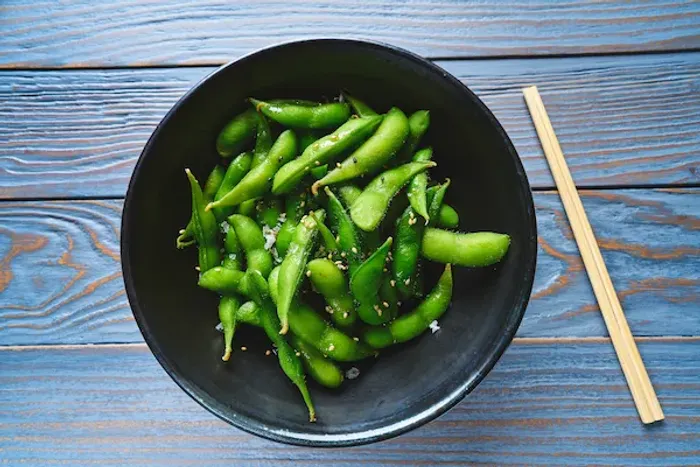
Curious about edamame benefits? These tender, young soybeans are a simple and tasty way to add plant power to your plate. Edamame is rich in soy protein, fibre, and essential vitamins and minerals, making it a smart choice for heart health, steady energy, and feeling full. Whether you are plant based, reducing meat, or simply want a nutritious snack, edamame is easy to cook and easy to love.
What is Edamame?
Edamame are young, green soybeans harvested before they fully mature. You will often find them in the pod, which is inedible, in the frozen section or pre shelled for convenience. They are popular in East Asian cuisines and increasingly common in salads, grain bowls, stir fries, and as a protein rich snack. This section explains what edamame is and how it is commonly used:
Edamame Nutrition at a Glance
Edamame packs a lot of nutrition into a small serving. Here is a simple breakdown of what makes edamame so nutritious:
- High quality plant protein: Soy protein is complete and provides all nine essential amino acids.
- Fibre: Supports digestive health and promotes fullness.
- Healthy fats: Naturally low in saturated fat and rich in polyunsaturated fats.
- Key vitamins and minerals: Good sources of folate, vitamin K, iron, magnesium, and potassium.
- Naturally low in sodium: As long as you prepare it without heavy salting.
If you like numbers, a typical half cup of shelled edamame provides protein similar to an egg or a small serving of meat, along with several grams of fibre and relatively few calories. Exact amounts vary by brand and preparation.
Consult Top Specialists
Edamame Benefits For Health
Below are evidence informed edamame benefits you can expect when you include it as part of a balanced diet. This section highlights the research supported benefits of edamame:
Heart Health and Cholesterol
Here is how edamame supports your heart:
- Replacing animal protein higher in saturated fat with soy protein can modestly lower LDL cholesterol.
- Edamame is naturally low in saturated fat and contains heart supportive polyunsaturated fats.
- Its potassium content helps maintain healthy blood pressure, but avoid extra salt when seasoning.
Blood Sugar Support and Steady Energy
Here is why edamame is helpful for stable energy:
- The protein and fibre combination slows digestion and supports steadier blood sugar levels.
As a minimally processed whole legume, edamame fits well into diets that emphasise high fibre and whole food carbohydrate sources.
Weight Management and Fullness
This section explains why edamame helps with satiety:
- Protein and fibre promote fullness and can help manage portions more easily.
- Replacing processed snacks with edamame boosts nutrients without adding excess calories.
Bone Health and Menopause Considerations
Here is what we know about soy and bone health:
- Edamame contains vitamin K and isoflavones. Research suggests soy isoflavones may modestly reduce hot flashes for some women and may support bone health, although results vary.
- Whole soy foods like edamame are generally preferred over high dose supplements.
Digestive Health
Here is how edamame supports gut health:
- Fibre feeds beneficial gut bacteria and supports regular bowel movements.
- Introduce legumes gradually and drink enough water to minimise digestive discomfort.
Why Soy Protein In Edamame Stands Out?
This section explains what makes soy protein unique:
- Complete protein: Soy protein provides all essential amino acids.
- Versatile: Works as a meat alternative in mixed dishes or as a stand alone snack.
- Evidence based: Replacing high saturated fat animal proteins with soy protein may modestly improve heart related risk factors.
How to Buy, Cook and Use Edamame?
This section helps you choose and prepare edamame with ease:
Buying Tips
Here are the most convenient ways to buy edamame:
- Frozen in the pod: Ideal for snacks and appetisers.
- Frozen shelled: Great for adding to salads, soups, and stir fries.
- Fresh edamame: Use soon after purchase for best flavour.
How To Cook?
These simple methods help preserve flavour and texture:
- Boil or steam for 3 to 5 minutes until bright green and tender.
- Microwave with a splash of water and cover until hot.
- Do not eat the pods. Squeeze the beans out and discard the pods.
Flavour Ideas
Here are ways to enjoy edamame with different flavour profiles:
- Simple: Olive oil, lemon, sea salt, or chilli flakes.
- Asian inspired: Toss with low sodium soy sauce, sesame oil, garlic, and sesame seeds.
- Snack: Sprinkle with smoked paprika or everything bagel seasoning.
- Meal add ins: Stir into fried rice, noodle bowls, soups, or quinoa. Blend into a dip with herbs and lemon.
- Salad booster: Add shelled edamame to greens, chopped vegetables, and whole grains like farro or brown rice.
How Much Edamame Should You Eat?
There is no strict rule for edamame intake. Enjoying whole soy foods such as edamame several times per week is reasonable for most people. A typical snack or side serving is half to one cup of shelled beans or a handful of pods.
Safety, Myths, And Who Should Be Careful
This section helps you stay informed and safe:
- Soy allergy: Those with a known allergy should avoid edamame.
- Thyroid medication: Soy does not cause hypothyroidism but may interfere with levothyroxine absorption. Take your thyroid medicine separately.
- Breast cancer: Whole soy foods are safe for most people, including survivors. Discuss intake with your oncology team. Avoid high dose isoflavone supplements unless advised.
- Sodium: Restaurant edamame is often heavily salted. Prepare lightly salted or unsalted versions at home.
- Kids: Shelled edamame can be a nutritious option but supervise young children, as pods can be a choking hazard.
Smart Ways To Work Edamame Into Your Day
Here are simple ways to eat edamame more often:
- Snack swap: Keep frozen edamame on hand for a filling snack.
- Protein upgrade: Add to soups, stews, pasta, or grain bowls.
- Lunchbox friendly: Add thawed shelled edamame to salads or pasta salads.
- Plant forward meals: Pair edamame with tofu, tempeh, legumes, nuts, and seeds for variety.
Conclusion
Edamame offers a unique mix of great taste, convenience, and nutritional strength. It supports heart health, helps steady energy levels, and keeps you full for longer thanks to its blend of protein and fibre. Including whole soy foods like edamame several times per week is a simple way to enhance your meals and improve overall diet quality. Whether enjoyed as a snack or added to your favourite dishes, edamame is a versatile and reliable addition to a balanced eating pattern.
Consult Top Specialists
Consult Top Specialists

Ms. Samapti Maity
Dietician
16 Years • MSc. (Clinical Nutrition & Dietitics), NDEP, Course in Maternal Infant Young Child Nutrition.Diploma in Sports Nutrition, Diploma in Diabetic educator, FODMAP Specialist
Kolkata
BIENETRE CLINIC, Kolkata

Ms. Malabika Datta
Dietician
17 Years • Msc. in Dietetics & Food Service Management
Kolkata
Dr Utsa Basu Clinic, Kolkata

(25+ Patients)

Dr Venkata Naga Sai Tribhushan Rambhatla
General Physician
3 Years • MBBS
Bengaluru
PRESTIGE SHANTHINIKETAN - SOCIETY CLINIC, Bengaluru

Ms. Soma Saha
clinical nutrition
17 Years • B.Sc. - Home Science (Food & Nutrition), M.Sc. - Home Science (Food & Nutrition)
Kolkata
Dr Utsa Basu Clinic, Kolkata
(50+ Patients)

Ms Malabika Datta
Dietician
19 Years • Bsc (Clinical Nutrition & Dietetics), Msc (Dietetics & Food Service Management)
Kolkata
Malabika’s Diet Clinic, Kolkata
Consult Top Specialists
Ms. Samapti Maity
Dietician
16 Years • MSc. (Clinical Nutrition & Dietitics), NDEP, Course in Maternal Infant Young Child Nutrition.Diploma in Sports Nutrition, Diploma in Diabetic educator, FODMAP Specialist
Kolkata
BIENETRE CLINIC, Kolkata
Ms. Malabika Datta
Dietician
17 Years • Msc. in Dietetics & Food Service Management
Kolkata
Dr Utsa Basu Clinic, Kolkata
(25+ Patients)
Dr Venkata Naga Sai Tribhushan Rambhatla
General Physician
3 Years • MBBS
Bengaluru
PRESTIGE SHANTHINIKETAN - SOCIETY CLINIC, Bengaluru
Ms. Soma Saha
clinical nutrition
17 Years • B.Sc. - Home Science (Food & Nutrition), M.Sc. - Home Science (Food & Nutrition)
Kolkata
Dr Utsa Basu Clinic, Kolkata
(50+ Patients)
Ms Malabika Datta
Dietician
19 Years • Bsc (Clinical Nutrition & Dietetics), Msc (Dietetics & Food Service Management)
Kolkata
Malabika’s Diet Clinic, Kolkata
More articles from General Medical Consultation



Frequently Asked Questions
Is edamame the same as soybeans?
Yes. Edamame are young, green soybeans harvested before they fully mature. The pods are inedible; you eat only the beans inside.
How much protein is in edamame?
Amounts vary by brand and serving size, but a 1/2 cup of shelled edamame typically provides roughly 8–10 grams of soy protein, plus several grams of fiber.
Is edamame safe for people with or after breast cancer?
Current evidence indicates whole soy foods like edamame are safe for most people with or without a history of breast cancer. If you’re in treatment or have specific concerns, talk with your care team. Avoid high-dose isoflavone supplements unless your clinician recommends them.
Can I eat edamame if I have hypothyroidism?
Generally yes, but do not take levothyroxine at the same time as soy foods because soy can reduce absorption of the medicine. Take your thyroid hormone on an empty stomach as directed by your clinician and separate soy intake by several hours.
Are there GMO or organic concerns with edamame?
Soy foods approved by major health and regulatory bodies are considered safe to eat. If you prefer to avoid genetically engineered crops, choose certified organic or non-GMO labeled products.