


Elderberry: Research-Backed Benefits
Curious about elderberry benefits? See what research shows, how to use it safely, side effects, and who should avoid it. Clear guidance from trusted sources.

Introduction
Elderberry (Sambucus nigra) has been used in traditional remedies for generations, and its popularity has grown as people search for natural ways to support their health—especially during cold and flu season. Many people want clear, trustworthy information about elderberry benefits, safety, and practical use. Some wonder whether it can shorten colds, others ask about flu support, and many are curious about whether products like syrups, gummies, capsules, and teas are effective.
While elderberry is widely marketed as an immune-supporting supplement, it’s essential to understand what current
research shows—and what it doesn’t. In this guide, you’ll learn how elderberry works, where the evidence is strongest,
who should avoid it, and how to choose and use products safely as part of an overall plan for staying well.
Consult a Top Nutritionist for Personalised Advice
What is Elderberry?
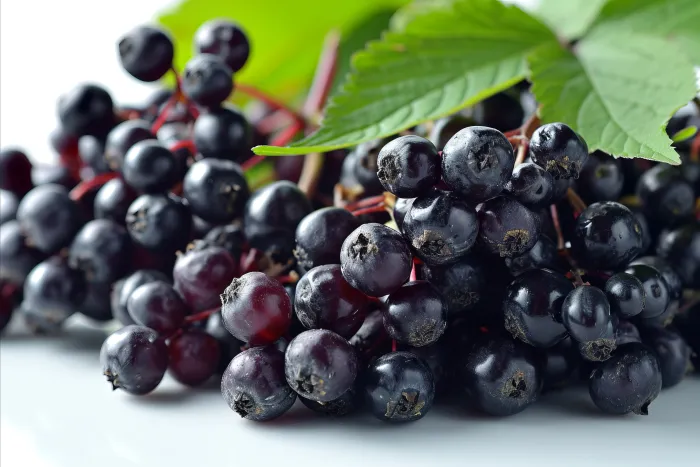
Elderberry refers to the small, dark purple berries from the European elder tree (Sambucus nigra). These berries are rich
in colourful plant compounds called anthocyanins, which act as antioxidants in the body. Elderberry is available in many forms:
- Syrups, capsules, lozenges, and gummies
- Commercial teas and juices
- Standardised extracts used for short-term support
A vital safety reminder: raw or unripe elderberries, along with the plant’s stems, leaves, and bark, contain substances that can release cyanide. Eating them raw can cause nausea, vomiting, diarrhoea, and abdominal pain. Only properly cooked or commercially prepared products should be used.
Elderberry Benefits For Colds and Flu
The benefits of elderberry for cold and flu:
What the Studies Suggest
A number of small studies have explored whether elderberry helps with cold or flu-like symptoms. While research is
limited, findings include:
- Several randomised controlled trials have shown that people taking elderberry extract reported shorter durations of cold or flu-like symptoms.
- Some participants experienced reduced symptom severity, such as less congestion or fatigue.
- A pooled analysis of small trials suggests elderberry may offer modest relief if used early in the course of illness.
For most people, this means elderberry might help you feel better a little faster if taken soon after symptoms begin. The
evidence points to a small potential benefit—not a dramatic one.
What The Studies Do Not Show
- Elderberry is not a cure and should never replace medical care when needed.
- It is not proven to prevent colds or flu.
- It has not been shown to prevent or treat COVID-19.
- Evidence quality is mixed, and studies vary widely in terms of product type, dosage, and duration.
Bottom Line on Elderberry Benefits for Colds and Flu
Elderberry may help reduce how long cold or flu-like symptoms last, but research is limited, and results vary. It is best
used as a supportive measure rather than a primary treatment.
How Might Elderberry Work?
The possible mechanisms behind elderberry’s effects come from laboratory research and small human studies.
Antioxidant Activity
Elderberries are rich in anthocyanins—natural pigments that act as antioxidants. These compounds help protect cells
from everyday oxidative stress and may help support overall immune function.
Immune Pathways
Some studies suggest that elderberry extracts can influence certain immune signalling pathways, potentially helping the
body respond to viral infections more effectively. The clinical significance of these effects still needs more research.
Viral Effects in Laboratory Studies
In vitro studies (test-tube experiments) have shown that elderberry extracts can affect certain viruses. However,
laboratory findings don’t always translate into real-world benefits.
What This Means for You
Elderberry has promising biological properties, but human studies are what matter most—and those show only modest
benefits.
Safety, Side Effects, and Who Should Avoid Elderberry
Most adults tolerate commercially prepared elderberry products reasonably well when used short term, but caution is
still necessary.
Avoid Raw Plant Parts
- Never consume raw or unripe berries.
- Do not eat leaves, stems, or bark.
- Only use properly cooked or commercial preparations.
Possible Side Effects
- Mild stomach upset
- Nausea or diarrhoea
- Rare allergic reactions such as rash or swelling
If you notice concerning symptoms, stop taking the product and contact a healthcare professional.
Pregnant or Breastfeeding Individuals
There is not enough reliable research to confirm safety during pregnancy or breastfeeding. Most experts advise avoiding elderberry unless a clinician recommends it.
Children
- Safety and dosing for children are not well established.
- Do not give raw or home-prepared uncooked elderberry to any child.
- Always consult a paediatric clinician before giving elderberry to children.
People With Medical Conditions or on Medication
Speak to your clinician if you:
- Have an autoimmune condition
- Take medicines that affect immune function
- Have diabetes and need to avoid added sugars in syrups and gummies
- Take multiple medicines or have chronic health issues
Quality Matters
Choose brands that use third-party testing for purity and potency. This helps reduce the risk of contamination and
ensures the product contains what the label claims.
How to Choose and Use Elderberry Products Wisely
Choosing a good-quality elderberry product and using it appropriately makes a meaningful difference.
Pick Reputable Brands
Look for products that:
- Use standardised extracts
- Provide clear ingredient lists
- Undergo third-party testing (for example, USP or NSF)
Read Labels Carefully
Check for:
- Serving size
- Active ingredient concentration
- Added sugars or flavourings
Any allergens
Use as Directed
Follow package instructions, as dosing varies between syrups, capsules, and lozenges.
Monitor how you feel
If you experience:
- Stomach discomfort
- Rash or swelling
- Worsening symptoms
Stop use and seek personalised advice.
Homemade Products
If making elderberry syrup at home, ensure berries are fully cooked to inactivate harmful compounds. Homemade
preparations must never include raw berries.
What Elderberry Cannot Replace?
Elderberry can be a supportive tool, but it should never replace proven health measures. The most reliable ways to
protect yourself from colds, flu, and other infections include:
- Staying up to date with recommended vaccines
- Washing hands regularly or using hand sanitiser
- Staying home when sick to avoid spreading illness
- Getting enough sleep to support immune function
- Eating a balanced diet rich in vegetables, fruits, and whole foods
- Managing stress and staying physically active
- Following clinician-recommended treatments during illnesses
Who Should and Should Not Consider Elderberry
Consider the following points:
Might Consider Using Elderberry
- Adults wanting a short-term, complementary option for early cold symptoms
- People who enjoy plant-based supplements and understand that the benefits are modest
Should avoid or Seek Medical Advice First
- Pregnant or breastfeeding people
- Children, especially under medical age
- Individuals with autoimmune conditions
- Anyone on immunosuppressant medicines
- Those with chronic illnesses or multiple medications
The Bottom Line
Current research suggests that elderberry may help reduce the duration and severity of cold and flu-like symptoms for some adults when used early and for short periods. However, the evidence remains limited and inconsistent. Elderberry should be viewed as one small part of an overall wellness plan, not a cure, and not a replacement for vaccination, medical treatment, or healthy daily habits.
Conclusion
Elderberry is a popular supplement rooted in long-standing traditional use, and modern research suggests it may offer modest support during cold and flu season. When used correctly, high-quality elderberry products can be a simple way to support general wellness, particularly at the onset of symptoms. However, it’s not a cure, not a first-line treatment, and not a substitute for well-established health practices. To use elderberry safely and effectively, choose reputable products, follow label directions, and seek personalised advice if you have underlying health conditions or take medications. With the right approach, elderberry can be a helpful addition to a balanced, evidence-informed self-care plan.
Consult a Top Nutritionist for Personalised Advice
Consult a Top Nutritionist for Personalised Advice

Dr. Ramalinga Reddy
General Physician
5 Years • MBBS MD General medicine
Bengaluru
PRESTIGE SHANTHINIKETAN - SOCIETY CLINIC, Bengaluru

Dt. Ila Sharma
Clinical Nutritionist
18 Years • Master in food & Nutrition
Gurugram
VIPUL GREENS - SOCIETY CLINIC, Gurugram
Ms. Bhavana Shetty
Dietician
7 Years • DDHN & Masters in Clinical Nutrition & Dietetics
Bangalore
Apollo Sugar Clinic, Seetha circle bangalore, Bangalore

Dt. Prabhavathy
Clinical Nutritionist
8 Years • Msc Human Nutrition & Nutraceuticals
Madurai
Apollo Sugar Clinics, Madurai, Madurai

Dr Sumanth R
General Physician
2 Years • MBBS
Bengaluru
PRESTIGE SHANTHINIKETAN - SOCIETY CLINIC, Bengaluru
Consult a Top Nutritionist for Personalised Advice
Dr. Ramalinga Reddy
General Physician
5 Years • MBBS MD General medicine
Bengaluru
PRESTIGE SHANTHINIKETAN - SOCIETY CLINIC, Bengaluru
Dt. Ila Sharma
Clinical Nutritionist
18 Years • Master in food & Nutrition
Gurugram
VIPUL GREENS - SOCIETY CLINIC, Gurugram
Ms. Bhavana Shetty
Dietician
7 Years • DDHN & Masters in Clinical Nutrition & Dietetics
Bangalore
Apollo Sugar Clinic, Seetha circle bangalore, Bangalore
Dt. Prabhavathy
Clinical Nutritionist
8 Years • Msc Human Nutrition & Nutraceuticals
Madurai
Apollo Sugar Clinics, Madurai, Madurai
Dr Sumanth R
General Physician
2 Years • MBBS
Bengaluru
PRESTIGE SHANTHINIKETAN - SOCIETY CLINIC, Bengaluru
More articles from General Medical Consultation

Frequently Asked Questions
Q.Can elderberry prevent colds or flu?
There is no strong evidence that elderberry prevents viral infections. It may help shorten symptoms once you’re already unwell.
Q.Does elderberry help with COVID-19?
Elderberry has not been proven to prevent or treat COVID-19. Follow public health guidance and medical advice for prevention and treatment.
Q.Is elderberry safe for kids?
Safety data are limited. Consult a paediatric clinician before giving any elderberry product to a child.
Q.What side effects should I watch for?
Possible side effects include stomach upset, diarrhoea, nausea, or allergic reactions.
Q.How do I choose a good elderberry supplement?
Select reputable brands with third-party testing and check labels for added sugars or allergens.