Exercising in the Heat: A Complete Guide to How It Impacts Your Body
Discover how exercising in the heat affects your body, from heart strain to sweat efficiency, and learn safe strategies to stay cool, hydrated, and perform your best.


Introduction Exercising in the Heat: A Complete Guide to How It Impacts Your Body
Meta Description: Discover how exercising in the heat affects your body, from heart strain to sweat efficiency, and learn safe strategies to stay cool, hydrated, and perform your best.
URL: exercising-in-the-heat-a-complete-guide-to-how-it-impacts-your-body
Introduction
When the sun is blazing, the last thing you might want to do is crank out a workout. But understanding what happens inside your body when you exercise in the heat can be the difference between a powerful session and a dangerous situation. This guide will walk you through the remarkable physiological dance your body performs to keep you cool, the very real impacts of heat on your performance, and how you can train smarter and safer. Whether you're a dedicated runner, a weekend hiker, or a gym enthusiast, knowing how heat affects your body is crucial for your health and fitness goals. We'll explore everything from your pounding heart to your sweating skin, arming you with the knowledge to conquer the summer heat.
The Core Challenge; Your Internal Engine vs. The External Sun
Metabolic Heat: The Fire Within
Your muscles are incredibly inefficient—and that's a good thing when it comes to staying warm, but a challenge in the summer. Only about 20-25% of the energy you produce during exercise is used for movement. The remaining 75-80% is released as metabolic heat. This means that even in a cool room, your core temperature begins to rise the moment you start your workout. Now, add a hot environment to the mix. Your body must deal with this internal furnace while also absorbing heat from the sun and the surrounding air, creating a double burden on your cooling systems.
The Thermoregulation Balancing Act
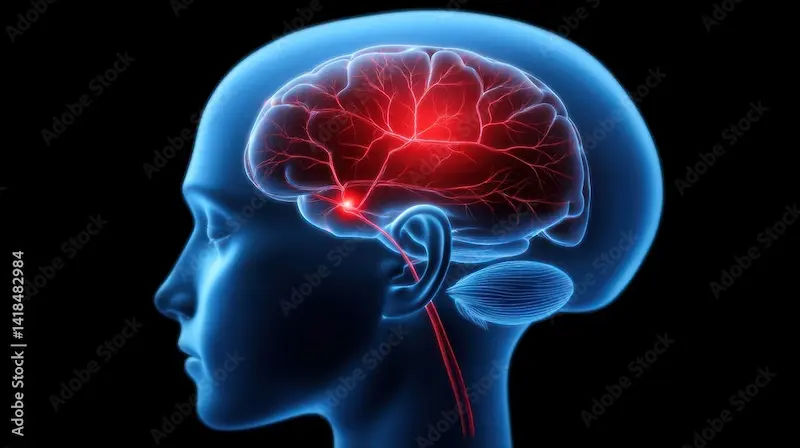
To prevent overheating, your body operates a sophisticated cooling system centred in the brain's hypothalamus, which acts as a thermostat. Its goal is to maintain a core temperature around 98.6°F (37°C). When you exercise in the heat, the hypothalamus signals a series of physiological responses to dump excess heat, primarily through two methods: moving blood to the skin and producing sweat.
Your Body's Immediate Cooling Systems in Action
Increased Blood Flow to the Skin (Radiation)
One of the first things you'll notice is your skin turning red or flushed. This is a sign of vasodilation, where your blood vessels near the skin's surface widen. Your heart pumps more blood to your skin, allowing heat to radiate away from your body into the cooler environment. However, this creates a competition for blood flow: your working muscles demand oxygen-rich blood, and now your skin needs it for cooling. This is a primary reason your cardiovascular system feels so strained.
The Power of Sweat (Evaporation)
The most obvious cooling mechanism is sweating. When your blood is shunted to the skin, it heats the water in your sweat glands, which then secretes sweat onto your skin. As this sweat evaporates, it draws a significant amount of heat away from your body. The efficiency of this process, however, depends heavily on humidity. In dry heat, sweat evaporates quickly, providing excellent cooling. In high humidity, the air is already saturated with water vapour, slowing evaporation and making it much harder for your body to cool down, drastically increasing the impacts of heat stress.
Health topic carousel:
Doctor's speciality: General Practitioner
Text: Consult a Specialist for the best advice
The Domino Effect; How Heat Stress Alters Your Exercise Physiology
Let's now see how stress changes your exercise physiology:
The Cardiovascular Strain: A Heart Working Overtime
To manage the competing demands for blood flow, your heart has to work much harder. Your heart rate increases at a given pace or power output—a phenomenon known as "cardiovascular drift." For example, a pace that feels easy on a cool day might push your heart rate into a high zone on a hot day. This elevated heart rate means perceived exertion skyrockets; your workout will feel significantly harder, and your performance (speed, power) will naturally decrease as your body prioritises survival over speed.
The Fuel Burn: Shifts in Energy Metabolism
Heat stress also influences how you burn fuel. Your body relies more heavily on glycogen (stored carbohydrates) for energy in the heat compared to fat. This can lead to faster depletion of your glycogen stores, increasing the risk of "bonking" or hitting the wall much earlier in your endurance event. This is a key reason why proper fuelling before and during long, hot workouts is essential.
The Neuromuscular Impact: When Muscles Get Sluggish
Direct heat on the muscles can impair their ability to contract forcefully and efficiently. This, combined with the increased cardiovascular strain and potential dehydration, leads to a noticeable decrease in muscle endurance and strength. Your central nervous system also plays a role, reducing the signals it sends to your muscles to prevent catastrophic overheating, a built-in safety mechanism to protect your vital organs.
Recognising the Warning Signs; From Heat Cramps to Heat Stroke
Heat Cramps and Heat Exhaustion
The first signs of trouble are often painful muscle cramps (heat cramps), typically caused by electrolyte loss through sweat. If ignored, this can progress to heat exhaustion. Symptoms include:
Heavy sweating
Cold, pale, and clammy skin
Fast, weak pulse
Nausea or vomiting
Muscle cramps
Tiredness or weakness
Dizziness or fainting
At this stage, you must stop exercising, move to a cool place, and hydrate. If symptoms of dizziness and weakness persist, it's crucial to consult a doctor. You can connect with a healthcare professional online through Apollo24|7 for immediate advice.
Heat Stroke: A Medical Emergency
Heat stroke is a life-threatening condition where your body's cooling system fails. Core temperature rises above 104°F (40°C). Key signs include:
Confusion or altered mental state
Hot, red, dry skin (though it may still be moist from previous sweating)
Loss of consciousness
Heat stroke is a medical emergency. Call for emergency help immediately. Do not hesitate to seek in-person medical attention.
Turning Up the Heat for Good; The Science of Acclimatisation
The good news is that your body is adaptable. Through repeated exposure to exercise in hot conditions (a process called heat acclimatisation), it becomes more efficient at cooling itself. Over 7-14 days, you will:
Start sweating sooner and at a lower core temperature.
Increase your sweat rate, enhancing evaporative cooling.
Reduce the electrolyte concentration in your sweat.
Plasma volume expands, improving cardiovascular stability.
This is why the first hot workout of the season feels brutal, but after a couple of weeks, the same conditions feel more manageable. This adaptation is one of the key benefits of heat training for athletes.
Practical Strategies for Safe and Effective Summer Workouts
Hydration: Beyond Just Water
Proper hydration for summer exercise is non-negotiable. Drink water throughout the day, not just during your workout. For activities longer than 60-90 minutes, a sports drink containing electrolytes (sodium, potassium) can help replace what is lost in sweat and maintain fluid balance. A simple way to monitor hydration is to check your urine colour—aim for a light lemonade shade.
Clothing and Timing: Your First Line of Defence
Wear light-coloured, loose-fitting, and moisture-wicking clothing. A light-coloured hat and sunglasses can also help. Schedule your workouts for the coolest parts of the day, typically early morning or late evening. Always listen to your body and be willing to reduce your intensity or duration on exceptionally hot or humid days.
Conclusion
Exercising in the heat presents a profound challenge to your body, triggering a complex series of events from your cardiovascular system to your sweat glands. While it can decrease immediate performance, understanding these impacts allows you to train smarter. By respecting the warning signs, prioritising hydration, and allowing your body to acclimatise, you can not only stay safe but also use the heat as a tool to build resilience. Your body's ability to adapt is extraordinary. So, the next time you head out into the sun, you can do so with confidence, knowing exactly how your body is responding and how to support it every step of the way. If you have specific concerns about your health or tolerance to exercise in the heat, booking a consultation with a sports medicine specialist through Apollo24|7 can provide personalised guidance.
Frequently Asked Questions (FAQs)
Is it better to exercise in dry heat or humid heat?
Dry heat is generally easier on the body because sweat can evaporate efficiently, providing effective cooling. In high humidity, evaporation is limited, so your body struggles to cool down, making it feel much hotter and increasing the risk of heat-related illnesses.
Why does my heart rate increase so much when I run in the heat?
This is due to "cardiovascular drift." Your heart has to pump more blood to your skin for cooling, in addition to supplying your working muscles. This increased demand forces your heart to beat faster to maintain cardiac output, elevating your heart rate at any given exercise intensity.
How long does it take to acclimate to exercising in the heat?
Most people see significant improvements in heat tolerance within 7 to 14 days of consistent exposure. The process begins within just a few days, with your body starting to sweat earlier and more profusely.
What are the best electrolytes for hot weather workouts?
Look for drinks or supplements containing sodium and potassium, as these are the primary electrolytes lost in sweat. Magnesium and calcium are also important. For most recreational athletes, a balanced sports drink is sufficient. For those with high sweat rates, electrolyte tablets or powders can be beneficial.
Can exercising in the heat help you lose weight faster?
While you may see a temporary weight loss from fluid loss (sweat), this is not true fat loss and will be regained once you rehydrate. The increased cardiovascular strain might burn a few more calories, but the increased difficulty often leads to shorter workouts. Sustainable weight loss comes from consistent calorie expenditure over time, which is often easier to achieve in moderate temperatures.
Health topic carousel:
Doctor's speciality: General Practitioner
Text: Consult a Specialist for the best advice
When the sun is blazing, the last thing you might want to do is crank out a workout. But understanding what happens inside your body when you exercise in the heat can be the difference between a powerful session and a dangerous situation. This guide will walk you through the remarkable physiological dance your body performs to keep you cool, the very real impacts of heat on your performance, and how you can train smarter and safer. Whether you're a dedicated runner, a weekend hiker, or a gym enthusiast, knowing how heat affects your body is crucial for your health and fitness goals. We'll explore everything from your pounding heart to your sweating skin, arming you with the knowledge to conquer the summer heat.
The Core Challenge; Your Internal Engine vs. The External Sun
Metabolic Heat: The Fire Within
Your muscles are incredibly inefficient—and that's a good thing when it comes to staying warm, but a challenge in the summer. Only about 20-25% of the energy you produce during exercise is used for movement. The remaining 75-80% is released as metabolic heat. This means that even in a cool room, your core temperature begins to rise the moment you start your workout. Now, add a hot environment to the mix. Your body must deal with this internal furnace while also absorbing heat from the sun and the surrounding air, creating a double burden on your cooling systems.
The Thermoregulation Balancing Act
To prevent overheating, your body operates a sophisticated cooling system centred in the brain's hypothalamus, which acts as a thermostat. Its goal is to maintain a core temperature around 98.6°F (37°C). When you exercise in the heat, the hypothalamus signals a series of physiological responses to dump excess heat, primarily through two methods: moving blood to the skin and producing sweat.
Your Body's Immediate Cooling Systems in Action
Increased Blood Flow to the Skin (Radiation)
One of the first things you'll notice is your skin turning red or flushed. This is a sign of vasodilation, where your blood vessels near the skin's surface widen. Your heart pumps more blood to your skin, allowing heat to radiate away from your body into the cooler environment. However, this creates a competition for blood flow: your working muscles demand oxygen-rich blood, and now your skin needs it for cooling. This is a primary reason your cardiovascular system feels so strained.
The Power of Sweat (Evaporation)
The most obvious cooling mechanism is sweating. When your blood is shunted to the skin, it heats the water in your sweat glands, which then secretes sweat onto your skin. As this sweat evaporates, it draws a significant amount of heat away from your body. The efficiency of this process, however, depends heavily on humidity. In dry heat, sweat evaporates quickly, providing excellent cooling. In high humidity, the air is already saturated with water vapour, slowing evaporation and making it much harder for your body to cool down, drastically increasing the impacts of heat stress.
Health topic carousel:
Doctor's speciality: General Practitioner
Text: Consult a Specialist for the best advice
The Domino Effect; How Heat Stress Alters Your Exercise Physiology
Let's now see how stress changes your exercise physiology:
The Cardiovascular Strain: A Heart Working Overtime
To manage the competing demands for blood flow, your heart has to work much harder. Your heart rate increases at a given pace or power output—a phenomenon known as "cardiovascular drift." For example, a pace that feels easy on a cool day might push your heart rate into a high zone on a hot day. This elevated heart rate means perceived exertion skyrockets; your workout will feel significantly harder, and your performance (speed, power) will naturally decrease as your body prioritises survival over speed.
The Fuel Burn: Shifts in Energy Metabolism
Heat stress also influences how you burn fuel. Your body relies more heavily on glycogen (stored carbohydrates) for energy in the heat compared to fat. This can lead to faster depletion of your glycogen stores, increasing the risk of "bonking" or hitting the wall much earlier in your endurance event. This is a key reason why proper fuelling before and during long, hot workouts is essential.
The Neuromuscular Impact: When Muscles Get Sluggish
Direct heat on the muscles can impair their ability to contract forcefully and efficiently. This, combined with the increased cardiovascular strain and potential dehydration, leads to a noticeable decrease in muscle endurance and strength. Your central nervous system also plays a role, reducing the signals it sends to your muscles to prevent catastrophic overheating, a built-in safety mechanism to protect your vital organs.
Recognising the Warning Signs; From Heat Cramps to Heat Stroke
Heat Cramps and Heat Exhaustion
The first signs of trouble are often painful muscle cramps (heat cramps), typically caused by electrolyte loss through sweat. If ignored, this can progress to heat exhaustion. Symptoms include:
Heavy sweating
Cold, pale, and clammy skin
Fast, weak pulse
Nausea or vomiting
Muscle cramps
Tiredness or weakness
Dizziness or fainting
At this stage, you must stop exercising, move to a cool place, and hydrate. If symptoms of dizziness and weakness persist, it's crucial to consult a doctor. You can connect with a healthcare professional online through Apollo24|7 for immediate advice.
Heat Stroke: A Medical Emergency
Heat stroke is a life-threatening condition where your body's cooling system fails. Core temperature rises above 104°F (40°C). Key signs include:
Confusion or altered mental state
Hot, red, dry skin (though it may still be moist from previous sweating)
Loss of consciousness
Heat stroke is a medical emergency. Call for emergency help immediately. Do not hesitate to seek in-person medical attention.
Turning Up the Heat for Good; The Science of Acclimatisation
The good news is that your body is adaptable. Through repeated exposure to exercise in hot conditions (a process called heat acclimatisation), it becomes more efficient at cooling itself. Over 7-14 days, you will:
Start sweating sooner and at a lower core temperature.
Increase your sweat rate, enhancing evaporative cooling.
Reduce the electrolyte concentration in your sweat.
Plasma volume expands, improving cardiovascular stability.
This is why the first hot workout of the season feels brutal, but after a couple of weeks, the same conditions feel more manageable. This adaptation is one of the key benefits of heat training for athletes.
Practical Strategies for Safe and Effective Summer Workouts
Hydration: Beyond Just Water
Proper hydration for summer exercise is non-negotiable. Drink water throughout the day, not just during your workout. For activities longer than 60-90 minutes, a sports drink containing electrolytes (sodium, potassium) can help replace what is lost in sweat and maintain fluid balance. A simple way to monitor hydration is to check your urine colour—aim for a light lemonade shade.
Clothing and Timing: Your First Line of Defence
Wear light-coloured, loose-fitting, and moisture-wicking clothing. A light-coloured hat and sunglasses can also help. Schedule your workouts for the coolest parts of the day, typically early morning or late evening. Always listen to your body and be willing to reduce your intensity or duration on exceptionally hot or humid days.
Conclusion
Exercising in the heat presents a profound challenge to your body, triggering a complex series of events from your cardiovascular system to your sweat glands. While it can decrease immediate performance, understanding these impacts allows you to train smarter. By respecting the warning signs, prioritising hydration, and allowing your body to acclimatise, you can not only stay safe but also use the heat as a tool to build resilience. Your body's ability to adapt is extraordinary. So, the next time you head out into the sun, you can do so with confidence, knowing exactly how your body is responding and how to support it every step of the way. If you have specific concerns about your health or tolerance to exercise in the heat, booking a consultation with a sports medicine specialist through Apollo24|7 can provide personalised guidance.
Frequently Asked Questions (FAQs)
Is it better to exercise in dry heat or humid heat?
Dry heat is generally easier on the body because sweat can evaporate efficiently, providing effective cooling. In high humidity, evaporation is limited, so your body struggles to cool down, making it feel much hotter and increasing the risk of heat-related illnesses.
Why does my heart rate increase so much when I run in the heat?
This is due to "cardiovascular drift." Your heart has to pump more blood to your skin for cooling, in addition to supplying your working muscles. This increased demand forces your heart to beat faster to maintain cardiac output, elevating your heart rate at any given exercise intensity.
How long does it take to acclimate to exercising in the heat?
Most people see significant improvements in heat tolerance within 7 to 14 days of consistent exposure. The process begins within just a few days, with your body starting to sweat earlier and more profusely.
What are the best electrolytes for hot weather workouts?
Look for drinks or supplements containing sodium and potassium, as these are the primary electrolytes lost in sweat. Magnesium and calcium are also important. For most recreational athletes, a balanced sports drink is sufficient. For those with high sweat rates, electrolyte tablets or powders can be beneficial.
Can exercising in the heat help you lose weight faster?
While you may see a temporary weight loss from fluid loss (sweat), this is not true fat loss and will be regained once you rehydrate. The increased cardiovascular strain might burn a few more calories, but the increased difficulty often leads to shorter workouts. Sustainable weight loss comes from consistent calorie expenditure over time, which is often easier to achieve in moderate temperatures.
Health topic carousel:
Doctor's speciality: General Practitioner
Text: Consult a Specialist for the best advice