

Fennel Seeds (Saunf): Ayurvedic Benefits and Uses
Discover fennel seeds benefits and how this gentle digestion aid may ease gas and bloating. Learn safe uses, simple tips, FAQs, and science-backed guidance.

Written by Dr. Siri Nallapu
Reviewed by Dr. Dhankecha Mayank Dineshbhai MBBS
Last updated on 13th Jan, 2026
Introduction
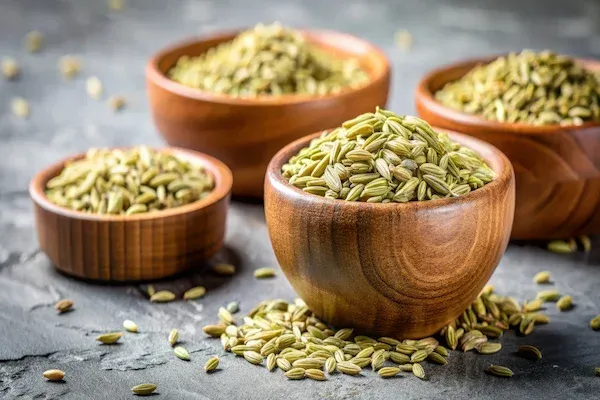
Fennel seeds (saunf) are a beloved kitchen staple in many homes and a classical remedy in Ayurveda. People often chew them after meals, brew them into tea, or add them to curries and breads. Many are curious about fennel seeds' benefits and whether fennel really works as a digestion aid. Good news: fennel is flavorful, versatile, and generally safe in culinary amounts. While modern research is still growing, there are sensible ways to use fennel seeds to support comfort after meals, along with a few safety tips to know.
What Are Fennel Seeds?
Fennel (Foeniculum vulgare) is a flowering plant in the carrot family. The seeds have a sweet, slightly licorice-like taste thanks to aromatic compounds such as anethole and fenchone. In cooking, fennel seeds add aroma and gentle sweetness; in traditional systems like Ayurveda, they’re used to support digestion and ease post-meal heaviness.
Fennel Seeds Benefits: What Ayurveda Teaches And What Science Says?
In Ayurveda, fennel seeds are used to soothe the gut and freshen the breath after meals. Modern research on fennel is still limited, and most evidence is small or preliminary. That means fennel can be a pleasant complement to healthy habits, but it shouldn’t replace medical care when you have ongoing symptoms.
How Can Fennel Support Digestion? (Your Go-To Digestion Aid)
- Traditional carminative: Fennel has long been used to help the body release gas and ease bloating after meals. It’s often chewed after eating or brewed as a warm tea.
- Gentle after-meal habit: Chewing fennel seeds increases saliva, which starts digestion in the mouth, helps you swallow more comfortably, and can make a heavy meal feel lighter.
- Tea for comfort: A simple fennel tea (crushed seeds steeped in hot water) is a common home remedy for post-meal fullness.
What Research Suggests?
- Digestive comfort: Authoritative health sources note that fennel has a history of use for digestive symptoms like gas and bloating, though high-quality studies are limited. Consider fennel an option to try for mild, occasional symptoms alongside diet and lifestyle steps.
- Menstrual comfort: Small studies have examined fennel extracts for menstrual cramps. Findings are mixed and not definitive; more rigorous research is needed.
- Infant colic: Some small trials have explored fennel preparations for infant colic. However, giving herbal teas or extracts to infants isn’t recommended because dosing and safety are uncertain.
- For the first six months, babies should have only breast milk (or formula if needed), not teas or other drinks.
Bottom line: Enjoy fennel seeds as a culinary digestion aid; if symptoms persist or you need higher doses, talk with a clinician to ensure safety and to rule out underlying conditions.
Everyday Ways To Use Fennel Seeds
You don’t need to make big changes to benefit from fennel. Consider these simple approaches:
Chew After Meals
- Lightly chew a small pinch (about 1/2 to 1 teaspoon) of fennel seeds after eating.
- Plain, lightly roasted, or mixed with other aromatic seeds (like coriander) all work.
Brew A Soothing Tea
- Lightly crush 1–2 teaspoons of fennel seeds.
- Steep in hot water for 5–10 minutes; strain and sip warm.
- Optional: add ginger or mint for extra flavor.
Cook With Fennel
- Add to dals, curries, roasted vegetables, or bread doughs.
- Use in spice rubs for fish or chicken, or in pickles and chutneys.
Mouth-Freshening Blends
- Many cultures enjoy roasted fennel (saunf) blends after meals. Choose plain versions without added sugars if you’re watching your sugar intake.
Safety, Side Effects, And Who Should Avoid Fennel
Most people tolerate culinary amounts of fennel seeds well. Still, it’s smart to be aware of a few cautions:
Allergies
- If you’re allergic to fennel or other plants in the carrot family (e.g., celery), avoid fennel.
- Seek urgent care for symptoms like swelling, breathing difficulty, or hives.


Pregnancy And Breastfeeding
- Culinary amounts used in food are generally considered acceptable for most people.
- Concentrated products (like essential oils, strong extracts, or high-dose supplements) are not well studied for safety in pregnancy or lactation. Some compounds in fennel may have estrogen-like activity. Discuss with your obstetrician or midwife before using amounts beyond normal food amounts.
Infants And Young Children
- Do not give fennel tea or fennel-containing herbal products to infants. Health authorities recommend exclusive breastfeeding for the first six months and caution against teas or other fluids for babies. If you’re concerned about infant colic, consult a pediatrician.
Medical Conditions And Medicines
- If you have a hormone-sensitive condition (such as certain breast, ovarian, or uterine conditions), talk with your clinician before using concentrated fennel products.
- If you take prescription medicines, ask your pharmacist or clinician about potential interactions before starting any herbal supplement.
Essential Oil Caution
- Fennel essential oil can irritate skin and is not the same as culinary seeds. Do not ingest essential oils, and don’t apply undiluted oil to skin.
How To Make Fennel Work Better For Digestion?
Fennel can be one simple tool in a broader digestive routine:
- Eat slowly and chew well. This reduces swallowed air and helps break down food.
- Favor fiber from whole foods. Vegetables, fruits, beans, and whole grains support regularity and gut health. Increase fiber gradually and drink enough water.
- Identify triggers. Some people are sensitive to certain beans, dairy, or high-fat meals. A food and symptom diary can help.
- Move your body. Light activity (like a short walk) after meals can ease fullness.
- Manage stress. Mindful breathing or brief relaxation before eating can calm the gut-brain axis and reduce bloating.
- Know when to seek care. Persistent heartburn, unintended weight loss, ongoing abdominal pain, or changes in bowel habits need medical evaluation.
Who Might Benefit From Fennel Seeds?
The fennel seeds will help:
- People who feel gassy or bloated after large meals
- Those who prefer food-first approaches to mild digestive discomfort
- Individuals looking for a gentle mouth freshener that also supports the digestive process
- Home cooks who enjoy adding aromatic spices for flavor and comfort
Who Should Be Cautious Or Get Medical Advice First?
The ones who need to be cautious include:
- Anyone with frequent or severe GI symptoms (pain, diarrhea, constipation, heartburn) that last more than a couple of weeks
- People with known plant allergies (especially to carrot-family plants)
- Those who are pregnant, breastfeeding, or have hormone-sensitive conditions
- Individuals taking prescription medicines who are considering herbal supplements
Simple, Evidence-Informed Ways To Try Fennel Safely
- Start with food amounts. Use fennel as a spice or small after-meal chew.
- Try tea before bed. A warm cup may feel soothing and support sleep and digestion.
- Keep it plain. Skip products with lots of added sugar or artificial colors.
- Track how you feel. Note your symptoms before and after using fennel to see if it helps.
More articles from General Medical Consultation




Frequently Asked Questions
How do I use fennel seeds as a digestion aid?
Chew a small pinch (about 1/2 to 1 teaspoon) after meals, or brew a tea by steeping 1–2 teaspoons of lightly crushed seeds in hot water for 5–10 minutes. Many people find this helps ease post-meal gas and bloating. If symptoms persist, check with your clinician.
Can I take fennel seeds every day? How much is safe?
Using fennel as a food or spice daily is fine for most people. Stick to culinary amounts (a pinch to 1 teaspoon at a time, used in food or tea). Avoid high-dose supplements or essential oils unless your healthcare professional advises you.
Are fennel seeds safe in pregnancy?
Culinary amounts in food are generally acceptable for most people. Because concentrated fennel products haven’t been well studied in pregnancy, avoid high-dose supplements and essential oils. Always discuss any herb use with your obstetrician or midwife.
Can fennel seeds help with bad breath?
Yes, chewing fennel seeds can freshen breath by stimulating saliva and masking odors with their pleasant aroma. This complements daily brushing, flossing, tongue cleaning, and routine dental care.
Do fennel seeds interact with medications?
Interactions are possible with concentrated herbal products. If you take prescription medicines or have hormone-sensitive conditions, speak with your clinician or pharmacist before using fennel supplements. Culinary amounts in food are less likely to cause problems.