


Top Immunity-Boosting Foods for a Strong and Healthy Body
Discover the best immune system foods and a health boosting diet to support your body year-round. Simple tips, meal ideas, and science-backed guidance.

Written by Dr. J T Hema Pratima
Reviewed by Dr. Md Yusuf Shareef MBBS, Advanced Certificate Course in Dermatology
Last updated on 13th Jan, 2026
Introduction
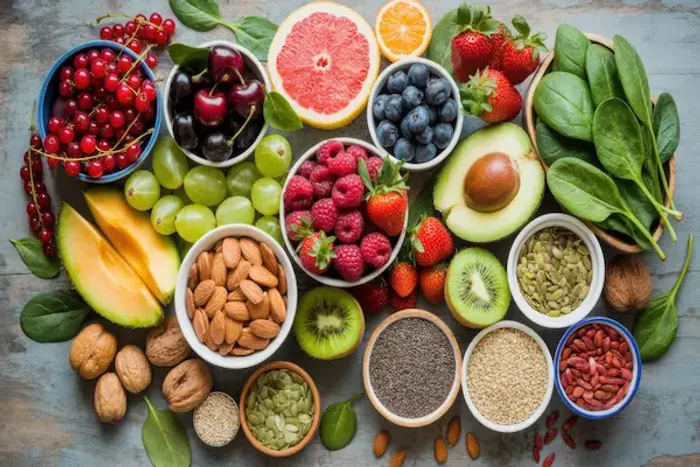
Your immune system is your body’s built-in defense team. While no single food can prevent illness, what you eat every day can help your immune cells work at their best. Focusing on immune system foods within a balanced, health boosting diet provides the vitamins, minerals, protein, fiber, and healthy fats your body needs to respond to germs, repair tissues, and reduce unnecessary inflammation. The good news: many everyday foods—fruits, vegetables, whole grains, beans, nuts, seeds, lean proteins, and fermented foods—deliver powerful nutrients in tasty, accessible ways. This guide shows you what to put on your plate, why it helps, and how to make it simple.
How Nutrition Supports Your Immune System?
A strong immune response depends on many nutrients working together:
- Vitamins (like A, C, D, E, B6, B12, folate) support barriers such as skin and the lining of your gut and help immune cells communicate and respond.
- Minerals (including zinc, iron, selenium) help build and activate immune cells.
- Protein provides amino acids that form antibodies and repair tissues.
- Healthy fats (especially omega-3s) help regulate inflammation.
- Fiber feeds beneficial gut bacteria, which interact closely with immune function.
- Fluids support circulation of nutrients and the lymphatic system.
Food patterns matter more than any single “superfood.” A dietary approach rich in plants, lean proteins, and minimally processed foods—together with sleep, physical activity, vaccination, and hand hygiene—supports overall immune health.
Best Immune System Foods to Add to Your Health Boosting Diet
Citrus and Other Vitamin C–Rich Produce
- Why they help: Vitamin C supports normal immune function and acts as an antioxidant.
- What to choose: Oranges, grapefruit, clementines, kiwi, strawberries, bell peppers, broccoli, tomatoes.
- Easy ideas: Add citrus to yogurt, toss chopped bell peppers into omelets, or roast broccoli as a quick side.
Leafy Greens and Colorful Vegetables
- Why they help: Packed with folate, vitamin A (from beta-carotene), vitamin K, and antioxidants that support barrier defenses and cell function.
- What to choose: Spinach, kale, Swiss chard, romaine, carrots, sweet potatoes, winter squash.
- Easy ideas: Blend spinach into smoothies, roast carrots and sweet potatoes, or build salads with mixed greens.
Protein-Rich Foods for Antibodies and Repair
- Why they help: Protein provides building blocks for immune cells and antibodies.
- What to choose: Beans, lentils, chickpeas, tofu, tempeh, eggs, fish, skinless poultry, lean meats, and plain Greek yogurt.
- Easy ideas: Lentil soup, grilled salmon, tofu stir-fry, or a yogurt bowl with fruit and nuts.
Zinc-Rich Foods
- Why they help: Zinc supports the development and function of immune cells.
- What to choose: Beans, lentils, chickpeas, pumpkin seeds, cashews, yogurt, cheese, whole grains, oysters, beef, poultry.
- Easy ideas: Sprinkle pumpkin seeds on salads, add beans to tacos, or include yogurt as a snack.
Vitamin D Sources
- Why they help: Vitamin D plays a role in immune regulation.
- What to choose: Fatty fish (salmon, sardines), eggs (especially yolks), mushrooms exposed to UV light, and fortified foods like milk, plant milks, and some cereals.
- Sunlight helps your body make vitamin D, but needs vary by season, skin tone, and location. If you suspect low vitamin D, ask your clinician about testing and personalized guidance.
Fermented Foods and Probiotics
- Why they help: A healthy gut microbiome supports immune function.
- What to choose: Yogurt with live cultures, kefir, sauerkraut, kimchi, miso, tempeh, kombucha.
- Easy ideas: Add kefir to smoothies, use kimchi as a side, or top grain bowls with sauerkraut.
Prebiotic Fiber Foods
- Why they help: Prebiotics are fibers that feed beneficial gut bacteria.
- What to choose: Garlic, onions, leeks, asparagus, bananas, apples, oats, barley, beans, lentils, chickpeas.
- Easy ideas: Start the day with oatmeal and banana; add onions and garlic to soups, stews, and sauces.
Healthy Fats and Omega-3s
- Why they help: Omega-3 fats support healthy inflammation responses.
- What to choose: Fatty fish (salmon, mackerel, sardines), walnuts, chia seeds, flaxseeds, extra-virgin olive oil.
- Easy ideas: Swap butter for olive oil, add ground flax to oatmeal, or top salads with walnuts.
Nuts and Seeds for Micronutrients
- Why they help: Provide vitamin E, zinc, selenium, and healthy fats.
- What to choose: Almonds, sunflower seeds, pumpkin seeds, walnuts, Brazil nuts (rich in selenium).
- Easy ideas: Keep a small handful as a snack, blend into pesto, or sprinkle over yogurt or oatmeal.
Berries and Other Polyphenol-Rich Fruits
- Why they help: Polyphenols act as antioxidants and may support immune cell signaling.
- What to choose: Blueberries, strawberries, raspberries, blackberries, pomegranates, grapes.
- Easy ideas: Add to breakfast, freeze for smoothies, or enjoy as dessert.
Alliums, Herbs, Spices, and Tea
- Why they help: Garlic, onions, ginger, turmeric, and green tea provide bioactive compounds that can support overall health.
- What to choose: Fresh garlic and onions, ginger root, turmeric, cinnamon, black pepper, green or black tea.
- Easy ideas: Simmer ginger in tea, add turmeric to roasted vegetables, and use garlic and onions as flavor bases.
Mushrooms
- Why they help: Mushrooms provide fiber, B vitamins, and compounds such as beta-glucans.
- What to choose: Button, cremini, shiitake, oyster, maitake; UV-exposed mushrooms for vitamin D.
- Easy ideas: Sauté as a side, add to omelets, or include in soups and stir-fries.
Hydrating Foods and Fluids
- Why they help: Fluids help move nutrients around the body and support lymphatic flow.
- What to choose: Water, unsweetened tea, broth-based soups, and water-rich fruits/vegetables (cucumber, citrus, melon).
- Easy ideas: Keep a water bottle nearby, sip tea with meals, and include soups and produce daily.
Consult Top Specialists
How to Build a Health-Boosting Diet Every Day?
Aim for balance at most meals:
- Fill half your plate with vegetables and fruits (variety of colors).
- Reserve one-quarter for protein (fish, beans, lentils, tofu, eggs, poultry, or lean meat).
- Reserve one-quarter for whole grains or starchy vegetables (oats, brown rice, quinoa, whole-wheat pasta, sweet potatoes).
- Add a source of healthy fat (olive oil, nuts, seeds, avocado).
- Include fermented foods a few times per week.
- Drink water or unsweetened tea.
Simple one-day sample:
- Breakfast: Oatmeal with chia seeds, blueberries, and a dollop of yogurt; green tea.
- Lunch: Mixed greens with roasted sweet potato, chickpeas, bell peppers, pumpkin seeds, and olive-oil vinaigrette; orange slices.
- Snack: Kefir smoothie with spinach and frozen berries.
- Dinner: Baked salmon (or tofu) with sautéed mushrooms and broccoli; brown rice.
- Evening: Herbal tea and a small handful of almonds.
A Practical Note on Supplements
- Food first: Most people can meet their needs through a varied diet. Supplements can be helpful when a deficiency is confirmed or intake is inadequate (for example vitamin D in low-sunlight seasons).
- Be cautious with high doses: More is not always better, and excessive amounts of certain nutrients (such as zinc or vitamin A) can cause side effects or interact with medications.
- Ask a clinician or registered dietitian: Personalized advice is best, especially if you’re pregnant, breastfeeding, have a medical condition, or take medications.
Lifestyle Habits That Work with Nutrition
- Sleep 7–9 hours for most adults; your immune system recharges during sleep.
- Move regularly; even brisk walking supports immune and metabolic health.
- Manage stress with simple routines (breathing, stretching, time outdoors).
- Stay up to date with recommended vaccines and practice hand hygiene.
Together with immune system foods, these habits help sustain your body’s defenses year-round.
Consult Top Specialists
Consult Top Specialists

Ms. Malabika Datta
Dietician
17 Years • Msc. in Dietetics & Food Service Management
Kolkata
Dr Utsa Basu Clinic, Kolkata

(25+ Patients)

Ms. Samapti Maity
Dietician
16 Years • MSc. (Clinical Nutrition & Dietitics), NDEP, Course in Maternal Infant Young Child Nutrition.Diploma in Sports Nutrition, Diploma in Diabetic educator, FODMAP Specialist
Kolkata
BIENETRE CLINIC, Kolkata

Ms. Soma Saha
clinical nutrition
17 Years • B.Sc. - Home Science (Food & Nutrition), M.Sc. - Home Science (Food & Nutrition)
Kolkata
Dr Utsa Basu Clinic, Kolkata
(50+ Patients)

Dr Venkata Naga Sai Tribhushan Rambhatla
General Physician
3 Years • MBBS
Bengaluru
PRESTIGE SHANTHINIKETAN - SOCIETY CLINIC, Bengaluru

Ms. Sushma Jaiswal
Dietician
42 Years • M.Sc.(Food & Nutrition)
Bengaluru
Swasthya Nutrition, Bengaluru
Consult Top Specialists
Ms. Malabika Datta
Dietician
17 Years • Msc. in Dietetics & Food Service Management
Kolkata
Dr Utsa Basu Clinic, Kolkata
(25+ Patients)
Ms. Samapti Maity
Dietician
16 Years • MSc. (Clinical Nutrition & Dietitics), NDEP, Course in Maternal Infant Young Child Nutrition.Diploma in Sports Nutrition, Diploma in Diabetic educator, FODMAP Specialist
Kolkata
BIENETRE CLINIC, Kolkata
Ms. Soma Saha
clinical nutrition
17 Years • B.Sc. - Home Science (Food & Nutrition), M.Sc. - Home Science (Food & Nutrition)
Kolkata
Dr Utsa Basu Clinic, Kolkata
(50+ Patients)
Dr Venkata Naga Sai Tribhushan Rambhatla
General Physician
3 Years • MBBS
Bengaluru
PRESTIGE SHANTHINIKETAN - SOCIETY CLINIC, Bengaluru
Ms. Sushma Jaiswal
Dietician
42 Years • M.Sc.(Food & Nutrition)
Bengaluru
Swasthya Nutrition, Bengaluru
More articles from General Medical Consultation




Frequently Asked Questions
Which foods support my immune system the most?
A variety matters more than any single item. Focus on fruits and vegetables (especially vitamin C–rich produce and leafy greens), protein sources (beans, lentils, fish, poultry, eggs, yogurt), zinc-containing foods (legumes, seeds, whole grains, seafood), healthy fats (olive oil, walnuts, fatty fish), and fermented foods.
Can I “boost” immunity quickly if I feel a cold coming on?
There’s no instant fix. Staying well-hydrated, resting, and eating nutrient-rich meals can support your body’s response. Over time, a consistent health boosting diet and healthy habits make the biggest difference.
Should I take vitamin C, vitamin D, or zinc supplements?
Food sources are a great first step. Supplements can be useful for people with low levels or limited intake. Because needs vary, ask your clinician about testing (for vitamin D) and safe dosing. Avoid high-dose supplements unless advised by a professional.
Do probiotics help the immune system?
Fermented foods and probiotics can support a healthy gut microbiome, which interacts with immune function. You can include yogurt, kefir, sauerkraut, or kimchi regularly. If considering a probiotic supplement, choose well-studied strains and discuss with a clinician, especially if you have health conditions.
Is sugar or ultra-processed food bad for immunity?
Occasional treats are fine, but frequent intake of sugar-sweetened drinks and heavily processed foods can displace nutrient-dense options and may contribute to inflammation over time. Center your meals on whole foods and enjoy sweets mindfully.