


Gandhak Rasayan Benefits, Uses, and Side Effects
Learn what Gandhak Rasayan is, its traditional uses in Ayurvedic medicine, potential skin health benefits, safety, side effects, and how to use it wisely.

Written by Dr. Md Yusuf Shareef
Reviewed by Dr. Rohinipriyanka Pondugula MBBS
Last updated on 13th Jan, 2026
Introduction
Interest in Ayurvedic medicine is growing worldwide, especially for common concerns like skin health. One popular traditional preparation is Gandhak Rasayan, often recommended in Ayurveda for issues such as acne, itching, and recurrent skin irritation. If you’re curious about what it is, how it’s used, and whether it’s safe, this guide brings you clear, trustworthy, and up-to-date information so you can make informed choices.
What is Gandhak Rasayan?
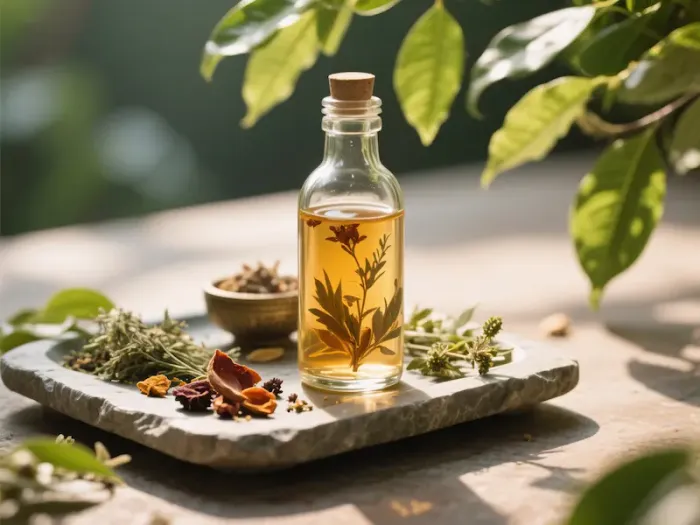
Gandhak Rasayan is a traditional Ayurvedic formulation in which purified sulfur (called shuddha gandhak in Ayurveda) is processed with various ingredients. In classical practice, it’s used to support skin health and general wellness. The exact recipe and processing steps can vary by manufacturer and practitioner, and there is no single, universally standardized modern formula.
Key Points To Know
• It is part of Ayurvedic medicine, not a conventional pharmaceutical drug.
• It’s traditionally taken orally; some modern products may also be marketed for topical (external) use, but forms and directions vary.
• Evidence from large, well-controlled clinical trials is limited. Much of what is claimed is based on traditional use rather than modern clinical research.
How Might Gandhak Rasayan Work? What We Know And Don’t Know?
Sulfur has been used in dermatology for many years, primarily in topical products. In over-the-counter acne treatments and some prescription combinations, topical sulfur can help by:
• Gently removing excess dead skin (keratolytic effect)
• Reducing oiliness
• Having mild antibacterial properties on the skin’s surface
These effects are documented for topical sulfur preparations, not necessarily for oral sulfur-containing remedies. For Gandhak Rasayan specifically, robust modern clinical studies are limited, so we cannot say with confidence that it will treat or prevent any condition. If you choose to use it, it’s important to do so with realistic expectations and guidance from a qualified healthcare professional.Consult a Top General Physician
Traditional Uses People Seek Gandhak Rasayan For
People commonly turn to Gandhak Rasayan for:
• Acne and oily skin
• Itching, minor rashes, and recurrent skin irritation
• Recurrent boils or folliculitis
• General skin health support
Potential Benefits And Realistic Expectations
Possible benefits (based on traditional use and what is known about sulfur topically):
• May support clearer skin when part of a broader routine (gentle cleansing, sun protection, healthy diet, and stress management)
• May help reduce mild oiliness or clogged pores, particularly in topical sulfur forms
• May provide general wellness support as described in Ayurvedic medicine
What don’t we know?
• There is no established oral dose of Gandhak Rasayan backed by high-quality clinical trials for acne or other skin diseases.
• Safety and effectiveness can vary widely among products due to differences in ingredients, quality control, and manufacturing practices.
• Long-term safety data for oral use are limited.
Safety, Side Effects, And Risks
Like any supplement or traditional remedy, Gandhak Rasayan can have side effects and may not be safe for everyone.
Common side effects reported with sulfur-containing products (especially topical forms):
• Dryness, peeling, redness, or irritation
• Unpleasant odor
Potential side effects of oral sulfur-containing preparations may include:
• Upset stomach, nausea, or diarrhea
• Headache
• Allergic reactions (rash, itching); stop use and seek care if severe
Serious Risks To Be Aware Of
• Heavy metal contamination: Some traditional or imported remedies (including certain Ayurvedic medicines) have been found to contain lead, mercury, or arsenic. This risk underscores the importance of buying from reputable sources that conduct independent testing.
• Interactions: Herbal and traditional products can interact with prescription medicines. The interaction profile for Gandhak Rasayan isn’t well studied.
• Pregnancy and breastfeeding: Safety is not established. Avoid unless your obstetric provider specifically recommends it.
• Children: Do not give to children unless advised by a pediatric clinician.
Who Should Avoid Or Use Extra Caution?
• Pregnant or breastfeeding individuals
• People with chronic kidney or liver disease
• Those with a history of allergies to topical sulfur products
• Individuals taking multiple medications or blood thinners (discuss with your clinician)
• Children, unless a pediatric professional recommends and supervises use
Choosing A Product Safely
Quality Varies. To Reduce Risk
• Consult a qualified healthcare professional (MD/DO, dermatologist, or licensed Ayurvedic practitioner familiar with safety and interactions).
• Select brands that use third-party testing and share certificates of analysis (COA) verifying identity, purity, and heavy metal limits.
• Look for reputable quality seals (for example, USP Verified on supplements; note that not all Ayurvedic products carry this).
• Avoid products making sweeping “cure-all” claims.
How To Use Gandhak Rasayan Wisely?
• Start low and go slow: If your clinician agrees it’s appropriate, start with the lowest suggested amount and monitor for side effects.
• Don’t replace proven treatments: For conditions like moderate-to-severe acne, eczema, psoriasis, bacterial or fungal infections, or scabies, use evidence-based treatments as first-line. Complementary options can sometimes be added under medical supervision.
• Monitor your skin: If irritation, allergic rash, or worsening symptoms occur, stop and seek medical advice.
• Keep perspective: Improvements in skin health often come from a combination of steps—consistent skincare, sun protection, adequate sleep, stress management, and nutrition.
Gandhak Rasayan Vs. Topical Sulfur Products
• Topical sulfur: Backed by more modern dermatology experience for acne and certain skin conditions; commonly available in soaps, washes, lotions, and prescription combinations. Side effects mainly involve local skin irritation or dryness.
• - Oral Gandhak Rasayan: Traditional Ayurvedic remedy with limited modern clinical evidence. Quality and composition vary, and safety considerations are broader (e.g., potential for contamination, drug interactions).
When To See A Doctor?
Seek medical care if you have:
• Painful, cystic, or scarring acne
• Widespread rashes, fever, rapidly worsening redness, or pus
• Suspected infections (bacterial, fungal, or parasitic)
• Persistent itching interfering with sleep
• Any severe reaction after starting a new productConsult a Top General Physician
Consult a Top General Physician

Dr. Ajay K Sinha
General Physician/ Internal Medicine Specialist
30 Years • MD, Internal Medicine
Delhi
Apollo Hospitals Indraprastha, Delhi

(225+ Patients)

Dr. Zulkarnain
General Physician/ Internal Medicine Specialist
8 Years • MBBS, Fellowship in Family Medicine
Bengaluru
Apollo Clinic, Indiranagar, Bengaluru
(25+ Patients)
Dr. Dhanraj K
General Physician/ Internal Medicine Specialist
25 Years • MBBS, MD Internal Medicine - Osmania Medical College, Hyderabad
Hyderabad
Apollo Hospitals Jubilee Hills, Hyderabad
(450+ Patients)

Dr. Zulkarnain
General Physician
2 Years • MBBS, PGDM, FFM
Bengaluru
PRESTIGE SHANTHINIKETAN - SOCIETY CLINIC, Bengaluru

Dr. Vivek D
General Physician
4 Years • MBBS
Bengaluru
PRESTIGE SHANTHINIKETAN - SOCIETY CLINIC, Bengaluru
Consult a Top General Physician
Dr. Ajay K Sinha
General Physician/ Internal Medicine Specialist
30 Years • MD, Internal Medicine
Delhi
Apollo Hospitals Indraprastha, Delhi
(225+ Patients)
Dr. Zulkarnain
General Physician/ Internal Medicine Specialist
8 Years • MBBS, Fellowship in Family Medicine
Bengaluru
Apollo Clinic, Indiranagar, Bengaluru
(25+ Patients)
Dr. Dhanraj K
General Physician/ Internal Medicine Specialist
25 Years • MBBS, MD Internal Medicine - Osmania Medical College, Hyderabad
Hyderabad
Apollo Hospitals Jubilee Hills, Hyderabad
(450+ Patients)
Dr. Zulkarnain
General Physician
2 Years • MBBS, PGDM, FFM
Bengaluru
PRESTIGE SHANTHINIKETAN - SOCIETY CLINIC, Bengaluru
Dr. Vivek D
General Physician
4 Years • MBBS
Bengaluru
PRESTIGE SHANTHINIKETAN - SOCIETY CLINIC, Bengaluru
More articles from General Medical Consultation


Frequently Asked Questions
1. What is Gandhak Rasayan used for?
Traditionally in Ayurvedic medicine, Gandhak Rasayan is used to support skin health, including concerns like acne, itching, and recurrent irritation. However, strong modern clinical evidence for oral use is limited. For diagnosed skin diseases, talk to your clinician about proven treatments and consider Gandhak Rasayan only as a complementary option if appropriate.
2. Is Gandhak Rasayan effective for acne?
Topical sulfur products have a long history of use for acne and may help reduce oiliness and clogged pores. For Gandhak Rasayan taken orally, evidence from rigorous clinical trials is limited. If you have mild acne, discuss a routine that may include gentle cleansers and evidence-based topical treatments. For moderate-to-severe acne, see a dermatologist.
3. Is Gandhak Rasayan safe? Are there side effects?
Some people tolerate it, but side effects can include stomach upset (if taken orally) or skin irritation (with sulfur-containing topicals). The biggest safety concern is product quality—some traditional remedies have been found to contain heavy metals. Choose reputable brands with independent testing, and consult your healthcare provider before use.
4. Can I take Gandhak Rasayan with my medications?
Interactions are not well studied. Because herbal and traditional remedies can affect how medicines work, check with your healthcare provider or pharmacist before combining Gandhak Rasayan with prescription or over-the-counter drugs.
5. Can pregnant or breastfeeding people use Gandhak Rasayan?
Safety is not established in pregnancy or breastfeeding. It’s best to avoid it unless your obstetric provider specifically recommends it.