


Guava Fruit, Leaf Benefits and How to Use Them
Discover guava benefits for your health. Learn nutrition facts, fruit and leaf uses, how to eat it, safety tips, and FAQs—backed by trusted medical sources.

Written by Dr. J T Hema Pratima
Reviewed by Dr. Dhankecha Mayank Dineshbhai MBBS
Last updated on 13th Jan, 2026
Introduction
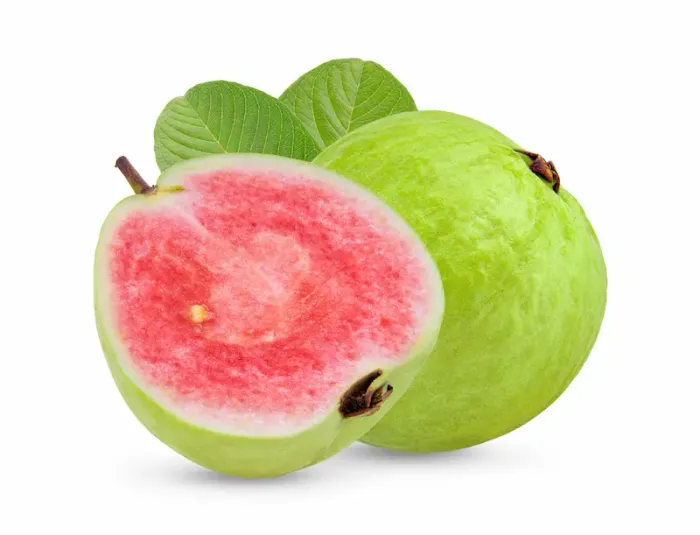
Guava is a vibrant tropical fruit with a distinctive aroma, soft flesh, and tiny edible seeds. It’s widely enjoyed fresh, juiced, or blended into smoothies, and its leaves are used in traditional teas across many cultures. When people search for “guava benefits,” they’re often hoping to understand how this fruit supports everyday wellbeing and whether guava leaf tea carries any additional advantages. This guide takes a clear, balanced approach by combining what nutrition science supports with practical household wisdom. You’ll learn about guava’s nutrients, how it fits into a healthy diet, how guava leaves are used traditionally, and who may need to take extra care.
Guava stands out because it delivers a concentrated amount of vitamin C, a generous serving of dietary fibre, and beneficial plant compounds. At the same time, it’s naturally low in calories and fits easily into fruit and vegetable recommendations. Many people also appreciate that guava provides a satisfying sweetness without relying on added sugars. Understanding both the science and traditional uses helps you enjoy guava confidently and safely.Consult a Top Nutritionist for Personalised Advice
Guava Nutrition at a Glance
Guava is surprisingly nutrient-dense for its size. Even a modest portion delivers a combination of vitamins, minerals, fibre, and antioxidant compounds that support overall health when included regularly in meals.
Typical nutrients in a 100-gram serving of raw guava include:
• About 68 calories
• Roughly 5 grams of dietary fibre
• A very high level of vitamin C
• A useful amount of potassium
• Small amounts of folate, vitamin A, and antioxidant carotenoids
Why these nutrients matter:
• Vitamin C supports normal immune function and helps protect cells from everyday oxidative stress.
• Fibre encourages healthy digestion, supports bowel regularity, and contributes to steady blood sugar responses after meals.
• Potassium works with sodium to support normal blood pressure within a balanced dietary pattern.
• Natural plant pigments, such as carotenoids, contribute to antioxidant support throughout the body.
Fresh guava also contains a high water content, making it naturally hydrating and refreshing—especially enjoyable in warm climates or after physical activity
Top Guava Benefits for Your Health
Guava has a long history of use in both household cooking and traditional wellness practices. Many of its most praised benefits align well with established nutrition science.
Immune Support from Vitamin C
Guava is remarkably rich in vitamin C, offering more than many commonly eaten fruits. Vitamin C contributes to the normal functioning of the immune system and plays a role in wound healing. Although vitamin C cannot prevent all infections, consuming vitamin-C-rich foods regularly supports day-to-day immune resilience.
Digestive Health and Regularity
Guava is naturally high in fibre, particularly when eaten with its seeds. Fibre adds bulk to the stool and supports comfortable bowel movements. A fibre-rich diet also supports a balanced gut microbiome. Eating whole guava rather than juiced forms helps you obtain the full complement of fibre that supports digestive health and helps keep you fuller for longer.
Heart-friendly Nutrients
Fibre contributes to healthy cholesterol levels as part of an overall balanced diet, and potassium plays a role in supporting healthy blood pressure. Eating a variety of fruits and vegetables every day, including guava, supports heart health as part of a wider approach that includes staying active, limiting excess salt, and maintaining a varied diet.
Antioxidant Support
Guava contains antioxidants such as vitamin C, carotenoids, and in some pink varieties, lycopene. These compounds help counter everyday oxidative stress, which can arise from ageing, lifestyle factors, and normal metabolic processes. While no single fruit can “detox” the body, a diet rich in colourful fruits and vegetables helps maintain overall cellular health.
Blood Sugar-Friendly Qualities
Whole fruits like guava contain natural sugars, but the fibre helps slow digestion, which can contribute to more stable post-meal blood sugar levels. This can be especially helpful for people who choose to monitor their blood sugar responses. Whole guava is generally a better choice than guava juice because juice contains little to no fibre and raises blood sugar more quickly.
Guava Leaf Benefits: What Current Evidence Suggests
Guava leaves have been used traditionally as teas or infusions. While research is ongoing and not yet definitive, early findings provide a few interesting insights.
• Digestive support:
Small studies and traditional use suggest guava leaf tea may help ease diarrhoea, possibly due to its antimicrobial and astringent effects. However, responses vary and severe or prolonged diarrhoea always warrants medical care.
• Post-meal blood sugar:
Some small human studies indicate guava leaf preparations may help reduce post-meal rises in blood glucose. This may complement healthy eating habits but should not replace prescribed medication.
• Antioxidant activity:
Laboratory studies show guava leaf extracts contain plant compounds with antioxidant and anti-inflammatory properties. These findings are promising but should be interpreted with caution because lab studies do not automatically translate to clinical benefits.
Safety Notes for Guava Leaves
• Short-term use of guava leaf tea is generally tolerated, but long-term safety and standardised dosing are unclear.
• People taking diabetes medication should check with their clinician before using guava leaf products.
• Pregnant and breastfeeding individuals should avoid guava leaf supplements unless a clinician approves.
• For diarrhoea, hydration remains the priority, and medical care is needed if symptoms are severe or prolonged.
How to Choose a Store and Eat a Guava?
Guava is versatile and easy to incorporate into your meals when you know how to select and prepare it.
• Choosing: Pick a guava that smells fragrant and gives slightly to gentle pressure. If it’s firm and green, leave it at room temperature to ripen.
• Storing: Refrigerate once ripe and eat within a few days for the best texture and flavour.
• Washing: Rinse under running water just before eating.
• Eating: The skin and seeds are edible. You can slice, scoop, or blend the fruit. If the seeds feel too hard on your teeth, you can strain them out.
Easy Ways to Add Guava to Your Day
Guava’s natural sweetness and soft texture make it easy to use in both sweet and savoury dishes.
• Add slices to fruit salads with citrus, pineapple, or berries.
• Blend guava into a smoothie with yoghurt, spinach, and a hint of lime.
• Make a bright salsa with guava, tomato, onion, coriander, and chilli.
• Stir diced guava into porridge, overnight oats, or chia pudding.
• Pair guava with nuts or seeds for a fibre-and-protein snack.
What’s Best: Whole Fruit, Juice or Supplements
The best choice for most people because it contains fibre, water, vitamins, and beneficial plant compounds.
• Juice: Convenient, but lacks fibre and raises blood sugar more quickly. Enjoy occasionally rather than daily.
• Supplements: Guava leaf extracts vary widely in strength and purity. Evidence for specific health benefits remains limited. Choose supplements only with professional guidance.
Who Might Need Caution with Guava?
Most people can enjoy guava safely, but a few considerations apply:
• People with limited potassium should speak with a clinician before increasing high-potassium fruits.
• Individuals with diabetes should monitor their blood sugar and include guava in balanced meals.
• People with dental sensitivity may prefer to avoid chewing the seeds.
• Guava leaf teas and extracts should be used cautiously for anyone on medication, pregnant, or breastfeeding.
Practical Tips to Get Guava Benefits
Practical tips include:
• Pair guava with protein-rich foods like yoghurt or nuts for steadier energy.
• Freeze guava chunks to use in smoothies.
• Add guava to savoury dishes like salads or salsas for a refreshing twist.
• Rotate guava with other fruits to keep your diet varied and colourful.
Conclusion
Guava is a nutrient-rich fruit that offers impressive benefits when enjoyed as part of a varied, plant-forward diet. It's vitamin C, fibre, antioxidants, and natural sweetness make it a practical and flavourful addition to everyday meals. Guava leaves also hold interest in traditional practices, though evidence is still developing, so they should be used thoughtfully. By choosing ripe fruits, enjoying them in different dishes, and balancing guava with other whole foods, you can confidently make guava a regular part of your wellness routine. As always, listen to your body and seek personalised guidance if you have medical conditions or dietary restrictions.Consult a Top Nutritionist for Personalised Advice
Consult a Top Nutritionist for Personalised Advice

Dr. Ramalinga Reddy
General Physician
5 Years • MBBS MD General medicine
Bengaluru
PRESTIGE SHANTHINIKETAN - SOCIETY CLINIC, Bengaluru

Dt. Ila Sharma
Clinical Nutritionist
18 Years • Master in food & Nutrition
Gurugram
VIPUL GREENS - SOCIETY CLINIC, Gurugram
Ms. Bhavana Shetty
Dietician
7 Years • DDHN & Masters in Clinical Nutrition & Dietetics
Bangalore
Apollo Sugar Clinic, Seetha circle bangalore, Bangalore

Dt. Prabhavathy
Clinical Nutritionist
8 Years • Msc Human Nutrition & Nutraceuticals
Madurai
Apollo Sugar Clinics, Madurai, Madurai

Dr Sumanth R
General Physician
2 Years • MBBS
Bengaluru
PRESTIGE SHANTHINIKETAN - SOCIETY CLINIC, Bengaluru
Consult a Top Nutritionist for Personalised Advice
Dr. Ramalinga Reddy
General Physician
5 Years • MBBS MD General medicine
Bengaluru
PRESTIGE SHANTHINIKETAN - SOCIETY CLINIC, Bengaluru
Dt. Ila Sharma
Clinical Nutritionist
18 Years • Master in food & Nutrition
Gurugram
VIPUL GREENS - SOCIETY CLINIC, Gurugram
Ms. Bhavana Shetty
Dietician
7 Years • DDHN & Masters in Clinical Nutrition & Dietetics
Bangalore
Apollo Sugar Clinic, Seetha circle bangalore, Bangalore
Dt. Prabhavathy
Clinical Nutritionist
8 Years • Msc Human Nutrition & Nutraceuticals
Madurai
Apollo Sugar Clinics, Madurai, Madurai
Dr Sumanth R
General Physician
2 Years • MBBS
Bengaluru
PRESTIGE SHANTHINIKETAN - SOCIETY CLINIC, Bengaluru
More articles from General Medical Consultation
.webp)




Frequently Asked Questions
Q.Is it okay to eat guava seeds?
Yes, guava seeds are edible and add extra fibre. They are quite hard, so if you have dental concerns or prefer smoother textures, blend the fruit and strain the seeds out.
Q.How much guava should I eat per day?
There is no strict rule. Most adults benefit from 1.5 to 2 cups of fruit per day as part of a balanced diet. Guava can count toward this goal and pairs well with a variety of other fruits.
Q.Can people with diabetes eat guava?
Yes. A whole guava can fit into a diabetes-friendly eating pattern because its fibre helps slow digestion. Keep portions moderate, pair with protein or healthy fats, and monitor your own blood sugar response.
Q.Are guava leaves safe during pregnancy?
As high-quality research is limited, guava leaf teas or extracts are best avoided during pregnancy unless a healthcare provider approves. Normal food amounts of guava fruit are generally considered safe for most individuals.
Q.Does guava help with weight loss?
Guava does not directly cause weight loss, but it supports weight management because it is high in fibre, satisfying, and lower in calories compared with many snacks. It works best as part of a balanced eating pattern.