


Gulkand In Ayurveda: Benefits, Uses And Side Effects
Learn gulkand benefits, how to use rose petal jam in Ayurveda, side effects, safety tips, and who should avoid it. Clear, evidence-informed guidance.

Written by Dr. M L Ezhilarasan
Reviewed by Dr. Md Yusuf Shareef MBBS, Advanced Certificate Course in Dermatology
Last updated on 13th Jan, 2026
Introduction
Curious about gulkand benefits and how this traditional rose petal jam fits into a healthy lifestyle? Gulkand is a sweet preserve made from rose petals and sugar. In Ayurveda, it’s often described as cooling and soothing, especially in hot weather. While many people enjoy it for its flavour and heritage, it’s important to understand what’s tradition, what’s supported by modern nutrition guidance, and how to use it safely.
What is Gulkand (Rose Petal Jam)?
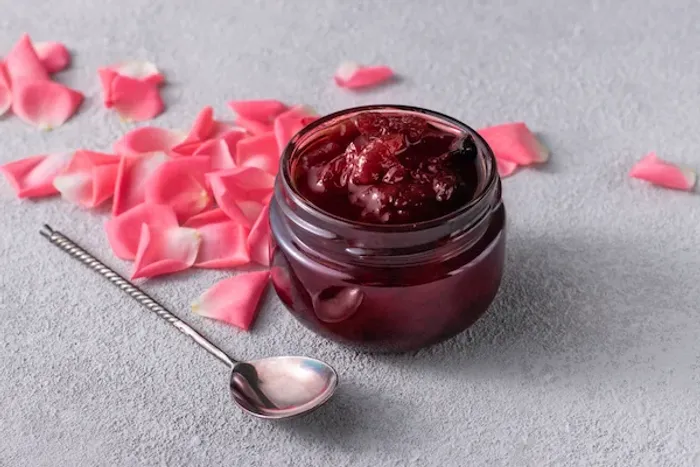
Gulkand is a floral preserve traditionally made by layering fragrant rose petals (commonly Rosa damascena or Rosa centifolia) with sugar and allowing the mixture to mature, often in the sun, until it becomes a thick, aromatic jam. You may find:
- Classic gulkand: rose petals + sugar
- Variations: may include cardamom, fennel, or other spices
- Forms: homemade or commercially packaged
- Because it’s a jam, gulkand is high in added sugar. Ingredient quality and sugar content vary by brand and recipe, so always check labels.
Gulkand Benefits in Ayurveda (Traditional Uses)
In Ayurveda, gulkand is traditionally considered a cooling tonic that helps balance excess heat, often linked to Pitta dosha. Common traditional uses include:
- Cooling the body in hot weather
- Soothing the mouth and throat
- Supporting digestion and comfort after meals
- Freshening the breath
- Adding pleasant flavour to milk, yogurt, or desserts
It’s helpful to see these as traditional practices rather than proven medical effects. Modern, high-quality human studies on gulkand are limited. If you enjoy gulkand, use it as a cultural and culinary addition, not a cure.
Consult Top Specialists
What Does Modern Science Say About Gulkand?
Here is what current research and nutrition guidance suggest:
- Evidence is limited: There are few rigorous studies specifically on gulkand. While rose petals are aromatic and used in food and herbal traditions, robust clinical data on health outcomes from gulkand are lacking.
- Added sugar matters: Gulkand is a sweet preserve. Major health authorities recommend limiting added sugars to support heart, metabolic, and dental health.
- The World Health Organization (WHO) recommends keeping free sugars below 10 percent of total energy intake, with a further reduction to below 5 percent offering additional benefits for some people.
- The CDC and Harvard Health emphasise that high intakes of added sugar are linked to increased risk of weight gain and dental cavities; moderating intake is a key part of a healthy diet.
- Bottom line: Enjoy rose petal jam if you like the taste, but treat it as a dessert-level condiment.
- The potential benefits often discussed are rooted in Ayurveda; they are not a substitute for evidence-based treatments or a licence to exceed daily added sugar limits.
How to Use Rose Petal Jam?
If you choose to include gulkand, keep portions small and occasional:
- Stir 1–2 teaspoons into plain yogurt or a lassi for a floral note
- Swirl into oatmeal or porridge
- Add a small spoonful to cold milk (rose milk) or over chilled fruit
- Use as a filling for desserts or as a garnish on toast or pancakes
Tips for balance:
- Pair with protein or fibre-rich foods (yogurt, oats, nuts) to slow sugar absorption
- Count gulkand toward your daily added sugar limit
- Avoid large servings, especially late at night
Possible Side Effects and Risks
Because gulkand is high in added sugar, consider the following:
- Blood sugar spikes: Added sugar can raise blood glucose. People with diabetes, prediabetes, or insulin resistance should be cautious and discuss with their healthcare provider.
- Weight gain risk: Regular excess sugar intake can contribute to extra calories and weight gain over time.
- Dental health: Sticky, sugary foods increase the risk of cavities. Rinse your mouth or brush after sweet foods, and limit frequency of sugary snacks.
- Digestive discomfort: Large amounts of sugary foods may lead to bloating or discomfort in some people.
- Allergies or sensitivities: Rarely, individuals may be sensitive to rose or other ingredients (such as added colourings or flavourings in commercial products). Stop use and seek medical attention if you experience hives, swelling, or trouble breathing.
- Not a medicine: While you’ll read many traditional claims about gulkand benefits, use it as a treat.
- Do not replace prescribed treatments with gulkand.
Who Should Avoid or Limit Gulkand?
Here’s who may need to be more careful:
- People with diabetes or prediabetes: Because it’s a concentrated source of sugar, it’s often best avoided or limited; discuss with your clinician and monitor blood sugar if you try a small portion
- Children: Health organisations advise limiting added sugars for kids. Keep portions very small and infrequent.
- People trying to lose weight: Added sugars can make calorie goals harder to meet.
- Anyone with suspected rose or food additive sensitivities: Choose additive-free versions or avoid if uncertain.
How Much is Okay?
There’s no official serving recommendation for gulkand. As a general, practical guideline, keep portions small and make sure your total daily added sugar remains within health authority recommendations (for many adults, ideally well under 10 percent of daily calories). For some people, aiming closer to 5 percent can yield added benefits.
How to Choose Quality Gulkand?
Here are tips for selecting a better-quality product:
- Short ingredient list: Ideally just rose petals and sugar, with minimal or no artificial colours or flavours.
- Transparency: Brand specifies rose variety and processing method.
- Nutrition label: Check added sugars per serving; compare brands.
- Packaging: Sealed jars from reputable manufacturers.
Safe Storage and Handling
Here’s how to store and use gulkand safely:
- After opening: Refrigerate and use a clean, dry spoon each time.
- Watch for spoilage: Discard if you see mould, off smells, or changes in texture.
- Homemade versions: Make small batches, use clean jars and utensils, and refrigerate to reduce risk of contamination.
Gulkand and Common Health Questions
Here are answers to common concerns people have about gulkand:
- Heart health: A diet low in added sugar supports heart health. If you choose gulkand, keep portions small and prioritise an overall balanced diet rich in vegetables, fruits, whole grains, lean proteins, and healthy fats.
- Digestion: Traditional use suggests soothing effects, but if you have ongoing digestive symptoms, such as reflux, bloating, or constipation, speak with a healthcare professional. Evidence-based steps like adequate fibre, fluids, and physical activity have stronger support.
- Hydration and heat: In hot weather, prioritise water intake and electrolyte balance. If you enjoy a small spoon of rose petal jam in a cool beverage, that’s fine, just count the added sugar.
Conclusion
Gulkand is a fragrant, culturally rich preserve that many people enjoy for its traditional cooling qualities and distinctive taste. While Ayurveda highlights several traditional uses, modern scientific evidence remains limited, especially regarding specific health outcomes. What we do know clearly is that gulkand is high in added sugar, so mindful portion control is key. If you enjoy rose petal jam, you can continue to include it as a small, occasional part of a balanced diet. Prioritising overall healthy eating patterns, staying hydrated, and following evidence-based medical guidance will ensure you enjoy gulkand safely and sensibly.
Consult Top Specialists
Consult Top Specialists

Ms. Samapti Maity
Dietician
16 Years • MSc. (Clinical Nutrition & Dietitics), NDEP, Course in Maternal Infant Young Child Nutrition.Diploma in Sports Nutrition, Diploma in Diabetic educator, FODMAP Specialist
Kolkata
BIENETRE CLINIC, Kolkata

Ms. Malabika Datta
Dietician
17 Years • Msc. in Dietetics & Food Service Management
Kolkata
Dr Utsa Basu Clinic, Kolkata

(25+ Patients)

Ms. Soma Saha
clinical nutrition
17 Years • B.Sc. - Home Science (Food & Nutrition), M.Sc. - Home Science (Food & Nutrition)
Kolkata
Dr Utsa Basu Clinic, Kolkata
(50+ Patients)

Dr Venkata Naga Sai Tribhushan Rambhatla
General Physician
3 Years • MBBS
Bengaluru
PRESTIGE SHANTHINIKETAN - SOCIETY CLINIC, Bengaluru

Ms Suchanda Guha
Dietician
10 Years • M.Sc (Applied Nutrition), B.Sc (Food & Nutrition), Diploma (Yogic Nutrition)
Kolkata
NutriKutir, Kolkata
Consult Top Specialists
Ms. Samapti Maity
Dietician
16 Years • MSc. (Clinical Nutrition & Dietitics), NDEP, Course in Maternal Infant Young Child Nutrition.Diploma in Sports Nutrition, Diploma in Diabetic educator, FODMAP Specialist
Kolkata
BIENETRE CLINIC, Kolkata
Ms. Malabika Datta
Dietician
17 Years • Msc. in Dietetics & Food Service Management
Kolkata
Dr Utsa Basu Clinic, Kolkata
(25+ Patients)
Ms. Soma Saha
clinical nutrition
17 Years • B.Sc. - Home Science (Food & Nutrition), M.Sc. - Home Science (Food & Nutrition)
Kolkata
Dr Utsa Basu Clinic, Kolkata
(50+ Patients)
Dr Venkata Naga Sai Tribhushan Rambhatla
General Physician
3 Years • MBBS
Bengaluru
PRESTIGE SHANTHINIKETAN - SOCIETY CLINIC, Bengaluru
Ms Suchanda Guha
Dietician
10 Years • M.Sc (Applied Nutrition), B.Sc (Food & Nutrition), Diploma (Yogic Nutrition)
Kolkata
NutriKutir, Kolkata
More articles from General Medical Consultation

Frequently Asked Questions
Is gulkand good for health?
Gulkand can be part of an overall healthy diet if you keep portions small and infrequent. It’s a sweet preserve, so the main consideration is limiting added sugar. Traditional systems describe benefits, but strong modern clinical evidence is limited. Focus on balance and moderation.
Can people with diabetes eat gulkand?
Because gulkand is high in added sugar, many people with diabetes will choose to avoid it. If you’d like to try a small amount, discuss with your clinician or dietitian, check your label for added sugars, and monitor your blood glucose response.
How much gulkand can I eat in a day?
There’s no official “dose.” Keep it to a small spoonful (for example, 1–2 teaspoons) occasionally and ensure your total daily added sugar stays within recommended limits set by organizations like WHO and CDC.
Is gulkand safe during pregnancy?
In typical food amounts, gulkand is generally considered safe as a sweet condiment, but it still adds sugar. Many pregnant people are advised to limit added sugars to support healthy weight gain and blood glucose. Choose reputable brands, store properly, and consult your prenatal care team if you have questions.
Does gulkand help with acidity or constipation?
These are common traditional claims. Modern medical evidence is limited, so it shouldn’t replace proven strategies. For digestive comfort, evidence-based steps include adequate dietary fiber, hydration, physical activity, and individualized medical care when needed.