


Health Benefits of Dark Chocolate: Heart, Brain & Mood
Discover dark chocolate benefits for heart health, brain focus, and mood. Learn how to choose, portion, and enjoy this mood booster wisely.

Written by Dr. Mohammed Kamran
Reviewed by Dr. D Bhanu Prakash MBBS, AFIH, Advanced certificate in critical care medicine, Fellowship in critical care medicine
Last updated on 14th Jan, 2026
Introduction
If you love chocolate, there’s good news: enjoying a small square of quality dark chocolate can fit into a healthy lifestyle. Research suggests that cocoa’s natural compounds may support heart and brain health, and many people find it to be a pleasant mood booster. In this guide, we’ll unpack what science says about dark chocolate benefits, how to choose the best bar, and how to enjoy it as part of a pattern of heart-healthy foods.
Why Dark Chocolate?
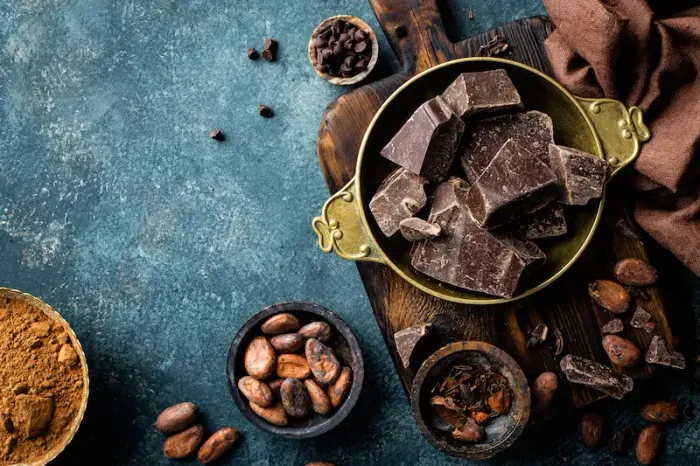
Dark chocolate is made with a higher percentage of cocoa than milk chocolate. Cocoa contains flavanols, plant compounds linked to benefits for blood vessel function. Dark chocolate also provides small amounts of minerals like iron and magnesium, plus the natural stimulants theobromine and caffeine. The catch: chocolate also comes with calories, fat, and often added sugar, so portion size and quality matter.
Consult a Top Nutritionist for Personalised Advice
Dark Chocolate Benefits At a Glance
1. Potential cardiovascular support: Cocoa flavanols can help blood vessels relax and may aid healthy blood pressure when combined with an overall healthy lifestyle.
2. Brain blood flow and focus: Short-term improvements in attention and blood flow to the brain have been seen after cocoa flavanol intake in some studies.
3. Enjoyment and mood: Chocolate can feel like a mood booster for many people; while research is mixed, mindful enjoyment can be part of stress management for some.
4. Nutrient notes: Dark chocolate offers minerals (like magnesium and iron) and antioxidants, but it’s still a treat. Moderation is key.
How Dark Chocolate Supports Heart Health?
Cocoa flavanols appear to support the lining of your blood vessels (the endothelium), helping them relax and widen. This can assist healthy circulation and may modestly support blood pressure in some people. Large, modern studies suggest cocoa flavanols can benefit certain markers of cardiovascular health. However, much of this research uses cocoa extracts or beverages specifically rich in flavanols, not typical candy bars. That means quality and cocoa content matter.
What Does This Mean For You?
More about dark chocolate includes:
1. Choose higher cocoa content: Look for bars with at least 70% cocoa to increase the likelihood of higher flavanol content and less sugar.
2. Watch processing terms: Labels that say “alkalized” or “Dutch processed” indicate a method that reduces flavanols.
3. Keep portions small: About 1 ounce (28–30 g) a few times per week can fit into many balanced diets.
4. Consider the big picture: For heart health, dark chocolate is a small piece of a larger pattern that includes fruits, vegetables, whole grains, nuts, legumes, healthy fats, movement, good sleep, and not smoking.
Practical Heart-Friendly Food Ideas:
The practical ideas include:
1. Pair it with heart-smart foods: Enjoy a square with a handful of unsalted nuts or berries.
2. Use cocoa powder: Unsweetened natural cocoa powder (not Dutch processed) in oatmeal or smoothies can offer flavanols with minimal sugar and fat.
3. Replace, don’t add: Swap a sugary dessert for a small piece of dark chocolate instead of simply adding more calories.
Brain Benefits: Attention, Memory, and Blood Flow
Cocoa flavanols may help increase blood flow to the brain and support the function of blood vessels. Some small, short-term studies have found improvements in attention, processing speed, or working memory after consuming cocoa flavanols. These effects seem to be modest and temporary, and the research is still evolving.
What To Know:
1. Dose and quality matter: Benefits seen in studies often use specific flavanol amounts. Every day, chocolate varies widely in flavanol content.
2. Don’t expect miracles: While intriguing, cocoa isn’t a replacement for proven brain-healthy habits like regular physical activity, adequate sleep, social connection, learning new skills, and managing blood pressure and blood sugar.
Is Dark Chocolate a Mood Booster?
Many people feel happier after eating chocolate. Some of that is simple pleasure—taste, texture, and the experience of a treat. Dark chocolate also contains small amounts of compounds that may influence alertness (caffeine, theobromine) and minerals like magnesium. A few studies suggest potential stress or mood benefits, but overall evidence is mixed and not definitive.
Chocolate For a Good Mood:
1. Practice mindful eating: Sit down, slow down, and savour a small portion.
2. Pair with calming rituals: Enjoy your chocolate with tea, a short walk, or deep breathing for a broader mood boost.
3. Keep expectations realistic: Think of dark chocolate as a pleasant part of a healthy routine, not a cure for mood concerns. If you’re struggling with mood, speak with a clinician.
How to Eat Dark Chocolate for Maximum Benefit?
Look at the label:
1. Cocoa percentage: Aim for 70% or higher.
2. Ingredients list: Shorter is usually better: cocoa mass/liquor, cocoa butter, sugar, and possibly vanilla. Limit bars with lots of added oils or fillers.
3. Processing: If you see “processed with alkali” or “Dutch processed,” flavanols are likely reduced.
4. Added sugar: Lower is better. Compare “added sugar” per serving on the Nutrition Facts label.
Portion and timing:
1. Serving size: About 1 ounce (28–30 g)—roughly one large square or two small squares, depending on the bar.
2. Frequency: A few times per week can fit for many people; adjust based on your overall calorie needs and health goals.
3. Caffeine sensitivity: An ounce of dark chocolate may contain around 20–30 mg caffeine and more theobromine. If caffeine affects your sleep, enjoy it earlier in the day.
Ways to Enjoy:
1. Melt a square over warm oatmeal or whole-grain toast with peanut butter.
2. Chop and sprinkle over plain Greek yoghurt with berries.
3. Whisk unsweetened cocoa powder into warm milk (or fortified plant milk) with a touch of cinnamon.
Nutrition Snapshot (typical for 70–85% dark chocolate per 1 oz/28 g; varies by brand):
1. Calories: roughly 150–170
2. Fat: about 12 g (includes saturated fat)
3. Fibre: a few grams
4. Sugar: can vary widely—check labels
5. Minerals: small amounts of magnesium, iron, copper, and manganese
Safety and Who Should Be Cautious
Safety and caution tips are:
1. Calories and weight goals: Chocolate is calorie-dense. Keep portions modest.
2. Added sugar: Even dark chocolate can contain added sugar. If you manage blood sugar, choose very dark, lower-sugar bars and keep portions small.
3. Caffeine and theobromine: If you’re sensitive to stimulants or have certain heart rhythm concerns, discuss with your clinician and monitor how you feel.
4. Migraines: Chocolate can be a trigger for some people. If you notice a pattern, reduce or avoid it.
5. Acid reflux: Fat and caffeine may aggravate reflux for some. Pay attention to symptoms.
6. Kidney stones: Cocoa contains oxalates; if you have a history of calcium oxalate stones, ask your clinician about how much is appropriate for you.
7. Allergies and intolerances: Some dark chocolate contains traces of milk, soy lecithin, or nuts. Check labels if you have allergies.
8. Pets: Never give chocolate to dogs or cats caffeine and theobromine can be dangerous for them.
9. Pregnancy: Small amounts of dark chocolate are generally considered acceptable during pregnancy for most people. Keep caffeine from all sources within your clinician’s recommended limits and avoid products with alcohol or unsafe additives.
Overall Healthy Pattern With Dark Chocolate
Dark chocolate can have a place among heart-healthy foods when it replaces less healthy sweets and is enjoyed in modest portions. For best results, pair it with habits known to protect your heart and brain:
1. Fill half your plate with vegetables and fruits.
2. Choose whole grains, legumes, nuts, and seeds regularly.
3. Favour unsaturated fats (olive oil, avocado, fatty fish) and limit sodium and highly processed foods.
4. Move your body most days of the week.
5. Sleep 7–9 hours and manage stress.
6. Don’t smoke, and keep alcohol within recommended limits, if you drink at all.
7. Work with your healthcare team to manage blood pressure, cholesterol, and blood sugar.
Key Takeaways
1. Dark chocolate benefits come mainly from cocoa flavanols that support blood vessel function.
2. Choose 70% cocoa or higher, and avoid highly processed or very sugary options.
3. Enjoy about 1 ounce a few times per week as part of an overall healthy pattern.
4. Think of dark chocolate as a pleasant addition, not a substitute for fruits, vegetables, whole grains, and other proven heart health foods.
5. If you’re aiming for a mood booster, savour it mindfully and keep expectations realistic.
Consult a Top Nutritionist for Personalised Advice
Consult a Top Nutritionist for Personalised Advice

Dr. Ramalinga Reddy
General Physician
5 Years • MBBS MD General medicine
Bengaluru
PRESTIGE SHANTHINIKETAN - SOCIETY CLINIC, Bengaluru

Dt. Ila Sharma
Clinical Nutritionist
18 Years • Master in food & Nutrition
Gurugram
VIPUL GREENS - SOCIETY CLINIC, Gurugram

Dt. Prabhavathy
Clinical Nutritionist
8 Years • Msc Human Nutrition & Nutraceuticals
Madurai
Apollo Sugar Clinics, Madurai, Madurai

Ms. Bhavana Shetty
Dietician
7 Years • DDHN & Masters in Clinical Nutrition & Dietetics
Bangalore
Apollo Sugar Clinic, Seetha circle bangalore, Bangalore

Dr Sumanth R
General Physician
2 Years • MBBS
Bengaluru
PRESTIGE SHANTHINIKETAN - SOCIETY CLINIC, Bengaluru
Consult a Top Nutritionist for Personalised Advice
Dr. Ramalinga Reddy
General Physician
5 Years • MBBS MD General medicine
Bengaluru
PRESTIGE SHANTHINIKETAN - SOCIETY CLINIC, Bengaluru
Dt. Ila Sharma
Clinical Nutritionist
18 Years • Master in food & Nutrition
Gurugram
VIPUL GREENS - SOCIETY CLINIC, Gurugram
Dt. Prabhavathy
Clinical Nutritionist
8 Years • Msc Human Nutrition & Nutraceuticals
Madurai
Apollo Sugar Clinics, Madurai, Madurai
Ms. Bhavana Shetty
Dietician
7 Years • DDHN & Masters in Clinical Nutrition & Dietetics
Bangalore
Apollo Sugar Clinic, Seetha circle bangalore, Bangalore
Dr Sumanth R
General Physician
2 Years • MBBS
Bengaluru
PRESTIGE SHANTHINIKETAN - SOCIETY CLINIC, Bengaluru
More articles from General Medical Consultation




Frequently Asked Questions
1) How much dark chocolate is healthy per day?
A common guideline is about 1 ounce (28–30 g) a few times per week, depending on your calorie needs and health goals. More isn’t necessarily better, because chocolate adds calories, saturated fat, and sugar. Focus on quality and portion control.
2) What percentage of cocoa is best?
Choose bars with at least 70% cocoa. Higher percentages usually mean more cocoa (and potentially more flavanols) and less sugar. Also, try to avoid “Dutch-processed” or “alkalized” cocoa, which reduces flavanols.
3) Is dark chocolate good for people with diabetes?
It can fit in small portions. Pick very dark chocolate (70–85%+), check the added sugar, and pair it with fibre- and protein-rich foods. Monitor your blood glucose response and follow your care team’s guidance.
4) Can dark chocolate help lower blood pressure?
Cocoa flavanols may modestly support healthy blood pressure by helping blood vessels relax, especially as part of a broader heart-healthy lifestyle. Effects vary, and chocolate itself is not a treatment for high blood pressure. Always follow your clinician’s plan.
5) Is dark chocolate safe during pregnancy?
For most people, small amounts are considered acceptable. Track total daily caffeine from all sources, choose reputable brands, and avoid products with unsafe additives. If you have concerns (e.g., reflux, blood sugar), discuss with your prenatal care provider.