


10 Surprising Health Benefits of Mango Leaves
Discover mango leaves benefits, Ayurvedic uses, and natural remedies. Learn potential perks, safety tips, and FAQs from trusted health sources.

Written by Dr. Siri Nallapu
Reviewed by Dr. Dhankecha Mayank Dineshbhai MBBS
Last updated on 13th Jan, 2026
Introduction
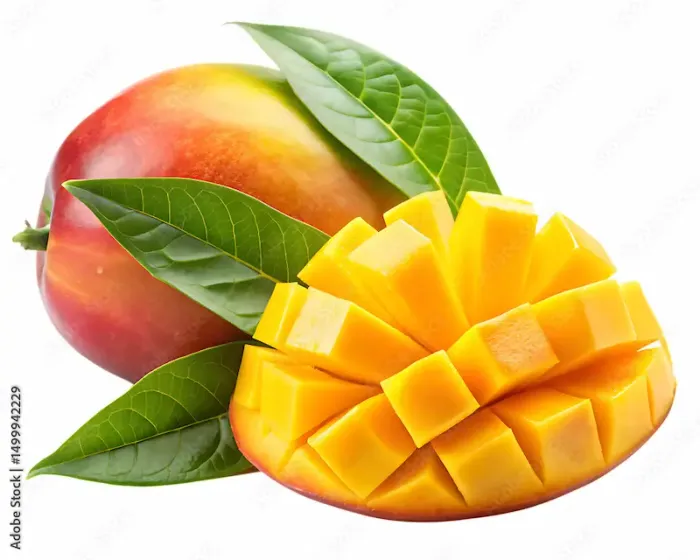
Mangoes are beloved worldwide—but their leaves have a long history too. In many traditional systems, especially Ayurveda, mango leaves are brewed as tea or used in home care. People often search for natural remedies that feel simple and approachable, and mango leaf tea is one of them. This article explains the potential mango leaves benefits, what science does and doesn’t say, common Ayurvedic uses, safety tips, and smart ways to talk with your healthcare provider.
Important note: Human research on mango leaves is limited. Most of what you’ll read below is based on traditional use, lab studies, or early animal research. That means benefits are potential, not proven. Mango leaves should not replace medical care or prescribed treatment.
What Are Mango Leaves?
• Mango leaves come from Mangifera indica, the same tree that gives us mango fruit.
• In traditional practices (including Ayurveda), fresh or dried leaves are used in teas, infusions, or extracts for wellness support.
• In modern markets, you’ll find mango leaf powders, teas, and standardised extracts sold as dietary supplements.
• Like all supplements, mango leaf products are not regulated the same way medicines are. Quality can vary. Consider brands that use third-party testing (for example, USP or NSF) and talk with your healthcare provider before use
How Might Mango Leaves Work?
Mango leaves naturally contain plant compounds (polyphenols), including a well-studied molecule called mangiferin. Lab and preclinical studies have explored mangiferin’s antioxidant and anti-inflammatory properties. Antioxidants help counter oxidative stress, a normal biological process that, in excess, can contribute to cell damage. While this is scientifically plausible, it doesn’t prove specific health effects in humans from mango leaf tea or supplements. Still, these natural compounds help explain why mango leaves have been used in traditional medicine.
10 Potential Mango Leaves Benefits
Use this list as a friendly guide—not a diagnosis or treatment plan. Always consult a clinician, especially if you have a medical condition, take medication, are pregnant, or are planning surgery. Here are the benefits of mango leaves:
1) Antioxidant Support
• Mango leaves contain antioxidants (including mangiferin and other polyphenols) that can neutralise free radicals in lab settings.
• Antioxidants are widely studied, but benefits from a specific herb or tea depend on dose, preparation, and individual biology. Human studies on mango leaf tea are limited.
2) May Help Support Healthy Blood Sugar (Preliminary)
• Traditional use includes supporting blood sugar balance.
• Early lab and animal research suggests a possible effect on glucose metabolism.
• Evidence in humans is not strong enough to recommend mango leaves for diabetes management. Do not replace prescribed treatment. Combining mango leaf products with glucose-lowering medications could increase hypoglycemia risk.
3) Anti-Inflammatory Potential
• Some compounds in mango leaves have shown anti-inflammatory activity in preclinical studies.
• Results in cells or animals don’t automatically translate to people. Mango leaves should be considered complementary at best, pending clinical trials.
4) Heart-Health Markers (Emerging Research)
• Early research on mangiferin has explored possible effects on cholesterol and triglycerides in animal models.
• There’s not enough clinical evidence to recommend mango leaf products for cholesterol management. Maintain heart-healthy habits and prescribed therapies.
5) Antimicrobial Properties (Lab Evidence)
• Extracts from mango leaves have shown antimicrobial activity in test-tube studies.
• This doesn’t prove effectiveness as a treatment for infections in people. Do not use mango leaves to self-treat infections.
6) Digestive Comfort (Traditional Use)
• In Ayurveda and folk traditions, mild mango leaf teas or infusions are used for general digestive comfort.
• Rigorous human studies are lacking. Persistent digestive symptoms should be evaluated by a healthcare provider.
7) Respiratory Soothing (Traditional Use)
• Some traditions use mango leaf preparations for coughs or mild throat discomfort.
• There’s insufficient clinical evidence to recommend mango leaves for respiratory conditions. Seek care for persistent cough or breathing difficulty.
8) Oral Care Adjunct (Traditional; Lab Support)
• In some communities, young leaves are chewed or used as rinses for oral hygiene.
• In the lab, plant polyphenols can inhibit certain oral bacteria.
• This is not a substitute for brushing, flossing, or dental treatment. Stop use if irritation occurs.
9) Gentle, Caffeine-Free Herbal Beverage Option
• Mango leaf tea offers a mild, caffeine-free, low-calorie beverage alternative.
• It supports hydration and can fit into a balanced wellness routine.
10) Fits Into a Broader Natural Remedies Routine—with Caution
• Mango leaves can complement other wellness habits such as balanced eating, physical activity, and good sleep.
• They are not a cure or replacement for evidence-based treatments.
Consult Top Specialists
Ayurvedic Uses: Where They Fit—and How to Use That Knowledge Wisely
• Traditional Ayurvedic uses include gentle support for digestion, respiratory comfort, and general wellness.
• Modern best practice blends tradition with safety—always discuss with your clinician, especially if you manage chronic illness, take medications, or are pregnant or breastfeeding.
How People Use Mango Leaves?
Here’s how people use mango leaves:
• Common forms: Whole leaves for tea/infusion, dried leaf tea bags, powders, capsules, or standardised extracts.
• Quality matters: Choose brands with batch testing and verified ingredients.
• Start low, go slow: There’s no standard dose; begin small to test tolerance. Stop if irritation, rash, swelling, or stomach upset occurs.
Safety, Side Effects, and Interactions
Here are some safety and side effects of mango leaves:
• Allergies: People allergic to mango sap/skin (related to poison ivy) should avoid mango leaves.
• Medications: May affect blood sugar—monitor closely if you take diabetes medications.
• Pregnancy and breastfeeding: Insufficient safety data—avoid unless advised by a clinician.
• Surgery: Inform your surgical team about supplements at least two weeks before procedures.
• Children: Not recommended without pediatric guidance.
Who Should Skip or Be Extra Cautious?
• Those with known mango or poison ivy allergies.
• Individuals with chronic diseases (especially diabetes, kidney, or liver conditions).
• Pregnant, trying-to-conceive, or breastfeeding individuals.
• People on multiple medications due to possible interactions.
Quick Reminders for Safe, Smart Use
• Keep expectations realistic; evidence in humans is limited.
• Choose quality, tested products; avoid exaggerated claims.
• Use mango leaves as part of a broader health plan including nutritious eating, movement, sleep, and medical checkups.
Conclusion
Mango leaves have a rich history in ayurvedic uses and are popular among fans of natural remedies. Early research on their plant compounds is promising but not definitive. If you’re curious, keep your expectations realistic, choose quality products, watch for allergies or interactions, and involve your healthcare team—especially if you’re managing a health condition.
Consult Top Specialists
Consult Top Specialists

Ms. Kanika Narang
Dietician
12 Years • Msc. In Dietetics and Food Service management from Institute of Hotel Management, Catering and Nutrition. Bsc. In Home science from Institute of Home Economics, Delhi University,
Delhi
Apollo Hospitals Indraprastha, Delhi

Dr. S N C Vasundhara Padma
Dietician
16 Years • RD, ( P.hd )
Chinagadila
Apollo Hospitals Health City Unit, Chinagadila

(25+ Patients)

Dr. Chaithanya R
Internal Medicine Specialist Diabetologist
16 Years • MBBS, MD Internal Medicine, Fellowship in Diabetes(UK), CCEBDM(PHFI)
Bangalore
Apollo Clinic Bellandur, Bangalore
(100+ Patients)

Ms. Neelanjana J
Dietician
5 Years • Bsc., Msc. Nutrition and Dietetics specialised general weight management, PCOS/PCOD weight loss and Diabetes management. A clinical dietitian with 4+ year experience specializing in evidence-based, result-oriented nutrition therapy. I have extensive experience in weight loss, thyroid management, PCOD/PCOS, weight gain, and diabetes & prediabetes care. My approach is personalized, practical, and sustainable—focusing on helping individuals achieve long-term lifestyle change rather than quick fixes. I work closely with clients to understand their medical history, lifestyle, and goals, and then design customized diet plans that support hormonal balance, metabolic health, and overall wellbeing. My goal is to make nutrition simple, realistic, and effective—so you see measurable results and feel your healthiest self.Auther in Health benefits of jackfruit (Artocarpus heterophyllus Lam.) seeds: A review (2023) The Pharma Innovation Journal Co- Auther in Malnutrition in Women: A review (2023) The Pharma Innovation Journal. Highfield Level 3 in HACCP. Highfield Level 4 International Award in Food Safety Managment
Bengaluru
Apollo Clinic, JP nagar, Bengaluru

Dr. Suresh G
General Physician/ Internal Medicine Specialist
25 Years • MBBS, MD
Bangalore
Apollo Clinic Bellandur, Bangalore
(250+ Patients)
Consult Top Specialists
Ms. Kanika Narang
Dietician
12 Years • Msc. In Dietetics and Food Service management from Institute of Hotel Management, Catering and Nutrition. Bsc. In Home science from Institute of Home Economics, Delhi University,
Delhi
Apollo Hospitals Indraprastha, Delhi
Dr. S N C Vasundhara Padma
Dietician
16 Years • RD, ( P.hd )
Chinagadila
Apollo Hospitals Health City Unit, Chinagadila
(25+ Patients)
Dr. Chaithanya R
Internal Medicine Specialist Diabetologist
16 Years • MBBS, MD Internal Medicine, Fellowship in Diabetes(UK), CCEBDM(PHFI)
Bangalore
Apollo Clinic Bellandur, Bangalore
(100+ Patients)
Ms. Neelanjana J
Dietician
5 Years • Bsc., Msc. Nutrition and Dietetics specialised general weight management, PCOS/PCOD weight loss and Diabetes management. A clinical dietitian with 4+ year experience specializing in evidence-based, result-oriented nutrition therapy. I have extensive experience in weight loss, thyroid management, PCOD/PCOS, weight gain, and diabetes & prediabetes care. My approach is personalized, practical, and sustainable—focusing on helping individuals achieve long-term lifestyle change rather than quick fixes. I work closely with clients to understand their medical history, lifestyle, and goals, and then design customized diet plans that support hormonal balance, metabolic health, and overall wellbeing. My goal is to make nutrition simple, realistic, and effective—so you see measurable results and feel your healthiest self.Auther in Health benefits of jackfruit (Artocarpus heterophyllus Lam.) seeds: A review (2023) The Pharma Innovation Journal Co- Auther in Malnutrition in Women: A review (2023) The Pharma Innovation Journal. Highfield Level 3 in HACCP. Highfield Level 4 International Award in Food Safety Managment
Bengaluru
Apollo Clinic, JP nagar, Bengaluru
Dr. Suresh G
General Physician/ Internal Medicine Specialist
25 Years • MBBS, MD
Bangalore
Apollo Clinic Bellandur, Bangalore
(250+ Patients)
More articles from General Medical Consultation


Frequently Asked Questions
1) Can mango leaves cure diabetes or lower blood sugar on their own?
No. While early research suggests potential effects on glucose metabolism, mango leaves are not a treatment for diabetes. Do not replace prescribed medications or lifestyle guidance. If you’re interested in trying mango leaf tea, talk with your clinician and monitor blood sugar carefully.
2) Are mango leaves safe to drink as tea every day?
There’s no standard dosage or long-term safety data. If you choose to drink a mild tea occasionally and have no allergies, you may tolerate it well. If you have health conditions, are pregnant/breastfeeding, or take medications (especially for diabetes), consult your clinician first.
3) I’m allergic to mango skin—can I use the leaves?
Probably not. People sensitive to mango peel/sap can react to other parts of the plant. Avoid mango leaves and seek advice from a healthcare professional, especially if you’ve had rash, swelling, or breathing symptoms before.
4) What’s the best way to take mango leaves: tea, powder, or capsules?
There’s no “best” proven form. Teas and standardized extracts are common. Choose reputable brands with third-party testing and start with a small amount to check tolerance. Stop if you notice side effects.
5) Can kids or older adults use mango leaf products?
Safety for children hasn’t been established—avoid unless a pediatrician recommends it. Older adults taking multiple medications or managing chronic conditions should ask their clinician before use because of possible interactions and side effects.