


What Is Oatmeal? 13 Amazing Health Benefits Guide
Discover oatmeal benefits: a healthy breakfast that supports cholesterol lowering, blood sugar control, weight management, and heart health.

Written by Dr. Siri Nallapu
Reviewed by Dr. Shaik Abdul Kalam MD (Physician)
Last updated on 14th Jan, 2026
Introduction
Oatmeal is an easy, affordable way to boost daily nutrition. This whole grain is rich in soluble fibre, vitamins, minerals,
and plant compounds that support heart and digestive health. Research links oat fibre to cholesterol lowering and other
meaningful health perks. This guide covers what oats are, how to choose the best type for your goals, and the top
benefits of oatmeal - plus practical tips to make it delicious.
What Is Oatmeal?
Oatmeal comes from oats, a whole grain with several preparation styles. It is a warm cereal made from oats (Avena
sativa). Main types include:
- Steel-cut oats: Chopped oat groats; chewy texture, longer cooking time, lower glycemic impact.
- Rolled oats (old-fashioned): Steamed and flattened; creamy texture, moderate cook time, good for stovetop or overnight
oats. - Quick or instant oats: Thin, processed rolled oats; fast preparation, softer texture, higher glycemic impact. Check labels
for added sugars. - Oat bran: Fibre-rich outer layer of oat groat, high in beta-glucan for heart benefits.
Less processed oats digest slower and have a gentler blood sugar impact, while plain instant oats are convenient when
combined with wholesome toppings like fruit and nuts.
Oatmeal Benefits: 13 Reasons to Include Oats
From heart health to gut support, oats offer a wide range of benefits:
1) Supports Healthy Cholesterol Levels
Beta-glucan forms a gel in your gut that traps cholesterol-rich bile acids, helping to lower LDL (“bad”) cholesterol. About 3 grams of beta-glucan daily can support meaningful LDL reduction when paired with a heart-healthy diet.
2) Heart Health Beyond Cholesterol
Whole grains like oats are linked with lower heart disease risk. Oats provide fibre, magnesium, and plant compounds
that contribute to cardiovascular health.
3) Friendlier Blood Sugar Response
Beta-glucan slows carbohydrate absorption, promoting steadier post-meal blood glucose. Steel-cut and rolled oats have
a gentler glycemic impact than many instant varieties.
4) Helps With Fullness and Weight Management
Oats’ fibre and water-holding capacity increase satiety. Pair with protein (Greek yogurt, milk, nut butter) and healthy
fats (nuts, seeds) for longer-lasting fullness.
5) Digestive Regularity and Comfort
Oats supply soluble and insoluble fibre, supporting regular bowel movements. Oat bran is particularly effective; adequate hydration is essential.
6) Prebiotic Fuel for Your Gut
Oat fibres feed beneficial gut bacteria, supporting a healthy microbiome linked to digestion and metabolic health.
7) Nutrient-Dense Whole Grain
Oats provide manganese, phosphorus, magnesium, copper, iron, zinc, B vitamins, and plant-based protein - making
them a strong foundation for a balanced meal.
8) Skin-Soothing Properties
Colloidal oatmeal is used topically to calm dry, itchy, or irritated skin. (Note: benefit comes from application, not
ingestion.)
9) Naturally Gluten-Free Option
Oats are naturally gluten-free, but cross-contact can occur in facilities processing wheat, barley, or rye. Choose certified
gluten-free oats if sensitive or celiac.
10) Steady Energy for Work or Workouts
Complex carbohydrates and fibre provide sustained energy. Pair with protein for longer-lasting fuel, particularly before
exercise.
11) Affordable, Accessible, and Easy to Store
Oats are budget-friendly, shelf-stable, and widely available, making them a practical daily choice.
12) Versatile for Sweet or Savory Meals
Oats work in sweet bowls or savory dishes, such as sautéed greens with an egg, or baked oatmeal with fruits and nuts.
13) Improves Overall Diet Quality
Replacing refined grains with oats increases fibre and micronutrient intake, supporting long-term health.
Cholesterol Lowering: How Beta-Glucan Works
Beta-glucan helps trap cholesterol in the gut:
- Forms a gel in the digestive tract.
- Binds bile acids, which carry cholesterol out of the body.
- Promotes LDL reduction over time when combined with a heart-smart diet.
How to Choose the Best Oats for Your Needs?
Tips for selecting oats based on texture, fibre, and convenience:
- Steel-cut or old-fashioned rolled oats: More texture, steadier blood sugar.
- Quick or instant oats: Plain, unsweetened varieties for speed; add your own toppings.
- Oat bran: Highest in soluble fibre; sprinkle into smoothies, oatmeal, or yogurt.
- Gluten-free needs: Choose “certified gluten-free” oats.
Simple Ways to Cook Oats
Make oatmeal tasty and versatile:
- Stovetop: 1 part oats to 2–2.5 parts water or milk; stir until creamy.
- Overnight oats: Combine rolled oats, milk/yogurt, fruit, and seeds; refrigerate overnight.
- Baked oatmeal: Mix oats, eggs, milk, fruit, and spices; bake into slices.
- Savoury oats: Cook in broth, top with vegetables, beans, and egg.
Smart Add-Ins to Boost Nutrition and Flavour
Enhance your oatmeal with these options:
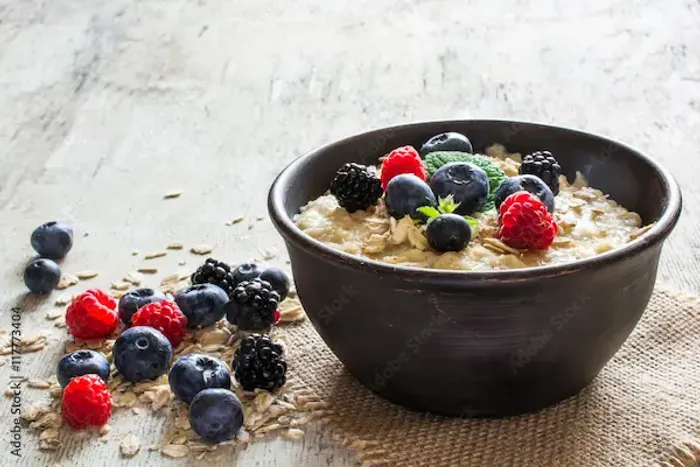
- Fruits: Berries, banana, apple, pear, peaches, or unsweetened dried fruit.
- Nuts and seeds: Walnuts, almonds, pecans, chia, flax, pumpkin seeds.
- Spices and flavour: Cinnamon, vanilla, nutmeg, cardamom, cocoa powder.
- Protein partners: Milk, plant-based milk, Greek yoghurt, cottage cheese, nut butter, eggs.
Portions and Practical Tips
Optimise fibre intake and satisfaction:
- ½ cup dry rolled oats (~1 cup cooked) is a good starting portion.
- Limit added sugars; use fruit and spices first.
- Include protein and healthy fats to stay full longer.
- Stay hydrated - fibre works best with fluids.
Who Might Need Extra Guidance?
Some groups should monitor portions and oat type:
- Celiac or gluten-sensitive: Use certified gluten-free oats; consult your clinician.
- Diabetes: Choose less processed oats, monitor portions, pair with protein and fats.
- GI conditions: Adjust type and amount with professional guidance if fibre triggers symptoms.
Conclusion
Oats offer soluble and insoluble fibre, key vitamins, minerals, and plant compounds that support heart, gut, and
metabolic health. Regular consumption can help lower cholesterol, stabilise blood sugar, and enhance satiety. Choosing
the right type of oats, cooking them in wholesome ways, and pairing with protein, healthy fats, and fruits can make
oatmeal a satisfying, nutrient-rich addition to your daily diet.
Consult Top Specialists
Consult Top Specialists

Dr. Chaithanya R
Internal Medicine Specialist Diabetologist
16 Years • MBBS, MD Internal Medicine, Fellowship in Diabetes(UK), CCEBDM(PHFI)
Bangalore
Apollo Clinic Bellandur, Bangalore

(75+ Patients)

Ms. Sreeparna Dey Dhara Deb
Dietician
10 Years • DNHE
Bansdroni
Siddhita Healthcare., Bansdroni

Ms. Malabika Datta
Dietician
17 Years • Msc. in Dietetics & Food Service Management
Kolkata
Dr Utsa Basu Clinic, Kolkata
(25+ Patients)

Ms Sheeba Collins
Dietician
17 Years • M.Sc- Dietetics, Food Service Management and Dietetics
Bengaluru
PRESTIGE SHANTHINIKETAN - SOCIETY CLINIC, Bengaluru

Ms. Samapti Maity
Dietician
16 Years • MSc. (Clinical Nutrition & Dietitics), NDEP, Course in Maternal Infant Young Child Nutrition.Diploma in Sports Nutrition, Diploma in Diabetic educator, FODMAP Specialist
Kolkata
BIENETRE CLINIC, Kolkata
More articles from General Medical Consultation




Frequently Asked Questions
1) Is oatmeal good for lowering cholesterol?
Yes. Oats are rich in beta-glucan, a soluble fibre that can lower LDL (“bad”) cholesterol when eaten regularly as part of a heart-healthy eating pattern. Choosing oat bran or larger portions of oats can increase your beta-glucan intake.
2) Which type of oatmeal is healthiest?
Steel-cut and old-fashioned rolled oats are great choices because they’re less processed and have a chewier texture and a steadier impact on blood sugar. Quick or instant oats can also be healthy - just choose plain versions and limit added sugars.
3) Is oatmeal gluten-free?
Oats are naturally gluten-free, but cross-contact with gluten-containing grains can occur during processing. If you need to avoid gluten, select certified gluten-free oats. A small number of people with celiac disease may still react to oats; consult your healthcare professional if you’re unsure.
4) How much oatmeal should I eat?
There isn’t a single “right” amount. Many people enjoy 1/2 to 1 cup of dry rolled oats (about 1–2 cups cooked) per day. To target cholesterol benefits, aim to include oats or oat bran regularly and build a balanced, high-fibre diet overall.
5) Are instant oatmeal packets healthy?
They can be, but read labels carefully. Many packets contain added sugars, flavors, and sodium. Choose plain instant oats and add your own fruit, nuts, and spices to control sweetness and boost nutrition.