

Health Benefits of Parijat Leaves and Flowers
Discover Parijat benefits and Night Jasmine uses, from traditional herbal remedies to safety tips. Learn what science says and how to use it wisely.

Introduction
Parijat, known botanically as Nyctanthes arbour-tristis, is a night-blooming, fragrant plant valued across South and Southeast Asia for its beauty and its place in traditional wellness practices. Also called Night Jasmine or Harsingar, it features strongly in cultural stories, folk healing, and seasonal home remedies. Many people today are curious about Parijat benefits, Night Jasmine uses, and whether it fits into a balanced, safe approach to herbal well-being.
As interest grows in traditional and plant-based health routines, it becomes more important to distinguish cultural wisdom from what modern research can currently confirm. This guide explores traditional understanding, the state of scientific evidence, practical ways to use Parijat sensibly, and safety considerations for everyday use.


What Is Parijat?
Know about Parijat, its cultural background & uses:
Botanical and Cultural Background
• Botanical name: Nyctanthes arbor tristis
• Common names: Parijat, Night Jasmine, Harsingar, Coral Jasmine
• Native region: South and Southeast Asia
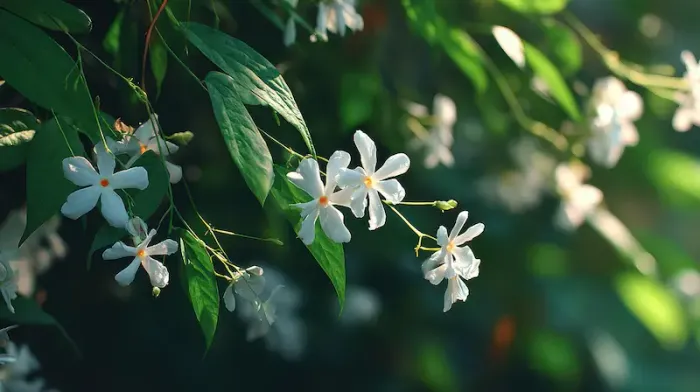
• Distinct feature: Fragrant white orange flowers that bloom at night and fall by morning
Parts Used Traditionally
• Leaves
• Flowers
• Seeds and bark (limited folk use in some regions)
Presence In Traditional Systems
• Historically mentioned in Ayurveda and regional folk practice
• Traditionally associated with joint discomfort, fever support, and seasonal ailments
• Used in a supportive rather than curative role
Important Note
Although Parijat has been relied on traditionally, modern human clinical evidence is still limited. It is better understood as a complementary herb rather than a substitute for medical treatment.
Parijat Benefits
The benefits of Parijat include:
What Tradition Suggests and Research Is Exploring?
Many uses of Parijat come from cultural practices. Modern research is still at an early stage, focusing mostly on laboratory and animal studies. The following areas reflect current interest but not proven clinical outcomes.
Anti-Inflammatory Support
• Traditional systems often use Parijat leaves to ease stiffness or mild discomfort
• Decoctions or teas made from the leaves are common in some regions
• Laboratory studies show anti-inflammatory activity in Parijat extracts
• Human trials are limited, so effects cannot be guaranteed
Fever and Seasonal Illness Support
• Parijat leaves have been used historically during seasonal fevers
• Traditional practice includes warm infusions or decoctions for supportive care
• Modern medical care remains essential for viral illnesses
• Severe symptoms such as high fever, bleeding, or dehydration require urgent medical attention
• Parijat should not be considered a cure for dengue, chikungunya, influenza, or other infections
Antioxidant Activity
• Parijat contains plant-based compounds with antioxidant properties
• Laboratory studies highlight scavenging of free radicals
• How these findings translate to real-world human health requires more structured research
• Antioxidants in fruits, vegetables, and herbs contribute overall to cellular protection, but no single herb alone is a comprehensive solution
Folk Uses For Hair & Skin
• Pastes of Parijat flowers are used in some households for skin comfort
• Light infusions are used as hair rinses in folk practice
• Human evidence is minimal, so benefits remain anecdotal
• Patch testing is important to avoid skin reactions
• Avoid applying to broken or irritated skin
Mood and Relaxation
• The natural fragrance of Night Jasmine is often described as calming
• Aromas can support relaxation and ambience
• This effect is sensory rather than medicinal
• Suitable for creating peaceful nighttime environments
Overall Benefit Summary
• Preliminary science supports anti-inflammatory and antioxidant potential
• Traditional uses are widespread but not equivalent to clinically proven treatments
• Parijat works best as a gentle, complementary addition rather than a primary remedy
Parijat Uses
The uses of parijat include:
Simple and Safe Approaches
Night Jasmine can be used in several low-risk ways. These methods allow you to explore the plant without heavy preparation or excessive intake.
Herbal Tea From Leaves
• Rinse a few fresh leaves thoroughly
• Steep in freshly boiled water for 5 to 10 minutes
• Strain and drink warm
• There is no standardised dose
• Begin with small amounts to see how you respond
Flower Infusion
• Place clean Parijat flowers in a cup or bowl
• Pour hot, not boiling, water over the petals
• Cover for about 10 minutes
• Allow to cool before using as a hair rinse
• The infusion may also be placed in a room to leave a soft, pleasant aroma
Culinary Style Beverage
• Some households add tiny amounts of leaves to warm water
• This is used as a mild, comforting drink rather than a therapeutic preparation
• Portion control is important because potent dosing guidelines do not exist
Helpful Tips
The helpful tips include:
• Keep recipes simple, avoiding complex mixtures
• Start with minimal quantities
• Do not mix with alcohol or multiple supplements
• Discontinue immediately if digestive or skin symptoms appear
Safety and Side Effects
Safety and side effects include:
General Precautions
Herbal remedies can be helpful for some individuals but may cause side effects or interactions in others. Limited research means long-term safety information is incomplete.
Possible Side Effects
• Mild digestive upset
• Nausea or discomfort
• Rash or itching in sensitive individuals
• Unknown risks when used in large or prolonged doses
Who Should Be Cautious?
Be cautious when you belong to any of the following groups/individuals:
• People who are pregnant or breastfeeding
• Children, unless guided by a healthcare professional
• Individuals taking multiple medications
• People with liver or kidney conditions
• Anyone preparing for surgery within one to two weeks
Drug Interaction Considerations
Because research is limited, interaction information remains incomplete. Theoretical concerns apply to those receiving medicines for blood sugar, blood thinning, sedation, or immune conditions. Always inform clinicians of herbal use.
Choosing Quality Herbal Products
Here are some tips to choose quality herbal products:
How To Select Safely?
• Look for brands with third-party testing
• Ensure the botanical name Nyctanthes arbour tristis is listed
• Confirm the specific plant part (leaf or flower)
• Avoid products with extravagant claims
• Store products in cool, dry places away from sunlight
• Avoid expired or unlabelled preparations
When To See a Healthcare Professional?
Seek healthcare professional if:
• Persistent or high fever
• Severe pain, swelling, or difficulty with mobility
• Signs of dehydration or bleeding
• Breathing difficulties
• New symptoms after taking an herb
• Health concerns during pregnancy or breastfeeding
How Parijat Fits Into Healthy Routines?
Parijat can be incorporated gently into daily life, provided it is used sensibly and in moderation.
Supportive Rather Than Substitutive
• Parijat should not replace prescribed medication
• Maintain balanced food intake and hydration
• Ensure regular sleep patterns
• Incorporate movement and stress management into your lifestyle
Tracking and Adjustment
• Keep a simple journal, noting how you feel after taking Parijat
• Use small amounts at first
• Take periodic breaks since long-term safety data is lacking
• Consult your clinician when adjusting your herbal routine.
Conclusion
Parijat has a long history of traditional use and continues to attract interest for its gentle wellness role. While early research highlights anti-inflammatory and antioxidant potential, firm human evidence is still developing. For most people, Parijat is best used in modest amounts and as part of a broader routine that supports overall well-being. By choosing quality products, using simple preparations, and staying aware of potential interactions, you can explore Parijat safely. Always combine traditional practices with sound medical advice for the best health outcomes.
More articles from General Medical Consultation


Frequently Asked Questions
Q.What Is Parijat and How Is It Different From Jasmine?
Parijat is Nyctanthes arbour tristis, a night-blooming plant distinct from true Jasminum species. It has fragrant white orange flowers and traditional uses involving leaves and flowers.
Q.Can Parijat Cure Dengue, Chikungunya, Or Arthritis?
No. Parijat does not cure viral fevers or arthritis. Traditional practice includes supportive use, but medical treatment is essential for these conditions.
Q.Is Parijat Leaf Tea Safe To Drink Every Day?
There is no standardised dose. Occasional small amounts may be reasonable for healthy adults. Long-term daily use should only be considered with medical guidance.
Q.How Do I Prepare A Simple Parijat Tea At Home?
Rinse fresh leaves, steep in recently boiled water for 5 to 10 minutes, strain, and drink. Use sparingly and avoid combining with multiple herbs initially.
Q.Are There Quality Standards For Parijat Supplements?
Choose products with clear botanical labelling and third-party testing. Avoid brands that make unrealistic claims or lack transparency.