


Health Benefits Of Sourdough Bread: A Healthy Choice
Discover sourdough bread benefits for gut health. Learn how fermented foods fit a balanced diet, who should be cautious, and smart ways to enjoy it.

Written by Dr. Dhankecha Mayank Dineshbhai
Reviewed by Dr. Vasanthasree Nair MBBS
Last updated on 14th Jan, 2026
Introduction
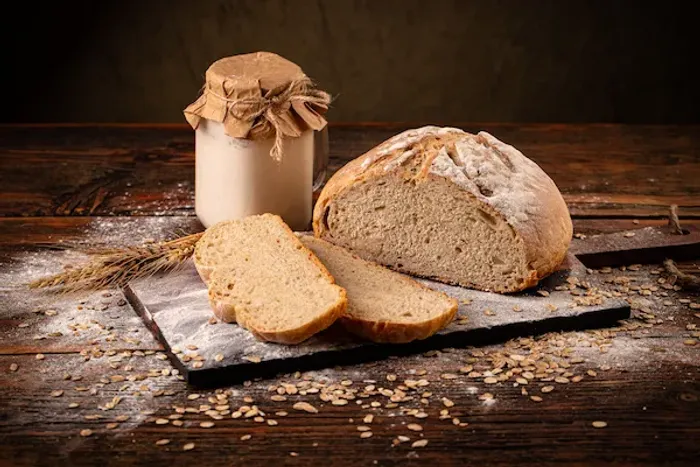
Sourdough has moved from artisan bakeries to everyday kitchens - and for good reason. People love its tangy flavour and chewy texture, but they’re also curious about sourdough bread benefits. Because sourdough is made through fermentation, it’s often discussed in the same breath as gut health and fermented foods. While it’s not a cure-all, sourdough can be a smart bread choice for many people when enjoyed as part of a balanced diet. This article explains what makes sourdough distinct, who may benefit, who should be cautious, and practical ways to get the most from your loaf.
Consult Top Specialists Here
What Makes Sourdough Different?
Sourdough is leavened with a “starter,” a simple mix of flour and water that naturally cultivates wild yeast and lactic acid bacteria. These microbes ferment sugars in the flour, creating organic acids (like lactic and acetic acids) that give sourdough its tang and help the dough rise.
Key Points to Understand
Here’s what you need to know before reviewing the points below:
- Not a probiotic after baking: Although the starter contains live microbes, most do not survive the high heat of baking. So sourdough bread itself shouldn’t be considered a probiotic food.
- Fermentation changes the dough: The acids and enzymes created during fermentation can influence texture, flavour, shelf life, and how your body responds to the bread.
Top Sourdough Bread Benefits
While benefits vary by the flour used (whole grain vs. refined), fermentation time, and portion size, research and expert guidance point to several positives.
Friendlier Blood-Sugar Response
Here’s how sourdough may affect blood sugar:
- The organic acids formed during fermentation can lower the bread’s glycaemic impact compared with many conventionally leavened breads. This means your blood sugar may rise more gradually after eating sourdough.
- Whole-grain sourdough (made from whole wheat or whole rye) generally has more fibre, which further supports steadier blood sugar.
- Practical tip: Even with sourdough, watch portions and pair bread with protein, healthy fats, and fibre-rich foods to support stable energy.
Potentially Better Mineral Absorption
Here’s how fermentation can support mineral uptake:
- Whole grains naturally contain phytic acid (phytates), which can bind minerals like iron, zinc, and magnesium. The sourdough process can reduce phytates, potentially improving mineral bioavailability.
- Practical tip: Choose whole-grain sourdough to pair the benefits of fermentation with the nutrients and fibre of intact grains.
May Be Easier to Digest for Some People
Here’s why sourdough may feel gentler for some individuals:
- Longer fermentation can break down certain carbohydrates (including some FODMAPs) and proteins to a degree, which may make sourdough feel gentler for some individuals compared with standard white or wheat bread.
- Important caveat: Typical sourdough still contains gluten and is not safe for people with coeliac disease. Individual tolerance varies - listen to your body and talk with your healthcare provider if you have digestive conditions.
Naturally Robust Flavour and Freshness
Here’s how fermentation helps preserve sourdough:
- Acids produced during fermentation help preserve the bread, often extending its freshness without extra additives. While this isn’t a direct health benefit, it can reduce food waste and the need for added ingredients.
Fibre and Prebiotic Potential (Especially In Whole-Grain Loaves)
Here’s how sourdough supports the gut environment:
- Whole-grain sourdough provides dietary fibre that feeds beneficial gut microbes. Fermentation may also produce compounds that act like prebiotics (food for good bacteria).
- Remember: Sourdough bread supports gut health mostly through fibre and overall diet quality, not live cultures.
Sourdough and Gut Health
“Gut health” refers to the balance and function of microbes and processes in your digestive tract. Here’s how sourdough can fit in:
- Fibre matters most: Whole-grain sourdough delivers fibre that supports regularity and nurtures a diverse gut microbiome. If you choose white sourdough, pair it with fibre-rich foods (like beans, vegetables, nuts).
- Organic acids and dough changes: Fermentation alters the bread’s structure and acidity, which can affect how quickly carbs are digested and absorbed.
- Not a probiotic food: Because baking kills most microbes, sourdough shouldn’t replace probiotic foods that contain live cultures (e.g., yoghurt, kefir) or probiotic supplements recommended by your clinician.
How Sourdough Fits Into Fermented Foods?
Fermented foods are made when microorganisms transform components of food - often improving flavour or texture. Common examples include yoghurt, kefir, kimchi, miso, tempeh, and kombucha.
Where sourdough fits:
- It is fermented before baking, which shapes taste and texture.
- Unlike many other fermented foods, sourdough bread is baked, so it typically does not provide live microbes at the time you eat it.
- Practical tip: For live cultures, include foods like yoghurt or kefir alongside sourdough. For fibre and plant diversity that supports gut health, add vegetables, legumes, nuts, and seeds.
Who Should Be Cautious?
Here’s what to consider if you have specific health needs:
- Celiac disease or gluten sensitivity: Standard sourdough is not gluten-free. If you have celiac disease, choose certified gluten-free breads and consult your healthcare team.
- Wheat allergy: Avoid sourdough made from wheat, rye, or barley if you have a diagnosed wheat or gluten-related allergy.
- Blood sugar management: Sourdough can have a lower glycaemic impact than many other breads, but portions still matter. Work with your clinician or dietitian to fit bread into your plan.
- Sodium intake: Bread can contribute to daily sodium. Check labels and be mindful if you’re aiming to reduce salt as part of heart-healthy eating.
Consult Top Specialists Here
How to Choose a Healthier Sourdough?
Let’s look at simple ways to pick a healthier sourdough:
- Go for whole grain: Look for “whole wheat,” “whole rye,” or another whole grain as the first ingredient to get more fibre and nutrients.
- Keep the ingredient list simple: Traditional sourdough uses flour, water, salt, and starter. Fewer additives often indicate longer, natural fermentation.
- Ask about fermentation: If buying from a bakery, ask about fermentation time. Longer, slower fermentation is part of what makes sourdough unique.
- Mind portion sizes: A standard slice is often around 1–2 ounces (30–60 g). Pair with protein (eggs, beans, yoghurt), healthy fats (avocado, olive oil, nut butter), and vegetables for a balanced meal.
- Safe handling at home: If you bake, avoid tasting raw dough or batter made with flour or eggs. Keep your starter clean and stored safely, and follow food safety practices in the kitchen.
Simple, Healthy Ways to Enjoy Sourdough
Here’s how you can add sourdough to balanced meals:
- Avocado and egg toast with greens and a sprinkle of seeds
- Hummus, cucumber, tomato, and arugula open-faced sandwich
- Turkey, roasted peppers, and spinach with a smear of yoghurt-based spread
- Sliced sourdough alongside a bean-and-vegetable soup
- Nut butter, sliced banana, and cinnamon on whole-grain sourdough for a quick snack
Conclusion
Sourdough is a flavourful, versatile bread that offers unique advantages thanks to its fermentation process. While it isn’t a probiotic food, it can support better blood-sugar responses, mineral absorption, and digestion - especially when made with whole grains. By choosing high-quality loaves, watching portions, and pairing sourdough with fibre, protein, and healthy fats, you can enjoy its benefits as part of a balanced diet. As with any food, individual tolerance varies, so listen to your body and make choices that support your long-term wellbeing.
Consult Top Specialists Here

Dr Aakash Andgi
General Physician/ Internal Medicine Specialist
9 Years • MBBS MD
Bengaluru
Apollo Clinic, JP nagar, Bengaluru

Dr. Vivek D
General Physician
4 Years • MBBS
Bengaluru
PRESTIGE SHANTHINIKETAN - SOCIETY CLINIC, Bengaluru

Dr. Anand Ravi
General Physician
2 Years • MBBS
Bengaluru
PRESTIGE SHANTHINIKETAN - SOCIETY CLINIC, Bengaluru

Dr. Ashita Kuruvilla
General Physician/ Internal Medicine Specialist
7 Years • MBBS
East Midnapore
VIVEKANANDA SEBA SADAN, East Midnapore

Dr Syed Mateen Pasha
General Physician
2 Years • MBBS
Bengaluru
PRESTIGE SHANTHINIKETAN - SOCIETY CLINIC, Bengaluru
Consult Top Specialists Here
Dr Aakash Andgi
General Physician/ Internal Medicine Specialist
9 Years • MBBS MD
Bengaluru
Apollo Clinic, JP nagar, Bengaluru
Dr. Vivek D
General Physician
4 Years • MBBS
Bengaluru
PRESTIGE SHANTHINIKETAN - SOCIETY CLINIC, Bengaluru
Dr. Anand Ravi
General Physician
2 Years • MBBS
Bengaluru
PRESTIGE SHANTHINIKETAN - SOCIETY CLINIC, Bengaluru
Dr. Ashita Kuruvilla
General Physician/ Internal Medicine Specialist
7 Years • MBBS
East Midnapore
VIVEKANANDA SEBA SADAN, East Midnapore
Dr Syed Mateen Pasha
General Physician
2 Years • MBBS
Bengaluru
PRESTIGE SHANTHINIKETAN - SOCIETY CLINIC, Bengaluru
More articles from General Medical Consultation



Frequently Asked Questions
Is sourdough good for gut health?
Sourdough can support digestive wellness when it’s part of a fibre-rich, varied diet - especially if you choose whole-grain loaves. It is not a probiotic food after baking, but the fermentation process and the fibre in whole grains can help your gut over time.
Does sourdough bread have probiotics?
No. The baking process kills most live microbes from the starter. For probiotics, include foods that contain live cultures, like yoghurt or kefir, or use a supplement if recommended by your clinician.
Is sourdough safe for people with celiac disease?
No. Typical sourdough is not gluten-free. People with celiac disease or a medically diagnosed gluten disorder should choose certified gluten-free breads and consult their healthcare team.
Is sourdough better for blood sugar than regular bread?
It can be, thanks to fermentation and organic acids that tend to lower the bread’s glycemic impact compared with many standard breads. Whole-grain sourdough is generally the best choice. Still, portion size and your overall meal (protein, fat, and fibre) are key.
How should I store sourdough and handle it safely?
Store at room temperature in a paper bag or bread box for a few days, or slice and freeze for longer freshness. Do not eat raw dough or batter made with flour or eggs, and keep baking tools and surfaces clean to prevent foodborne illness.