


Healthy Fatty Foods You Should Include in Your Diet
Discover healthy fats and omega-3 foods to support heart health and everyday nutrition. Learn the best sources, portions, and tips for easy meals.

Written by Dr. Siri Nallapu
Reviewed by Dr. Dhankecha Mayank Dineshbhai MBBS
Last updated on 13th Jan, 2026
Introduction
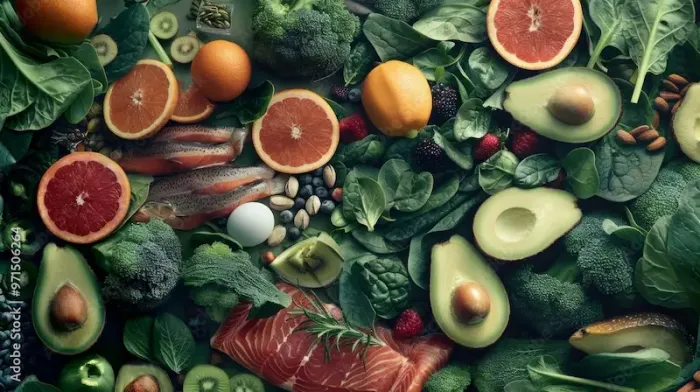
Fat isn’t the enemy—it’s essential. The right kinds of fat give you energy, help your body absorb vitamins, and support your heart and brain. In this guide, you’ll learn which healthy fats to eat more often, the best omega-3 foods to choose, and simple ways to use them in everyday nutrition. You’ll also get practical tips, a sample menu, and answers to common questions so you can shop, cook, and eat with confidence.
What Are Healthy Fats and Why Your Body Needs Them
Dietary fat is one of the body’s main fuel sources and plays many important roles:
• Builds cell membranes and supports hormone production
• Helps absorb vitamins A, D, E, and K
• Supports brain function and eye health
• Helps you feel satisfied after meals
Not all fats act the same in the body:
• Unsaturated fats (monounsaturated and polyunsaturated) are considered heart-healthy when they replace saturated and trans fats.
• Saturated fats are best kept limited, as higher intake is linked with increased LDL (“bad”) cholesterol.
• Trans fats (often from partially hydrogenated oils) should be avoided; they raise LDL and lower HDL (“good”) cholesterol. Many countries have removed industrial trans fats from the food supply, but checking labels is still smart.
The Best Healthy Fatty Foods to Add to Your Plate
Here are the best healthy fatty foods to add to your plate:
Fatty Fish: Omega-3 All-Stars
Fatty fish provide EPA and DHA, two omega-3s linked with heart and brain benefits.
• Great choices: salmon, sardines, mackerel, herring, trout, and anchovies
• Easy ways to eat: grill salmon, top salads with canned sardines, or add trout to grain bowls
• Tip: If you don’t eat fish, see the plant options and supplement guidance below
Extra-Virgin Olive Oil and Olives
Extra-virgin olive oil (EVOO) is rich in monounsaturated fat and a hallmark of Mediterranean-style eating.
• Use for: salad dressings, roasting vegetables, sautés, and finishing soups
• Try: a drizzle over cooked beans or whole grains; olive tapenade as a spread
Avocados
Avocados deliver monounsaturated fats plus fibre, which supports fullness and gut health.
• Use for: toast, tacos, grain bowls, or blended into smoothies for creaminess
• Portion tip: a third to half of a medium avocado is a reasonable serving
Nuts and Nut Butters
Nuts supply unsaturated fats, plant protein, minerals, and phytochemicals.
• Top picks: walnuts (contain plant omega-3 ALA), almonds, pistachios, pecans, hazelnuts
• How to use: sprinkle on yoghurt or oatmeal, stir into stir-fries, or enjoy a small handful as a snack
• Nut butters: choose options with just nuts (and a little salt if you like), without hydrogenated oils
Seeds: Flax, Chia, Hemp, Pumpkin, and Sesame
Seeds are tiny but mighty sources of healthy fats, fibre, and minerals.
• ALA omega-3 standouts: flax and chia; grind flaxseed or buy ground for better absorption
• How to use: add to smoothies, sprinkle on salads, or mix into baked goods and yoghurt
• Bonus: hemp seeds add a gentle, nutty crunch and plant protein
Canola and Soybean Oil (for Everyday Cooking)
Canola and soybean oils are versatile, affordable, and low in saturated fat.
• Good for: roasting, baking, and stovetop cooking
• Tip: use these for higher-heat cooking, and save extra-virgin olive oil for flavour and finishing
Whole Soy Foods
Tofu, tempeh, and edamame provide unsaturated fats plus protein and fibre.
• Easy meals: tofu stir-fries, tempeh tacos, and steamed edamame with sea salt
• Note: soy foods are nutrient-dense additions for plant-forward eating patterns
How Much Fat Do You Need?
Your total fat needs depend on your age, activity level, and health goals. Most people do well with a balanced pattern that favours unsaturated fats over saturated and trans fats. Helpful everyday portions:
• Oils: 1–2 tablespoons per meal for cooking or dressings (adjust to appetite)
• Nuts: about a small handful (around 1 ounce)
• Seeds: 1–2 tablespoons (ground flax or chia is easy to add)
• Avocado: 1/3 to 1/2 medium fruit
• Fatty fish: incorporate regularly across the week
Because fats are calorie-dense, mindful portions help you meet your goals without feeling deprived.
Healthy Cooking and Shopping Tips
• Cook smart: olive oil is great for most home cooking; for higher heat, canola or avocado oil are good options.
• Read labels: avoid “partially hydrogenated oils” (a source of trans fats).
• Choose minimally processed foods: snack on nuts, seeds, and olives instead of ultra-processed snacks.
• Balance your plate: pair fats with vegetables, whole grains, and lean proteins for satisfying meals.
• Store well: keep oils in a cool, dark cabinet; refrigerate nuts and seeds to preserve freshness.
What About Saturated Fat, Trans Fat, and Cholesterol?
• Saturated fat: Found in fatty cuts of meat, full-fat dairy, butter, coconut oil, and many baked or fried foods. Replacing some saturated fat with unsaturated fat is linked with better heart health.
• Trans fat: Primarily from partially hydrogenated oils in older processed foods. Although many countries have phased them out, it’s still wise to scan ingredient lists and choose products without these oils.
• Dietary cholesterol: Found in animal foods like eggs and shellfish. Overall dietary pattern matters most; focus on plenty of unsaturated fats, vegetables, fruits, whole grains, and legumes.
Sample One-Day Menu Rich in Healthy Fats
Here’s a sample one-day menu:
• Breakfast: Oatmeal topped with ground flaxseed, walnuts, blueberries, and a drizzle of extra-virgin olive oil; coffee or tea
• Lunch: Mixed greens with chickpeas, cherry tomatoes, cucumbers, avocado, and lemon–olive oil vinaigrette; whole-grain toast
• Snack: Plain yoghurt with chia seeds and sliced strawberries; or a small handful of almonds
• Dinner: Baked salmon with roasted vegetables (tossed in canola or olive oil) and quinoa; side salad with olives
• Dessert: Orange slices or a baked apple with cinnamon
Special Considerations if You Don’t Eat Fish
Plant sources like walnuts, chia, flax, and canola oil provide ALA, a plant omega-3. The body converts only a small amount of ALA into EPA and DHA. If you avoid fish, talk with your clinician about an algae-based EPA/DHA supplement—especially if you are pregnant, breastfeeding, or have specific health concerns. Food-first approaches still apply: build meals around vegetables, legumes, whole grains, nuts, seeds, and high-quality plant oils.
Quick Ways to Add Healthy Fats Today
Here are some ways to add healthy fats to your diet:
• Swap butter for olive oil in sautés and on vegetables
• Top salads with salmon, tuna, or tofu
• Stir ground flax or chia into yogurt or smoothies
• Keep a jar of natural peanut or almond butter for fast snacks
• Add avocado slices to sandwiches, tacos, and grain bowls
Consult Top Specialists

Dr Darshana R
General Physician/ Internal Medicine Specialist
15 Years • MBBS, MD, DNB (Internal Medicine), Diploma in Allergy, Asthma and Immunology , Fellowship in Diabetes
Bengaluru
Apollo Clinic, JP nagar, Bengaluru

(150+ Patients)

Ms Malabika Datta
Dietician
19 Years • Bsc (Clinical Nutrition & Dietetics), Msc (Dietetics & Food Service Management)
Kolkata
Malabika’s Diet Clinic, Kolkata

Ms. Sushma Jaiswal
Dietician
42 Years • M.Sc.(Food & Nutrition)
Bengaluru
Swasthya Nutrition, Bengaluru

Ms. Neelanjana J
Dietician
5 Years • Bsc., Msc. Nutrition and Dietetics specialised general weight management, PCOS/PCOD weight loss and Diabetes management. A clinical dietitian with 4+ year experience specializing in evidence-based, result-oriented nutrition therapy. I have extensive experience in weight loss, thyroid management, PCOD/PCOS, weight gain, and diabetes & prediabetes care. My approach is personalized, practical, and sustainable—focusing on helping individuals achieve long-term lifestyle change rather than quick fixes. I work closely with clients to understand their medical history, lifestyle, and goals, and then design customized diet plans that support hormonal balance, metabolic health, and overall wellbeing. My goal is to make nutrition simple, realistic, and effective—so you see measurable results and feel your healthiest self.Auther in Health benefits of jackfruit (Artocarpus heterophyllus Lam.) seeds: A review (2023) The Pharma Innovation Journal Co- Auther in Malnutrition in Women: A review (2023) The Pharma Innovation Journal. Highfield Level 3 in HACCP. Highfield Level 4 International Award in Food Safety Managment
Bengaluru
Apollo Clinic, JP nagar, Bengaluru

Ms Chetu Singhi
Dietician
20 Years • MSC Dietetics & Nutrition
Kolkata
RB Diagnostic - Dietician Diet2fit Chetu Singhi, Kolkata
Consult Top Specialists
Dr Darshana R
General Physician/ Internal Medicine Specialist
15 Years • MBBS, MD, DNB (Internal Medicine), Diploma in Allergy, Asthma and Immunology , Fellowship in Diabetes
Bengaluru
Apollo Clinic, JP nagar, Bengaluru
(150+ Patients)
Ms Malabika Datta
Dietician
19 Years • Bsc (Clinical Nutrition & Dietetics), Msc (Dietetics & Food Service Management)
Kolkata
Malabika’s Diet Clinic, Kolkata
Ms. Sushma Jaiswal
Dietician
42 Years • M.Sc.(Food & Nutrition)
Bengaluru
Swasthya Nutrition, Bengaluru
Ms. Neelanjana J
Dietician
5 Years • Bsc., Msc. Nutrition and Dietetics specialised general weight management, PCOS/PCOD weight loss and Diabetes management. A clinical dietitian with 4+ year experience specializing in evidence-based, result-oriented nutrition therapy. I have extensive experience in weight loss, thyroid management, PCOD/PCOS, weight gain, and diabetes & prediabetes care. My approach is personalized, practical, and sustainable—focusing on helping individuals achieve long-term lifestyle change rather than quick fixes. I work closely with clients to understand their medical history, lifestyle, and goals, and then design customized diet plans that support hormonal balance, metabolic health, and overall wellbeing. My goal is to make nutrition simple, realistic, and effective—so you see measurable results and feel your healthiest self.Auther in Health benefits of jackfruit (Artocarpus heterophyllus Lam.) seeds: A review (2023) The Pharma Innovation Journal Co- Auther in Malnutrition in Women: A review (2023) The Pharma Innovation Journal. Highfield Level 3 in HACCP. Highfield Level 4 International Award in Food Safety Managment
Bengaluru
Apollo Clinic, JP nagar, Bengaluru
Ms Chetu Singhi
Dietician
20 Years • MSC Dietetics & Nutrition
Kolkata
RB Diagnostic - Dietician Diet2fit Chetu Singhi, Kolkata
Consult Top Specialists
Dr Darshana R
General Physician/ Internal Medicine Specialist
15 Years • MBBS, MD, DNB (Internal Medicine), Diploma in Allergy, Asthma and Immunology , Fellowship in Diabetes
Bengaluru
Apollo Clinic, JP nagar, Bengaluru
(150+ Patients)
Ms Malabika Datta
Dietician
19 Years • Bsc (Clinical Nutrition & Dietetics), Msc (Dietetics & Food Service Management)
Kolkata
Malabika’s Diet Clinic, Kolkata
Ms. Sushma Jaiswal
Dietician
42 Years • M.Sc.(Food & Nutrition)
Bengaluru
Swasthya Nutrition, Bengaluru
Ms. Neelanjana J
Dietician
5 Years • Bsc., Msc. Nutrition and Dietetics specialised general weight management, PCOS/PCOD weight loss and Diabetes management. A clinical dietitian with 4+ year experience specializing in evidence-based, result-oriented nutrition therapy. I have extensive experience in weight loss, thyroid management, PCOD/PCOS, weight gain, and diabetes & prediabetes care. My approach is personalized, practical, and sustainable—focusing on helping individuals achieve long-term lifestyle change rather than quick fixes. I work closely with clients to understand their medical history, lifestyle, and goals, and then design customized diet plans that support hormonal balance, metabolic health, and overall wellbeing. My goal is to make nutrition simple, realistic, and effective—so you see measurable results and feel your healthiest self.Auther in Health benefits of jackfruit (Artocarpus heterophyllus Lam.) seeds: A review (2023) The Pharma Innovation Journal Co- Auther in Malnutrition in Women: A review (2023) The Pharma Innovation Journal. Highfield Level 3 in HACCP. Highfield Level 4 International Award in Food Safety Managment
Bengaluru
Apollo Clinic, JP nagar, Bengaluru
Ms Chetu Singhi
Dietician
20 Years • MSC Dietetics & Nutrition
Kolkata
RB Diagnostic - Dietician Diet2fit Chetu Singhi, Kolkata
More articles from General Medical Consultation



Frequently Asked Questions
1. Are fats good for you?
Yes—your body needs fat for energy, cell health, and vitamin absorption. The key is the type. Emphasise unsaturated fats (from fish, nuts, seeds, olives, and plant oils) and limit saturated and trans fats.
2. What are the best omega-3 foods?
Fatty fish such as salmon, sardines, mackerel, herring, and trout are top sources of EPA and DHA. Plant options include walnuts, flaxseed, chia seeds, and canola oil, which provide ALA.
3. Do I need a fish oil supplement?
Not everyone does. If you rarely eat fish or have specific health needs, ask your healthcare provider whether an algae-based or fish oil supplement is appropriate for you and what dose fits your situation.
4. Is olive oil safe for cooking?
Yes. Extra-virgin olive oil works well for most home cooking and adds flavor and beneficial fats. For very high-heat methods, you can use canola or another suitable oil.
5. How can I spot unhealthy fats on labels?
Avoid products with “partially hydrogenated oils” (trans fats). Choose foods with more unsaturated fat and less saturated fat, and keep highly processed fried and baked snacks to a minimum.