



Home Remedies to Treat Malaria Naturally
Discover safe, doctor-approved malaria remedies for comfort and fever treatment while you seek urgent care. Learn prevention, red flags, and expert tips.

Written by Dr. J T Hema Pratima
Reviewed by Dr. Dhankecha Mayank Dineshbhai MBBS
Last updated on 13th Jan, 2026
Introduction: Why This Topic Matters
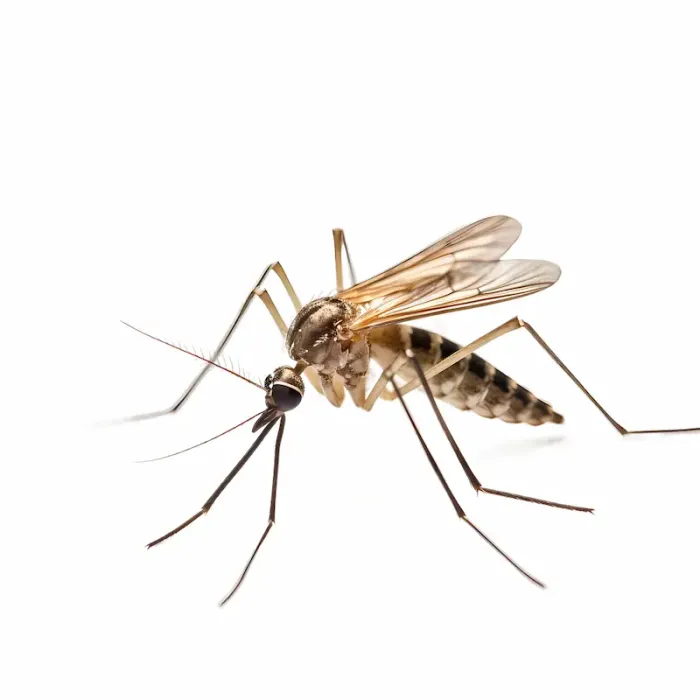
Malaria is a serious, potentially life-threatening infection transmitted by mosquitoes. Although many people search for “malaria remedies” and “fever treatments” they can try at home, it is vital to understand that malaria requires prompt medical diagnosis and prescription antimalarial medicines. While home care can make you more comfortable and support your recovery, it cannot cure the infection on its own. This guide offers safe, practical steps to take at home alongside urgent medical treatment, plus essential prevention strategies to reduce your future risk.
Important note: If you think you have malaria—especially after travelling to, or living in, a malaria-prone area—seek medical care immediately. Do not rely on home remedies alone; early diagnosis and treatment save lives.
Consult a Top General Practitioner for Personalised Advice
Quick Facts About Malaria
- Understanding the basics of malaria helps you act quickly and confidently when symptoms appear. Quick facts include:
- Cause: Malaria is caused by Plasmodium parasites transmitted through the bites of infected Anopheles mosquitoes.
- Common symptoms: Fever, chills, headache, muscle aches, fatigue, nausea, vomiting, and sometimes diarrhoea. Symptoms can appear 7–30 days (or even longer) after an infectious mosquito bite.
- Why it’s urgent: Malaria can progress rapidly and lead to severe illness—such as confusion, breathing problems, or organ failure—particularly in young children, pregnant women, older adults, and people with weakened immunity.
- Diagnosis: Confirmed using rapid diagnostic tests (RDTs) or blood smear microscopy.
- Treatment: Requires prescription antimalarial medicines. Artemisinin-based combination therapy (ACT) is standard for uncomplicated malaria in many regions; severe cases may need hospital admission and intravenous medication.
First Things First: Seek Medical Care Immediately
If you have a fever after possible malaria exposure, get tested the same day. Early diagnosis and treatment significantly reduce complications and the risk of death.
A clinician will:
- Perform a malaria test (RDT or blood smear) and repeat it if necessary.
- Identify the parasite species (e.g., P. falciparum, P. vivax) to determine the correct medicine.
- Prescribe the appropriate antimalarial treatment and monitor your progress.
Seek urgent medical care immediately if you are:
- A child under 5, pregnant, or aged over 60.
- Experiencing severe symptoms such as confusion, fainting, severe vomiting, inability to keep fluids down, trouble breathing, seizures, yellowing of eyes or skin, dark urine, bleeding, or very high fever.
- Not improving or getting worse after starting prescribed malaria treatment.
Safe, Supportive Malaria Remedies You Can Use at Home (Alongside Medical Care)
While waiting for or undergoing treatment, you can use home care strategies to reduce discomfort and support recovery. These methods do not cure malaria but help manage symptoms and dehydration.
Fever Treatment at Home: Cool, Calm, and Careful
- Take acetaminophen (paracetamol) as directed to lower fever and relieve aches. This is generally the safest option for malaria-related fever.
- Sponge your body with lukewarm water or take a lukewarm shower. Avoid very cold baths or ice packs, as these can cause shivering and raise your body temperature.
- Wear light, breathable clothing and stay in a cool, well-ventilated room.
- Important caution: If dengue fever has not been ruled out, avoid aspirin or NSAIDs (like ibuprofen) unless a healthcare professional advises you, as they can increase the risk of bleeding with dengue.
Hydration and Electrolytes: Sip Steadily
- Drink plenty of fluids—clean water, oral rehydration solution (ORS), diluted fruit juice, or clear soups.
- Take frequent small sips, especially if vomiting; gradually increase as tolerated.
- Avoid alcohol and minimise caffeine intake, which can worsen dehydration.
Nutrient-Rich, Gentle Foods
- Eat small, frequent meals such as bananas, rice, applesauce, toast, yoghurt, soups, lentils, and soft vegetables.
- Add protein—eggs, beans, fish, or lean meat—when appetite returns, to rebuild strength.
- Don’t force food if you have no appetite; hydration is most important during fever.
Rest and Pacing
- Prioritise rest and sleep; your body needs energy to fight infection.
- Gradually resume normal activity only after your fever subsides and your clinician confirms it’s safe.
Protect Others and Prevent More Bites While Ill
- Sleep under an insecticide-treated bed net.
- Apply mosquito repellent with DEET, picaridin, IR3535, or oil of lemon eucalyptus (PMD) to exposed skin. Follow the product’s safety instructions carefully.
- Wear long-sleeved clothing and trousers; consider permethrin-treated fabrics (never apply permethrin directly to skin).
- Keep mosquitoes out of the house by using screens, running fans, and removing standing water around your home.
What to Avoid: Myths and Risky “Natural” Cures
Myths and risky cures to avoid include:
- Tonic water or quinine drinks: These contain too little quinine to treat malaria and can cause side effects.
- Herbal teas or “bitters”: Not scientifically proven, may be unsafe, and can delay lifesaving treatment. Non-pharmaceutical Artemisia annua products are not substitutes for real antimalarial drugs and can cause drug resistance.
- High-dose vitamins or supplements: No evidence of benefit.
- Antibiotics without prescription: Malaria cannot be treated by antibiotics.
- Alcohol: Dehydrates and weakens the body’s healing response.
- Delaying care: The biggest mistake—prompt medical treatment is essential.
Prevention: The Most Effective Malaria Remedy Is Avoiding Bites and Using Prophylaxis
Prevention remains the most reliable way to protect yourself and your family from malaria. Combining personal protection with medical advice gives you the best defence. It includes:
Smart Travel Planning
- Visit a travel medicine specialist 4–6 weeks before your trip to a malaria-prone region.
- Discuss chemoprophylaxis (preventive medication) suitable for your destination and health condition. Different regions have varying resistance patterns, so professional advice is crucial.
- Learn the symptoms of malaria and identify local facilities where you can get tested quickly if needed.
Bite-Proof Habits at Home and Away
- Sleep under a long-lasting insecticidal net (LLIN).
- Use approved repellents and reapply as directed.
- Wear long sleeves, long trousers, and socks; use permethrin-treated clothing or gear when possible.
- Stay in an accommodation with air conditioning or window and door screens.
- Remove mosquito breeding sites by emptying containers with standing water, cleaning gutters, and covering water tanks.
- In some areas, public health agencies use indoor residual spraying—support and participate in such community programmes.
How Home Care Fits with Medical Treatment?
Think of home remedies as supportive care, not treatment. Prescription antimalarial medicines destroy the parasite, while your at-home measures manage symptoms and help recovery. Most people begin feeling better within 24–48 hours of starting the correct therapy.
Always remember to:
- Take all prescribed medicines exactly as directed and finish the full course.
- Attend follow-up testing to ensure the infection is cleared.
- Seek medical advice immediately if symptoms persist, worsen, or return after treatment.
When Malaria Gets Dangerous: Red Flags for Urgent or Emergency Care
Go to an emergency department or call for urgent help if you experience:
- Confusion, fainting, seizures, or severe weakness.
- Trouble breathing, chest pain, or rapid breathing.
- Severe dehydration or inability to keep fluids down.
- Jaundice (yellow eyes/skin) or dark “tea-coloured” urine.
- Persistent vomiting or severe abdominal pain.
- Bleeding from gums or nose, or easy bruising.
- Very high or continuous fever.
- If pregnant, very young, older, or living with a chronic illness—seek medical care early, even for mild symptoms.
Conclusion
Malaria remains one of the world’s most serious infectious diseases, but with prompt diagnosis, correct medication, and supportive home care, recovery is entirely achievable. Understanding that home remedies can relieve symptoms but never replace treatment is vital for your safety.
Combining proper medical therapy with hydration, rest, and bite prevention not only speeds recovery but also protects others around you.
By staying alert to early symptoms, seeking help immediately, and following prevention guidelines, you can safeguard yourself and your family from this life-threatening illness. Remember, the most powerful malaria remedy is timely medical care and prevention—not a homemade cure.
Consult a Top General Practitioner for Personalised Advice
Consult a Top General Practitioner for Personalised Advice

Dr. Ashita Kuruvilla
General Practitioner
7 Years • MBBS
Kolkata
KVC CLINIC, Kolkata

Dr. Vivek D
General Physician
4 Years • MBBS
Bengaluru
PRESTIGE SHANTHINIKETAN - SOCIETY CLINIC, Bengaluru

Dr Suseela
General Physician
5 Years • MBBS
Bengaluru
Apollo Medical Center, Marathahalli, Bengaluru

Dr. Gunashree V L
General Physician/ Internal Medicine Specialist
3 Years • MBBS
Bengaluru
Apollo Clinic, JP nagar, Bengaluru

Dr. Sudhashree R
General Physician/ Internal Medicine Specialist
13 Years • MBBS, MRCEM
Bengaluru
Apollo Clinic, JP nagar, Bengaluru
Consult a Top General Practitioner for Personalised Advice
Dr. Ashita Kuruvilla
General Practitioner
7 Years • MBBS
Kolkata
KVC CLINIC, Kolkata
Dr. Vivek D
General Physician
4 Years • MBBS
Bengaluru
PRESTIGE SHANTHINIKETAN - SOCIETY CLINIC, Bengaluru
Dr Suseela
General Physician
5 Years • MBBS
Bengaluru
Apollo Medical Center, Marathahalli, Bengaluru
Dr. Gunashree V L
General Physician/ Internal Medicine Specialist
3 Years • MBBS
Bengaluru
Apollo Clinic, JP nagar, Bengaluru
Dr. Sudhashree R
General Physician/ Internal Medicine Specialist
13 Years • MBBS, MRCEM
Bengaluru
Apollo Clinic, JP nagar, Bengaluru
More articles from General Medical Consultation

.webp)
Frequently Asked Questions
Q1. Can malaria be cured with home remedies?
No. Only prescribed antimalarial drugs can cure malaria. Home remedies are useful for relieving fever and dehydration but must never replace medical treatment.
Q2. What is the safest fever treatment at home for suspected malaria?
A.Use acetaminophen (paracetamol) as directed, along with lukewarm sponging, lightweight clothing, and good hydration. Avoid aspirin or ibuprofen unless a healthcare professional advises otherwise, especially if dengue has not been excluded.
Q3. What should I drink if I’m dehydrated from fever and vomiting?
Drink oral rehydration solution (ORS), water, diluted fruit juice, or clear soup. Take small sips frequently if nauseated. Avoid alcohol and limit caffeine.
Q4. I’ve heard about Artemisia annua (sweet wormwood) tea. Is it effective?
No. Herbal or non-pharmaceutical Artemisia products are not approved treatments and may cause resistance to real antimalarial drugs. Always use prescribed medication.
Q5. How soon should I feel better after starting antimalarial treatment?
Most people start improving within 24–48 hours, though recovery speed varies. Always complete your medication and seek medical advice if symptoms persist or worsen.