


Top Tips to Keep Your Body Cool During Summer Heat
Practical summer health tips to keep your body cool and support heatstroke prevention. Learn hydration, cooling, clothing, and safety strategies you can trust.

Introduction
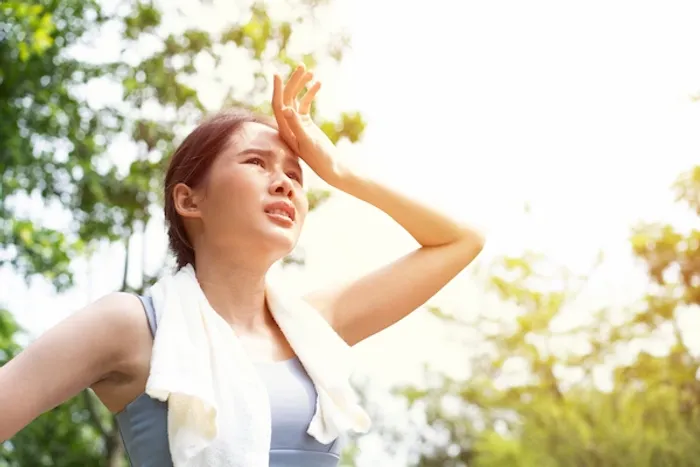
Long, hot days are part of summer fun, but extreme heat can be dangerous if you are not prepared. As temperatures rise, so does the strain on your body. These summer health tips can help you keep your body cool, stay hydrated and lower your risk of heat-related illnesses. Heat exhaustion and heatstroke may develop quickly in hot or humid weather and can affect anyone, regardless of age or fitness level. By adopting simple, science-aligned strategies, you can enjoy the season comfortably while making heatstroke prevention a daily habit rather than a last-minute reaction.
Consult a Top General Practitioner for Personalised Advice
Heat Risks at a Glance
Understanding the risks makes it easier to act early and protect yourself and others.
Who is at Higher Risk
- Older adults
- Infants and young children
- People who are pregnant
- Individuals with chronic conditions such as heart disease, lung disease or diabetes
- People taking certain medications such as diuretics, beta blockers, anticholinergics and antipsychotics
- People with obesity
- Outdoor workers, athletes and anyone spending prolonged time in direct heat
Heat-Related Illnesses
- Heat cramps: Painful muscle spasms that often occur during or after strenuous activity in hot weather.
- Heat exhaustion: Heavy sweating, pale or clammy skin, dizziness, nausea, headache or fainting.
- Heatstroke (medical emergency): High body temperature, hot or red skin, confusion, slurred speech, seizures or unconsciousness.
Act quickly if symptoms appear. Move to a cooler place, begin cooling measures and use the guidance in the emergency section below.
Smart Hydration: The Foundation of Staying Cool
Fluids help your body sweat efficiently and release heat. Making hydration a daily habit is one of the most powerful ways to protect yourself in hot weather.
- Drink regularly: Sip water throughout the day instead of waiting until you feel thirsty. Thirst often lags behind your body’s actual needs.
- Use urine colour as a guide: Pale yellow usually indicates good hydration, while darker colours may mean you need more fluids. Those with fluid restrictions should follow clinician guidance.
- Add electrolytes after heavy sweating: During prolonged activity lasting an hour or more, a sports drink or oral rehydration solution can help replace sodium and other electrolytes lost through sweat.
- What to limit: Alcohol and very sugary drinks can worsen dehydration. High-caffeine energy drinks may increase heart symptoms or discomfort in the heat.
- Avoid overhydration: Drinking excessive water without replacing electrolytes can dilute sodium levels, leading to hyponatraemia. Balance fluids appropriately during extended sweating.
Clothing and Sun Strategies
Your clothing choices and sun protection habits can significantly influence how well your body copes with heat.
- Choose lightweight, loose-fitting, light-coloured clothing made from breathable fabrics such as cotton, linen or moisture-wicking materials.
- Wear a wide-brimmed hat and UV-blocking sunglasses to reduce direct sun exposure.
- Apply broad-spectrum sunscreen with SPF 30 or higher and reapply regularly. Sunburn disrupts the skin’s cooling ability.
- Seek shade whenever possible, whether under trees, umbrellas or canopies, to limit exposure during peak heat.
How to Make Your Home and Car Heat-Safe?
A cooler living environment helps your body recover from the day’s heat and prevents heat exhaustion from developing indoors.
- Air conditioning is most effective: Spend the hottest parts of the day in air-conditioned spaces. If your home lacks AC, visit a shopping centre, community cooling centre or library.
- Fans have limits: Fans increase comfort but do not prevent heat-related illness during extreme heat. Cool showers, baths or damp cloths work better for rapid cooling.
- Keep your home cool: Close curtains or blinds on sun-facing windows and use reflective shades if available. Ventilate rooms at night when outdoor temperatures drop. Reduce oven or stove use during peak heat.
- Cool your body with water: Take cool showers or baths, mist your skin with water or place a damp cloth on your neck, wrists and ankles.
- Car safety: Never leave children, adults who need assistance or pets in a parked car. Temperatures rise dangerously fast, even with windows slightly open.
Time Your Activities and Move Wisely
Planning your day thoughtfully helps you avoid heat-related stress and maintain your energy.
- Check the forecast and heat advisories: The heat index, which combines temperature and humidity, gives a clearer picture of risk.
- Schedule outdoor activities early in the morning or later in the evening when temperatures are lower.
- Pace yourself: Gradually build up intensity rather than starting with strenuous activity.
- Follow the water, rest, shade rule: Essential for outdoor workers and athletes.
- Buddy up: Exercising or working with a partner helps you spot early signs of heat stress in each other.
Cooling Techniques
Quick methods can bring your temperature down and prevent heat exhaustion from progressing.
- Cool shower or bath: One of the fastest ways to lower your core temperature.
- Cold packs or cool cloths: Apply to the neck, armpits and groin where major blood vessels lie close to the skin.
- Evaporative cooling: Mist your skin lightly with water and sit near moving air when conditions are not extremely hot or humid.
- Feet in cool water: A simple but effective way to reduce temperature and discomfort.
- Hydrate and rest: Stop activity, move to a cooler area and sip fluids as appropriate.
Special considerations for higher-risk people
Some groups require extra planning to stay safe in hot climates.
Older adults
Reduced thirst response and less effective sweating make older adults more vulnerable. Regular check-ins during heatwaves can be lifesaving.
Infants and Young Children
Their bodies heat up faster, and they cannot regulate temperature as efficiently. Keep them cool, lightly dressed and hydrated appropriately. Never leave them in vehicles.
People Who are Pregnant
Heat stress can feel more intense, and dehydration may occur rapidly. Prioritise cooling measures, adequate hydration and rest. Check with your obstetric provider for personalised activity advice.
Chronic Conditions and Medications
Some medications influence fluid balance or sweating ability. Consult your clinician or pharmacist to understand how heat may interact with your treatment plan.
Workers and Athletes
Gradual heat acclimatisation over one to two weeks helps your body adapt. Increase exertion slowly, take scheduled breaks and ensure constant access to water and shade.
Community Care
Know your local cooling centres and community resources. Check on neighbours, especially those who live alone or have limited mobility.
What to do in Suspect Heat Exhaustion or Heatstroke?
Act immediately when symptoms arise.
If you Suspect Heat Exhaustion
- Signs: Heavy sweating, pale or clammy skin, weak pulse, nausea, muscle cramps, tiredness, dizziness, headache or fainting.
- What to do: Move to a cool place, loosen clothing, apply cool cloths or take a cool bath and sip water. If symptoms worsen or last more than an hour, or if the person has heart problems or is vomiting, seek medical attention.
If you Suspect Heatstroke
Heatstroke is a medical emergency.
- Signs: Body temperature above 39.4°C, hot red skin, rapid pulse, severe headache, confusion, slurred speech, seizures or loss of consciousness.
- What to do: Call emergency services immediately. Move the person to a cooler environment and begin rapid cooling with cool cloths or ice packs placed on the neck, armpits and groin. If possible, use a cool bath. Do not give anything to drink if the person is confused or unconscious.
Food and Drink Choices to Keep the Body Cool
Your diet affects how comfortable you feel in the heat.
- Lighter meals: Smaller, more frequent meals reduce metabolic heat produced during digestion.
- High-water foods: Watermelon, berries, oranges, cucumbers, tomatoes and leafy greens support hydration.
- Salt wisely: Replace sodium through food or suitable drinks if sweating heavily. Avoid salt tablets unless advised by a healthcare provider.
Every day Plan To Reduce Heat Plan
Preparation ensures you stay safe throughout the summer.
- Track your day: Identify the hottest hours and schedule errands or exercise during cooler periods.
- Prepare your space: Test fans and AC, stock water and electrolyte drinks and keep cool packs ready in the freezer.
- Share your plan: Let someone know your schedule if working or exercising outdoors and arrange check-ins.
- Stay informed: Monitor local heat advisories and air quality alerts.
Key Takeaways
- Hydrate regularly and add electrolytes during heavy sweating.
- Spend time in air-conditioned spaces during peak heat and use cool showers for rapid relief.
- Wear breathable clothing and protect your skin from the sun.
- Plan activities for cooler hours and rest in the shade.
- Recognise symptoms of heat exhaustion and heatstroke and act immediately.
Consult a Top General Practitioner for Personalised Advice
Consult a Top General Practitioner for Personalised Advice


Dr Summaiya Banu
General Practitioner
8 Years • MBBS
Hyderabad
Apollo 24|7 Clinic, Hyderabad

(325+ Patients)

Dr. Shesham Srinidhi
General Practitioner
5 Years • MD(physician)
Hyderabad
Apollo 24|7 Clinic, Hyderabad
(175+ Patients)

Dr. Vasanthasree Nair
General Practitioner
15 Years • MBBS
Angamaly
Apollo 24|7 Clinic - Kerala, Angamaly
(550+ Patients)

Dr Suseela
General Physician
5 Years • MBBS
Bengaluru
Apollo Medical Center, Marathahalli, Bengaluru

Dr. Rajib Ghose
General Physician/ Internal Medicine Specialist
25 Years • MBBS
East Midnapore
VIVEKANANDA SEBA SADAN, East Midnapore
Consult a Top General Practitioner for Personalised Advice
Dr Summaiya Banu
General Practitioner
8 Years • MBBS
Hyderabad
Apollo 24|7 Clinic, Hyderabad
(325+ Patients)
Dr. Shesham Srinidhi
General Practitioner
5 Years • MD(physician)
Hyderabad
Apollo 24|7 Clinic, Hyderabad
(175+ Patients)
Dr. Vasanthasree Nair
General Practitioner
15 Years • MBBS
Angamaly
Apollo 24|7 Clinic - Kerala, Angamaly
(550+ Patients)
Dr Suseela
General Physician
5 Years • MBBS
Bengaluru
Apollo Medical Center, Marathahalli, Bengaluru
Dr. Rajib Ghose
General Physician/ Internal Medicine Specialist
25 Years • MBBS
East Midnapore
VIVEKANANDA SEBA SADAN, East Midnapore
More articles from General Medical Consultation


Frequently Asked Questions
How much water should I drink in the heat?
There is no universal amount, but aim to drink regularly and watch for pale yellow urine. Those with medical restrictions should get personalised guidance.
Are fans enough during extreme heat?
Fans offer comfort but may not prevent heat-related illness in very hot, humid conditions. Air conditioning or cool showers are more effective.
What’s better: water or sports drinks?
Water is ideal for most activities. Sports drinks or oral rehydration solutions are useful when sweating heavily for an hour or more.
Does caffeine dehydrate you in hot weather?
Moderate caffeine is not strongly dehydrating for most people, but sugary or highly caffeinated drinks are not ideal in extreme heat. Prioritise water.
What clothing helps keep the body cool outdoors?
Lightweight, loose-fitting, light-coloured and breathable fabrics help maintain cooling. Combine with hats, sunglasses and shade.