


Honeynut Squash: Nutritional Benefits & Culinary Uses
Explore honeynut squash nutrition, vitamin A foods benefits, and healthy squash recipes. Learn how to buy, store, prep, and cook this sweet winter squash.

Written by Dr. Mohammed Kamran
Reviewed by Dr. Shaik Abdul Kalam MD (Physician)
Last updated on 14th Jan, 2026
Introduction
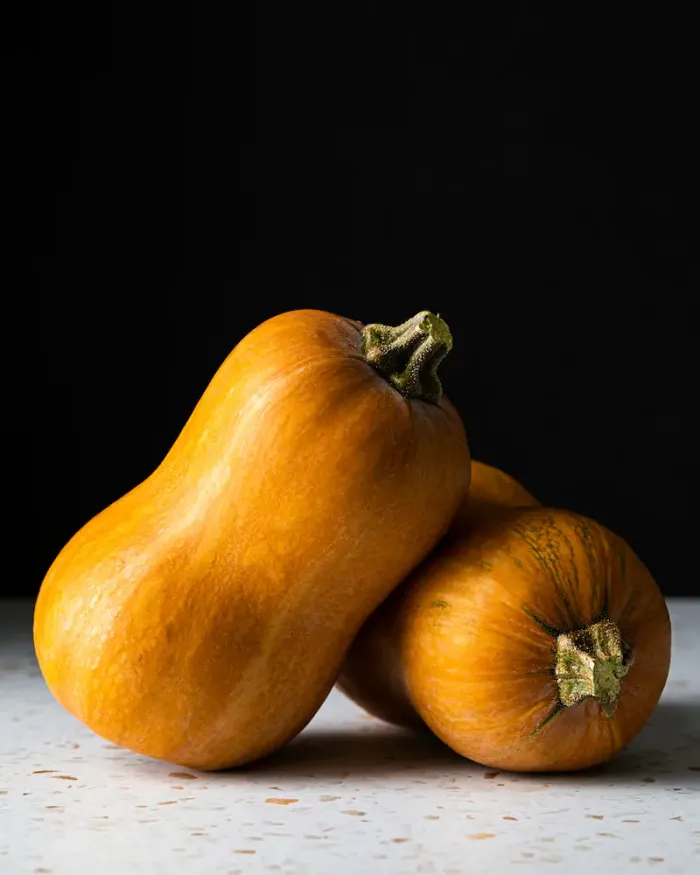
Sweet, small, and richly orange, honeynut squash is a standout winter squash that combines convenience with exceptional flavour and nutrient density. For anyone aiming to incorporate more vegetables into daily meals, add reliable Vitamin A foods to their diet, or explore healthy squash recipes suitable for all ages, honeynut squash is an excellent choice. Its vibrant colour signals its nutrient richness, particularly beta-carotene, the precursor to vitamin A, along with fibre, potassium, vitamin C, and complex carbohydrates. When included within a varied, balanced eating pattern, honeynut squash supports overall health while offering satisfying versatility in the kitchen.Consult a Top Nutritionist for Personalised Advice
What Is Honeynut Squash?
Honeynut squash is a smaller, sweeter relative of butternut squash. Its compact size allows for faster cooking, easier preparation, and convenient portioning, especially during busy weeknights. The thin, edible skin softens well during roasting, while the deep orange flesh provides naturally sweet, nutty notes that elevate both simple and elaborate dishes. As a winter squash harvested in autumn, it stores well, making it a dependable ingredient throughout the colder months.
Key Characteristics
• Compact size, typically 4–6 inches long, which supports quick preparation.
• Thin skin that becomes tender during cooking and is generally edible.
• Deep orange flesh with sweet, nutty flavour and a creamy texture.
• Excellent storage potential, similar to other winter squashes.
Honeynut Squash Nutrition: A Standout Vitamin A Food
Honeynut squash is well known for its concentration of beta-carotene, a carotenoid that the body converts into vitamin A as needed. Vitamin A is an essential nutrient that supports vision, immune function, skin maintenance, and normal cellular growth. In addition to beta-carotene, honeynut squash contains dietary fibre, potassium, vitamin C, and complex carbohydrates—nutrients that many individuals benefit from consuming in greater amounts through vegetables and fruits.
Key Nutrients At A Glance
• Beta-carotene (provitamin A): Abundant in orange vegetables and converted by the body into vitamin A.
• Fibre: Supports digestive regularity, gut health, and feelings of fullness.
• Potassium: Helps maintain fluid balance and contributes to healthy blood pressure levels.
• Vitamin C: Supports immune function and assists with iron absorption from plant foods.
• Complex carbohydrates: Provide steady, sustained energy alongside dietary fibre.
How These Nutrients Support Health?
• Vision and immunity: Beta-carotene, converted to vitamin A, is essential for normal visual function and immune system regulation.
• Heart health: Adequate potassium intake and higher vegetable consumption are associated with overall cardiovascular wellness.
• Digestive health: Fibre aids regularity, supports beneficial gut bacteria, and helps maintain digestive comfort.
• Skin health: Vitamin A and vitamin C play significant roles in skin renewal and collagen integrity.
No single food can prevent or treat medical conditions; benefits come from a diverse, plant-forward eating pattern with a wide range of vegetables, fruits, whole grains, proteins, and healthy fats.
How To Buy, Store And Prepare Honeynut Squash
Tips to buy, store and prepare honeynut squash include:
Buying Tips
• Select firm squash with matte tan-to-caramel skin.
• Ensure the stem is intact and dry.
• Choose squash that feels heavy for its size, indicating dense, flavourful flesh.
Storage
• Whole squash: Store in a cool, dark, well-ventilated space outside the refrigerator. Use within a few weeks.
• Cut squash: Refrigerate in an airtight container and use within 3–5 days.
• Cooked squash: Refrigerate for up to 4 days or freeze for 2–3 months.
Preparation Basics
• Wash and thoroughly dry before preparing.
• Peeling is optional as the skin softens during roasting.
• Slice lengthwise, remove the seeds, and reserve them for roasting.
Healthy Squash Recipes: Easy Ways To Cook Honeynut
Healthy squash recipes include:
Roasted Honeynut Halves
• Halve the squash, scoop seeds, brush with olive oil, and season lightly.
• Roast cut side down at 200–220°C for 25–35 minutes until tender.
• Serve as roasted halves or scoop for soups, mash, or spreads.
Sheet-Pan Cubes
• Peel if preferred and cut into 1-inch cubes.
• Toss with olive oil, salt, pepper, and spices such as cinnamon, chilli powder, garlic, or smoked paprika.
• Roast at 220°C for 20–30 minutes, turning once.
• Add to salads, grain bowls, tacos, or omelettes.
Silky Honeynut Soup
• Sauté onion, carrot, and garlic in olive oil.
• Add cubed honeynut, broth, and salt.
• Simmer until soft and blend to a smooth consistency.
• Finish with yoghurt and toasted seeds.
Creamy “No-Cream” Pasta Sauce
• Roast the flesh until soft, then blend with sautéed garlic, broth, olive oil, and nutmeg.
• Combine with whole-grain pasta and steamed greens.
• Add white beans or chicken for additional protein.
Stuffed Honeynut Boats
• Roast halved squash until slightly tender.
• Fill with cooked quinoa, kale, mushrooms, herbs, and nuts or seeds.
• Bake until heated through and finish with pesto or feta.
Breakfast Bake Or Pancakes
• Mix mashed honeynut into oatmeal or pancake batter for sweetness and colour.
• Add spices such as cinnamon and ginger with nuts or seeds.
Taco Or Salad Upgrade
• Season roasted cubes with cumin and lime for tacos with beans and slaw.
• Add to a salad with apples, arugula, goat cheese, and balsamic dressing.
Crispy Roasted Seeds
• Rinse and dry the seeds thoroughly.
• Toss with a small amount of oil and salt.
• Roast at 150°C for 15–25 minutes until golden.
Smart Pairings For Balanced Meals
Smart pairings include:
• Protein: Beans, lentils, tofu, eggs, fish, or lean meats for balanced meals.
• Healthy fats: Olive oil, nuts, seeds, or avocado to support beta-carotene absorption.
• Fibre-rich sides: Serve with leafy greens, whole grains, or additional colourful vegetables.
Honeynut Squash Nutrition For Different Lifestyles
Different ways to relish the squash nutrition are:
Family-Friendly
• Naturally sweet, smooth, and easy to blend into sauces, soups, and pancakes.
Plant-Forward Or Vegetarian
• Provides fibre and beta-carotene; pair with legumes and whole grains for balanced meals.
Budget-Conscious
• Versatile and cost-effective, particularly when incorporated into soups, sauces, and batch-cooked dishes.
Meal-Prep Focused
• Roast a large batch and use throughout the week in salads, pastas, grain bowls, or breakfast dishes.
Quick Tips to Boost Nutrient Absorption and Enjoyment
Quick tips include:
1. Add a little fat: A drizzle of olive oil or a sprinkle of nuts/seeds helps your body absorb beta-carotene.
2. Go savoury or sweet: Honeynut pairs well with warm spices (cumin, smoked paprika, curry), as well as cinnamon or nutmeg.
3. Mix textures: Combine creamy mashed honeynut with crunchy toppings like toasted seeds or roasted chickpeas.
4. Keep it colourful: Build meals with varied colours greens, reds, purplesnto diversify nutrients, flavours, and visual appeal.
The Bottom Line
Honeynut squash is a tasty, versatile vegetable that makes it easy to eat more plants. It delivers beta-carotene (a vitamin A precursor), fibre, potassium, and vitamin C nutrients linked with benefits for vision, immunity, digestion, and heart health when eaten as part of an overall balanced diet. Whether you roast it for simple sides, spin it into soups and sauces, or fold it into grain bowls and tacos, honeynut makes Healthy squash recipes both easy and craveable. If you’re building a list of Vitamin A foods to enjoy more often, this little squash deserves a spot
Consult a Top Nutritionist for Personalised Advice
Consult a Top Nutritionist for Personalised Advice

Dr. Ramalinga Reddy
General Physician
5 Years • MBBS MD General medicine
Bengaluru
PRESTIGE SHANTHINIKETAN - SOCIETY CLINIC, Bengaluru

Dt. Ila Sharma
Clinical Nutritionist
18 Years • Master in food & Nutrition
Gurugram
VIPUL GREENS - SOCIETY CLINIC, Gurugram
Ms. Bhavana Shetty
Dietician
7 Years • DDHN & Masters in Clinical Nutrition & Dietetics
Bangalore
Apollo Sugar Clinic, Seetha circle bangalore, Bangalore

Dt. Prabhavathy
Clinical Nutritionist
8 Years • Msc Human Nutrition & Nutraceuticals
Madurai
Apollo Sugar Clinics, Madurai, Madurai

Dr Sumanth R
General Physician
2 Years • MBBS
Bengaluru
PRESTIGE SHANTHINIKETAN - SOCIETY CLINIC, Bengaluru
Consult a Top Nutritionist for Personalised Advice
Dr. Ramalinga Reddy
General Physician
5 Years • MBBS MD General medicine
Bengaluru
PRESTIGE SHANTHINIKETAN - SOCIETY CLINIC, Bengaluru
Dt. Ila Sharma
Clinical Nutritionist
18 Years • Master in food & Nutrition
Gurugram
VIPUL GREENS - SOCIETY CLINIC, Gurugram
Ms. Bhavana Shetty
Dietician
7 Years • DDHN & Masters in Clinical Nutrition & Dietetics
Bangalore
Apollo Sugar Clinic, Seetha circle bangalore, Bangalore
Dt. Prabhavathy
Clinical Nutritionist
8 Years • Msc Human Nutrition & Nutraceuticals
Madurai
Apollo Sugar Clinics, Madurai, Madurai
Dr Sumanth R
General Physician
2 Years • MBBS
Bengaluru
PRESTIGE SHANTHINIKETAN - SOCIETY CLINIC, Bengaluru
More articles from General Medical Consultation



Frequently Asked Questions
Is honeynut squash the same as butternut?
They’re closely related, but honeynut is smaller, typically sweeter, and has a thin skin that softens with roasting. You can use honeynut in most recipes that call for butternut.
Is honeynut squash a good source of vitamin A?
Yes. Like other orange-fleshed squashes, honeynut is rich in beta-carotene, which the body converts to vitamin A. This makes it a helpful addition to a diet that includes Vitamin A foods.
Can I eat the skin of honeynut squash?
Usually yes. When roasted, the skin becomes tender and is generally edible. If you prefer a smoother texture, you can peel it before cooking.
Is honeynut squash OK for people monitoring carbohydrates?
Winter squash is a starchy vegetable, so it contains more carbohydrates than non-starchy vegetables. Portion size matters. Pair honeynut with protein, healthy fats, and non-starchy vegetables for balance. If you have specific health conditions or nutrition goals, speak with a registered dietitian or your healthcare provider.
How do I store honeynut squash, and how long does it last?
Store whole squash in a cool, dark, ventilated place and use within a few weeks for best quality. Refrigerate cut or cooked squash and use within several days. Cooked squash also freezes well for a few months.