



Instant Home Remedies to Relieve Digestive Problems Naturally
Soothe digestive issues fast with safe, science-backed stomach relief remedies to try at home—plus prevention tips and when to see a doctor.

Written by Dr. Dhankecha Mayank Dineshbhai
Reviewed by Dr. Rohinipriyanka Pondugula MBBS
Last updated on 13th Jan, 2026
Introduction
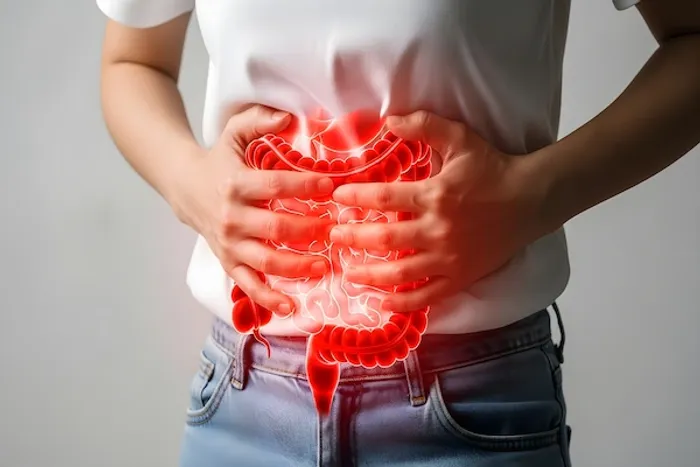
Most of us experience digestive issues at some point—bloating before bed, sudden diarrhea after a meal, or a burning wave of heartburn. The good news: many stomach relief remedies are simple, safe, and can be done at home within minutes. This guide walks you through what to try first, what to eat and avoid, and how to prevent future flare-ups, all based on reputable medical sources. You will also learn when it is time to call a healthcare professional.
What might be causing the discomfort right now?
- A heavy or high-fat meal can slow stomach emptying and trigger reflux or indigestion.
- Viral infections, foodborne germs, or new foods can cause short-term diarrhea.
- Low fiber intake, dehydration, or inactivity can lead to constipation.
- Stress can tighten gut muscles and worsen symptoms due to the brain–gut connection.
Quick stomach relief remedies you can try now
- Sip smart: Rehydrate and calm the gut
- Start with small, frequent sips of fluids. Water, diluted fruit juice, broths, or an oral rehydration solution (ORS) help replace fluids and electrolytes, especially during diarrhea.
- Make a simple ORS at home if needed: mix clean water with a measured amount of salt and sugar, or use a premixed packet. ORS is a World Health Organization–endorsed approach to prevent dehydration from diarrhea.
- Limit alcohol and caffeine during acute symptoms, as they can worsen dehydration and irritation.
Soothe with heat and gentle positions
- Place a warm heating pad or hot water bottle on your abdomen for 10–15 minutes to relax tight muscles and ease cramps.
- For nausea, sit upright and avoid lying flat. For gas discomfort, try lying on your left side to help gas pass and reduce pressure.
Move a little to move things along
- A 10–20 minute walk can stimulate gut motility, helping with gas and mild constipation.
- Gentle yoga poses like knees-to-chest or seated twists may relieve bloating.
Herbal sips: Ginger or peppermint (with a simple caution)
- Ginger tea or thin slices of fresh ginger in hot water can help nausea and indigestion.
- Peppermint tea can relax intestinal muscles and ease cramping. If you have frequent heartburn or reflux, avoid peppermint because it can relax the lower esophageal sphincter and worsen symptoms.
Health Topic Carousel:
Doctor Speciality: Dietetics
Text: Consult Top Specialists
Food fixes for common digestive issues
When diarrhea hits?
- Focus on hydration first, using water, broths, or ORS.
- Eat small amounts of bland, low-fat, low-fiber foods as you feel ready: bananas, rice, applesauce, toast, plain crackers, boiled potatoes, or plain yogurt with live cultures.
- Avoid greasy foods, very spicy dishes, alcohol, and high-sugar drinks until stools normalize.
- Probiotics may help shorten the duration of infectious diarrhea in some cases. Choose yogurt with live cultures or a reputable probiotic product if available.
When are you constipated?
- Drink water throughout the day; aim for consistent hydration to soften stools.
- Add fiber gradually. Helpful choices include oats, beans, lentils, chia seeds, ground flaxseed, fruits (berries, pears, prunes), and vegetables. Increase slowly to avoid extra gas.
- Consider psyllium husk (a soluble fiber) mixed in water. It can help create soft, easy-to-pass stools.
- Pair fiber with movement: a post-meal walk can trigger the gastrocolic reflex and support regularity.
When are gas and bloating the problem?
- Eat slowly, avoid gulping air, and skip carbonated drinks until you feel better.
- Try smaller, more frequent meals rather than large plates.
- Limit common gas producers temporarily: beans, onions, garlic, cruciferous vegetables, and sugar alcohols (sorbitol, mannitol) in sugar-free gum or candies. A warm compress on the abdomen and gentle movement can help release trapped gas.
When does heartburn or acid reflux flare?
- Eat smaller meals and avoid lying down for at least 2–3 hours after eating.
- Identify and limit personal triggers. Common ones include high-fat foods, spicy dishes, citrus, chocolate, caffeine, alcohol, peppermint, and tomato-based sauces.
- Elevate the head of your bed by 6–8 inches if nighttime reflux is common.
- Wear loose clothing around the abdomen to reduce pressure.
Consult Top Specialists
Natural supports with evidence
Probiotics and fermented foods
- Probiotics (beneficial bacteria) may reduce the severity and duration of some infectious diarrhea and may support symptoms of irritable bowel syndrome (IBS) for some people.
- Everyday options include yogurt with live cultures, kefir, and fermented foods like sauerkraut or kimchi. If you are immunocompromised or have a serious illness, ask your clinician before using probiotic supplements.
Fiber done right
- Most adults do not get enough fiber. A gradual increase toward about 25–38 grams daily (from foods and, if needed, supplements) supports regularity and overall gut health.
- Soluble fiber (e.g., psyllium, oats) can help both diarrhea and constipation by normalizing stool consistency.
Peppermint oil capsules for IBS
- Enteric-coated peppermint oil capsules can reduce IBS-related abdominal pain and bloating.
- They relax smooth muscle in the gut.
- Do not use peppermint to worsen your reflux, and avoid non-enteric-coated products, which can irritate the stomach.
Ginger for nausea and dyspepsia
- Ginger has evidence for easing nausea (e.g., motion sickness, pregnancy-related nausea) and may help some indigestion symptoms.
- Try ginger tea or small amounts of crystallized ginger. If you take blood-thinning medication, talk with your clinician before using concentrated ginger supplements.
Low-FODMAP approach for persistent symptoms
- Some people with IBS improve on a low-FODMAP diet, which reduces certain fermentable carbohydrates that can cause gas, pain, and diarrhea.
- This is best done short-term with guidance from a dietitian to ensure nutritional balance and proper reintroduction.
Prevention habits that keep your gut calm
Smart mealtime habits
- Eat slowly, chew thoroughly, and avoid overeating.
- Space meals evenly through the day instead of skipping meals and then eating large portions.
Stress-gut connection
- Stress management can meaningfully reduce symptom flares. Try 5–10 minutes of deep breathing, a brief walk, or a mindfulness app daily.
- Adequate sleep supports a healthier gut rhythm.
Food safety basics
- Wash your hands before eating and preparing food.
- Keep hot foods hot and cold foods cold, avoid cross-contamination, and refrigerate leftovers promptly.
- When traveling, choose safe water sources and cooked foods.
OTC helpers you can consider (short term)
- Antacids or H2 blockers for occasional heartburn.
- Simethicone for gas bubbles.
- Loperamide for short-term, non-bloody diarrhea (avoid if you have fever, blood in stool, or suspected food poisoning from bacteria requiring medical care).
- Always follow labels and avoid long-term use without medical advice.
When to call a doctor or seek urgent care?
Call your clinician if you notice:
- Severe or worsening abdominal pain, or pain with a rigid abdomen
- High fever, repeated vomiting, or signs of dehydration (very dark urine, dizziness, confusion)
- Blood in vomit or stool, or black, tarry stools
- Diarrhea lasting more than 2–3 days in adults or any dehydration signs in children or older adults
- Unintentional weight loss, trouble swallowing, or persistent heartburn despite over-the-counter options
- New digestive issues if you are pregnant, over age 60, immunocompromised, or have significant medical conditions
Consult Top Specialists
Consult Top Specialists

Dr Darshana R
General Physician/ Internal Medicine Specialist
15 Years • MBBS, MD, DNB (Internal Medicine), Diploma in Allergy, Asthma and Immunology , Fellowship in Diabetes
Bengaluru
Apollo Clinic, JP nagar, Bengaluru

(125+ Patients)

Ms. Sreeparna Dey Dhara Deb
Dietician
10 Years • DNHE
Bansdroni
Siddhita Healthcare., Bansdroni

Dr Shivakumar M P
General Physician/ Internal Medicine Specialist
31 Years • MBBS MD
Bengaluru
Apollo Clinic, JP nagar, Bengaluru

Dr. Suresh G
General Physician/ Internal Medicine Specialist
25 Years • MBBS, MD
Bangalore
Apollo Clinic Bellandur, Bangalore
(250+ Patients)

Ms. Soma Saha
clinical nutrition
17 Years • B.Sc. - Home Science (Food & Nutrition), M.Sc. - Home Science (Food & Nutrition)
Kolkata
Dr Utsa Basu Clinic, Kolkata
(75+ Patients)
Consult Top Specialists
Dr Darshana R
General Physician/ Internal Medicine Specialist
15 Years • MBBS, MD, DNB (Internal Medicine), Diploma in Allergy, Asthma and Immunology , Fellowship in Diabetes
Bengaluru
Apollo Clinic, JP nagar, Bengaluru
(125+ Patients)
Ms. Sreeparna Dey Dhara Deb
Dietician
10 Years • DNHE
Bansdroni
Siddhita Healthcare., Bansdroni
Dr Shivakumar M P
General Physician/ Internal Medicine Specialist
31 Years • MBBS MD
Bengaluru
Apollo Clinic, JP nagar, Bengaluru
Dr. Suresh G
General Physician/ Internal Medicine Specialist
25 Years • MBBS, MD
Bangalore
Apollo Clinic Bellandur, Bangalore
(250+ Patients)
Ms. Soma Saha
clinical nutrition
17 Years • B.Sc. - Home Science (Food & Nutrition), M.Sc. - Home Science (Food & Nutrition)
Kolkata
Dr Utsa Basu Clinic, Kolkata
(75+ Patients)
More articles from General Medical Consultation


.webp)

Frequently Asked Questions
What is the fastest home remedy for sudden indigestion?
Try these steps: stop eating for 1–2 hours, sip warm water or ginger tea, avoid lying down, and go for a short walk. If you have reflux, avoid peppermint. If pain is severe or persistent, seek medical advice.
Are “BRAT” diet foods still recommended for diarrhea?
The BRAT foods (bananas, rice, applesauce, toast) can be easy on the stomach for a short time, but they are not nutritionally complete. Focus first on hydration (water, broths, or ORS), then add bland, low-fat foods and yogurt with live cultures as you improve.
Can probiotics help with digestive issues quickly?
Probiotics may shorten the duration of some infectious diarrhea and help some IBS symptoms, but effects vary by strain and person. Yogurt with live cultures is a simple starting point. If you have a serious illness or weak immune system, talk to your doctor first.
Is ginger safe for stomach relief?
In food and tea amounts, ginger is generally safe and can help nausea and mild indigestion. If you take blood thinners, have gallstones, or plan to use concentrated supplements, check with your healthcare professional.
What’s a natural option for IBS cramping?
Enteric-coated peppermint oil capsules can ease IBS-related cramping and bloating. Avoid if you have significant reflux, and look for enteric-coated products to reduce heartburn risk.