


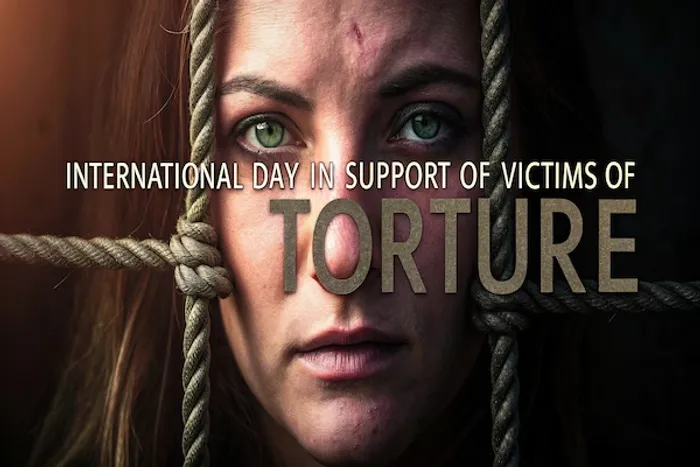
International Day in Support of Victims of Torture: Significance and Awareness
Why anti-torture awareness matters for health. Mark this Human Rights Day with facts, recovery tips, and ways to support survivors.

Written by Dr. Siri Nallapu
Reviewed by Dr. Md Yusuf Shareef MBBS, Advanced Certificate Course in Dermatology
Last updated on 13th Jan, 2026
Introduction
Every year on 26 June, the world observes the International Day in Support of Victims of Torture. This global human rights observance shines a light on survivors’ dignity, health, and rights, and it calls on governments, professionals, and communities to stand firmly against torture in all its forms. While many people are familiar with the December Human Rights Day, fewer recognise that this June observance focuses specifically on anti-torture awareness, rehabilitation, and the long-term recovery needs of survivors. Understanding the profound health consequences of torture—and learning how to support recovery—helps families, clinicians, and societies respond with compassion, evidence-based care, and respect.
What Is the International Day in Support of Victims of Torture?
The United Nations established this observance to honour survivors, reinforce the absolute prohibition of torture, and promote access to rehabilitation services. The date, 26 June, marks the day the UN Convention against Torture entered into force—a milestone that affirmed the global commitment to prevent torture and ensure care for those who have endured it.
Consult a Top General Practitioner for Personalised Advice
Why It Matters for Health
It matters due to:
- Torture has severe and lasting effects on physical, psychological, and social health.
- Many survivors face barriers to care, including stigma, mistrust, language challenges, and displacement.
- Health professionals and communities play an essential role by offering trauma-informed, culturally respectful support.
- Anti-torture awareness strengthens public understanding, reduces stigma, and promotes access to treatment.
Human rights and health are deeply intertwined. Survivors deserve safety, dignity, and access to care that restores wellbeing without judgment or discrimination. Observing this Human Rights Day keeps those priorities visible and urgent.
Health Consequences of Torture: What Survivors May Face
Torture affects the entire person—body, mind, and social functioning. Experiences and symptoms vary widely, depending on the type of trauma, health before the event, available support, and the environment in which survivors attempt to rebuild their lives.
Mental Health Impacts
Mental health impacts include:
- Post-traumatic stress disorder (PTSD): intrusive memories, nightmares, flashbacks, avoidance behaviours, hyperarousal, and emotional numbness.
- Depression and anxiety: persistent sadness, irritability, loss of interest, worry, fearfulness, and difficulty concentrating.
- Sleep problems: insomnia, fragmented sleep, early-morning waking, or disturbing dreams.
- Somatic symptoms: headaches, stomach discomfort, unexplained fatigue, or physical pain with no clear medical cause.
- Substance use challenges: sometimes used to cope with distressing memories, sleep problems, or emotional pain.
Evidence-based treatments such as trauma-focused cognitive behavioural therapy (TF-CBT) and eye movement desensitisation and reprocessing (EMDR) can significantly reduce PTSD symptoms. Some individuals may benefit from medications such as certain antidepressants when prescribed by a qualified clinician.
Physical Health Impacts
Physical health impacts include:
- Musculoskeletal injuries: fractures, soft-tissue damage, joint issues, and long-term neck or back pain.
- Neurological effects: persistent headaches, dizziness, or symptoms related to traumatic brain injury.
- Chronic pain syndromes: pain that may be widespread or localised, often exacerbated by stress, sleep disruption, or emotional strain.
- Cardiovascular and metabolic effects: long-term stress can increase blood pressure, affect heart health, and influence blood sugar regulation.
- Dental and oral injuries: broken or missing teeth, jaw pain, and chronic oral discomfort.
- Sexual and reproductive health concerns: pelvic pain, sexual dysfunction, and reproductive issues linked to physical trauma or chronic stress.
Social and Functional Effects
Social and functional effects include:
- Difficulty focusing, studying, or working, especially in unfamiliar environments.
- Isolation, withdrawal, or loss of trust in others, including helpers and professionals.
- Language and cultural barriers, particularly problematic for those displaced or seeking asylum.
- Legal, housing, or employment challenges after forced migration.
Recognising Signs and Knowing When to Seek Help?
If you or someone you care about has survived torture or severe trauma, consider seeking support if you notice:
- Persistent nightmares, intrusive memories, or avoidance of reminders.
- Ongoing anxiety, sadness, irritability, or emotional numbness.
- Difficulty sleeping, concentrating, remembering, or completing daily tasks.
- Unexplained chronic pain, frequent headaches, or physical tension.
- Withdrawal from family, friends, or previously enjoyed activities.
- Thoughts of self-harm or feelings of hopelessness.
If there is any immediate danger or concern about self-harm, contact emergency services or a crisis support line without delay. Otherwise, a good starting point is a primary care clinician or mental health professional. They can assess symptoms, provide initial support, and refer to trauma specialists as needed.
How Healthcare Can Support Survivors: A Trauma-Informed Approach
A trauma-informed approach recognises that trauma can shape the way people perceive threats, trust others, and engage with care. It prioritises safety, choice, and empowerment.
Key Principles
Safety first:
- Provide a calm, private environment.
- Offer options such as interpreters or a support person.
Trust and transparency:
- Explain processes clearly.
- Avoid unnecessary or graphic questioning that could retraumatise.
Choice and collaboration:
- Always ask permission before examinations.
- Allow the survivor to set the pace and express preferences.
Empowerment:
- Highlight strengths and resilience.
- Support survivors in identifying meaningful goals.
Evidence-Based Treatments and Supports
Psychological therapies:
- Trauma-focused CBT and EMDR have strong evidence for reducing PTSD symptoms in adults.
- Other options include narrative exposure therapy, structured group therapy, and culturally tailored approaches.
Medications:
Certain antidepressants (such as SSRIs), under a clinician's supervision, can help manage depression, anxiety, and some PTSD symptoms.
Integrated care:
Combining mental health treatment with primary care, physical therapy, pain management, and social services supports holistic recovery.
Sleep and pain strategies:
Sleep hygiene routines, relaxation exercises, graded activity, and physical therapy (when appropriate) may ease insomnia and chronic pain.
Practical Tips for Survivors: Caring for Your Health
- Recovery takes time, but small steps can make a meaningful difference.
- Establish gentle, predictable routines for waking, meals, and sleep.
- Use grounding techniques such as slow breathing or focusing on sensory details.
- Engage in light movement—walking, stretching, or gentle yoga when medically appropriate.
- Support sleep with calming routines, reduced caffeine, and a restful sleep environment.
- Maintain regular meals and hydration to support physical and emotional energy.
- Seek connection with supportive people or culturally familiar groups.
- Limit exposure to violent or distressing media if it increases anxiety.
- Reach out to healthcare professionals when symptoms interfere with daily life.
How Families and Friends Can Help?
They may help in the following ways:
- Listen without pressing for details; allow survivors to choose what and when to share.
- Offer validating statements such as: “I’m sorry you went through that. I’m here for you.”
- Provide practical support—transport, help with paperwork, or childcare.
- Respect boundaries, privacy, and personal space.
- Encourage professional help without pressure and offer to accompany them if they wish.
Community Actions for Anti-Torture Awareness
Anti-torture awareness includes:
- Share accurate information about the health impacts of torture and available treatments.
- Support organisations that provide rehabilitation, legal aid, and trauma-informed care.
- Advocate for interpreter services and provider training in trauma-informed practice.
- Encourage schools, workplaces, and community centres to adopt trauma-informed policies.
- Amplify survivor-led voices when safe and consensual to do so.
Anti-torture awareness is not only about condemning abuse—it is also about ensuring that survivors have access to the safety, dignity, and care needed for healing.
How does This Day relate to Human Rights Day?
Human Rights Day, observed on 10 December, marks the adoption of the Universal Declaration of Human Rights. The International Day in Support of Victims of Torture on 26 June focuses specifically on the absolute prohibition of torture and the right to rehabilitation. Together, these observances emphasise universal principles of dignity, equality, and health.
Conclusion
The International Day in Support of Victims of Torture is a reminder that healing requires both justice and compassionate care. Torture causes profound physical, emotional, and social harm, yet recovery is possible with safety, support, and evidence-based treatment. By raising awareness, strengthening trauma-informed care, and standing alongside survivors, communities help create conditions where dignity and well-being can be restored. Everyone has a role to play in ensuring that survivors receive the respect, healing opportunities, and human rights protections they deserve.
Consult a Top General Practitioner for Personalised Advice
Consult a Top General Practitioner for Personalised Advice

Dr. Renu Saraogi
General Physician/ Internal Medicine Specialist
21 Years • MBBS, PGDFM
Bangalore
Apollo Clinic Bellandur, Bangalore

(275+ Patients)

Dr. Kaushik Chakraborty
General Practitioner
23 Years • MBBS
Kolkata
Dr Kaushik Chakraborty, Kolkata

Dr. Gunashree V L
General Physician/ Internal Medicine Specialist
3 Years • MBBS
Bengaluru
Apollo Clinic, JP nagar, Bengaluru

Dr. Avijit Dey
General Practitioner
30 Years • MBBS
Avenue
Wellness Point, Avenue

Dr Suseela
General Physician
5 Years • MBBS
Bengaluru
Apollo Medical Center, Marathahalli, Bengaluru
Consult a Top General Practitioner for Personalised Advice
Dr. Renu Saraogi
General Physician/ Internal Medicine Specialist
21 Years • MBBS, PGDFM
Bangalore
Apollo Clinic Bellandur, Bangalore
(275+ Patients)
Dr. Kaushik Chakraborty
General Practitioner
23 Years • MBBS
Kolkata
Dr Kaushik Chakraborty, Kolkata
Dr. Gunashree V L
General Physician/ Internal Medicine Specialist
3 Years • MBBS
Bengaluru
Apollo Clinic, JP nagar, Bengaluru
Dr. Avijit Dey
General Practitioner
30 Years • MBBS
Avenue
Wellness Point, Avenue
Dr Suseela
General Physician
5 Years • MBBS
Bengaluru
Apollo Medical Center, Marathahalli, Bengaluru
More articles from General Medical Consultation





Frequently Asked Questions
Is the International Day in Support of Victims of Torture the same as Human Rights Day?
No. Human Rights Day is observed on 10 December, while 26 June specifically raises anti-torture awareness and highlights the right to rehabilitation for survivors.
What health problems are common after torture?
Many survivors experience PTSD, depression, anxiety, sleep disturbances, chronic pain, or injuries such as fractures and head trauma. Evidence-based psychological therapies and, for some, medications can help reduce symptoms.
Can people recover from the effects of torture?
Yes. With safety, supportive relationships, and evidence-based care—such as trauma-focused CBT or EMDR—many survivors experience meaningful improvements in wellbeing and functioning.
How can I support someone who might be a survivor?
Listen gently, avoid pressing for details, offer practical help, and encourage professional support. Respect their pace and autonomy.
When should someone seek professional help?
Professional support is recommended whenever symptoms are persistent, distressing, or interfere with daily life. Urgent help is required if there is immediate danger or thoughts of self-harm.