


Is Ginger Ale Good for You? Facts, Myths & Benefits
Is ginger ale good for you? Explore Ginger Ale benefits, common Ginger Ale myths, risks, and Healthy drinks swaps backed by trusted medical sources.

Written by Dr. Mohammed Kamran
Reviewed by Dr. Rohinipriyanka Pondugula MBBS
Last updated on 13th Jan, 2026
Introduction
If you reach for ginger ale when your stomach feels off, you’re not alone. Ginger is a time-tested remedy for nausea, but is the soda version actually helpful? This guide breaks down Ginger Ale benefits, common Ginger Ale myths, and practical choices for Healthy drinks, using only trustworthy, up-to-date medical sources.
What Is Ginger Ale, Really?
Commercially available ginger ale is primarily a carbonated soft drink; the amount of actual ginger used in the flavouring is often negligible.Ginger ale is a carbonated soft drink flavoured with ginger. Most commercial versions contain:
• Carbonated water
• Sweeteners (sugar, high-fructose corn syrup, or non-sugar sweeteners in “diet” versions)
• Natural flavours and sometimes “ginger extract”
• Acids (like citric acid)
• Preservatives
Ginger Ale Benefits: What Does Science Say?
When assessing the health effects of ginger ale, it is crucial to distinguish between the benefits of the ginger root itself and the effects of the sugary carbonated beverage.
- Nausea Support Comes From Ginger, Not Soda: Ginger (the root) has evidence for easing certain types of nausea, including pregnancy-related nausea and motion sickness, and may help with chemotherapy-related nausea for some people However, the amount of actual ginger in most ginger ales is small or undisclosed, so you may not get the same benefit as you would from ginger tea, capsules, or crystallised ginger used at evidence-based doses.
- Hydration: Ginger ale is mostly water, so it can contribute to fluid intake. But for everyday hydration, water or unsweetened beverages are better choices due to lower sugar and additives.
- Caffeine-Free: Most ginger ales are caffeine-free, which can be a plus for those avoiding caffeine.What Science Does Not Support
- Ginger Ale as a Cure: It does not cure stomach bugs, food poisoning, or viral illnesses.
- Ginger Ale as a Daily “Health Drink”: Regular or diet ginger ale is not considered a healthy drink by major health organisations due to either added sugars or reliance on non-sugar sweeteners.
The Sugar Story: Why “Regular” Ginger Ale Isn’t a Healthy Drink
The high content of added sugars in standard ginger ale makes it a poor choice for routine consumption, contradicting major public health recommendations.
- Added Sugars: Sugary drinks are a major source of added sugars in the diet. A standard 12-ounce can of regular soda typically contains about 10 teaspoons of sugar. High intake of added sugars is linked to weight gain, type 2 diabetes, heart disease, dental cavities, and fatty liver disease.
- Guidelines: The World Health Organisation recommends limiting “free sugars” to less than 10% of daily energy intake, with a further reduction to below 5% offering additional health benefits. Using ginger ale as a routine thirst-quencher makes it hard to stay within these targets.
Consult a Top General Physician
Diet Ginger Ale: Better or Just Different?
While diet versions eliminate sugar and calories, they rely on non-sugar sweeteners, which are not universally recommended for long-term health or weight management.
- Non-Sugar Sweeteners: Diet ginger ale swaps sugar for non-sugar sweeteners. While this cuts calories, the World Health Organisation advises against long-term use of non-sugar sweeteners for weight control because they haven’t shown sustained benefits and may be associated with an increased risk of type 2 diabetes, cardiovascular disease, and mortality in observational research. More research is ongoing, but routine use isn’t recommended for weight management.
- Taste and Cravings: Some people find that very sweet-tasting diet drinks keep their preference for sweetness high, making it harder to reduce overall sugar intake.
Ginger Ale Myths, Debunked
It is essential to clarify common misconceptions about ginger ale to ensure therapeutic decisions are based on evidence, not tradition.
Myth 1: “Ginger ale cures nausea.”
- Reality: Ginger can help with nausea. Ginger ale may not contain enough ginger to matter. For nausea, ginger tea, ginger capsules (at evidence-based doses), or real ginger added to hot water are more reliable options. Hydration with water or oral rehydration solutions is typically more helpful during stomach illness.
Myth 2: “Ginger ale is a healthy drink because it has ginger.”
- Reality: Most health concerns with soda come from added sugars or reliance on sweeteners, not from the absence of vitamins. Ginger ale isn’t a nutrient-dense beverage. It’s better seen as an occasional treat.
Myth 3: “Flat ginger ale settles your stomach.”
- Reality: Letting soda go flat removes bubbles, but it doesn’t add therapeutic ginger. Carbonation can worsen bloating in some people. If you’re gassy or bloated, avoiding carbonated drinks is often more comfortable.
Myth 4: “All ginger drinks are the same.”
- Reality: Ginger ale, ginger beer, and ginger tea are different. Ginger beer is often spicier and can be similarly high in sugar. Ginger tea (from fresh or dried ginger) typically contains no added sugars unless you add them.
Who Might Consider Ginger Ale, and Who Should Skip It?
Whether ginger ale is a suitable choice depends on an individual's specific health goals and any existing medical conditions.
Might Consider (in Moderation)
- Those who enjoy the taste as an occasional treat.
- Someone who needs to get in a small amount of fluid and calories during a brief illness and prefers the taste, though water, oral rehydration solutions, or ginger tea are generally better aligned with health guidance.
Should Limit or Skip
- People managing blood sugar, weight, or heart health: Sugary drinks are linked with a higher risk of metabolic and cardiovascular problems; even diet versions are not recommended for weight control by WHO.
- People with bloating, gas, or reflux: Carbonated beverages can increase gas and may aggravate symptoms for some individuals.
- Kids and teens: Health organisations recommend limiting sugary drinks for children due to impacts on dental health, weight, and long-term habits.
How to Choose a Better Ginger Beverage? (and Get Real Ginger Benefits)
If the goal is to harness the therapeutic benefits of ginger, opt for preparations that contain a significant, measurable amount of the root.
If you want the benefits associated with ginger itself:
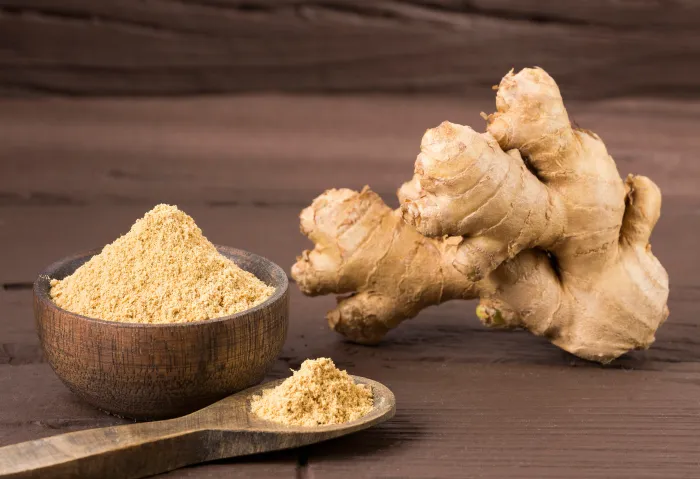
Brew Ginger Tea: Simmer fresh sliced ginger in hot water, 10-15 minutes; add lemon. Sweeten lightly or not at all.- Use Ginger in Cooking: Add grated ginger to stir-fries, soups, or smoothies.
- Consider Standardised Ginger Supplements If Appropriate: For nausea, some evidence-based regimens use doses around 500-1000mg per day of ginger (in divided doses). Discuss with your clinician, especially if you’re pregnant, on blood thinners, or have gallstones.
- Check Labels on “Ginger” Beverages: Look for products listing ginger root or ginger extract prominently and watch for added sugars. Even “craft” ginger drinks can be high in sugar.
Healthy Drinks Swaps to Try
Replacing ginger ale with healthier alternatives ensures better hydration and reduces the intake of added sugars or non-sugar sweeteners.
Instead of making ginger ale your go-to, try:
• Plain or Sparkling Water: Add fresh ginger slices, lemon, or mint.
• Unsweetened Ginger Tea: Hot or iced.
• Unsweetened Herbal or Green Tea.
• Oral Rehydration Solutions: For vomiting or diarrhoea, these replace fluids and electrolytes more effectively than soda.
Tips If You Still Want Ginger Ale Occasionally
For those who wish to consume ginger ale as an occasional indulgence, these tips can minimise potential drawbacks.
• Keep it occasional, not daily.
• Choose smaller sizes to limit added sugars.
• Sip, don’t chug, if you’re queasy; pair with small portions of bland foods.
• If diet ginger ale is your preference, try gradually replacing it with flavoured sparkling water or unsweetened ginger tea to reduce reliance on sweet-tasting beverages.
Safety Notes About Ginger
It is important to be aware of potential contraindications and seek medical advice when using ginger, especially in concentrated forms or during pregnancy.
- Interactions: Ginger can interact with blood thinners and may not be suitable before surgery due to potential bleeding risk. If you take anticoagulants or have bleeding disorders, ask your clinician.
- Pregnancy: Ginger can help with pregnancy-related nausea for many. Discuss dose and form with your obstetric clinician to ensure it’s appropriate for you.
- GERD/Reflux and Gas: Carbonated beverages (including ginger ale) may worsen symptoms in some; ginger tea without carbonation may be better tolerated.
Bottom Line: Is Ginger Ale Good for You?
Ultimately, while the ginger root is beneficial, commercial ginger ale is best viewed as a soft drink for occasional enjoyment, not a health beverage. Ginger, the root, has documented benefits for certain types of nausea. Ginger ale, the soda, usually contains sugar or non-sugar sweeteners and often little actual ginger, so it’s not a healthy drink to rely on. For most people, it’s best enjoyed occasionally. If you’re seeking health benefits, choose real ginger (tea, food, or evidence-based supplements) and prioritise water and unsweetened beverages. Understanding Ginger Ale benefits versus Ginger Ale myths helps you make choices that truly support your health.Consult a Top General Physician
Consult a Top General Physician

Dr. Soumen Paul
General Practitioner
24 Years • MBBS
Kolkata
MCR SUPER SPECIALITY POLY CLINIC & PATHOLOGY, Kolkata

(25+ Patients)

Dr. Vivek D
General Physician
4 Years • MBBS
Bengaluru
PRESTIGE SHANTHINIKETAN - SOCIETY CLINIC, Bengaluru

Dr. Sougata Kumar
General Practitioner
9 Years • MBBS
East Midnapore
VIVEKANANDA SEBA SADAN, East Midnapore

Dr. Shamanth Y B
General Physician/ Internal Medicine Specialist
5 Years • MBBS
Bengaluru
Apollo Medical Center, Marathahalli, Bengaluru
(50+ Patients)

Dr Syed Mizra M
General Physician/ Internal Medicine Specialist
2 Years • MBBS
Bengaluru
PRESTIGE SHANTHINIKETAN - SOCIETY CLINIC, Bengaluru
Consult a Top General Physician
Dr. Soumen Paul
General Practitioner
24 Years • MBBS
Kolkata
MCR SUPER SPECIALITY POLY CLINIC & PATHOLOGY, Kolkata
(25+ Patients)
Dr. Vivek D
General Physician
4 Years • MBBS
Bengaluru
PRESTIGE SHANTHINIKETAN - SOCIETY CLINIC, Bengaluru
Dr. Sougata Kumar
General Practitioner
9 Years • MBBS
East Midnapore
VIVEKANANDA SEBA SADAN, East Midnapore
Dr. Shamanth Y B
General Physician/ Internal Medicine Specialist
5 Years • MBBS
Bengaluru
Apollo Medical Center, Marathahalli, Bengaluru
(50+ Patients)
Dr Syed Mizra M
General Physician/ Internal Medicine Specialist
2 Years • MBBS
Bengaluru
PRESTIGE SHANTHINIKETAN - SOCIETY CLINIC, Bengaluru
More articles from General Medical Consultation



Frequently Asked Questions
1. Does ginger ale help with nausea?
It might offer comfort, but most ginger ales don’t contain enough real ginger to deliver the anti-nausea effect seen in studies. Ginger tea, capsules (if appropriate), or crystallised ginger are more reliable options, and staying hydrated is key.
2. Is diet ginger ale healthy?
Diet ginger ale cuts calories but relies on non-sugar sweeteners. The World Health Organisation advises against using these sweeteners long-term for weight control due to a lack of sustained benefit and potential risks. Occasional use is likely fine for many, but it shouldn’t be a primary “health strategy.”
3. How much sugar is in ginger ale?
A typical ounce can of regular soda has about 10 teaspoons of sugar. Many ginger ales are similar. High intake of sugary drinks is linked to weight gain, type 2 diabetes, heart disease, and dental problems.
4. What should I drink when I have a stomach bug?
Focus on hydration: water, oral rehydration solutions, clear broths, and unsweetened ginger or peppermint tea. If you sip ginger ale, do so sparingly and consider letting it go flat to reduce carbonation, which can worsen gas for some people.
5. Is ginger ale safe during pregnancy?
Ginger itself can help with pregnancy-related nausea for many people. Ginger ale may not contain enough ginger to help and can add unnecessary sugar. Ask your obstetric clinician about safe ginger options and doses for you.