


Jicama: Uses & Health Benefits
Curious about jicama benefits? Learn nutrition, gut and heart perks, blood sugar support, safety tips, and simple ways to enjoy this crunchy root.

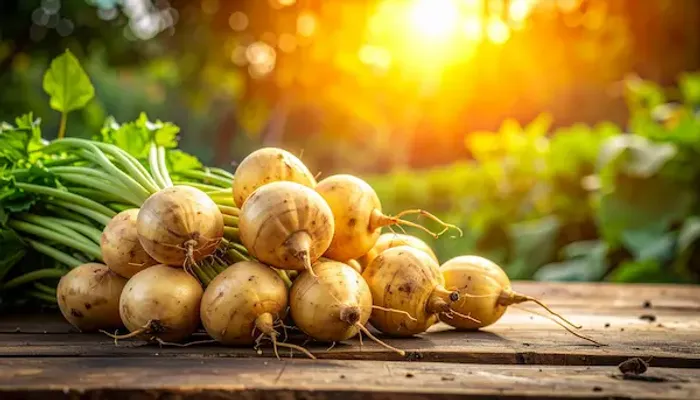
Introduction: Why is Jicama Worth Knowing
If you enjoy vegetables that offer a crisp bite and a refreshing flavour, jicama may quickly earn a place in your kitchen. This mildly sweet root vegetable, pronounced HEE-kah-ma, delivers crunch, hydration and gentle sweetness in every bite. Increasing interest in jicama stems not only from its texture but also from its potential benefits for gut health, heart wellness, blood sugar balance and immunity. This guide explores what jicama is, how it supports health, practical ways to prepare and enjoy it and when caution may be needed.
Consult a Top Nutritionist for Personalised Advice
What is Jicama?
Jicama (Pachyrhizus erosus) is a starchy tuber native to Mexico, sometimes referred to as the Mexican turnip or yam
bean. Beneath its tough, tan skin lies white flesh that is crisp, juicy and subtly sweet. The texture is similar to that of a water chestnut, making it a versatile ingredient in salads, slaws, stir-fries and snacks.
Only the white flesh is eaten.
- The skin is discarded.
- The plant’s leaves and seeds are avoided entirely.
Nutrition at a Glance
Per roughly one cup of raw jicama is (about 120–130 g), you get:
- 45–50 calories
- 11 g carbohydrates
- 5–6 g fibre
- ~1 g protein
- Virtually no fat
- About 20–25 mg of vitamin C
- Small amounts of potassium and other minerals
- High water content
These values make jicama a naturally low-energy, fibre-rich and hydrating vegetable with a noticeable dose of vitamin C.
Key Jicama Benefits for Gut Health: Prebiotic Fibre
One of the most significant nutritional qualities of jicama is its fibre content, particularly inulin, a naturally occurring
prebiotic fibre. Prebiotics are compounds that nourish beneficial gut bacteria, encouraging the growth of microbes that
support digestive health.
What Does This Mean for You?
- Improved regularity as fibre adds bulk to stools.
- Support for a thriving microbiome due to increased nourishment for helpful gut bacteria.
- Gradual improvement in digestive comfort as your fibre intake increases over time.
Good to Know
- Because inulin is fermentable, it can produce gas or bloating in some individuals.
- People with irritable bowel syndrome or sensitive digestion may notice discomfort with large quantities.
- Starting with small servings and increasing gradually, alongside drinking plenty of water, usually helps.
Heart Health and Blood Sugar
The fibre and nutrient composition of jicama may support cardiovascular and metabolic health in several ways.
Potential Advantages
- Dietary fibre, particularly the soluble type, plays a role in reducing LDL cholesterol when included as part of a generally heart-conscious eating pattern.
- Jicama’s relatively low sugar and moderate carbohydrate content can contribute to steadier blood sugar levels,
especially when combined with protein and healthy fats. - The presence of potassium contributes to maintaining healthy blood pressure, working alongside other fruits and
vegetables in the diet.
While no individual food can resolve cardiovascular or blood sugar concerns alone, regular consumption of fibre-rich
vegetables such as jicama can form part of a balanced approach to long-term wellness.
Jicama for Immunity and Skin: Vitamin C
Jicama is a natural source of vitamin C, an antioxidant with several important roles in the body.
Why Vitamin C Matters?
- It supports normal immune function.
- It contributes to collagen formation, important for skin health, connective tissues and wound healing.
- It protects cells against oxidative stress by neutralising free radicals.
Since vitamin C is water-soluble and not heavily stored in the body, including foods such as jicama, peppers, berries and
citrus throughout the week can help maintain an adequate intake.
Jicama for Weight-friendly, Hydrating and Satisfying
Jicama naturally offers:
- Low calorie density
- A high water content
- Substantial fibre
These qualities help add volume to meals without significantly increasing calorie intake. The crispness and mild
sweetness can make meals more satisfying, which may be especially helpful for those focusing on weight management
or mindful eating. Foods rich in water and fibre tend to slow the eating pace, support fullness and improve hydration.
How to Buy, Store and Prepare Jicama Safely?
Tips to Buy, Store and Prepare Jicama Safely include:
Choosing Jicama
- Select roots that are firm and feel heavy for their size.
- Choose ones free from soft spots, shrivelling or cracks.
- Smaller or medium-sized jicama often provides the best crunch and slightly sweeter flavour.
Storing Jicama
- Whole, uncut jicama stores well in a cool, dry place for up to a couple of weeks.
- After peeling or cutting, store in an airtight container in the fridge and use within 3–5 days.
- Keep cut jicama as dry as possible to maintain crispness.
Preparing Jicama
- Rinse the root thoroughly to remove dirt.
- Peel the thick tan skin using a sturdy peeler or a small knife.
- Consume only the peeled white flesh.
Cooking Tips
- Light sautéing or stir-frying helps retain jicama’s signature crunch.
- Eating jicama raw provides the highest vitamin C content, as heat can reduce this nutrient.
- Jicama can be added to both cold and warm dishes, making it easy to incorporate into everyday meals.
Easy Tasty Ways to Use Jicama
These include:
- Enjoy raw sticks with lime, chilli powder and a pinch of salt.
- Add crunch to salads and slaws with carrots, cabbage and a simple vinaigrette.
- Mix into salsas or pico de gallo for extra freshness.
- Stir-fry with peppers, snap peas, garlic and a splash of soy sauce.
- Add strips to tacos, burrito bowls or lettuce wraps.
- Roast or air-fry spears for a lightly crisp vegetable side.
- Slice thinly to make fresh jicama “tortillas” for wraps.
Who Should Be Cautious?
Be cautious in the following situations:
- People with sensitive digestion or IBS may find that inulin causes bloating or gas. Start with small portions.
- Food allergies to jicama are rare but possible. Symptoms such as swelling, itching, hives or breathing difficulty require
medical attention. - People managing diabetes can include jicama as part of a balanced eating pattern, as it is non-starchy and rich in fibre.
- Portion control remains important.
- Those advised to limit potassium should discuss intake with their healthcare team, as jicama contains modest amounts.
Putting It Together
How Jicama benefits stand out: it includes:
- Prebiotic fibre supports gut bacteria and digestive comfort.
- Fibre contributes to healthier cholesterol levels and steadier blood sugar.
- Vitamin C supports immunity and collagen formation.
- High water and fibre content make it filling, hydrating and diet-friendly.
- Its versatility means it can be eaten raw, cooked, in salads, slaws, snacks or warm dishes.
Sample Day Ideas
Sample day ideas include:
- Breakfast: Vegetable scramble served with jicama sticks and orange slices.
- Lunch: Cabbage and jicama slaw paired with grilled chicken or tofu.
- Snack: Fresh jicama sticks dunked in guacamole or hummus.
- Dinner: Stir-fry with jicama, broccoli, peppers and lean protein over rice or cauliflower rice.
Final Thoughts
Jicama is a simple, budget-friendly way to add fibre, hydration, and vitamin C to your day. With its fresh crunch and
versatility, it slips easily into snacks, salads, and stir-fries. If you’re looking to support gut health, heart health, and
steady energy, the combination of prebiotic fibre and low calories makes jicama a smart, delicious choice. Start with a
small serving to see how you feel, then enjoy it often as part of a balanced, plant-forward diet.
Consult a Top Nutritionist for Personalised Advice
Consult a Top Nutritionist for Personalised Advice

Dr. Ramalinga Reddy
General Physician
5 Years • MBBS MD General medicine
Bengaluru
PRESTIGE SHANTHINIKETAN - SOCIETY CLINIC, Bengaluru

Mrs Sneha P V
Nutritionist
10 Years • Master of science in Food and Nutrition
Bengaluru
Apollo Clinic, Sarjapur Road, Bengaluru
Dt. Ila Sharma
Clinical Nutritionist
18 Years • Master in food & Nutrition
Gurugram
VIPUL GREENS - SOCIETY CLINIC, Gurugram

Dt. Prabhavathy
Clinical Nutritionist
8 Years • Msc Human Nutrition & Nutraceuticals
Madurai
Apollo Sugar Clinics, Madurai, Madurai

Ms. Bhavana Shetty
Dietician
7 Years • DDHN & Masters in Clinical Nutrition & Dietetics
Bangalore
Apollo Sugar Clinic, Seetha circle bangalore, Bangalore
Consult a Top Nutritionist for Personalised Advice
Dr. Ramalinga Reddy
General Physician
5 Years • MBBS MD General medicine
Bengaluru
PRESTIGE SHANTHINIKETAN - SOCIETY CLINIC, Bengaluru
Mrs Sneha P V
Nutritionist
10 Years • Master of science in Food and Nutrition
Bengaluru
Apollo Clinic, Sarjapur Road, Bengaluru
Dt. Ila Sharma
Clinical Nutritionist
18 Years • Master in food & Nutrition
Gurugram
VIPUL GREENS - SOCIETY CLINIC, Gurugram
Dt. Prabhavathy
Clinical Nutritionist
8 Years • Msc Human Nutrition & Nutraceuticals
Madurai
Apollo Sugar Clinics, Madurai, Madurai
Ms. Bhavana Shetty
Dietician
7 Years • DDHN & Masters in Clinical Nutrition & Dietetics
Bangalore
Apollo Sugar Clinic, Seetha circle bangalore, Bangalore
More articles from General Medical Consultation





Frequently Asked Questions
1) What does jicama taste like, and how do I eat it?
Jicama has a mildly sweet, refreshing flavour comparable to a cross between an apple and a water chestnut. Peel it and enjoy it raw in sticks, add it to salads and slaws or include it lightly cooked in stir-fries and tacos.
2) Is jicama good for people with diabetes?
Yes, jicama suits many diabetes-friendly eating patterns. Its fibre content can help slow digestion and steady blood sugar when paired with protein and healthy fats. Meal balance and portion guidance from a healthcare professional remain important.
3) Is jicama keto or low-carb?
Jicama contains carbohydrates but is high in fibre, lowering its net carb count compared to many other root vegetables. Whether it fits into a keto plan depends on your personal daily carb limit.
4) Can you eat jicama skin?
No. The skin must be removed. Only the peeled white flesh is consumed; the skin, seeds and leaves are not eaten.
5) Does cooking jicama reduce its nutrients?
Light cooking is fine and preserves most of its crunch. Heat can reduce vitamin C, so raw preparations provide the maximum amount. Fibre and hydration remain intact regardless of cooking method.